Year: 2000
Runtime: 130 min
Language: english
Budget: $65M
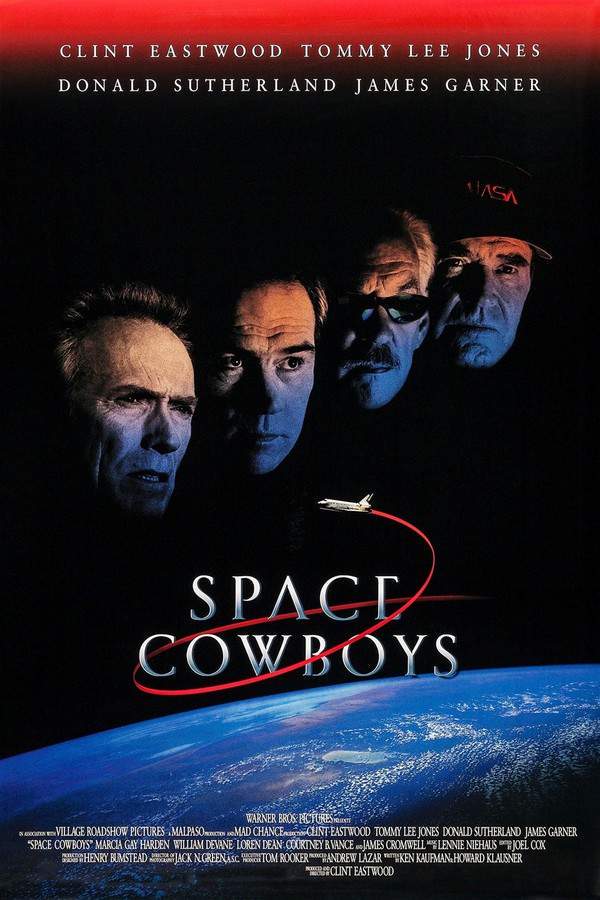
A group of aging former test pilots are called back into action for a dangerous mission involving a vital piece of technology from the Cold War. Facing their own limitations and the challenges of a younger generation, they must work together to complete the task. Led by experienced pilots, this adventure celebrates the value of wisdom, camaraderie, and the enduring thrill of flight.
Warning: spoilers below!
Haven’t seen Space Cowboys yet? This summary contains major spoilers. Bookmark the page, watch the movie, and come back for the full breakdown. If you're ready, scroll on and relive the story!
Read the complete plot breakdown of Space Cowboys (2000), including all key story events, major twists, and the ending explained in detail. Discover what really happened—and what it all means.
In 1958, two ambitious U.S. Air Force pilots, William “Hawk” Hawkins (Tommy Lee Jones) and Frank Corvin (Clint Eastwood), find themselves testing a modified Bell X-2 after Hawk boldly decides to break a soaring altitude record. Unfortunately, the aircraft stalls, forcing them to eject just in time to avoid a Boeing B-50 Superfortress that is piloted by navigator “Tank” Sullivan (James Garner). Once on solid ground, a heated confrontation ensues where Frank confronts Hawk over his reckless actions, nearly jeopardizing his own career. Their quarrel is swiftly interrupted by flight engineer Jerry O’Neill (Donald Sutherland). Their superior, Bob Gerson (James Cromwell), reprimands Hawk and soon brings them to a press conference revealing that the newly established NASA, instead of the USAF, will carry out the upcoming space flight tests, including sending a chimp into space as the first American in orbit. This shocking announcement effectively crushes their dreams of moon travel.
Fast forward to the present day, NASA faces an urgent challenge: they must prevent the Soviet satellite IKON from falling out of orbit and crashing to Earth, with its systems failing rapidly and only 35 to 40 days left. Sara Holland (Marcia Gay Harden) serves as the mission director, guided by Flight Director Eugene “Gene” Davis (William Devane). The Soviets, led by General Vostov (Rade Serbedzija), are unexpectedly adamant about preventing the satellite’s re-entry, prompting the White House to push NASA for all possible assistance.
The vintage electronics of the satellite bear a striking resemblance to those developed by Frank in the past. Bob, now in a position of authority at NASA, seeks Frank’s expertise once again, enlisting Sara to bring him back into the fold. Frank advises that capturing the massive satellite using the space shuttle is impractical, insisting the problem must be addressed from space itself. Although Frank loathes Bob for past grievances, he agrees to participate only if he can reunite with the old crew, known as “Team Daedalus,” which includes Hawk, Tank, and Jerry.
The crew’s return to space preparation sees them confronting various medical evaluations and tests to ensure they are fit for the mission—one highlight being Frank’s comedic bet with Hawk regarding who will faint first on the G simulator. Meanwhile, Sara develops a crush on Hawk, who aspires to pilot the shuttle but struggles with the tendency to disengage the autopilot, leading to dangerous maneuvers.
As the older astronauts mentor the younger team members, chemistry begins to blossom, although tensions grow as the younger astronaut, Ethan Glance (Loren Dean), grows frustrated with Frank’s refusal to mentor him. When news of Frank’s team breaks to the media, the Vice President pressures Bob into including them on the mission for public relations, leading to a heart-wrenching revelation: Hawk has been diagnosed with cancer. Frank adamantly refuses to embark on the journey without Hawk aboard, leading Bob to agree to have Hawk join the mission despite his illness.
Upon reaching the satellite, it is discovered that it contains not communications technology, but six nuclear missiles—a remnant of the Cold War that defies the Outer Space Treaty. Frank learns that the KGB pilfered classified control systems from Bob’s files, now threatening to launch the missiles if the satellite loses contact or drifts out of orbit. With the team’s focus set on using payload-assist rockets to cast the satellite into deep space, a mishap occurs when Ethan, acting on orders from Bob, attempts to stabilize the satellite’s orbit himself, resulting in catastrophic consequences: the satellite collides with the shuttle, disabling critical systems and accelerating their impending crash.
While Tank and Jerry care for the injured Roger Hines (Courtney B. Vance), Frank and Hawk must embark on a spacewalk to activate a booster rocket to slow the satellite’s descent. In a moment of profound sacrifice, Hawk, motivated by his terminal diagnosis and long-held dream of lunar landing, chooses to ride the satellite, igniting its engines in a selfless act to ensure it is launched into deep space.
Post-handover of the shuttle for water landing, Frank and his team find themselves battling against the odds, facing a challenging descent without any automated systems. After safely ejecting the surviving younger astronauts, Tank and Jerry refuse to leave Frank’s side as they all risk their lives to navigate the shuttle back home. Recalling Hawk’s prior technique for landing, Frank opts to stall the shuttle—an instinctive maneuver that ultimately ensures a safe landing.
The film concludes poignantly with the classic tune “Fly Me to the Moon,” as viewers are treated to a breathtaking view of the Moon’s surface, confirming that Hawk achieved his dream before his passing.
Last Updated: November 04, 2024 at 01:59
Discover curated groups of movies connected by mood, themes, and story style. Browse collections built around emotion, atmosphere, and narrative focus to easily find films that match what you feel like watching right now.
Veteran experts reunite for a final, high-stakes adventure against the odds.Discover movies like Space Cowboys that feature aging experts embarking on a final, high-stakes mission. These stories celebrate experience and camaraderie while facing the physical limitations of age, perfect for fans of nostalgic heroism and character-driven adventure.
The narrative follows a familiar but satisfying arc: a crisis emerges that only a specific group of retired veterans can solve. The story involves recruiting the old team, overcoming personal and generational friction, and ultimately succeeding through hard-won skill and self-sacrifice, often with a bittersweet edge.
These films are grouped by their central 'one last job' trope, focusing on older protagonists. They share a mood of nostalgic heroism mixed with the melancholy of aging, a steady pacing that builds to a tense climax, and a tone that balances triumph with personal cost.
High-risk space adventures where personal sacrifice weighs as heavily as cosmic danger.If you liked the mix of space adventure and emotional depth in Space Cowboys, explore these similar films. They blend the high-stakes tension of a space mission with poignant character drama, resulting in stories that are thrilling yet deeply human.
These narratives follow a mission into space where a technical failure or external threat creates intense danger. However, the central conflict is as emotional as it is physical, often revolving around crew dynamics, past regrets, or a selfless act of sacrifice that defines the mission's outcome.
This thread groups films that share a specific tone: the grandeur and danger of space exploration fused with a melancholic, human-centered drama. The pacing is steady, building tension towards a climax that is triumphant yet emotionally costly, creating a distinctly bittersweet feeling.
Don't stop at just watching — explore Space Cowboys in full detail. From the complete plot summary and scene-by-scene timeline to character breakdowns, thematic analysis, and a deep dive into the ending — every page helps you truly understand what Space Cowboys is all about. Plus, discover what's next after the movie.
Track the full timeline of Space Cowboys with every major event arranged chronologically. Perfect for decoding non-linear storytelling, flashbacks, or parallel narratives with a clear scene-by-scene breakdown.
Discover the characters, locations, and core themes that shape Space Cowboys. Get insights into symbolic elements, setting significance, and deeper narrative meaning — ideal for thematic analysis and movie breakdowns.
Get a quick, spoiler-free overview of Space Cowboys that covers the main plot points and key details without revealing any major twists or spoilers. Perfect for those who want to know what to expect before diving in.
Visit What's After the Movie to explore more about Space Cowboys: box office results, cast and crew info, production details, post-credit scenes, and external links — all in one place for movie fans and researchers.
Discover movies like Space Cowboys that share similar genres, themes, and storytelling elements. Whether you’re drawn to the atmosphere, character arcs, or plot structure, these curated recommendations will help you explore more films you’ll love.
Space Cowboys (2000) Scene-by-Scene Movie Timeline
Space Cowboys (2000) Movie Characters, Themes & Settings
Space Cowboys (2000) Spoiler-Free Summary & Key Flow
Movies Like Space Cowboys – Similar Titles You’ll Enjoy
Cowboys & Aliens (2011) Complete Plot Breakdown
Ad Astra (2019) Story Summary & Characters
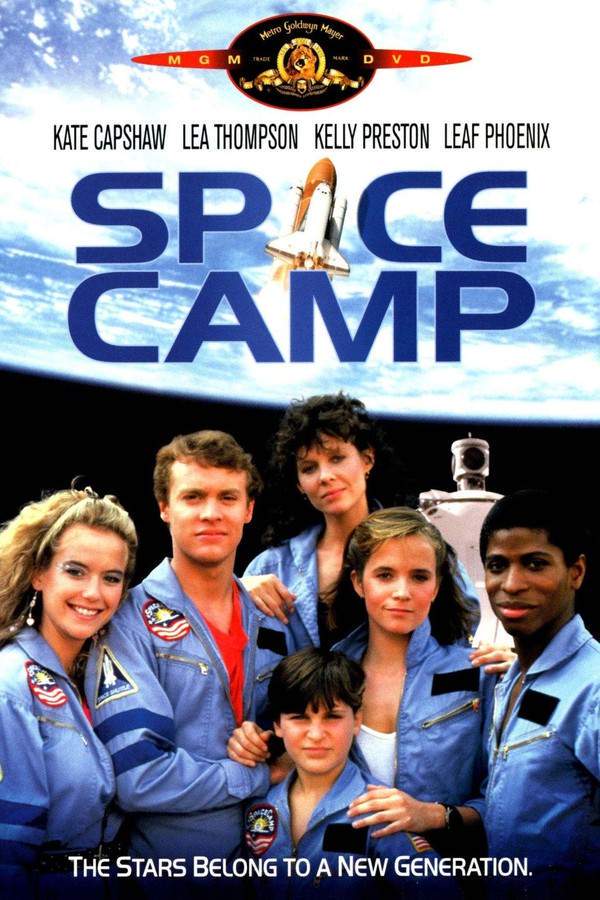
SpaceCamp (1986) Movie Recap & Themes
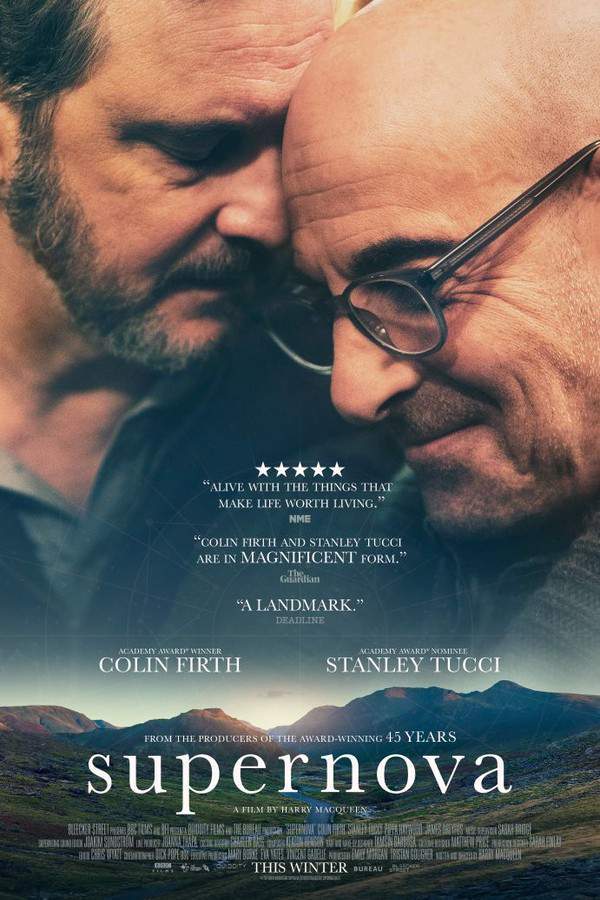
Supernova (2000) Spoiler-Packed Plot Recap
Voyagers (2021) Full Movie Breakdown
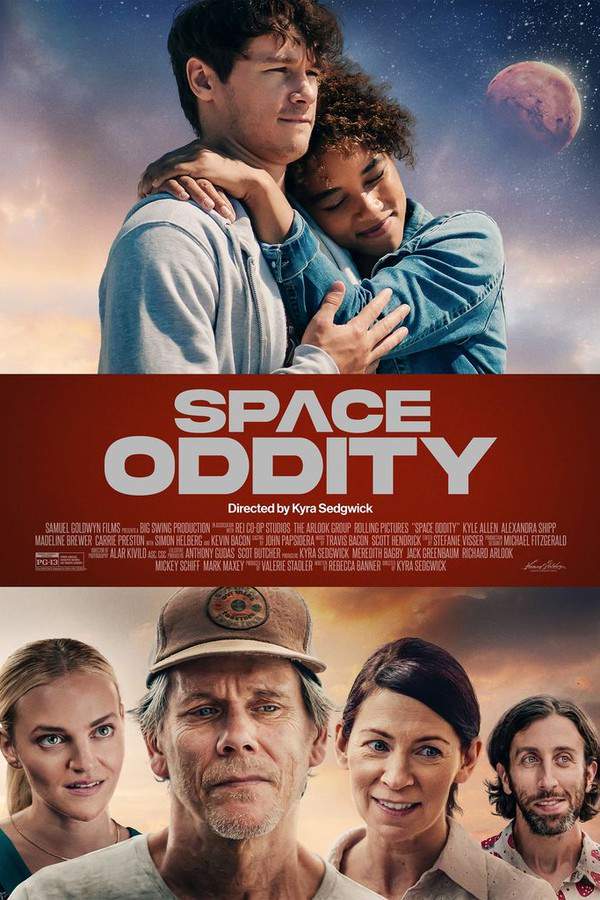
Space Oddity (2023) Story Summary & Characters
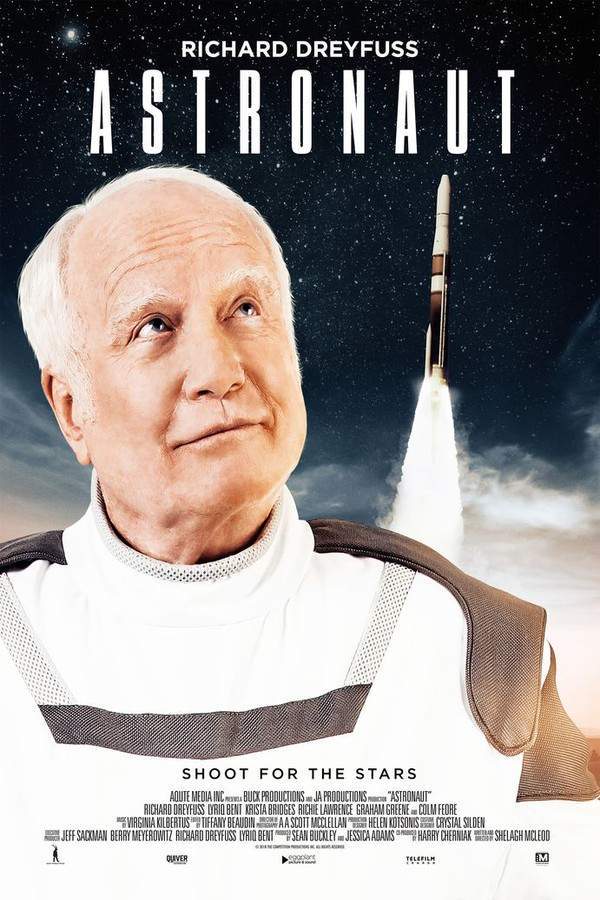
Astronaut (2019) Movie Recap & Themes
Spaceman (2024) Story Summary & Characters
Space Cop (2016) Spoiler-Packed Plot Recap
Stranded (2002) Detailed Story Recap
Spacehunter: Adventures in the Forbidden Zone (1983) Ending Explained & Film Insights
Space Mutiny (1988) Plot Summary & Ending Explained
Space Truckers (1996) Full Summary & Key Details
Space Fury (1999) Story Summary & Characters
Conquest of Space (1955) Film Overview & Timeline