Year: 2015
Runtime: 83 mins
Language: Spanish
Director: Gustavo Gamou
This documentary explores themes of guilt, regret, and the search for meaning. It follows Don Rosendo, a man wrestling with his past, as he attempts to find purpose later in life. The story unfolds at a border town hostel near the Mexico-USA border, a place of transition and fleeting encounters, where Rosendo confronts his demons and seeks redemption.
Warning: spoilers below!
Haven’t seen The Return of the Dead yet? This summary contains major spoilers. Bookmark the page, watch the movie, and come back for the full breakdown. If you're ready, scroll on and relive the story!
Trace every key event in The Return of the Dead (2015) with our detailed, chronological timeline. Perfect for unpacking nonlinear stories, spotting hidden connections, and understanding how each scene builds toward the film’s climax. Whether you're revisiting or decoding for the first time, this timeline gives you the full picture.
Last updated: October 01, 2025 at 13:07
Find frequently asked questions about the The Return of the Dead (2015) timeline, including chronological order, nonlinear jumps, cause-and-effect links, and scene sequence clarifications. This timeline FAQ helps explain when key events happen, how moments connect, and why the story unfolds in that specific order.
Frank strikes the drum to impress new employee Freddy, trying to prove that the drum's seal is secure. This demonstration backfires catastrophically when the impact breaks the seal and releases the toxic Trioxin gas that had been stored in the warehouse basement for years after a delivery error.
The Trioxin gas seeps through the warehouse basement and causes a stored cadaver to melt, which then reanimates another corpse kept in a meat locker. The gas has the unique property of being able to reanimate dead tissue, even from fragmented bodies.
When Burt arranges for the zombie to be incinerated at the mortuary crematorium, the extreme heat releases the Trioxin toxin trapped in the corpse's body into the air. The gas then condenses and falls as contaminated rain, which has the ability to reanimate corpses in nearby cemeteries.
Trioxin reanimation creates zombies whose every body part remains independently alive and functional. When Frank, Burt, and Freddy attempt to kill the creature by puncturing its brain and dismembering its body, each piece continues moving and posing a threat, making conventional destruction impossible.
Exposure to Trioxin gas causes a unique paradox where the infected individuals appear clinically dead, showing no vital signs, yet remain conscious and aware. Paramedics confirm this horrifying state, describing them as dead but still present in their bodies as the reanimation process begins.
A restrained zombie explains that reanimated corpses can feel themselves decaying, which causes them constant agony. Feeding on the brains of the living temporarily relieves this pain, giving the undead a horrifying motivation for hunting humans beyond mere hunger.
As Frank feels himself becoming increasingly undead, he retains enough mental clarity to make a desperate choice. Knowing he will fully transform into a zombie and potentially harm others, he climbs into the cremator and commits suicide, ending his life before the reanimation process completes.
After contacting the number on the Trioxin drums, Burt reaches Colonel Glover, who explains that the zombie outbreak has become uncontrollable. The military deems the situation a threat to national security and orders a nuclear artillery strike on Louisville to destroy the outbreak at any cost.
The nuclear artillery destroys the immediate zombie threat to the survivors, but the intense fires from the blast release stored Trioxin into the atmosphere across a much wider area than before. The film ends with the toxic rain beginning again and zombies crying out from their graves, implying the contamination has spread far beyond Louisville.
As Freddy becomes increasingly infected with Trioxin and edges toward full zombification, he experiences the overwhelming hunger that affects all reanimated corpses. Driven by this desperate need and no longer fully in control of his actions, he attacks Tina despite their relationship.
When the zombie army led by Trash overwhelms the evacuation route, Burt is forced to make a desperate choice. He abandons Ernie and Tina in the attic to save his own life and Spider's, as the sheer number of pursuing undead makes carrying everyone impossible.
Spider gives the disfigured reanimated corpse in the warehouse basement the name Tarman, likely referencing its grotesque appearance and the toxic, tar-like substance that seems to ooze from its reanimated body as it moves through the basement.
Discover curated groups of movies connected by mood, themes, and story style. Browse collections built around emotion, atmosphere, and narrative focus to easily find films that match what you feel like watching right now.
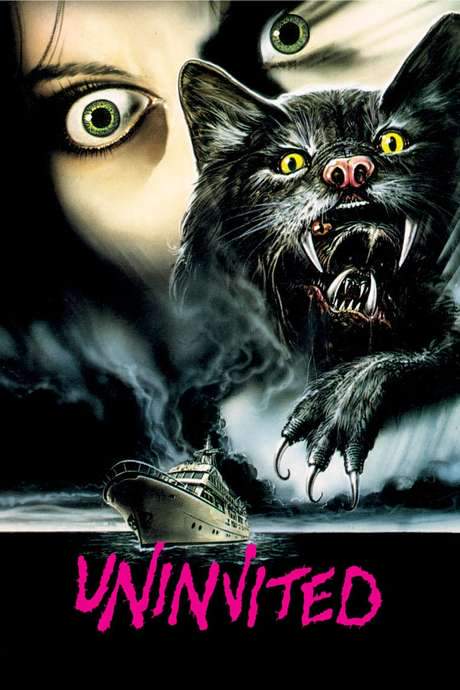
Stories of desperate struggle against overwhelming collapse, ending in despair.If the grim, high-intensity survival horror of The Return of the Dead appealed to you, explore these movies. This list features stories of desperate struggles against apocalyptic threats, characterized by a dark tone, heavy emotional weight, and bleak endings that leave a lasting impact.
Stories in this thread typically follow a linear, cause-and-effect chain of disaster where a catastrophic event spirals out of control. Characters are often faced with impossible choices and gruesome violence, with their journey defined by loss and a gradual erosion of hope, leading to an ending where the central threat remains or even intensifies.
These films are grouped by their shared commitment to a dark, high-intensity atmosphere focused on survival against impossible odds. They share a straightforward narrative propulsion towards a bleak conclusion, a heavy emotional weight driven by themes of loss and dread, and a pervasive sense of hopelessness that defines the viewing experience.
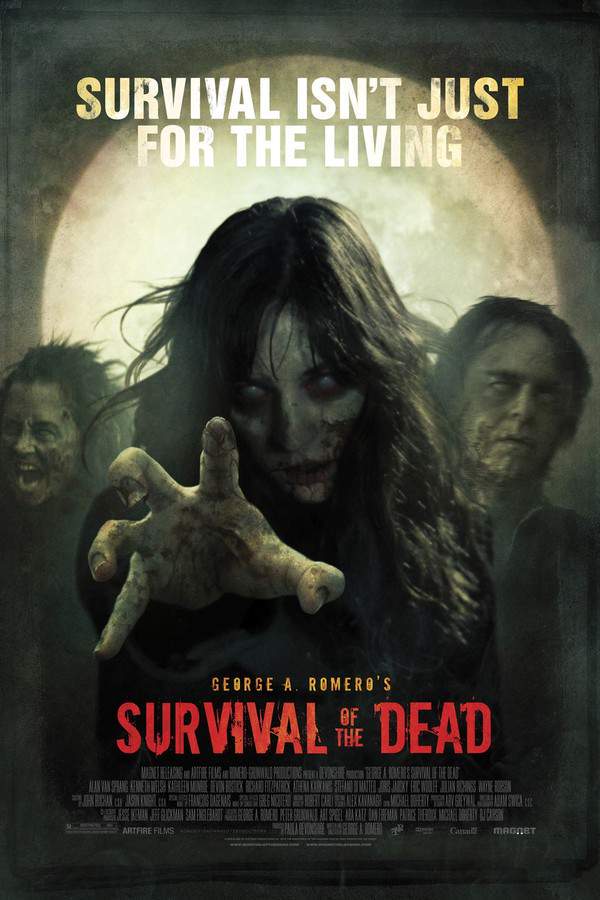
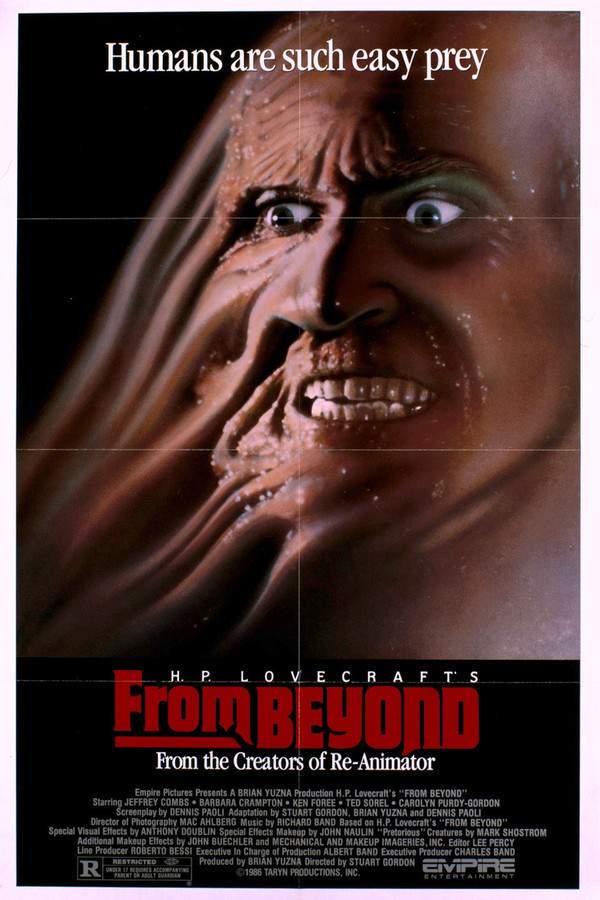
Narratives where human folly unleashes horrors that cannot be contained.For viewers who appreciated the themes of uncontrolled science and existential dread in The Return of the Dead, this list features similar films. Discover stories where experiments, plagues, or technologies escape containment, leading to chaotic horror, government failure, and profound philosophical terror.
The narrative pattern involves a singular scientific accident or hubristic project that rapidly escalates into a full-scale crisis. The plot often explores the failure of institutions to contain the threat, forcing characters to confront grotesque physical transformations and the philosophical horror of their new reality, typically ending in irreversible disaster.
These films are united by their exploration of a specific thematic fear: the horror of losing control over science. They share a high-intensity, fast-paced structure as the crisis unfolds, a dark tone filled with body horror and existential terror, and a straightforward plot that highlights cause and effect, leading to a heavy emotional conclusion.
Don't stop at just watching - explore The Return of the Dead in full detail. From the complete plot summary and scene-by-scene timeline to character breakdowns, thematic analysis, and a deep dive into the ending - every page helps you truly understand what The Return of the Dead is all about. Plus, discover what's next after the movie.
Read a complete plot summary of The Return of the Dead, including all key story points, character arcs, and turning points. This in-depth recap is ideal for understanding the narrative structure or reviewing what happened in the movie.
Discover the characters, locations, and core themes that shape The Return of the Dead. Get insights into symbolic elements, setting significance, and deeper narrative meaning - ideal for thematic analysis and movie breakdowns.