














Plot Explained Spoilers guaranteed!
Plot Explained

Browse by genre

The Red Shoes (1948) movie poster

Timeline

The Red Shoes (1948) Timeline Explained – Every Event in Order

Release, runtime and language
1948 · 133 mins · English
JustWatch #21,195 3
Directed by
Michael Powell
Starring
Robert Helpmann, Marius Goring, Esmond Knight, Emeric Pressburger, Anton Walbrook, Patrick Troughton

Vicky Page, a gifted but inexperienced ballerina, is torn between the demands of her stern instructor Boris Lermontov and the love for the charismatic composer Julian Craster. As she chases perfection onstage, Vicky must choose whether to abandon romance for her art or risk her career for love, a decision that will define her future.

On this page (6)
  1. 1 Where to watch
  2. 2 Events in order (14)
  3. 3 Timeline questions answered
  4. 4 Movie threads
  5. 5 Movies like The Red Shoes
  6. 6 Every angle

Where to watch

Where to Watch The Red Shoes (1948)

Where can you watch The Red Shoes? Stream, rent or buy it in the US, including on HBO Max, Plex and Pluto TV: current JustWatch availability with up-to-date prices.

Streaming availability powered by JustWatch

14 events in order · contains spoilers

The Red Shoes Timeline: Events in Chronological Order

Every key event of The Red Shoes (1948) in order, scene by scene, with when and where it takes place. Use it to untangle flashbacks, time jumps and parallel storylines, to refresh your memory before the sequel or to find the exact scene you are thinking of.

  1. Julian storms out of Heart of Fire

    During the London premiere of Heart of Fire, Julian Craster realises his professor has plagiarised his compositions. He furiously walks out, stunned by the betrayal. This act foreshadows the coming battles over artistic ownership and ambition.

    When
    Evening
    Where
    London
  2. Lady Neston hosts an after-party

    Lady Neston hosts an after-party in honor of Ballet Lermontov's impresario Boris Lermontov. Victoria 'Vicky' Page tells Boris that dancing is the most important thing in her life. Boris invites her to spend time with the company on its Paris tour.

    When
    After the performance
    Where
    London
  3. Vicky is hired full-time after Swan Lake

    Boris watches Vicky lead in Swan Lake with Ballet Rambert at the Mercury Theatre and hires her full-time. Her talent earns her a rapid rise within Ballet Lermontov. This marks the start of Vicky's ascent and Julian's new role at the heart of the company.

    When
    Shortly after the party
    Where
    London
  4. Julian writes a letter exposing misconduct

    Angrily, Julian writes a letter to Boris exposing his professor's misconduct. He intends to reveal the plagiarism and jeopardize the professor's career. The act sets the stage for Boris's later sympathy and protection.

    When
    Shortly after the party
    Where
    London
  5. Julian retrieves the letter; Boris reads it

    Julian has a change of heart and travels to Boris to take back the letter. Boris has already read it and responds with sympathy toward the young artist. He hires Julian as répétiteur and assistant to the company's conductor.

    When
    A few days later
    Where
    London
  6. Irina must leave Paris; Boris's jealousy hinted

    In Paris, Ballet Lermontov's principal dancer Irina Boronskaya is required to leave the company upon marrying, per policy. Boris justifies the move as professional discipline, yet the film hints that his jealousy of others' happiness motivates him. The policy exposes the personal tensions behind the troupe's decisions.

    When
    In Paris
    Where
    Paris
  7. Monaco stint: Vicky leads the Red Shoes, Julian scores

    The company proceeds to Monaco; in Irina's absence, Boris casts Vicky as the lead in a new ballet, The Ballet of the Red Shoes, and hires Julian to score it. The ballet features a pair of red shoes that grant superhuman dancing—at the cost that the wearer cannot stop dancing until death. Julian and Vicky's ambitions begin to collide with Boris's control.

    When
    Monaco tour
    Where
    Monaco
  8. Rehearsals: initial clash, then growing respect

    During rehearsals, Julian and Vicky's initial clash over ambition and pride gives way to a growing respect for each other's artistry. Boris watches with glee as their talents align, signaling his increasing influence over their careers. The personal dynamics intensify as art and control collide.

    When
    During rehearsals
    Where
    Monaco
  9. Ballet of the Red Shoes is a hit; love blooms

    The Ballet of the Red Shoes is a resounding success, reviving the company's repertoire with Vicky as prima ballerina and Julian as its star composer. Julian and Vicky fall in love, but Boris remains emotionally possessive and wary of losing control over his new star.

    When
    During the Monaco production
    Where
    Monaco
  10. Ultimatum and marriage; Irina rehired

    Boris gives Julian an ultimatum: break up with Vicky or leave the company. Julian and Vicky decide to marry and relocate to London, while Boris rehires Irina but cannot let go of Vicky. The tension between love and art deepens.

    When
    After Monaco
    Where
    London
  11. London years: opera vs stalled ballet; Cannes encounter

    Back in London, Julian's opera is set to open at Covent Garden while Vicky's ballet career stalls. Vicky travels to Cannes for a holiday, where Boris encounters her and reminds her of the sacrifices she has made. He pressures her to put on the Red Shoes again.

    When
    Late period
    Where
    London and Cannes
  12. Opening night clash: oct realigns paths

    The opening night of Julian's opera in London falls on the same date as Vicky's comeback in Monaco. Julian leaves for Monaco as a grand gesture to support her and insists she cancel her performance and come away with him. Vicky refuses, choosing to stay with Ballet Lermontov.

    When
    Opening night date
    Where
    London and Monaco
  13. Tragedy on the rails: Vicky's death

    An attendant announces that Miss Page is unable to dance tonight as Vicky, wearing the Red Shoes, grows faint. She runs toward the stage and jumps in front of an oncoming train, paralleling her ill-fated character in the ballet. Julian rushes to save her but cannot.

    When
    Ending
    Where
    London
  14. Final curtain: empty space on stage

    Boris announces that Miss Page cannot dance tonight, and the company performs The Ballet of the Red Shoes with a spotlight on the empty space where she would have danced. The spectacle underscores the price of ambition and the tragedy of love sacrificed for art.

    When
    End of production
    Where
    London

Last updated: October 09, 2025 at 14:03

Was this helpful?

Timeline questions answered

The Red Shoes Timeline Explained: Your Questions Answered

When does it happen, and why in that order? The questions people ask about the chronology of The Red Shoes (1948): time jumps, flashbacks, cause and effect between scenes and the correct order of events, each answered with spoilers.

Q1

Why does Boris Lermontov force Irina to leave the company after she marries?

Boris enforces a company policy that requires principal dancers to leave upon marriage, officially claiming that love distracts from artistic excellence. However, the film reveals a deeper motivation: Boris is jealous of his employees' emotional happiness because he lacks it himself. His reaction to others' romantic lives is personal, not merely professional, showing how his own emotional emptiness drives his rigid stance on the no-marriage rule.

Foreshadowing: Early in Paris, the film hints at Boris's jealousy when he enforces this policy against Irina, establishing his pattern of punishing others for the happiness he cannot experience.

  • boris lermontov
  • irina
  • marriage rule
  • ballet company
  • art vs love
Q2

Why does Boris give Julian an ultimatum to choose between Vicky and the company?

Although Boris is not romantically attracted to Vicky, he becomes emotionally possessive of her as his star ballerina. He sees her artistic success as an extension of his own legacy and fears losing control over her. When Julian and Vicky fall in love, Boris interprets their relationship as a threat to his artistic control, projecting his own insecurities onto them despite his choreographer's praise for their work.

Foreshadowing: During rehearsals in Monaco, Boris watches their growing respect for each other with glee, but this shifts to resentment as their personal bond strengthens beyond his influence.

  • boris lermontov
  • julian craster
  • ultimatum
  • possession
  • artistic control
Q3

Why does Vicky choose to stay with Ballet Lermontov instead of leaving with Julian?

Vicky faces an agonizing decision between love and art. Although she loves Julian, her identity as a dancer is central to who she is, the same conviction she expressed to Boris at their first meeting. When Julian demands she abandon her comeback performance, she realizes that sacrificing her art for love would destroy her. In her mind, choosing the red shoes means choosing to remain true to her artistic calling, even at the cost of her relationship.

Foreshadowing: The earlier scene in Cannes where Boris persuades her to 'put on the red shoes again' foreshadows her ultimate choice to prioritize dancing over personal happiness.

  • vicky page
  • ballet
  • choice
  • julian craster
  • sacrifice
  • art
Q4

What do the red shoes symbolize in the film?

The red shoes represent the consumptive nature of artistic obsession. In the within-the-film ballet, they grant a dancer supernatural ability but demand an unbearable price, she cannot stop dancing until death. For Vicky, wearing the actual red shoes on her comeback performance connects her personal ambition to this tragic metaphor, showing how her pursuit of artistic perfection becomes destructive and impossible to escape.

Foreshadowing: The Ballet of the Red Shoes is introduced as a new work in Monaco, with Vicky cast as the lead, establishing the symbolic link between her fate and the ballet's tragic heroine.

  • red shoes
  • symbolism
  • ambition
  • obsession
  • ballet of the red shoes
Q5

Why does Vicky commit suicide at the end of the film?

Vicky is overwhelmed by the impossible choice between her art and her love. Wearing the red shoes that symbolize her artistic dedication, she cannot reconcile her identity as a dancer with the personal sacrifices Julian demands. The pressure of the coinciding dates, Julian's opera opening and her comeback performance, forces her to choose. Unable to abandon either love or art, she runs onto the tracks, mirroring the fate of the ballet's heroine who also cannot stop dancing until death.

Foreshadowing: The Ballet of the Red Shoes establishes the fatal outcome for a dancer who cannot choose between art and life, directly foreshadowing Vicky's own tragedy.

  • vicky page
  • suicide
  • death
  • train
  • red shoes
  • sacrifice
Q6

Why does Boris break his own marriage rule to rehire Irina?

After Julian and Vicky leave the company to get married, Boris rehires Irina despite his previous policy against married dancers. This is not a genuine change of heart but rather a desperate attempt to fill the void left by Vicky. Boris cannot mentally let go of his former star and hopes Irina might restore the company's prestige, though his inability to truly release Vicky demonstrates his deep emotional instability regarding those he considers his artistic possessions.

Foreshadowing: The timeline shows Boris rehiring Irina immediately after Vicky leaves, indicating his replacement strategy stems from losing control over Vicky specifically.

  • boris lermontov
  • irina
  • marriage rule
  • rehire
  • control
Q7

Why does Julian leave his opera's opening night to go to Monaco?

Julian abandons his Covent Garden opera premiere, a monumental career achievement, to make a grand gesture for Vicky. Knowing her comeback performance in Monaco coincides with his opening night, he chooses love over professional triumph, insisting she cancel her show and come away with him. This dramatic choice reflects his attempt to prioritize their relationship, but it also places enormous pressure on Vicky to reciprocate by abandoning her own artistic milestone.

Foreshadowing: The coinciding dates are established earlier when both events are announced, setting up the central conflict that drives the tragic ending.

  • julian craster
  • opera
  • monaco
  • opening night
  • grand gesture
Q8

Why does Boris try to break up Julian and Vicky's relationship?

Boris actively tries to sabotage their romance by telling them their work is deteriorating, though this is projection, he is the one whose judgment is clouded by emotion. His choreographer continues to praise Julian's compositions, proving Boris's criticism is unfounded. Boris cannot tolerate losing his artistic control over either artist, and his jealousy of their happiness drives him to issue the ultimatum that ultimately pushes them away.

Foreshadowing: The early rehearsals in Monaco show Boris watching their growing connection with glee, but this shifts to resentment as their bond strengthens beyond his influence.

  • boris lermontov
  • julian
  • vicky
  • relationship
  • sabotage
  • jealousy
Q9

What prompts Vicky to meet Boris in Cannes and return to dancing?

While Julian works on his opera in London, Vicky travels alone to Cannes for a holiday. Boris coincidentally encounters her there and manipulates the situation by reminding her of the sacrifices she has made in her marriage, implying Julian's work has taken priority over her career. He persuades her to 'put on the red shoes again,' exploiting her vulnerability to reclaim his star dancer for the company.

Foreshadowing: In London, Vicky's ballet career has stalled while Julian's opera progresses, establishing her feeling of artistic neglect before Boris's intervention.

  • vicky
  • cannes
  • boris
  • return
  • dancing
  • manipulation
Q10

Why is the coincidence of Julian's opera opening on the same night as Vicky's comeback performance significant?

The film deliberately schedules both major artistic events on the same date, creating an impossible choice for Vicky between supporting Julian's triumph and claiming her own. This coincidence forces the central conflict of the film, art versus love, into a single night. Julian's decision to abandon his opera to go to Monaco intensifies the pressure on Vicky, making her choice appear as a rejection of either her partner or her art, with no possibility of reconciliation.

Foreshadowing: The timeline establishes this date clash as a pivotal turning point that drives the tragic climax.

  • opera
  • comeback
  • coincidence
  • date
  • conflict
  • art vs love
Q11

Why is Boris emotionally possessive of Vicky despite not loving her romantically?

Boris views his dancers as extensions of his artistic vision rather than as individuals with separate lives. He demands complete dedication to art and cannot tolerate the idea that his star might find happiness or fulfillment outside the company. His emotional possessiveness stems from seeing Vicky's success as his own, and her relationship with Julian threatens that control. His lack of personal happiness makes him resentful of others' joy, driving his need to dominate their artistic trajectories.

Foreshadowing: Early in the film, Boris invites Vicky to spend time with the company, marking her as his artistic project from the start.

  • boris lermontov
  • possession
  • control
  • artistic vision
  • domination
Q12

How does the Ballet of the Red Shoes mirror Vicky's actual story?

The within-the-film ballet tells of a dancer who receives magical red shoes that make her dance brilliantly but force her to keep dancing until death. Vicky performs this ballet as the lead and ultimately dies wearing red shoes, having been unable to stop dancing, both literally and figuratively. The ballet serves as a microcosm of her life: the pursuit of artistic perfection becomes all-consuming, leaving no room for love or personal happiness, ultimately proving fatal.

Foreshadowing: The ballet is introduced in Monaco and becomes Vicky's signature role, with the film cutting between her performances and her real-life choices to build the parallel.

  • ballet
  • red shoes
  • mirroring
  • fate
  • metaphor
  • tragedy
Q13

Why does Julian write a letter exposing his professor's plagiarism?

Julian discovers that his professor Professor Palmer has plagiarized his compositions for the ballet Heart of Fire. Outraged by this betrayal of artistic integrity, Julian writes to Boris Lermontov to expose the misconduct. He later attempts to retrieve the letter, having second thoughts about destroying his professor's career, but Boris has already read it. This act of principle leads Boris to hire Julian, setting the entire chain of events in motion.

Foreshadowing: Julian's storming out of the Heart of Fire premiere establishes his strong feelings about artistic integrity, which later influences his relationships with both Boris and Vicky.

  • julian
  • letter
  • plagiarism
  • professor palmer
  • artistic integrity

Movie threads

More Movies Like The Red Shoes, by Mood & Story

Curated lists built around what makes The Red Shoes tick: the same mood, the same kind of story or the same emotional payoff. Each list explains why these movies belong together.

Movies about artistic obsession like The Red Shoes

Stories where the pursuit of perfection demands a terrible personal sacrifice. Explore movies like The Red Shoes that delve into the tragic side of creative genius. These films feature characters whose dedication to their art—be it music, dance, or painting—becomes a destructive obsession, forcing painful choices between their craft and their humanity. If you were captivated by the theme of art vs. life, you'll find similar compelling stories here.

  • obsession
  • tragic
  • artistic
  • passionate
  • melancholic
  • dramatic
  • Tone: melancholic, tragic, oppressive
  • Pacing: steady, deliberate
Why these movies?

The story pattern: Stories in this thread follow a protagonist whose singular talent is matched only by their obsessive drive. Their journey is defined by an escalating internal conflict: the uncompromising demands of their art versus the pull of love, relationships, or personal well-being. This conflict typically builds towards a dramatic, often tragic, climax that underscores the immense personal cost of genius.

Why they belong together: Movies are grouped here because they share a core thematic focus on destructive creativity. They possess a heavy emotional weight, a melancholic or bleak tone, and explore the idea that true artistic greatness can come at the expense of everything else, creating a powerful and somber viewing experience.
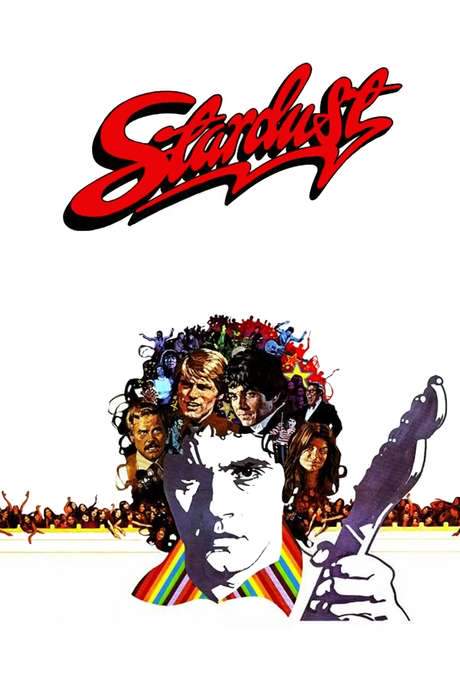
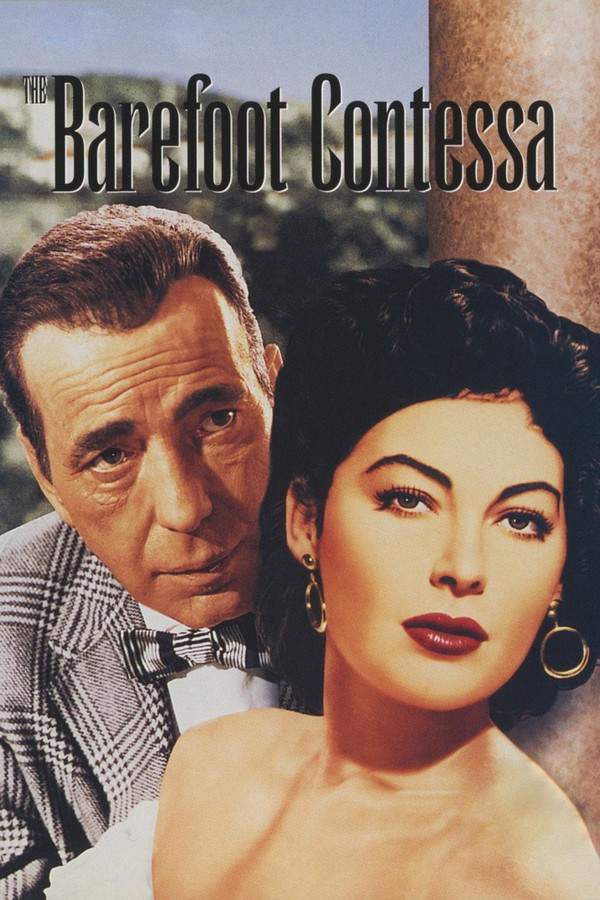
Melancholic tragedy movies with impossible choices like The Red Shoes

Emotionally heavy dramas where a fateful decision leads to a heartbreaking conclusion. Discover movies similar to The Red Shoes that explore the heartbreak of impossible choices. These melancholic dramas feature characters torn between powerful forces—like love and duty, or passion and safety—whose decisions lead to a bleak and emotionally heavy conclusion. If you appreciated the tragic, fated feel of The Red Shoes, this collection is for you.

  • tragic
  • melancholic
  • fated
  • dramatic
  • heartbreaking
  • oppressive
  • Tone: melancholic, bleak, dramatic
  • Pacing: steady, fateful build
Why these movies?

The story pattern: The narrative pattern involves a central dilemma that divides the protagonist's loyalties or desires. The story methodically escalates the stakes of this choice, creating an oppressive atmosphere of impending doom. The climax is not about winning or losing, but about the devastating consequences of a decision that offers no true happy outcome, emphasizing the tragic nature of the conflict.

Why they belong together: These films are united by their shared emotional journey: a steady build of tension around a central dilemma, a overwhelmingly melancholic atmosphere, and a conclusion that is bleak and emotionally weighty. The pacing is often steady, allowing the tragic gravity of the situation to fully sink in.

If you liked this

Movies Like The Red Shoes

Similar movies to The Red Shoes: the same genre, themes or kind of story. Each one comes with its own plot summary, timeline and ending explained.

Browse all movie summaries

Every angle

The Red Shoes (1948) Explained: Plot, Timeline & Characters

Everything about The Red Shoes in one place: what happens in the plot summary, the timeline in chronological order, the characters and meaning and a spoiler-free summary. What's After the Movie adds the cast, box office and post-credit scenes.

Coming soon on iOS and Android

The Plot Explained Movie Summary App

Plot summaries, endings explained and timelines on your phone. Catch up on any movie in minutes, save your favorites and never miss a twist again.

Be the first to know when we launch. Your email stays private, always.

Learn more about the app