Year: 1998
Runtime: 102 mins
Language: English
Director: Vadim Jean
A bitter, out‑of‑work detective‑novelist facing financial ruin, Howard Spitz spends his days mired in self‑pity until the exuberant eight‑year‑old Samantha bursts into his life. She sees a spark in him and convinces him he could actually succeed writing children’s books, sparking an unlikely, uplifting quest to reinvent himself.
Warning: spoilers below!
Haven’t seen The Real Howard Spitz yet? This summary contains major spoilers. Bookmark the page, watch the movie, and come back for the full breakdown. If you're ready, scroll on and relive the story!
Read the complete plot breakdown of The Real Howard Spitz (1998), including all key story events, major twists, and the ending explained in detail. Discover what really happened, and what it all means.
Howard Spitz is the author behind a string of poorly selling detective novels. He discovers that, in contrast, children’s books enjoy strong sales. Believing it an easy way to make money, Spitz becomes a children’s author with his new book character, a bovine detective named Crafty Cow, but finds writing for his new audience significantly difficult.
While researching at the local library, he submits his drafts to Samantha Kershaw, a perceptive little girl who polishes them up. In return, she asks Spitz to find her father, who left her mother before she was born. Spitz also discovers that to become a successful children’s author he will need to do public appearances with his audience. Terrified at the prospect of spending time with children, Spitz hires a struggling actor to serve as his public face. But soon his doppelgänger is having delusions of grandeur, as his book becomes more and more successful.
Finally, at an awards ceremony, he confesses his identity, and finds that after spending so much time with Samantha—and after all the help she’s given him—he feels more at ease around children.
Last updated: February 17, 2026 at 19:57
Explore frequently asked questions about The Real Howard Spitz (1998) with spoiler-rich answers covering the full plot summary, major story beats, character motivations, hidden details, and ending meaning. This movie summary FAQ helps explain confusing scenes, plot twists, and narrative decisions in clear, searchable detail.
Samantha sees potential in Howard that he doesn't see in himself. As a perceptive young reader, she recognizes that his detective storytelling skills could translate into engaging children's literature, and she genuinely enjoys the creative collaboration. Her motivation comes from wanting to help an adult who seems lost and unhappy, while also satisfying her own love of books and storytelling.
Howard agrees primarily because Samantha helped him improve his book drafts, creating a sense of reciprocal obligation. Additionally, as a former detective novelist, the investigation plays to his existing skills and gives his new career path a personal meaning beyond just making money. The quest gives him a tangible purpose beyond the mechanical task of writing children's books.
Howard is terrified of spending time with children and facing public audiences. He believes his gruff personality and discomfort around kids would hurt the family-friendly image needed to sell children's books. Hiring a doppelgänger seems like a practical solution to maintain his book's success without confronting his fear of crowds and children.
As Crafty Cow becomes increasingly successful, the doppelgänger begins believing he deserves the fame and recognition. The actor had been struggling professionally, so when audiences responded enthusiastically to his performance, he started to see himself as the true author rather than just a hired face. His delusions grow as the book's popularity and public attention increase.
Howard confesses because the lie has become unsustainable and conflicts with his growing genuine connection to Samantha and his changed perspective on children's literature. The awards ceremony forces a confrontation between his authentic self and the fictional persona he's maintained. He realizes that honesty matters more than the commercial success of maintaining the ruse.
Through his work with Samantha, Howard experiences genuine connection with a child who respects his abilities and needs his help. Her trust, creative collaboration, and personal request for help with finding her father force him to see children as individuals rather than intimidating crowds. The emotional investment in her well-being gradually replaces his fear with comfort and genuine affection.
Howard designs Crafty Cow as a bovine detective to leverage his existing detective novel writing experience while adapting to children's literature. The character represents a compromise between his professional background and his new audience, essentially applying his crime-story formula to a kid-friendly setting. This crossover reflects his initial belief that children's books would be an easy money-making extension of his existing skills.
Howard discovers that children's books sell significantly better than his detective novels, which have been commercially failing. Facing financial ruin, he views children's literature as a practical way to earn money quickly. The shift represents his desperation rather than a genuine passion for the genre, though this motivation evolves as he becomes invested in the work.
The doppelgänger's success creates tension because the actor begins overshadowing the real Howard, who feels increasingly disconnected from his own creation. The fictional success threatens Howard's sense of identity and authenticity as an author. The situation also becomes ethically complicated as the deception continues, especially as Howard develops genuine relationships with Samantha and his readers.
Howard initially assumes children's books require less effort than detective novels, but discovers that writing for young audiences demands different skills. He struggles with simplifying his storytelling, creating age-appropriate content, and capturing a child's perspective, skills his detective writing background didn't prepare him for. This difficulty forces him to seek help from Samantha, which becomes crucial to his character development.
Discover curated groups of movies connected by mood, themes, and story style. Browse collections built around emotion, atmosphere, and narrative focus to easily find films that match what you feel like watching right now.
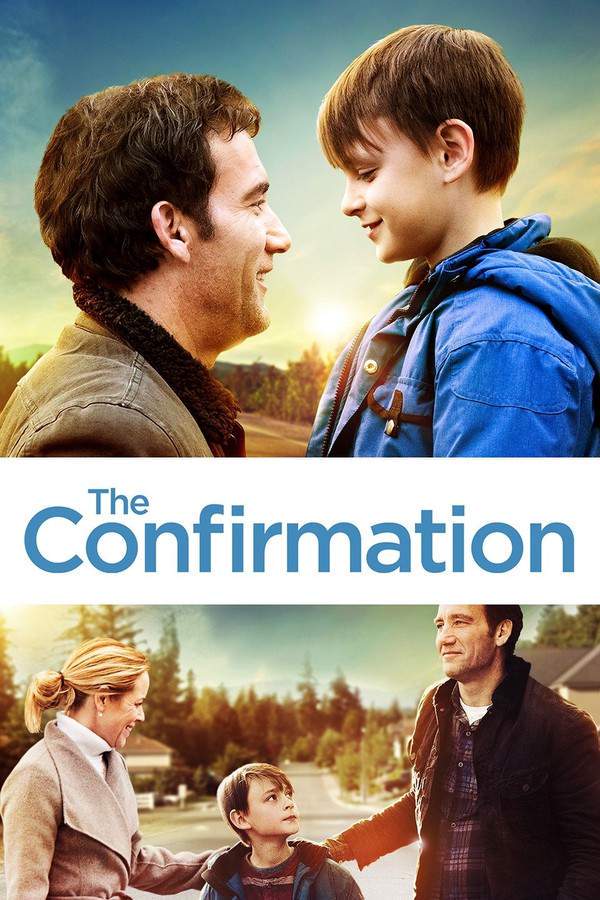
Where a child's optimism sparks a cynical adult's unexpected transformation.If you loved the heartwarming bond between Howard and Samantha in The Real Howard Spitz, you'll enjoy these movies about cynical adults whose lives are changed for the better by an unexpected friendship with a wise-beyond-their-years child.
The narrative follows a clear arc of personal redemption. A central adult character, often stuck in a rut of bitterness or failure, experiences a forced or chance encounter with a child. Through this relationship, they are guided away from their cynicism, learning to embrace vulnerability, creativity, and connection, leading to a positive resolution.
These films are grouped together because they share a core dynamic: the emotionally uplifting journey of a curmudgeonly adult who finds purpose and happiness through the uncomplicated honesty and enthusiasm of a child. The tone is consistently hopeful, focusing on positive change.
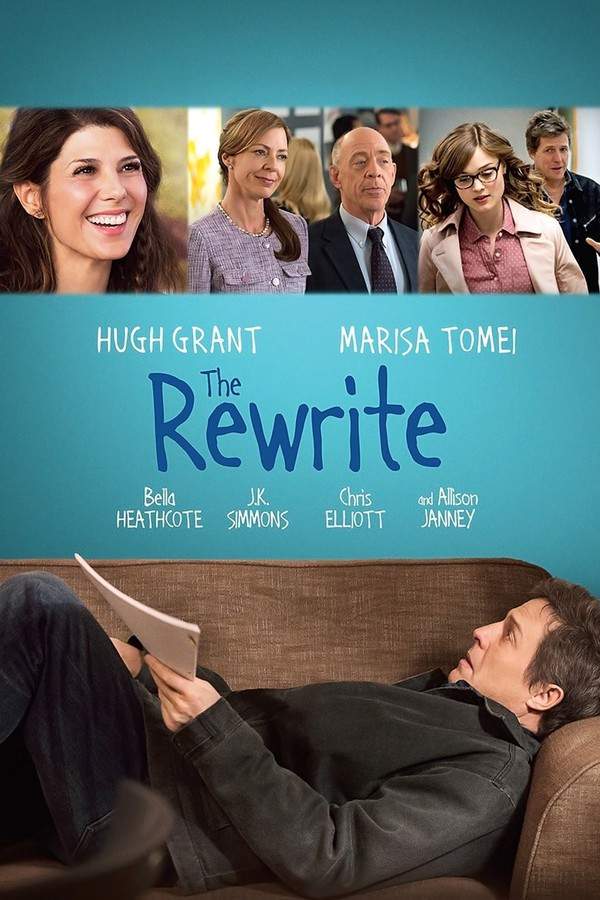
Characters hit rock bottom only to discover a new artistic calling.Fans of The Real Howard Spitz will appreciate these stories of characters reinventing themselves after hitting a wall. If you enjoy watching someone overcome creative block and find success in an unexpected field, these films offer a similarly uplifting and optimistic experience.
The plot revolves around a protagonist who has experienced failure or stagnation in their original creative field. Through a catalyst—be it a person, an event, or sheer necessity—they stumble upon a new form of expression. The story charts their journey from initial reluctance and imposter syndrome to eventual mastery and joy in their newfound craft.
This thread connects films that share a focus on the uplifting process of creative reinvention. They combine themes of artistic struggle with a hopeful, often humorous tone, resulting in a feel-good narrative about finding one's true calling in an unexpected place.
Don't stop at just watching - explore The Real Howard Spitz in full detail. From the complete plot summary and scene-by-scene timeline to character breakdowns, thematic analysis, and a deep dive into the ending - every page helps you truly understand what The Real Howard Spitz is all about. Plus, discover what's next after the movie.
Track the full timeline of The Real Howard Spitz with every major event arranged chronologically. Perfect for decoding non-linear storytelling, flashbacks, or parallel narratives with a clear scene-by-scene breakdown.
Discover the characters, locations, and core themes that shape The Real Howard Spitz. Get insights into symbolic elements, setting significance, and deeper narrative meaning - ideal for thematic analysis and movie breakdowns.