
The Rain Children
Year: 2003
Runtime: 90 mins
Language: French
Director: Philippe Leclerc
There is a world with two towns that are big enemies: Pyross and Hydross.
Warning: spoilers below!
Haven’t seen The Rain Children yet? This summary contains major spoilers. Bookmark the page, watch the movie, and come back for the full breakdown. If you're ready, scroll on and relive the story!
Timeline – The Rain Children (2003)
Trace every key event in The Rain Children (2003) with our detailed, chronological timeline. Perfect for unpacking nonlinear stories, spotting hidden connections, and understanding how each scene builds toward the film’s climax. Whether you're revisiting or decoding for the first time, this timeline gives you the full picture.
Last updated: February 20, 2026 at 18:44
The Rain Children (2003) Timeline Questions Answered – Chronology FAQ
Find frequently asked questions about the The Rain Children (2003) timeline, including chronological order, nonlinear jumps, cause-and-effect links, and scene sequence clarifications. This timeline FAQ helps explain when key events happen, how moments connect, and why the story unfolds in that specific order.
Why is rain deadly to the Pyross?
Rain is deadly to the Pyross because their bodies are adapted to the scorching desert environment. Their red skin and muscular builds have evolved to survive extreme heat, but the water from rain burns their flesh like acid. This vulnerability forces them to seal themselves inside their stone city during the rainy season, where they remain trapped until the storms pass.
The deadly nature of rain is established early, explaining why the Pyross live in constant fear of the wet season.
Why do the Hydross turn to stone statues in summer?
The Hydross turn into stone statues during summer because they depend entirely on water for survival. When the dry season arrives and water becomes scarce, their bodies crystallize into stone forms. This makes them completely immobile and defenseless, which is why the Pyross exploit summer to launch raids and destroy as many Hydross statues as possible before the rains return.
This seasonal vulnerability is the reason the two peoples have been locked in their cycle of attack and counterattack for generations.
Why does touch burn between Pyross and Hydross?
When Pyross skin contacts Hydross skin, both parties experience immediate burning. This reaction is a fundamental incompatibility created by the Great Sundering, which split the world into fire and water realms. The burning barrier prevents any physical contact, making trust and reconciliation nearly impossible between the two peoples.
The burning touch is first mentioned as part of the world's rules, showing how deeply the division runs.
What is the Great Sundering?
The Great Sundering is the catastrophic event that divided the world into two separate realms: the land of fire inhabited by the Pyross and the land of water home to the Hydross. This event created the harsh environmental conditions that force each people to survive in opposite climates, leading to their isolation and eventual enmity.
The Great Sundering is referenced as the origin of the world's current state, establishing why the two peoples know so little about each other.
How do Skan and Kallisto communicate without touching?
Skan and Kallisto meet at the border region in improbable circumstances and communicate through conversation while carefully maintaining distance. They exchange ideas about ending the eternal war and find common ground in their shared desire for peace. Their bond develops through repeated clandestine meetings where they talk instead of making physical contact.
Their first meeting at the border marks a pivotal shift in the narrative, showing that connection is possible even without touch.
What triggers the cycle of raids between Pyross and Hydross?
The cycle of raids is triggered by the opposite vulnerabilities of each people. When summer arrives and Hydross turn to stone, Pyross raiders cross into Hydross territory to destroy statues. This provokes retaliation and deepens the hatred between sides. When rainy season comes, Pyross become trapped in their city while Hydross can move freely and launch counterattacks. The alternating seasons ensure constant warfare.
The seasonal attacks are mentioned early, establishing the unbroken cycle that Skan and Kallisto hope to break.
What plan do Skan and Kallisto have for peace?
Skan and Kallisto seek a path to peace that respects both cultures without forcing one group to dominate the other. They search for a compromise that could end the eternal war, though the specifics of their plan require them to challenge the indoctrination of war on both sides. Their alliance faces disbelief from elders who consider their goal impossible.
Their shared dream of ending the war is established early, showing their commitment despite overwhelming odds.
Why are the elders opposed to Skan and Kallisto's peace efforts?
The elders on both sides oppose peace because their power and identity are built around the eternal conflict. Generations of war have created deep-seated prejudice and fear of the other people. The elders also worry that peace would threaten their control over their communities. Their opposition represents the cultural and political obstacles that make reconciliation so difficult.
The elders' resistance is foreshadowed when Skan and Kallisto's alliance draws attention from authorities who fear losing control.
What role do water dragons play in the conflict?
Water dragons are dangerous creatures that roam into Pyross territory during the rainy season. Because rain is deadly to the Pyross, they cannot venture outside to hunt or defend against these dragons while trapped in their stone city. The dragons add another layer of danger to the already perilous rainy season, reinforcing why the Pyross remain sealed inside.
Water dragons are mentioned as a threat during rainy season, showing the multiple dangers both peoples face.
Does the movie end with hope for peace?
The movie ends on a hopeful note rather than a definitive conclusion. Skan and Kallisto's efforts plant the seed of change, and their courage suggests that even ancient feuds can be challenged. The ending emphasizes that hope can emerge when young people dare to bridge divided worlds, though the future remains uncertain.
The note of possibility is consistent with the story's hopeful tone established throughout.

Explore Movie Threads
Discover curated groups of movies connected by mood, themes, and story style. Browse collections built around emotion, atmosphere, and narrative focus to easily find films that match what you feel like watching right now.
Movies about warring nations like The Rain Children
Stories of enemies forced to cooperate, threatening ancient hatreds.Find more movies like The Rain Children where characters from enemy factions must overcome prejudice and forge alliances. These animated adventures feature tense world-building and a steady pace exploring themes of cultural conflict and hope for peace.

A Foreign Affair
2004

Game of Aces
2016

Black Gold
2011

Treasure Guards
2011

Elcano & Magellan: The First Voyage Around the World
2019
The Rain Children
2003

20,000 Leagues Under the Sea
1985

Untamed
1955

Guns at Batasi
1964

Sea Devils
1953

King Richard and the Crusaders
1954

The Light in the Forest
1958

Prince of Foxes
1949

The Barbarian and the Geisha
1958

Pocahontas: The Legend
1995
Narrative Summary
Movies in this thread typically follow characters from two opposing societies—be they elemental, ethnic, or ideological—who defy their elders and societal norms to work together. Their journey is perilous, forcing them to confront deep-seated fears and the constant threat of violence from their own people, ultimately striving for a fragile peace.
Why These Movies?
These films are grouped by their central conflict of 'us vs. them' and the hopeful, yet tense, character journey that challenges it. They share a mythic quality, a medium intensity of peril, and a focus on overcoming prejudice through personal connection.
Movies with deadly environments like The Rain Children
Quests across treacherous landscapes where the world itself is hostile.If you liked the perilous world of The Rain Children, explore similar movies where survival depends on overcoming a hostile environment. These tense animated adventures feature epic journeys and themes of hope amid desolate landscapes.
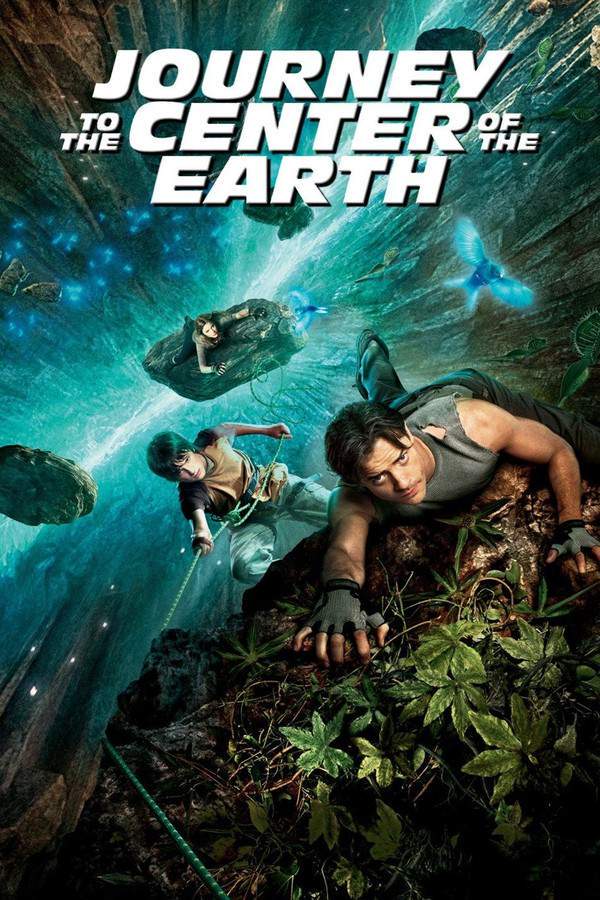
Journey to the Center of the Earth
2008
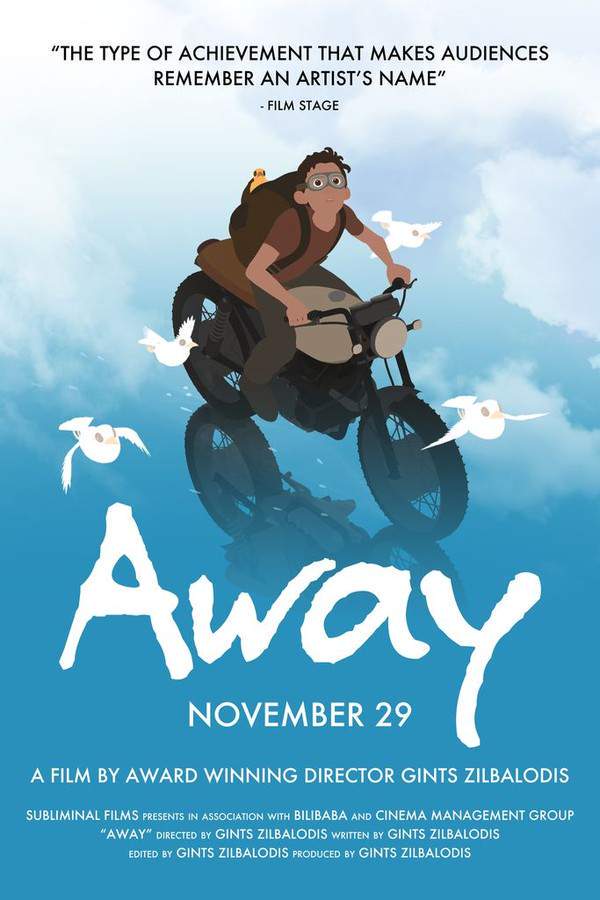
Away
2019

The Wild
2024

Mountains of the Moon
2013
The Rain Children
2003

Stone Age Warriors
1991

Warriors of the Apocalypse
1984

Duel in the Jungle
1954

Lure of the Wilderness
1952

Top of the World
1955

Walk Into Paradise
1956

Lost City Raiders
2008

Tintin and the Temple of the Sun
1969

Journey to the Center of the Earth
1993

King Solomon’s Mines
1950
Narrative Summary
The narrative revolves around a quest through a dangerous setting where natural forces—like deadly rain or petrifying heat—are constant threats. Characters must rely on courage, ingenuity, and newfound alliances to survive and complete their mission, making the environment a central antagonist.
Why These Movies?
These films are united by their use of a harsh, unforgiving world as a primary source of tension and conflict. They create a sense of epic scale and constant peril, blending adventure with survival themes and a thread of hope despite desolation.
Unlock the Full Story of The Rain Children
Don't stop at just watching - explore The Rain Children in full detail. From the complete plot summary and scene-by-scene timeline to character breakdowns, thematic analysis, and a deep dive into the ending - every page helps you truly understand what The Rain Children is all about. Plus, discover what's next after the movie.
The Rain Children Summary
Read a complete plot summary of The Rain Children, including all key story points, character arcs, and turning points. This in-depth recap is ideal for understanding the narrative structure or reviewing what happened in the movie.

Characters, Settings & Themes in The Rain Children
Discover the characters, locations, and core themes that shape The Rain Children. Get insights into symbolic elements, setting significance, and deeper narrative meaning - ideal for thematic analysis and movie breakdowns.


Similar Movies to The Rain Children
Discover movies like The Rain Children that share similar genres, themes, and storytelling elements. Whether you’re drawn to the atmosphere, character arcs, or plot structure, these curated recommendations will help you explore more films you’ll love.
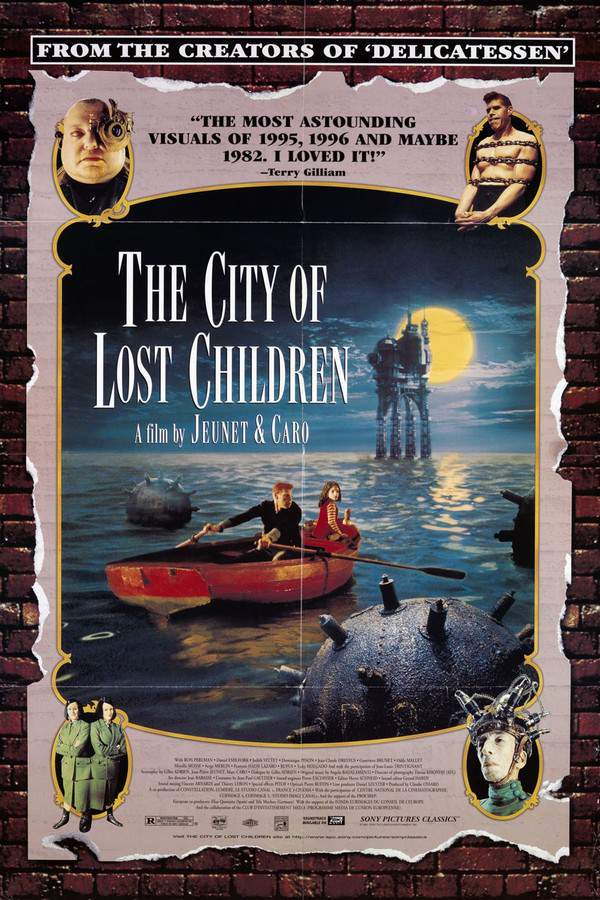
The City of Lost Children
1995
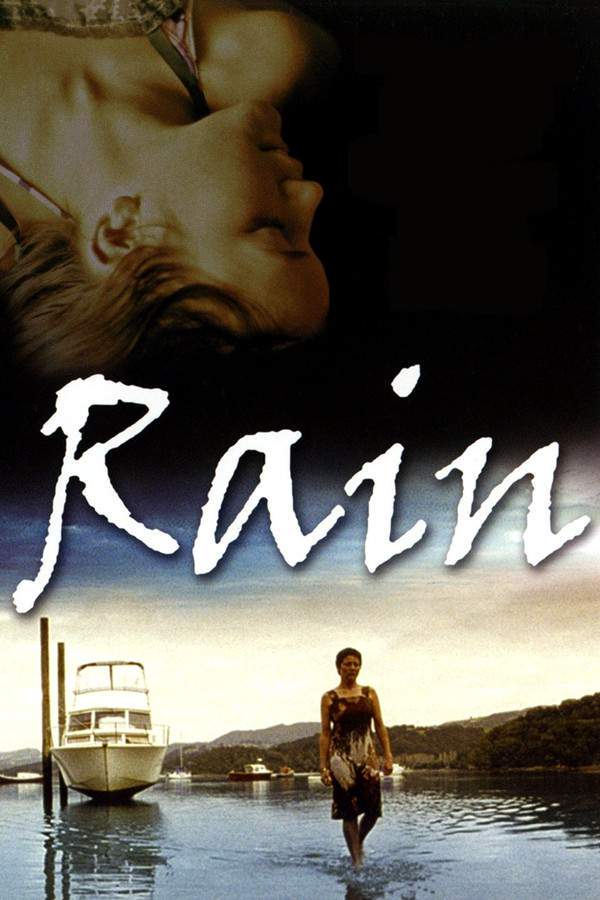
Rain
2002

Children of the Sea
2019

Sin in the Rain
2006

Raining Cats and Frogs
2003

Raining Fire
1988

After the Rain, on Thursday
1986

The Crossing
2021

Black Rainbow
2021

The Children
1945

The Rainmaker
1976

After the Rain
1999

The Rainbowmaker
2008

A Day of Sun and Rain
1968

Rainbow
1996
Explore More About Movie The Rain Children
The Rain Children (2003) Plot Summary & Movie Recap
The Rain Children (2003) Scene-by-Scene Movie Timeline
The Rain Children (2003) Spoiler-Free Summary & Key Flow
Movies Like The Rain Children – Similar Titles You’ll Enjoy
The City of Lost Children (1995) Full Movie Breakdown
Rain (2002) Complete Plot Breakdown
Children of the Sea (2019) Full Movie Breakdown
Sin in the Rain (2006) Film Overview & Timeline
Raining Cats and Frogs (2003) Film Overview & Timeline
Raining Fire (1988) Plot Summary & Ending Explained
After the Rain, on Thursday (1986) Ending Explained & Film Insights
The Crossing (2021) Full Movie Breakdown
Black Rainbow (2021) Movie Recap & Themes
The Children (1945) Story Summary & Characters
The Rainmaker (1976) Story Summary & Characters
After the Rain (1999) Story Summary & Characters
The Rainbowmaker (2008) Full Movie Breakdown
A Day of Sun and Rain (1968) Movie Recap & Themes
Rainbow (1996) Ending Explained & Film Insights