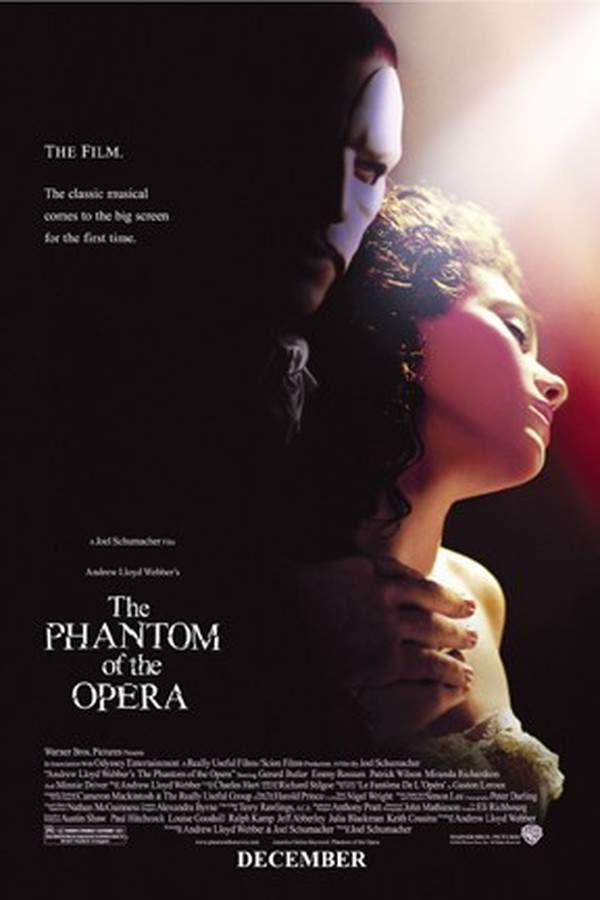
The Phantom of the Opera

The Phantom of the Opera

Year: 1000

Runtime: 171 mins

Language: English

Director: Tony Richardson

Drama

Count de Chagnie discovers Christine’s voice at a market and sends her to the Paris Opera. The new director dismisses the former manager, bars a woman from singing, and makes her a maid for his wife Charlotta. A phantom in the catacombs secretly helps Christine rise to fame. The NBC miniseries adapts Kopit’s musical loosely based on Leroux’s novel.

Warning: spoilers below!

Haven’t seen The Phantom of the Opera yet? This summary contains major spoilers. Bookmark the page, watch the movie, and come back for the full breakdown. If you're ready, scroll on and relive the story!

The Phantom of the Opera (1000) – Full Plot Summary & Ending Explained

Read the complete plot breakdown of The Phantom of the Opera (1000), including all key story events, major twists, and the ending explained in detail. Discover what really happened, and what it all means.

Christine Day, a young opera singer in modern-day Manhattan, searches for a distinctive piece to perform at her next audition. Her friend and manager Meg uncovers an old score, Don Juan Triumphant, penned by a mysterious composer named Erik Destler. Curious, Christine and Meg dig into Destler’s past and uncover whispers of murders and disappearances tied to a young soprano he was rumored to obsess over. When Christine studies the torn parchment on her own, a surge of red-tinged ink seems to bleed from the notes and across her hands, only to vanish as Meg returns. She later auditions with the piece, but a falling sandbag during the performance knocks her unconscious and shatters a mirror, leaving her shaken and silent.

She awakens in London in 1885, dressed in opera garb, with a mirrored, alternate version of Meg by her side. Christine discovers she is the understudy to the diva La Carlotta, a figure both jealous and resentful of Christine’s rising talent. Across the season, the enigmatic Erik Destler — who could be the notorious figure behind the rumor — lurks in the shadows, his presence felt as he strikes at danger from above, even wounding a scene-shifter named Joseph with a blade before blaming him for an accident that nearly harmed Christine. In her dressing room, Christine hears a voice that claims to be her teacher and an angel sent by her deceased father. Erik Destler counsels her to practice Carlotta’s part of Marguerite in Faust, insisting that only she can sing the role.

That evening, Carlotta discovers Joseph’s skinned (yet barely alive) body in her dressing closet, a horrific scene that makes her scream and lose her own voice. Christine is soon cast in Marguerite, a decision that agitates the opera-house owner Martin Barton, who values Carlotta’s prestige and reputation for drawing crowds. In a flashback-like moment, Destler remembers a time when he unknowingly sold his soul to the Devil in exchange for public adoration of his music; the Devil grants the wish but disfigures Destler’s face, telling him that only his music will be loved. Christine delivers a stellar performance that earns a standing ovation, and she celebrates with her fiancé Richard Dutton. She confesses to him about a shadowy “teacher,” though he grows mildly jealous and asks to meet this mysterious mentor, which Christine brushes off as nonsense.

Meanwhile, Destler seduces a prostitute and pays her to impersonate Christine for a night, a chilling reminder that his reach extends beyond the stage. The day after, a harsh review by famed critic E.A. Harrison surfaces in the papers, secretly orchestrated by Barton. Destler tracks down Harrison and brutally murders him in a Turkish spa after the critic refuses to recant. Christine mourns at her father’s grave, praying for guidance as Destler appears as a shadowy violinist and offers her a chance at musical immortality if she will join him. Against her better judgment, Christine accompanies him in his stagecoach, moving deeper into his hidden world.

In the labyrinthine sewers beneath London’s opera house, Destler reveals himself as the composer of Don Juan Triumphant, a trigger for Christine’s memory of the opening lines she sang at the start of the story. He places a ring on her finger and warns never to see another man, a threat that makes Christine tremble but also sparks a stubborn resolve. Richard seeks help from Inspector Hawkins, who reveals a chilling truth: the Phantom is Erik Destler, a man who has lived for decades, using the catacombs as a hideout and skimming his victims to cover his own grotesque face. The only rumored way to destroy him is to destroy his music.

At a masquerade ball, Destler — disguised as Red Death — decapitates Carlotta and abducts Christine, prompting a furious pursuit by Hawkins, Richard, and the rat catcher he has bribed. Back in the Phantom’s lair, Destler tries to rape Christine, but the approaching lawmen force him to retreat. He tells Christine this is “either a wedding march or a funeral mass. You decide which.” Richard and Hawkins burst in, and after a brutal struggle, Richard is wounded and killed, while Christine fights to escape. A desperate bid to end Destler’s reign culminates when Christine uses the lair’s candles to set the place ablaze, and a final shot from Hawkins shoots Destler, while Christine’s escape is sealed by a miracle of fire and smoke.

Christine awakens back in present-day Manhattan and meets the opera’s producer, Mr. Foster, who appears to be Destler in disguise. Foster unveils his true identity and moves to win Christine with a kiss, while Christine discovers a copy of Don Juan Triumphant’s score. In a tense confrontation, she tears away his mask, stabs him, and escapes with the music, letting his life’s work fall into a drain. As she walks the city streets, a street violinist begins to play the Don Juan Triumphant theme. Christine pauses to listen, then steels herself and resumes her journey, wary but determined that Destler’s shadow may still linger, even as she walks on.

Last updated: December 10, 2025 at 12:33

Was this helpful?

The Phantom of the Opera (1000) Plot Questions Answered – Summary FAQ

Explore frequently asked questions about The Phantom of the Opera (1000) with spoiler-rich answers covering the full plot summary, major story beats, character motivations, hidden details, and ending meaning. This movie summary FAQ helps explain confusing scenes, plot twists, and narrative decisions in clear, searchable detail.

Q1

How does Christine get transported from present-day Manhattan to 1885 London?

A.

Christine is transported to 1885 after studying the Don Juan Triumphant score. When she touches the torn parchment during her audition, she experiences a vision of red-tinged ink bleeding from the notes, and this moment triggers her sudden shift to the past. The mechanism appears tied to the supernatural properties of Destler's music and score, which serve as a bridge between time periods.

time traveldon juan triumphantsupernatural1885 londonmanhattan
Q2

Who is Erik Destler and why is he called the Phantom?

A.

Erik Destler is a composer who made a Faustian bargain decades ago, selling his soul to the Devil in exchange for public adoration of his music. The Devil granted his wish but disfigured his face, telling him that only his music would be loved. He lives in the catacombs beneath the London opera house, emerging in disguise to manipulate events and pursue the singers he becomes obsessed with, earning him the nickname the Phantom.

erik destlerphantomfaustian bargaindisfigurementcomposer
Q3

Why does Erik Destler specifically target Christine?

A.

Destler targets Christine because she discovers and performs his composition Don Juan Triumphant, which he wrote for a young soprano he was rumored to have obsessed over in the past. He sees her as the vessel to fulfill his musical legacy and immortality. Through the supernatural connection of the score, he draws her into his world and attempts to make her his muse and companion.

christine dayobsessiondon juan triumphanttargetmuse
Q4

What happens to La Carlotta in the story?

A.

La Carlotta, the reigning diva, discovers the skinned but barely alive body of scene-shifter Joseph in her dressing closet. The horrific sight causes her to scream and lose her voice permanently. Later, during the masquerade ball, the Phantom appears as Red Death, decapitates Carlotta, and abducts Christine, eliminating his rival entirely.

la carlottadivadecapitationmurderrival
Q5

Why does Destler murder the music critic E.A. Harrison?

A.

Destler murders critic E.A. Harrison because Harrison publishes a harsh review of Christine's performance. While the negative review was actually orchestrated by opera house owner Martin Barton to undermine Christine, Destler sees it as a threat to his musical vision. He tracks Harrison to a Turkish spa and kills him when the critic refuses to recant his review.

e a harrisonmusic criticmurderturkish sparevenge
Q6

Does Richard Dutton survive in the story?

A.

No, Richard Dutton does not survive. He and Inspector Hawkins pursue the Phantom into his lair. During the brutal confrontation, Destler wounds Richard and sets him aflame. Richard is killed in the Phantom's underground lair while trying to rescue Christine.

richard duttondeathphantom's lairkilledrescue attempt
Q7

What is Don Juan Triumphant and why is it important?

A.

Don Juan Triumphant is the score composed by Erik Destler, representing his masterwork and the fruit of his Faustian bargain. The composition holds supernatural power, capable of transporting Christine through time. It serves as both the narrative trigger for the entire story and the means by which Destler attempts to achieve musical immortality through Christine.

don juan triumphantscorecompositionmusicimmortality
Q8

How does Christine defeat Destler in the Phantom's lair?

A.

In the Phantom's lair, Christine uses the candles from the lair to set the entire underground hideout ablaze as the authorities close in. During the chaos, Destler is shot by Inspector Hawkins. Christine then tears away his mask, stabs him, and escapes with the Don Juan Triumphant score, destroying it by dropping it into a drain.

fireescapemaskstabbinglair destruction
Q9

Is Erik Destler really dead at the end of the movie?

A.

The ending leaves Destler's fate ambiguous. After Christine stabs him and escapes, she awakens back in present-day Manhattan where she encounters Mr. Foster, the opera producer, who is revealed to be Destler in disguise. This twist suggests Destler may have survived or regenerated, potentially using his knowledge of the stage and identity to reenter Christine's life.

mr fosterdisguisesurvivetwist endingambiguous fate
Q10

What does the final scene with the street violinist signify?

A.

In the closing scene, Christine passes a street violinist playing the Don Juan Triumphant theme. She pauses to listen, then steeled herself and resumes walking. This moment suggests that despite physically destroying the score, Destler's musical influence and legacy persist. The haunting melody represents the lasting power of his music and the unresolved threat he may still pose.

street violinistendingdon juan triumphant themelegacyunresolved threat
Q11

What is the significance of the bleeding ink vision during Christine's audition?

A.

When Christine studies the Don Juan Triumphant parchment, she sees red-tinged ink bleeding from the notes and across her hands. This supernatural vision foreshadows the violence and deaths connected to Destler's music. The vision later vanishes when Meg returns, suggesting it was a spectral message or warning tied to the score's dark power.

bleeding inkvisionsupernatural warningparchmentaudition accident
Mobile App Preview

Coming soon on iOS and Android

The Plot Explained Mobile App

From blockbusters to hidden gems - dive into movie stories anytime, anywhere. Save your favorites, discover plots faster, and never miss a twist again.

Sign up to be the first to know when we launch. Your email stays private, always.

Explore Movie Threads

Discover curated groups of movies connected by mood, themes, and story style. Browse collections built around emotion, atmosphere, and narrative focus to easily find films that match what you feel like watching right now.

Gothic Horror Tales of Obsessive Love like The Phantom of the Opera

Dark romances where love turns into a haunting, dangerous fixation.If you liked the dark romantic obsession in The Phantom of the Opera, explore more movies with similar themes. This thread features stories of dangerous fixations, gothic settings, and haunting relationships that blur the line between love and terror.

gothicobsessivemelancholichauntingdramaticfatalisticromantictense

Narrative Summary

The narrative typically centers on a powerful, obsessive figure who becomes fixated on an object of their desire, often an artist or ingenue. This obsession fuels a story of manipulation, pursuit, and psychological torment, set against a backdrop of decaying grandeur and supernatural elements, leading to a climactic and often tragic confrontation.

Why These Movies?

Movies are grouped here based on their shared core of destructive, obsessive love set within a gothic horror framework. They create a similar viewing experience of dark romance, high emotional stakes, and a pervasive sense of dread and fatalism.

Movies about Artistic Ambition and Faustian Bargains like The Phantom of the Opera

Stories where talent is nurtured by a dark, manipulative force.Fans of The Phantom of the Opera's theme of a gifted performer guided by a dark patron will find similar stories here. Discover movies about dangerous mentors, supernatural deals for talent, and the heavy cost of artistic ambition.

psychologicaltensedramatichauntingambitioussupernaturalfatalisticgothic

Narrative Summary

The plot follows an artist's rapid ascent, which is secretly engineered by a powerful but dangerous benefactor. This mentor figure, often hiding a tragic secret or supernatural nature, demands a high price for their tutelage, leading to a conflict between the artist's desire for fame and the cost of their soul or freedom.

Why These Movies?

These films share a core narrative pattern of a Faustian bargain for artistic success. They are united by themes of ambition, manipulation, the dark side of mentorship, and the psychological horror of being controlled by the very force that enables one's talent.

Unlock the Full Story of The Phantom of the Opera

Don't stop at just watching - explore The Phantom of the Opera in full detail. From the complete plot summary and scene-by-scene timeline to character breakdowns, thematic analysis, and a deep dive into the ending - every page helps you truly understand what The Phantom of the Opera is all about. Plus, discover what's next after the movie.

The Phantom of the Opera Timeline

Track the full timeline of The Phantom of the Opera with every major event arranged chronologically. Perfect for decoding non-linear storytelling, flashbacks, or parallel narratives with a clear scene-by-scene breakdown.

The Phantom of the Opera Timeline

Characters, Settings & Themes in The Phantom of the Opera

Discover the characters, locations, and core themes that shape The Phantom of the Opera. Get insights into symbolic elements, setting significance, and deeper narrative meaning - ideal for thematic analysis and movie breakdowns.

Characters, Settings & Themes in The Phantom of the Opera

The Phantom of the Opera Spoiler-Free Summary

Get a quick, spoiler-free overview of The Phantom of the Opera that covers the main plot points and key details without revealing any major twists or spoilers. Perfect for those who want to know what to expect before diving in.

The Phantom of the Opera Spoiler-Free Summary

More About The Phantom of the Opera

Visit What's After the Movie to explore more about The Phantom of the Opera: box office results, cast and crew info, production details, post-credit scenes, and external links - all in one place for movie fans and researchers.

More About The Phantom of the Opera