Plot Explained Spoilers guaranteed!
Plot Explained

Browse by genre

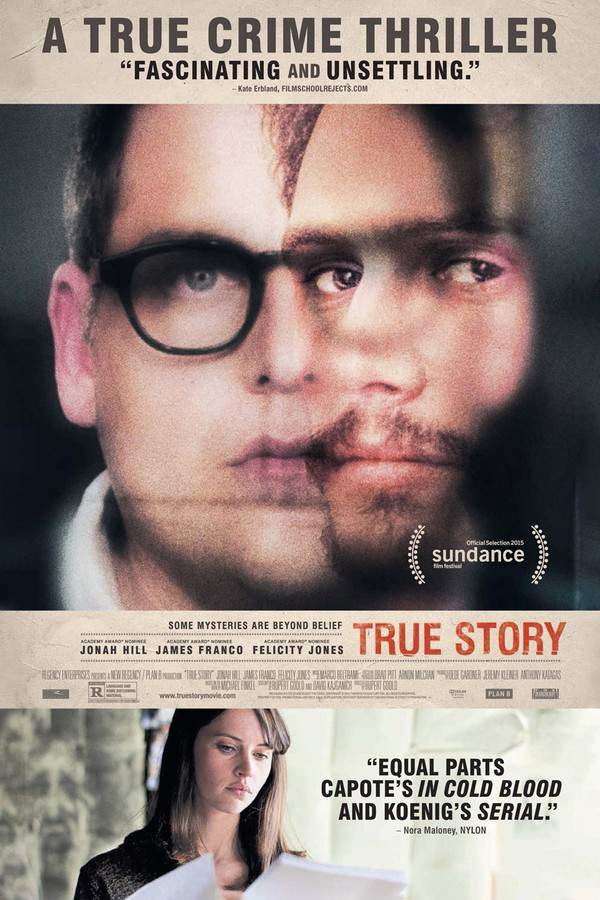
The Pastor’s Wife (2011) movie poster

Plot Summary

The Pastor’s Wife (2011) Plot Summary Explained

Release, runtime and language
2011 · 87 mins · English
Loading streaming availability…
Directed by
Norma Bailey
Starring
Lisa Durupt, Dolores Drake, Eric Keenleyside, Jeremy Raymond, Rose McGowan, Kathryn Kirkpatrick

Based on the true 2006 murder of beloved Selmer, Tennessee minister Matthew Winkler, who was found shot in his home while his wife Mary and their young daughters were missing. Police quickly identified Mary as the prime suspect, leading to her arrest. The community wondered why she would kill her husband in his sleep, and the subsequent trial exposed the hidden turmoil within the seemingly perfect family.

On this page (5)
  1. 1 Where to watch
  2. 2 What happens: full plot
  3. 3 Plot questions answered
  4. 4 Movie threads
  5. 5 Every angle
Loading streaming availability…

Full plot summary · contains spoilers

What Happens in The Pastor’s Wife: Full Plot Summary

The whole story of The Pastor’s Wife (2011) explained, from the opening scene to the final frame: every key event, every twist and what it all adds up to. Read it as a quick recap before the sequel, to check a scene you missed, or to finally understand what really happened.

Mary Winkler is a housewife and mother of three, married to Matthew Winkler, a pastor admired by many in his community for his warmth and his views about family values. To many in town, the Winklers are seen as the perfect family, with Matthew as a loving husband and Mary as a dutiful wife and mother. Early one morning, a shotgun blast shatters the Winkler home. Mary takes the children and drives away, and the town wonders what happened to their father. Neighbors search the home that night and discover Matthew dead in a bedroom with a shotgun wound; an Amber Alert is issued to locate the family. A patrol car eventually finds Mary and the children, and a shotgun is found in the car. Mary is taken into custody and, at the station, admits she may have shot her husband, shocking the community and her parents-in-law.

Mary reveals that Matthew, despite the gentle pastor image, was abusive—physically and emotionally—whenever she did something that angered him. She had kept silent, bound by her religious beliefs, but he threatened to hurt or kill her to keep her quiet. He also tried to manipulate the family's finances by pressuring her to place lottery winnings into an account under her name to pay bills, calling it her problem when questioned. On the night before a bank meeting, Mary tells him about the account, but he shows no intention of joining her to the bank. Mary withholds further details, but when she learns her parents-in-law had not shared her letters about the abuse with their daughters, including [Hannah Winkler], the eldest, she decides to speak more openly in court.

Mary describes Matthew as a hypocrite who forced her to dress up for sex and forced her to watch online pornography so they could reenact it, even when she did not want to participate. The years of abuse and financial stress push her toward a breaking point, and hours before his death, a moment where he tried to suffocate their baby daughter becomes the last straw. She says she grabbed the shotgun and aimed at his sleeping form to confront him about stopping the abuse, but slipped on a slippery rug and accidentally fired. Realizing what she had done, she fled with her daughters to protect them. She insists she did not intend to kill him and still loves him, hoping to stop the mistreatment.

The trial is interwoven with interviews from people who knew the Winklers—neighbors, friends, and family—revealing a community split: some refuse to believe Matthew was abusive and insist Mary is guilty, while others insist he was abusive and Mary acted in self-defense. Even Matthew's parents weigh in, with his mother doubting Mary's account, while his father acknowledges abuse but suspects Mary killed him intentionally for revenge, though he says he might forgive if she tells the truth.

In the end, the jury renders a nuanced verdict: not guilty of murder but guilty of involuntary manslaughter, a decision celebrated by supporters who believed she deserved a chance to move on. The film leaves viewers weighing the complexities of abuse, faith, secrecy, and the realities of domestic violence within a tight-knit community.

Last updated: October 09, 2025 at 16:06

Was this helpful?

Plot questions answered

The Pastor’s Wife Plot Explained: Your Questions Answered

The questions people ask most about The Pastor’s Wife (2011): what happens in the confusing scenes, why the characters do what they do, the twists, hidden details and what the ending means. Each answer contains spoilers.

Q1

Why did Mary Winkler kill her husband?

Mary Winkler shot her husband Matthew after years of physical, emotional, and sexual abuse. She also faced financial manipulation when Matthew pressured her to place lottery winnings into an account under her name to pay bills, calling it her problem. The final trigger came when he tried to suffocate their infant daughter the night before the shooting.

Foreshadowing: Earlier scenes show Matthew's controlling behavior and the couple arguing about finances, hinting at the deeper dysfunction.

  • mary winkler
  • matthew winkler
  • domestic abuse
  • murder
  • motivations
Q2

How did the shooting happen?

Mary grabbed the shotgun to confront Matthew about stopping the abuse while he was sleeping. She aimed at his sleeping form but slipped on a slippery rug, which caused the gun to fire accidentally. She insisted she did not intend to kill him and only wanted to confront him.

Foreshadowing: The tense conversation the night before about the bank meeting and the abuse sets up the confrontation.

  • shotgun
  • accidental shooting
  • confrontation
  • sleeping
Q3

What kind of abuse did Mary Winkler experience?

Mary described years of physical and emotional abuse from Matthew. She said he forced her to dress up for sex and forced her to watch online pornography so they could reenact it, even when she didn't want to participate. Matthew also threatened to hurt or kill her to keep her silent about the abuse.

Foreshadowing: The perfect family facade presented in early scenes contrasts sharply with these revelations.

  • physical abuse
  • emotional abuse
  • sexual abuse
  • pastor
  • hypocrisy
Q4

What was the lottery winnings issue in the marriage?

Matthew pressured Mary to place lottery winnings into a bank account under her name to pay family bills. When questioned about it, he called it her problem. On the night before a bank meeting about the account, Mary told Matthew about the issue, but he showed no intention of joining her to the bank, dismissing it as her problem.

Foreshadowing: Financial tension appears early when neighbors comment on the family's seemingly perfect life.

  • lottery
  • winnings
  • financial abuse
  • money
  • bills
Q5

What was the final trigger for Mary?

The final straw came hours before the murder when Matthew tried to suffocate their baby daughter. This incident, combined with years of abuse and financial stress, pushed Mary to confront him with the shotgun the next morning.

Foreshadowing: Earlier mentions of Mary protecting her children and the physical danger she feared set up this turning point.

  • baby daughter
  • suffocation
  • final straw
  • protecting children
Q6

Why was an Amber Alert issued for the family?

After neighbors discovered Matthew dead and found Mary and her three daughters missing, authorities issued an Amber Alert fearing abduction or danger to the family. Mary had fled with her daughters immediately after the shooting, and authorities needed to locate them quickly.

Foreshadowing: The chaos of Mary fleeing with the children right after the blast sets up the search.

  • amber alert
  • missing children
  • flee
  • manhunt
Q7

What did the verdict mean?

The jury found Mary not guilty of murder but guilty of involuntary manslaughter. This nuanced verdict meant they believed her account that the shooting was accidental, but still considered it criminally negligent. Supporters celebrated it as giving her a chance to move on while acknowledging the tragedy.

Foreshadowing: The trial reveals conflicting accounts from witnesses about whether Matthew was abusive and whether Mary acted in self-defense.

  • verdict
  • manslaughter
  • murder
  • trial
  • jury
Q8

Why was the community divided over the case?

The community was split between those who refused to believe Matthew was abusive and insisted Mary was guilty, and those who believed he was abusive and Mary acted in self-defense. Neighbors, friends, and family gave conflicting interviews, with some defending Matthew's character as a loving pastor while others spoke of the hidden abuse.

Foreshadowing: Early scenes show the town viewing the Winklers as the perfect family, making the revelations more shocking.

  • community divided
  • beliefs
  • neighbors
  • church
  • public opinion
Q9

Why did Matthew's parents react differently to the case?

Matthew's mother doubted Mary's account of abuse, while his father acknowledged the abuse occurred but suspected Mary killed Matthew intentionally for revenge. However, he said he might forgive her if she tells the truth. Their differing reactions reflected the broader community divide.

Foreshadowing: The in-laws appear early as supportive of the family, making their courtroom skepticism notable.

  • in-laws
  • parents
  • reaction
  • forgiveness
  • doubt
Q10

Why didn't Mary leave the marriage sooner?

Mary kept silent about the abuse due to her religious beliefs and fear. Matthew threatened to hurt or kill her if she told anyone. Additionally, she wanted to protect the family image and was financially dependent on him, making leaving extremely difficult.

Foreshadowing: The religious community's values and the perfect family facade are established in opening scenes.

  • religious beliefs
  • leaving
  • domestic violence
  • fear
  • secrecy

Movie threads

More Movies Like The Pastor’s Wife, by Mood & Story

Curated lists built around what makes The Pastor’s Wife tick: the same mood, the same kind of story or the same emotional payoff. Each list explains why these movies belong together.

True Crime Dramas Uncovering Family Secrets like The Pastor’s Wife

Based-on-a-true-story dramas that tear apart the facade of a perfect home. If you were gripped by the dark truths in The Pastor’s Wife, explore more movies like it. These true crime stories and legal dramas expose the disturbing secrets and domestic turmoil hidden behind closed doors, often based on shocking real events.

  • somber
  • gripping
  • unsettling
  • true story
  • investigative
  • devastating
  • Tone: dark, somber, unsettling
  • Pacing: steady, procedural
Why these movies?

The story pattern: The narrative typically begins with a crime that shatters a community's perception of a family or individual. Through a methodical investigation or trial, the story peels back layers of a seemingly normal life to reveal systematic abuse, coercion, or hypocrisy, forcing a re-evaluation of the victim and perpetrator.

Why they belong together: These movies are grouped together by their foundation in true events, their focus on domestic conflicts as the source of crime, and their sober, investigative tone. They share a heavy emotional weight and aim to expose uncomfortable truths about relationships and institutions.

Movies with Oppressive Small-Town Dread like The Pastor’s Wife

Stories where a pristine surface hides a festering, dark reality. For viewers who appreciated the tense, somber atmosphere of The Pastor’s Wife, this list features similar movies with a dark community vibe. Discover stories where the idyllic facade of a small town or close-knit group cracks under the weight of devastating secrets and moral conflict.

  • oppressive
  • tense
  • claustrophobic
  • small town
  • secrets
  • hypocrisy
  • Tone: tense, oppressive, introspective
  • Pacing: steady, slow burn
Why these movies?

The story pattern: These narratives often use a tight-knit community as a pressure cooker. A central incident—a crime, a scandal, or a death—acts as a catalyst, causing long-suppressed tensions and secrets to bubble to the surface. The drama comes from the collision between public image and private torment, isolating characters within a world that demands conformity.

Why they belong together: They are united by a specific mood: a slow-building, oppressive dread generated by the contrast between a peaceful, orderly setting and the dark truths it contains. The pacing is often steady, focusing on the psychological impact of secrets on individuals and the collective.

Every angle

The Pastor’s Wife (2011) Explained: Plot, Timeline & Characters

Everything about The Pastor’s Wife in one place: what happens in the plot summary, the timeline in chronological order, the characters and meaning and a spoiler-free summary. What's After the Movie adds the cast, box office and post-credit scenes.

Coming soon on iOS and Android

The Plot Explained Movie Summary App

Plot summaries, endings explained and timelines on your phone. Catch up on any movie in minutes, save your favorites and never miss a twist again.

Be the first to know when we launch. Your email stays private, always.

Learn more about the app