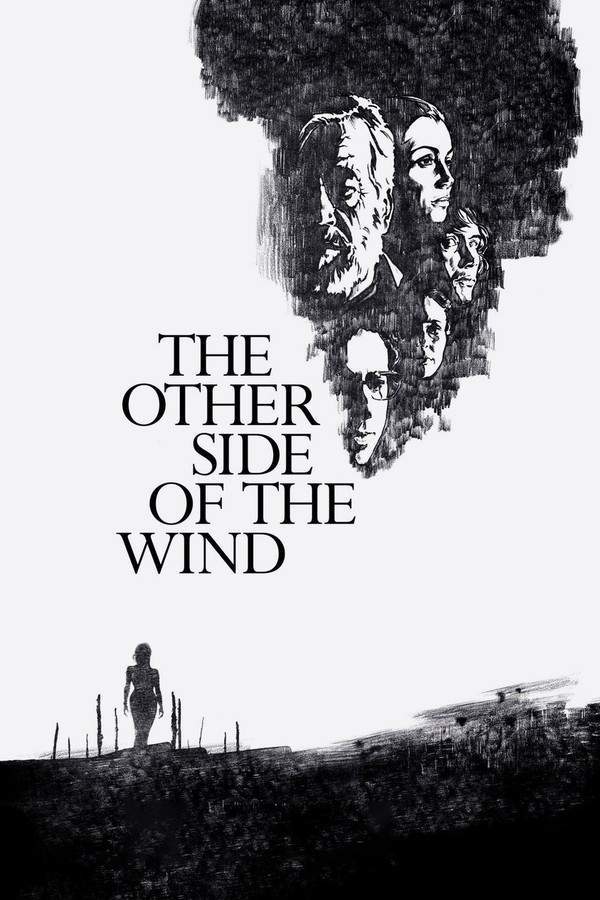
After years spent abroad, a visionary filmmaker returns to Hollywood to finish his most challenging and experimental work. "The Other Side of the Wind" is a film-within-a-film, chronicling a night of revelry and the filmmaker's provocative commentary on the industry and American culture. The project pushes cinematic boundaries and questions established norms, offering a unique and unconventional viewing experience.
Warning: spoilers below!
Haven’t seen The Other Side of the Wind yet? This summary contains major spoilers. Bookmark the page, watch the movie, and come back for the full breakdown. If you're ready, scroll on and relive the story!
Still thinking about how The Other Side of the Wind (2018) ended? Here’s a full breakdown of the ending, key final moments, major twists, and the deeper meaning behind the film’s conclusion.
The film concludes with Jake Hannaford driving away from the ranch after a chaotic and emotionally charged birthday party celebrating his latest project, which he fears may be his last. Throughout the story, we see Hannaford’s decline—his mounting financial troubles, his inability to finish his film, and his increasing alcohol consumption—all symbolizing his fading relevance and internal struggle. The ending is deliberately ambiguous: although it’s strongly hinted that Hannaford dies in a car accident shortly after driving off alone—supported by the opening scene that reveals his death—nothing is shown directly. The film leaves it open whether his death was accidental or a suicide, emphasizing that the specifics of his demise aren’t as important as the tragic downfall he’s experiencing.
This ambiguity mirrors the overarching themes of the movie, which reflect on the complexities of creative identity and the elusive nature of artistic success. The story explores Hannaford’s personal and professional disintegration, much like Orson Welles’ own struggles with Hollywood and aging as a filmmaker. The film-within-a-film, also titled The Other Side of the Wind, acts as a metaphor for exploring the ‘other side’ of Hollywood, truth, and perception, with Welles using avant-garde, disjointed storytelling techniques to underline the chaos and ambiguity of the creative process. In the end, Hannaford’s solitary drive symbolizes his final escape from a world that no longer values or understands him, leaving viewers with a haunting sense of decline, failure, and the elusive possibility of redemption. His fate remains unresolved, reinforcing the idea that life—and art—are often shrouded in mystery and ambiguity.
Last updated: June 25, 2025 at 08:57
Read frequently asked questions about the ending of The Other Side of the Wind (2018), including final-scene interpretation, twist explanations, character outcomes, and the deeper meaning behind the conclusion. This ending explained FAQ is designed for viewers searching for clear spoiler-heavy answers and ending breakdown insights.
Yes, Jake Hannaford dies shortly after driving away from the ranch. The opening scene of the film reveals his death, though the actual car accident is never shown on screen. The ending strongly implies he dies in a crash, but the film deliberately leaves the specifics ambiguous.
Earlier scenes show Hannaford's increasing alcohol consumption and emotional instability, building toward this tragic conclusion.
The film leaves this question unanswered, presenting both possibilities. His mounting financial troubles, inability to complete his film, fading relevance, and emotional state at the party suggest suicidal intent. However, the ambiguous ending allows for interpretation as a tragic accident, reflecting the film's central theme that certainty is elusive.
His dialogue throughout the party hints at despair and resignation, with lines suggesting he views this as his final chapter.
His solitary drive into the night symbolizes his final escape from a Hollywood that no longer values or understands him. It represents his retreat from a world that has moved past him, echoing themes of artistic isolation and the painful journey toward oblivion that many creators face when their time has passed.
Throughout the film, Hannaford is repeatedly shown as isolated from the changing industry and younger generations.
The film-within-a-film is finally screened for an audience, but the theater is nearly empty. This screening represents a twisted form of posthumous fulfillment, Hannaford completes his artistic statement, but to a indifferent world. The empty audience underscores his irrelevance despite his final artistic achievement.
The entire narrative builds toward this screening, which has been delayed and struggled throughout the story.
Hannaford leaves alone because he is emotionally devastated and sees no purpose in remaining. The party, meant to celebrate his latest project, has become a venue for his public humiliation and a reminder of his fading status. His departure reflects his complete withdrawal from a world that has rejected him.
Earlier party scenes show growing tension and diminishing respect from his guests.
The ambiguity reflects the film's core themes about the elusive nature of truth and artistic legacy. Welles uses this uncertainty to suggest that the specifics of Hannaford's demise matter less than the universal experience of creative and personal decline. The film argues that life and art are often shrouded in mystery, resisting simple explanations.
The entire narrative structure uses flashbacks and multiple perspectives, reinforcing that objective truth is unattainable.
Hannaford's story parallels Welles' own experience as a visionary filmmaker marginalized by Hollywood. Both characters struggle with aging, financial difficulties, creative control, and the industry's rejection of artistic vision in favor of commerce. The film serves as Welles' semi-autobiographical commentary on the American film industry.
Welles himself appears in the film, reinforcing the personal nature of this commentary.
The title refers to exploring the hidden, darker aspects of Hollywood, truth, and artistic perception. The film-within-a-film serves as a metaphor for delving into what lies beneath the glamorous surface of the industry, its illusions, compromises, and the personal destruction it can cause. It represents the unknown, final chapter of a creative life.
The film explicitly frames itself as an exploration of what remains unseen in the entertainment industry.
The ending is both. While Hannaford dies alone and largely unappreciated, his film is ultimately completed and screened, a final artistic statement achieved despite overwhelming obstacles. This creates a bittersweet effect: tragic in its human cost, yet fulfilling in artistic terms. It represents complex closure rather than simple failure or success.
The screening room scenes throughout the film build toward this ambiguous culmination.
Discover curated groups of movies connected by mood, themes, and story style. Browse collections built around emotion, atmosphere, and narrative focus to easily find films that match what you feel like watching right now.
Stories about creators confronting their legacy and fading relevance.If you were fascinated by the portrait of a visionary filmmaker in decline in 'The Other Side of the Wind', explore these other movies about artists confronting their legacy. These similar drama stories capture the heavy emotional weight and critical introspection of creators facing their twilight.
These narratives often follow a brilliant but past-their-prime creator who is struggling to complete one final, ambitious work. The journey is typically punctuated by flashbacks to past glories, critical scrutiny from the outside world, and a deep sense of disillusionment, culminating in a bittersweet or tragic resolution.
Movies in this thread share a focus on the psychological unraveling of a creative force, a melancholic tone, and a heavy emotional weight centered on themes of legacy, obsolescence, and the price of ambition.
Films that pull back the curtain on the illusions of filmmaking and fame.For viewers who enjoyed the inside look at Hollywood and its critiques in 'The Other Side of the Wind', this list gathers similar movies about filmmaking and fame. These experimental drama and comedy stories share a chaotic, disillusioned vibe and offer a critical view of the entertainment industry.
The narrative pattern often involves a non-linear or fragmented structure, such as a film-within-a-film, to mirror the theme of artifice. Characters grapple with the gap between public image and private reality, leading to chaotic situations and a profound sense of disillusionment with the industry they are a part of.
These films are grouped by their shared setting and thematic focus on critiquing the entertainment industry, their experimental or unconventional narrative structures, and a tone that blends chaotic energy with sharp disillusionment.
Don't stop at just watching - explore The Other Side of the Wind in full detail. From the complete plot summary and scene-by-scene timeline to character breakdowns, thematic analysis, and a deep dive into the ending - every page helps you truly understand what The Other Side of the Wind is all about. Plus, discover what's next after the movie.
Read a complete plot summary of The Other Side of the Wind, including all key story points, character arcs, and turning points. This in-depth recap is ideal for understanding the narrative structure or reviewing what happened in the movie.
Track the full timeline of The Other Side of the Wind with every major event arranged chronologically. Perfect for decoding non-linear storytelling, flashbacks, or parallel narratives with a clear scene-by-scene breakdown.
Discover the characters, locations, and core themes that shape The Other Side of the Wind. Get insights into symbolic elements, setting significance, and deeper narrative meaning - ideal for thematic analysis and movie breakdowns.
Discover movies like The Other Side of the Wind that share similar genres, themes, and storytelling elements. Whether you’re drawn to the atmosphere, character arcs, or plot structure, these curated recommendations will help you explore more films you’ll love.
The Other Side of the Wind (2018) Plot Summary & Movie Recap
The Other Side of the Wind (2018) Scene-by-Scene Movie Timeline
The Other Side of the Wind (2018) Movie Characters, Themes & Settings
The Other Side of the Wind (2018) Spoiler-Free Summary & Key Flow
Movies Like The Other Side of the Wind – Similar Titles You’ll Enjoy
Boogie Nights (1997) Full Summary & Key Details
They'll Love Me When I'm Dead (2018) Complete Plot Breakdown
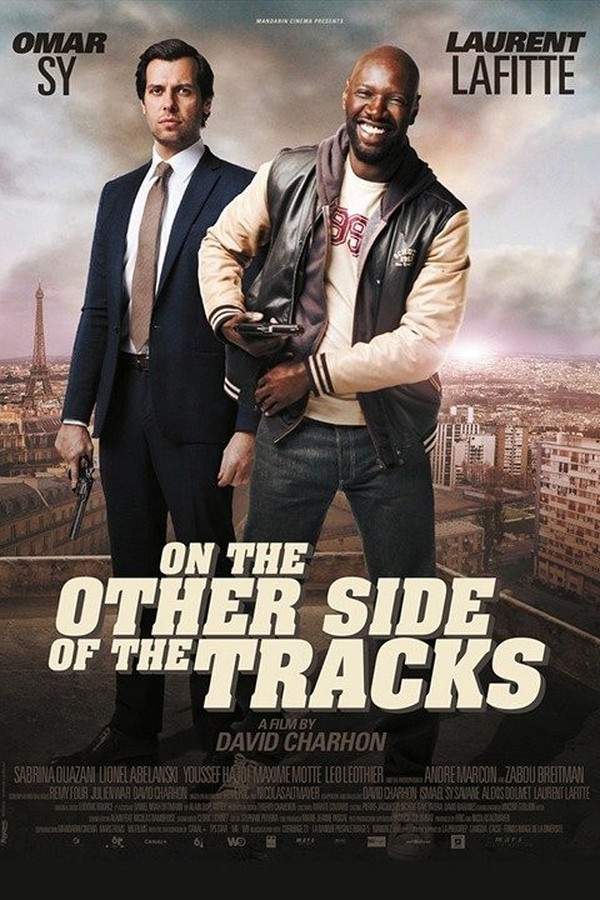
On the Other Side of the Tracks (2014) Story Summary & Characters
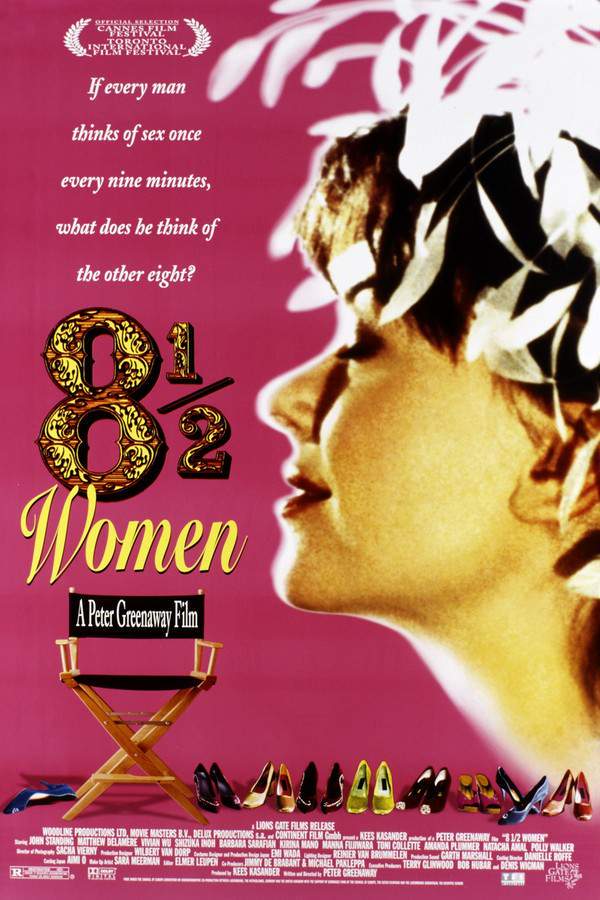
8 ½ Women (2000) Complete Plot Breakdown
Wild Side (2005) Complete Plot Breakdown
The Dying Gaul (2005) Spoiler-Packed Plot Recap
The Other Side of the Bed (2003) Plot Summary & Ending Explained
The Comedy (2012) Full Movie Breakdown
Other People's Children (2015) Full Movie Breakdown
I Am the Other Woman (2006) Complete Plot Breakdown
Wind from Wyoming (1994) Film Overview & Timeline
The Other Christopher (1963) Full Summary & Key Details
Another Man (2008) Story Summary & Characters
The Auteur (2008) Full Movie Breakdown
The Other Way Around (2024) Film Overview & Timeline