
The Night Visitor
Year: 2015
Runtime: 91 mins
Language: English
A suburban couple seeking to repair their strained marriage hires a new age spiritualist for guidance. Her unconventional advice—to video record their family life continuously—reveals a disturbing secret: their son is communicating with an unseen entity who identifies himself as the Night Visitor. As they delve deeper into the recordings, they must confront the unsettling nature of this presence and its impact on their family.
Warning: spoilers below!
Haven’t seen The Night Visitor yet? This summary contains major spoilers. Bookmark the page, watch the movie, and come back for the full breakdown. If you're ready, scroll on and relive the story!
Timeline – The Night Visitor (2015)
Trace every key event in The Night Visitor (2015) with our detailed, chronological timeline. Perfect for unpacking nonlinear stories, spotting hidden connections, and understanding how each scene builds toward the film’s climax. Whether you're revisiting or decoding for the first time, this timeline gives you the full picture.
Last updated: October 03, 2025 at 06:46
The Night Visitor (2015) Timeline Questions Answered – Chronology FAQ
Find frequently asked questions about the The Night Visitor (2015) timeline, including chronological order, nonlinear jumps, cause-and-effect links, and scene sequence clarifications. This timeline FAQ helps explain when key events happen, how moments connect, and why the story unfolds in that specific order.
Why does Salem target his own sisters for revenge?
Salem holds his younger sisters Emmie and Ester responsible for his imprisonment. They testified against him during his trial for the farmhand's murder, and Ester's husband Dr. Anton Jenks was the one who accused Salem of the crime. Salem believes his family betrayed him by not believing his innocence and instead supporting the accusation that led to his confinement in the asylum.
Why does Salem kill Britt?
Britt was with Salem on the night the farmhand was murdered and could have provided him with a crucial alibi. However, she chose not to come forward to defend him, effectively abandoning him when he needed her testimony most. By eliminating her, Salem removes a potential witness who could have complicated his plan and also tightens his fabricated alibi.
How does Salem frame Anton for the murders?
Salem meticulously stages each murder to point toward Anton as the culprit. He kills Emmie and arranges the scene to make it appear Anton is responsible, leveraging the existing bad blood between them. Later, after killing Ester, Salem wipes the blood-smeared axe on Anton's clothes, deliberately echoing the original accusation that pinned the farmhand's murder on Salem, creating a deliberate parallel that implicates Anton.
Why does Anton eventually confess to the inspector?
Anton confesses because the weight of his deception becomes unbearable. He had accused Salem of the farmhand's murder knowing he was innocent, sending an innocent man to the asylum. As the inspector closes in and the lies unravel, Anton cannot sustain the guilt any longer and reveals his crime, admitting his role in framing Salem.
Why does Salem kill the barrister Mr. Clemens?
Mr. Clemens was the corrupt barrister who handled Salem's trial. He was complicit in the wrongful conviction, and Salem views him as part of the system that imprisoned him unjustly. Additionally, Clemens had collaborated with Anton during the trial, making him another person in Salem's eyes who contributed to his wrongful confinement.
What happens to Salem's alibi at the end of the movie?
Salem manages to race back to his cell in the asylum before the inspector arrives, narrowly maintaining his alibi that he was confined during the murders. However, at the final moment, his alibi unravels in an unexpected twist. The specific nature of this unraveling is left ambiguous, but it throws the final truth into question, leaving uncertainty about whether Salem will be exposed or if justice will truly be served.
Why does Anton insist he saw Salem at Emmie's murder scene?
Anton genuinely believes he saw Salem at the scene of Emmie's murder because Salem was actually there, he committed the crime. This sighting is what fuels Anton's insistence to the inspector, creating the central conflict. However, the inspector doubts this claim because he cannot fathom how someone could escape from the seemingly impenetrable fortress-like asylum.
How does Salem manage to escape from the fortress-like asylum?
Despite the asylum being described as a fortress with harsh confinement and barred walls, Salem executes a cold, determined escape into the dead of winter. The summary does not detail the specific method of his escape, emphasizing instead the psychological tension, the inspector himself cannot believe such an escape is possible, which initially makes him skeptical of Anton's claim that he saw Salem.
Why does Ester try to escape through the barn?
Ester attempts to flee through the barn after speaking with the inspector in a state of panic. Realizing that Salem has returned and is targeting the family, she desperately tries to escape. However, Salem anticipated this move, traps her in the barn, and kills her, eliminating another person he holds responsible for his imprisonment.
What was Salem originally accused of?
Salem was accused of murdering a farmhand, a crime he did not admit to committing. He pleaded insanity and was confined to the asylum for two years. The identity of the actual killer remains ambiguous, Anton later confesses to his crimes, suggesting Anton may have been responsible for the farmhand's death, which would explain why he framed Salem.

Explore Movie Threads
Discover curated groups of movies connected by mood, themes, and story style. Browse collections built around emotion, atmosphere, and narrative focus to easily find films that match what you feel like watching right now.
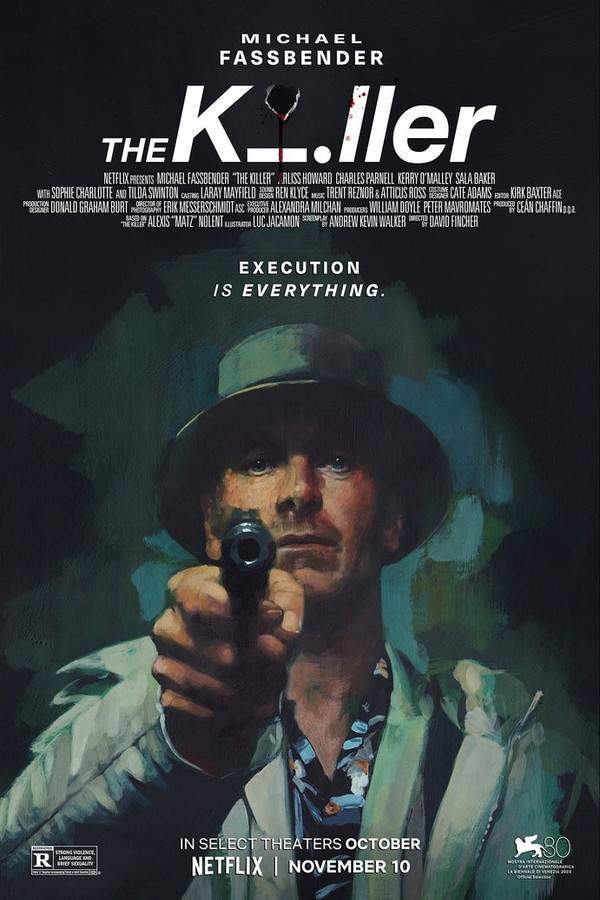
Methodical Revenge Thrillers like The Night Visitor
Calculated protagonists turn the tables on their corrupt accusers in cold, tense thrillers.For viewers who liked the cold, calculated revenge plot of The Night Visitor, this list features movies with similar stories of systematic retribution. Discover tense thrillers where protagonists meticulously turn the tables on their accusers, set against bleak and oppressive backdrops.










Narrative Summary
Narratives typically follow a wronged individual who escapes confinement—physical or psychological—and embarks on a linear, step-by-step plan for vengeance. The focus is on the methodical execution of the plan, which escalates stakes and paranoia in the antagonists, often leading to a tense cat-and-mouse dynamic with an investigator or authority figure.
Why These Movies?
These movies are grouped by their shared focus on a cold, calculated revenge arc, a bleak and oppressive tone, and a steady pacing that methodically builds tension. They explore heavy themes like injustice and psychological torment, creating a consistently intense and grim viewing experience.
Claustrophobic Family Horror like The Night Visitor
Families unravel as supernatural forces or psychological dread invade their domestic space.If you liked the domestic terror and psychological unraveling in The Night Visitor, this list features similar horror movies about families besieged by unseen entities. Find films where the home becomes a prison of fear, blurring the lines between supernatural threat and psychological breakdown.
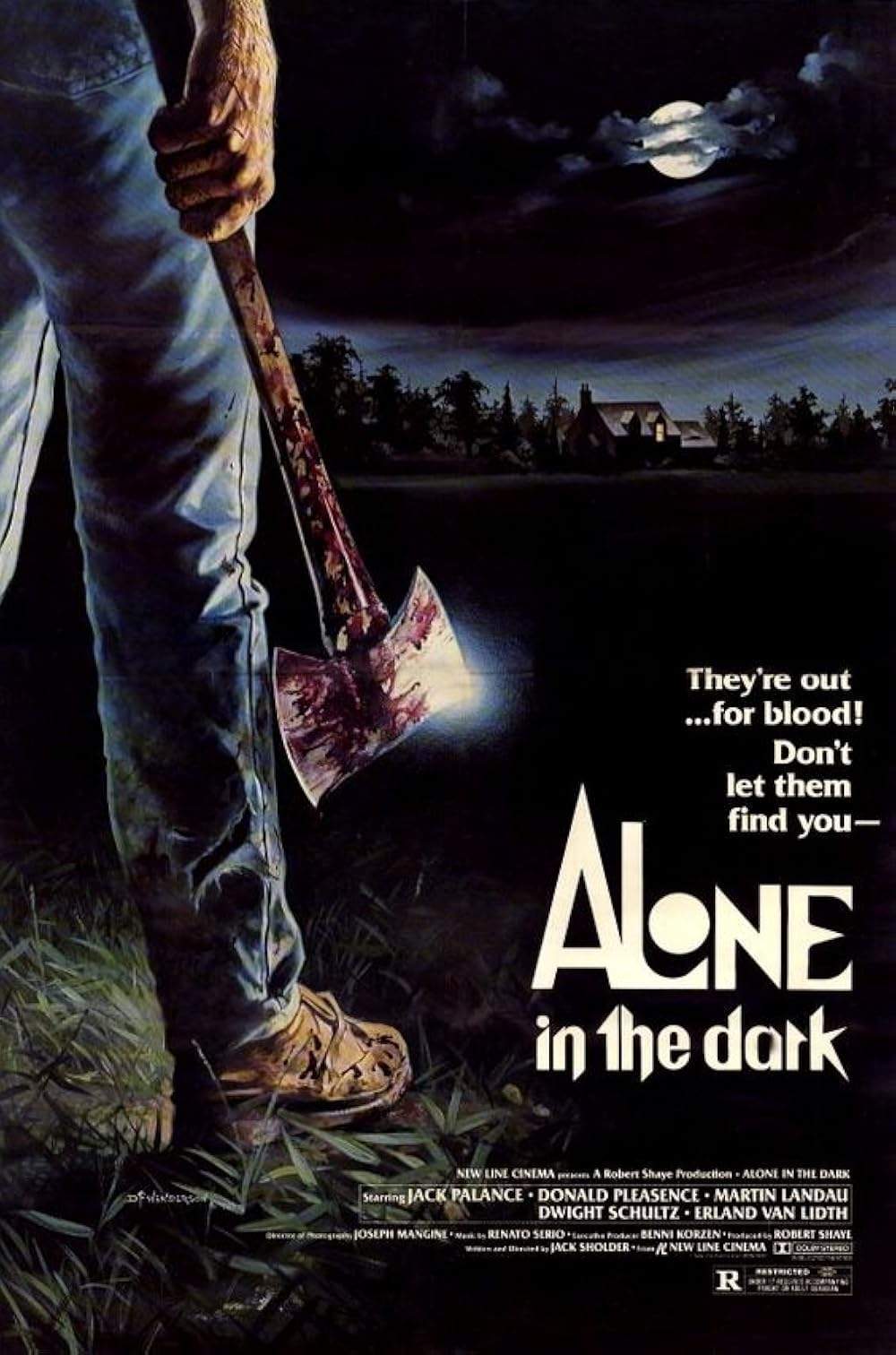
Alone in the Dark
1982

The Beast Within
2024
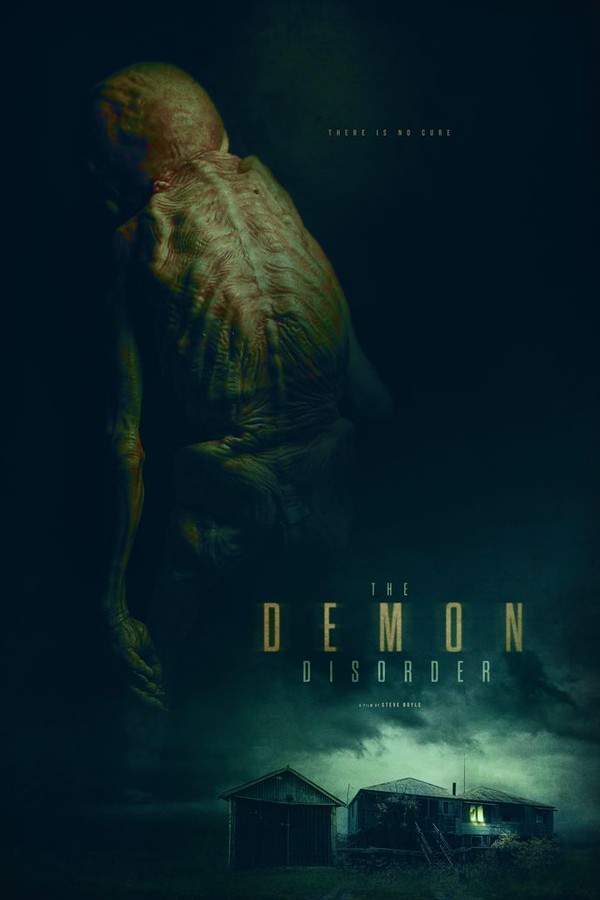
The Demon Disorder
2024

Control Freak
2025
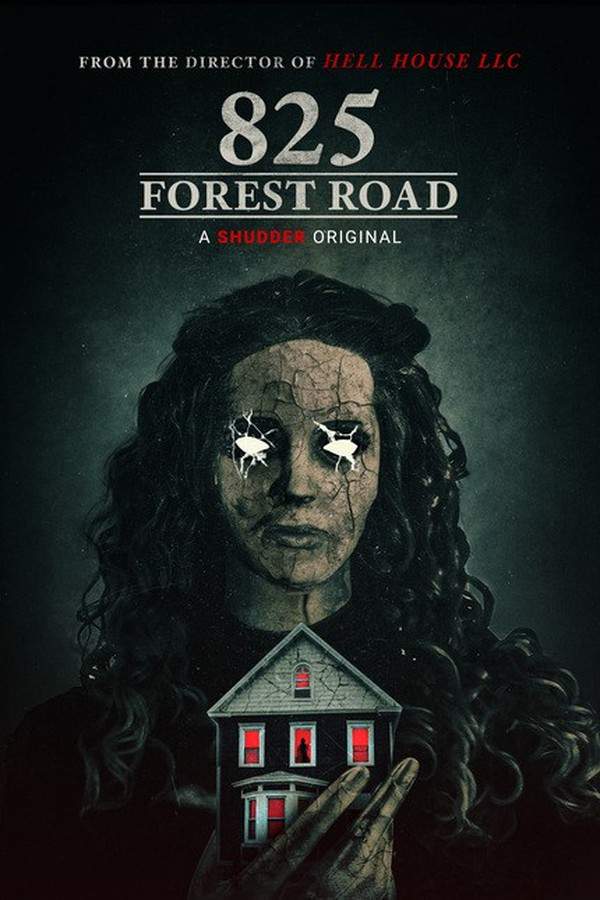
825 Forest Road
2025

Closed for the Season
2010

Christina’s House
2000
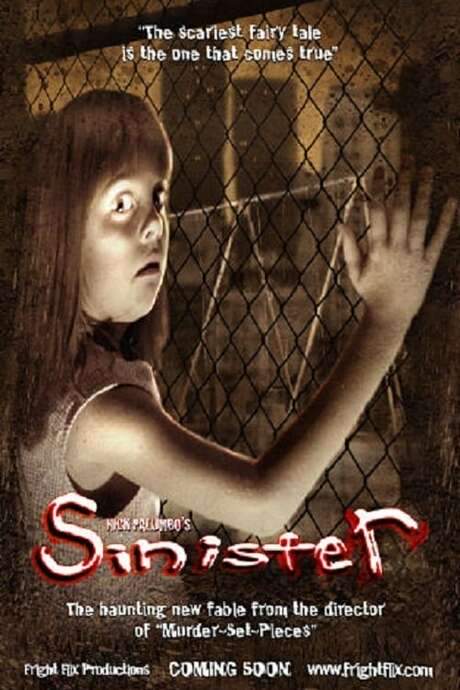
Sinister
2002

Fear of Clowns
2004

Return to House on Haunted Hill
2007
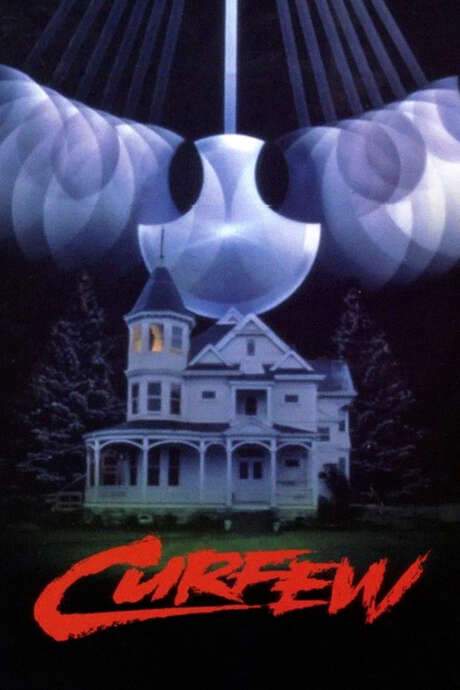
Curfew
1989

616 Wilford Lane
2021

Amityville: Dollhouse
1996

The 4th Floor
1999

A Reflection of Fear
1972
Narrative Summary
The narrative pattern involves a family, often already strained, who invite or discover a sinister presence in their home. The story unfolds through their growing realization of the threat, frequently documented through technology like recordings, leading to paranoia, gaslighting, and a confrontation with an ambiguous evil that challenges their perception of reality.
Why These Movies?
This thread groups movies that share a claustrophobic, home-bound setting, a focus on psychological torment within a family, and a chilling, oppressive mood. They utilize a steady pace to build dread and often feature ambiguous endings that leave the nature of the threat unsettlingly unclear.
Unlock the Full Story of The Night Visitor
Don't stop at just watching - explore The Night Visitor in full detail. From the complete plot summary and scene-by-scene timeline to character breakdowns, thematic analysis, and a deep dive into the ending - every page helps you truly understand what The Night Visitor is all about. Plus, discover what's next after the movie.
The Night Visitor Summary
Read a complete plot summary of The Night Visitor, including all key story points, character arcs, and turning points. This in-depth recap is ideal for understanding the narrative structure or reviewing what happened in the movie.

Characters, Settings & Themes in The Night Visitor
Discover the characters, locations, and core themes that shape The Night Visitor. Get insights into symbolic elements, setting significance, and deeper narrative meaning - ideal for thematic analysis and movie breakdowns.


