Plot Explained Spoilers guaranteed!
Plot Explained

Browse by genre

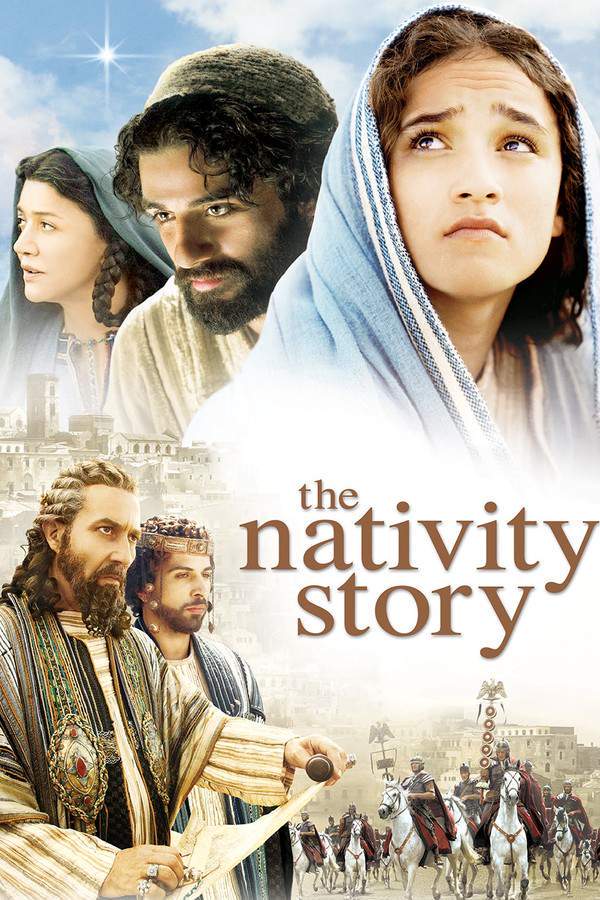
The Nativity Story (2006) movie poster

Plot Summary

The Nativity Story (2006) Plot Summary Explained

Release, runtime and language
2006 · 101 min · English
Directed by
Catherine Hardwicke
Starring
Oscar Isaac, Shohreh Aghdashloo, Keisha Castle-Hughes
Budget
$35M

This retelling explores the Christmas story, focusing on Mary's experience when she learns of her divine calling. As she prepares for motherhood and her marriage to Joseph, the couple embarks on a journey to Bethlehem. Their path is filled with challenges, political maneuvering, and the weight of ancient prophecies surrounding the birth of the anticipated Savior.

On this page (6)
  1. 1 Where to watch
  2. 2 What happens: full plot
  3. 3 Plot questions answered
  4. 4 Movie threads
  5. 5 Movies like The Nativity Story
  6. 6 Every angle

Where to watch

Where to Watch The Nativity Story (2006)

Where can you watch The Nativity Story? Stream, rent or buy it in the US, including on Amazon Video, Apple TV Store and Fandango At Home: current JustWatch availability with up-to-date prices.

Streaming availability powered by JustWatch

Full plot summary · contains spoilers

What Happens in The Nativity Story: Full Plot Summary

The whole story of The Nativity Story (2006) explained, from the opening scene to the final frame: every key event, every twist and what it all adds up to. Read it as a quick recap before the sequel, to check a scene you missed, or to finally understand what really happened.

In ancient Judea, a grim prophecy takes shape as King Herod's ruthless command, the Massacre of the Innocents, emerges. To truly understand the gravity of this moment, we must first traverse back in time to the sacred events leading up to it. In Jerusalem, Rabbi Zechariah experiences a divine visitation from the Archangel Gabriel, who foretells the miraculous birth of a son to his aged wife, Elizabeth. Initially filled with doubt, Zechariah’s disbelief transforms into wonder upon realizing that his voice will remain silenced until this prophecy comes to fruition.

Simultaneously, in Nazareth, 14-year-old Mary enjoys a harmonious life with her family, yet their peace is disrupted by the relentless presence of Roman soldiers demanding taxes. The stark reality of their oppression bites deep when they seize a third of a local farmer's land, plunging his daughter into debt slavery. While awaiting her impending union with the much older Joseph, a carpenter from Judaea, Mary receives her own divine message from Gabriel, declaring that she will bear God's son, whom she will name Jesus. Gabriel also shares the joyous news of Elizabeth’s miraculous pregnancy despite her age, inspiring Mary to visit her before the harvest season.

During this visit, Mary witnesses the awe-inspiring birth of John the Baptist, resulting in the restoration of Zechariah’s voice. Upon returning home, Mary discovers she is pregnant, leaving Joseph and her family in a state of shock. Fearing accusations of adultery, which could lead to stoning under Mosaic Law, the couple contemplates their next move. Ultimately, Joseph chooses mercy over vengeance, sparing Mary from dire consequences.

As tensions rise, Emperor Augustus announces a decree necessitating every man to return to their ancestral homes for a census. Being a descendant of King David, Joseph must undertake a challenging 110-kilometer journey from Nazareth to Bethlehem, accompanied by Mary and her necessary supplies. Together, they face a demanding four-week trek across the harsh Judaean landscape.

Upon reaching Bethlehem, Mary goes into labor, leaving Joseph scrambling for a suitable place for her to give birth. To their despair, every inn is occupied due to the census influx. In a stroke of kindness, an innkeeper offers his humble stable as a sanctuary for the well-being of Mary and the unborn child.

As the fateful night approaches, three esteemed Magi—Caspar, Melchior, and Balthasar—embark on a quest to Judaea, guided by the celestial phenomenon known as the Star of Bethlehem. This radiant sign is complemented by their own encounter with the enigmatic Archangel Gabriel, leading them toward the birthplace of the awaited Messiah. Upon reaching Jerusalem, they seek an audience with Herod, fueled by a mix of curiosity and ulterior motives. Herod learns that the infant Jesus is still a child destined to unify all people, regardless of status. Although seemingly captivated by the notion of honoring the young Messiah, Herod's motives are treacherous, as he seeks to eliminate any threats to his reign.

Despite Herod's deceit, the Magi honor Jesus with gifts of gold, frankincense, and myrrh, emblematic of their esteem for the divine infant. As they depart Judaea, they wisely choose to circumvent Herod’s sinister plans. Ultimately, realizing he has been outsmarted, Herod unleashes a brutal decree, ordering the massacre of all male children in Bethlehem under the age of two. Meanwhile, in a prophetic dream, Joseph is awakened, leading him to escape to Egypt with Mary and Jesus, aware that the child's destiny holds the promise of hope and solace for humanity.

Last updated: November 21, 2024 at 12:41

Was this helpful?

Plot questions answered

The Nativity Story Plot Explained: Your Questions Answered

The questions people ask most about The Nativity Story (2006): what happens in the confusing scenes, why the characters do what they do, the twists, hidden details and what the ending means. Each answer contains spoilers.

Q1

Why did Joseph initially plan to divorce Mary quietly?

Joseph discovered Mary was pregnant after she returned from visiting Elizabeth, and he knew the child was not his. Under Mosaic Law, a woman accused of adultery could be stoned to death. Rather than expose Mary to public accusation and possible execution, Joseph decided to end their betrothal privately to protect her from the harshest legal consequences.

Foreshadowing: Earlier scenes show the Roman soldiers enforcing strict laws, establishing the dangerous legal environment Mary would face.

  • joseph
  • mary
  • divorce
  • mosaic law
  • adultery
Q2

Why did the Magi go to King Herod first instead of going directly to Jesus?

The Magi were following the Star of Bethlehem and sought guidance about where to find the newborn king. Since Herod was the reigning king of Judea and a known scholar of prophecies, they logically went to the royal palace in Jerusalem to inquire about the Messiah's birthplace. Herod's own scholars confirmed the prophecy that the Messiah would be born in Bethlehem.

Foreshadowing: The prophecy about the Messiah's birthplace was already established through Old Testament writings that Herod's priests would have known.

  • magi
  • herod
  • bethlehem
  • king
  • messiah
Q3

Why did King Herod want to kill the infant Jesus?

Herod feared any potential rival to his throne. When the Magi asked about the location of the newborn "king of the Jews," Herod saw this as a direct threat to his power. Despite appearing interested in honoring the child, Herod secretly intended to eliminate him to ensure no one could challenge his reign.

Foreshadowing: Herod's paranoid and violent nature was established early through his control over Judea and his willingness to enforce harsh decrees.

  • herod
  • jesus
  • murder
  • threat
  • king
Q4

Why did Joseph have to travel to Bethlehem for the census?

Emperor Augustus ordered a census requiring every man to register in his ancestral home. Joseph was a descendant of King David, and according to Jewish tradition, his family line traced back to Bethlehem in Judah. Despite the difficult 110-kilometer journey from Nazareth, Joseph was legally required to travel there to be counted.

Foreshadowing: The requirement to register in one's ancestral home was a Roman policy designed to maintain order and collect taxes effectively.

  • census
  • bethlehem
  • joseph
  • david
  • roman
Q5

Why did the innkeeper give his stable to Mary and Joseph?

All inns in Bethlehem were completely filled due to the massive influx of people arriving for the census. When Mary went into labor and had nowhere to go, the innkeeper showed compassion by offering his stable as a shelter. This act provided a humble but private space for the birth.

Foreshadowing: The census created overcrowding throughout Bethlehem, forcing travelers to seek alternative accommodations.

  • innkeeper
  • stable
  • bethlehem
  • inn
  • labor
Q6

Why was Zechariah unable to speak until John the Baptist was born?

When Zechariah doubted the Archangel Gabriel's prophecy that his elderly wife Elizabeth would conceive a son, Gabriel punished his disbelief by making him mute. This silence would last until the day the prophecy was fulfilled. Only after John the Baptist was born and Elizabeth named him according to God's instruction did Zechariah's voice return, confirming his faith had been restored.

Foreshadowing: Gabriel explicitly told Zechariah he would be mute "until these things are fulfilled" as a consequence of his doubt.

  • zechariah
  • voice
  • gabriel
  • john baptist
  • speech
Q7

Why did the Magi return home by a different route after visiting Jesus?

The Magi were divinely warned in a dream not to return to King Herod, who had asked them to report back so he could also "worship" the child. Knowing Herod intended to kill the child, the Magi chose an alternate route back to their own country to protect Jesus from Herod's murderous plot.

Foreshadowing: Herod's sinister intent was hidden behind his claim of wanting to worship the newborn king, but the Magi discerned the danger through divine intervention.

  • magi
  • herod
  • dream
  • escape
  • bethlehem
Q8

Why did Mary travel to visit Elizabeth during her pregnancy?

After receiving Gabriel's announcement that she would bear the Son of God, Mary also learned that her elderly cousin Elizabeth was miraculously pregnant. Filled with joy and seeking support, Mary traveled to Elizabeth's home to share in their mutual miraculous pregnancies. This journey also allowed her to witness the fulfillment of Gabriel's prophecy about Elizabeth.

Foreshadowing: Gabriel had told Mary about Elizabeth's pregnancy as a sign to confirm her own divine calling.

  • mary
  • elizabeth
  • visit
  • pregnant
  • cousin
Q9

Why did the Archangel Gabriel appear to the Magi?

Gabriel appeared directly to the Magi to guide them safely to the newborn Messiah and ensure they would find the right child. While the Star of Bethlehem pointed them toward Judea, Gabriel's personal appearance clarified that they should continue to Bethlehem rather than being misled by Herod's palace in Jerusalem.

Foreshadowing: The appearance of both the celestial star and the angel represented multiple layers of divine guidance to ensure the Magi fulfilled their purpose.

  • gabriel
  • magi
  • angel
  • star
  • guide
Q10

Why did Joseph take Mary and Jesus to Egypt?

An angel appeared to Joseph in a dream, warning him that Herod intended to kill the child. Joseph was told to flee to Egypt immediately and remain there until further instruction. This escape was necessary because Herod's soldiers were already carrying out the Massacre of the Innocents in Bethlehem, and Jesus would have been in grave danger if they stayed.

Foreshadowing: Herod's decree to kill all male children under two years old in Bethlehem made staying in Judea impossible for the holy family.

  • joseph
  • egypt
  • escape
  • herod
  • dream
Q11

What was the significance of the Magi's gifts to Jesus?

The Magi brought three gifts that held deep symbolic meaning: gold represented Jesus' royalty as the future king, frankincense honored his divine nature as the Son of God, and myrrh foreshadowed his future suffering and death, as myrrh was used in burial preparations. These gifts also provided practical resources for the holy family's flight to Egypt.

Foreshadowing: Each gift aligned with aspects of Jesus' future identity and mission that would become evident later in his life.

  • gifts
  • gold
  • frankincense
  • myrrh
  • magi
  • symbolism
Q12

Why was Mary chosen to bear the Son of God?

Gabriel told Mary that she had found favor with God and had been chosen to conceive Jesus through the Holy Spirit. While the specific criteria are not detailed in the film, Mary was a devout young woman of faithful character living in Nazareth. Her willingness to accept God's will without fully understanding the circumstances demonstrated her exceptional faith and humility.

Foreshadowing: Gabriel's greeting emphasized Mary's special status, stating she was "highly favored" among women.

  • mary
  • chosen
  • favor
  • god
  • mother
Q13

Why did King Herod order the Massacre of the Innocents?

When the Magi did not return to report Jesus' location, Herod realized he had been outwitted. Furious that the newborn king had escaped his grasp, Herod issued a desperate decree ordering the death of all male children under two years old in Bethlehem. This brutal act was intended to ensure the prophecy of the Messiah would never be fulfilled, as any potential rival king would be eliminated.

Foreshadowing: Herod's paranoid nature and his willingness to commit violence to maintain power were established throughout his reign.

  • herod
  • massacre
  • innocents
  • bethlehem
  • children

Movie threads

More Movies Like The Nativity Story, by Mood & Story

Curated lists built around what makes The Nativity Story tick: the same mood, the same kind of story or the same emotional payoff. Each list explains why these movies belong together.

Quiet Journeys Guided by Faith like in The Nativity Story

Stories of characters whose challenging journeys are anchored by unwavering faith. Explore movies like The Nativity Story that follow characters on difficult, faith-driven journeys. These films share a solemn, hopeful tone and a steady pacing, focusing on personal conviction in the face of adversity. If you appreciated the spiritual pilgrimage in The Nativity Story, you'll find similar resonant stories here.

  • reverent
  • solemn
  • faithful
  • hopeful
  • miraculous
  • anxious
  • Tone: hopeful, reverent
  • Pacing: steady, deliberate
Why these movies?

The story pattern: These narratives typically follow a linear progression as a protagonist or group undertakes a difficult quest. The obstacles are often as much about doubting their calling as they are about physical dangers. The journey culminates in a moment of profound significance, often bittersweet, affirming the power of belief despite the costs.

Why they belong together: They are grouped by their shared focus on a central, faith-based mission, a steady and deliberate pacing that allows for reflection, and a tone that balances the gravity of the situation with an underlying sense of hope and purpose.

Sacred Stories Amidst Political Oppression like in The Nativity Story

Tales where miraculous events unfold in the shadow of a dangerous regime. Find movies similar to The Nativity Story that depict hopeful personal sagas unfolding under hostile political rule. These dramas blend the warmth of faith or family with the tension of oppression, leading to bittersweet conclusions. If you liked the contrast of divine purpose and Herod's tyranny, you'll enjoy these films.

  • anxious
  • hopeful
  • solemn
  • tense
  • miraculous
  • oppressive
  • Tone: bittersweet, tense
  • Pacing: steady, building tension
Why these movies?

The story pattern: The plot often involves an individual or family whose beliefs or very existence threatens the ruling powers. The narrative weaves together the intimate development of their personal story with the escalating threat from the authorities. The climax typically involves a narrow escape or salvation that contrasts sharply with the tragic fate of others, creating a bittersweet resolution.

Why they belong together: These movies share a specific atmospheric blend: the warmth and hope of a central sacred or personal event is constantly tempered by the looming threat of a oppressive political system. This creates a unique emotional texture of anxiety and reverence.

If you liked this

Movies Like The Nativity Story

Similar movies to The Nativity Story: the same genre, themes or kind of story. Each one comes with its own plot summary, timeline and ending explained.

Browse all movie summaries

Every angle

The Nativity Story (2006) Explained: Plot, Timeline & Characters

Everything about The Nativity Story in one place: what happens in the plot summary, the timeline in chronological order, the characters and meaning and a spoiler-free summary. What's After the Movie adds the cast, box office and post-credit scenes.

Coming soon on iOS and Android

The Plot Explained Movie Summary App

Plot summaries, endings explained and timelines on your phone. Catch up on any movie in minutes, save your favorites and never miss a twist again.

Be the first to know when we launch. Your email stays private, always.

Learn more about the app