Year: 1958
Runtime: 103 mins
Language: English
Director: Jerry Hopper
Fifteen‑year‑old Byron Turner, a runaway from the Eatondale Orphan Asylum, is given a ride by wealthy landowner Tobias Brown to the quiet, rural Missouri town of Delphi. As they travel, Byron confronts a world far removed from the orphanage, facing new challenges and the stark contrast between his past and the town’s genteel life.
Find where to stream, rent, or buy The Missouri Traveler (1958) in the US with current JustWatch availability, up-to-date pricing, and platform listings for subscription, rental, and digital purchase options.
Warning: spoilers below!
Haven’t seen The Missouri Traveler yet? This summary contains major spoilers. Bookmark the page, watch the movie, and come back for the full breakdown. If you're ready, scroll on and relive the story!
Read the complete plot breakdown of The Missouri Traveler (1958), including all key story events, major twists, and the ending explained in detail. Discover what really happened, and what it all means.
Biarn Turner, Brandon De Wilde, a 15-year-old runaway from the Eatondale Orphan Asylum bound for Florida in the post-World War I era of 1926, finds a chance ride into the rural Missouri town of Delphi with the wealthy landowner Tobias Brown, Lee Marvin. In Delphi, after a vivid scene in the town square that pulls in most of the townsfolk, Biarn meets Doyle Magee, Gary Merrill, a crusty newspaper man.
The two men—Brown and Magee—are drawn to this polite, mature youth, but they offer him strikingly different kinds of mentorship. Brown offers warmth and quiet care, while Magee's approach can feel harsher and more searching. As Biarn navigates their competing attentions, the true motives behind each man's behavior gradually become clear to him.
Meanwhile, the town of Delphi grows from wary curiosity to genuine acceptance, embracing Biarn as one of their own and fueling his quiet dream of becoming a farmer. Small-town life comes into focus through moments like a Fourth of July parade and a horse-trotting race, while the direct rivalry between Magee and Brown adds tension to the community’s evolving sense of belonging.
The film adapts The Missouri Traveler, a book with a more complex storyline that the screen version could not fully capture. In the book, Biarn's presence subtly shapes the lives of several residents without his deliberate intent, weaving a more intricate web of impacts. The movie, though gentler and more family-friendly in tone, is often described as more of a Disney-like treatment of the material. The book, which is harder to find, offers a deeper, fuller exploration of how a young wanderer can ripple through a town.
Last updated: February 24, 2026 at 13:44
Explore frequently asked questions about The Missouri Traveler (1958) with spoiler-rich answers covering the full plot summary, major story beats, character motivations, hidden details, and ending meaning. This movie summary FAQ helps explain confusing scenes, plot twists, and narrative decisions in clear, searchable detail.
Tobias Brown, a wealthy landowner, offers Biarn shelter and guidance when he arrives in Delphi. Brown provides warmth and quiet care, becoming a mentor figure to the runaway youth. His motives stem from a genuine desire to help the polite, mature teenager find a place in the community, though the story gradually reveals there may be more complexity to his interest in Biarn's future.
Brown's decision to pick up a stranger on the road foreshadows his later role as a protective figure in Delphi.
Doyle Magee, the crusty newspaper man in Delphi, approaches Biarn with scrutiny rather than warmth. His harsher, more searching approach contrasts sharply with Brown's protective stance. Magee presses Biarn for answers about his background and presses him with tough questions, suggesting he doubts the boy's story or suspects hidden motives behind his arrival in town.
Their first meeting establishes Magee as a foil to Brown's kindness, setting up the tension that builds throughout the film.
The two men represent competing visions for Biarn's future. Brown offers warmth, shelter, and gentle guidance, wanting to help the boy settle into small-town life. Magee takes a harder line, pushing Biarn to prove himself and questioning his intentions. During the Fourth of July parade, their rivalry comes to a head in a direct confrontation that forces Biarn to consider where his loyalties lie.
The tension between the two men builds from their first interactions with Biarn, culminating in the public rivalry during the parade.
The town of Delphi initially responds to Biarn with wary curiosity, unsure about the runaway orphan. Over time, as they observe his polite nature and genuine desire to belong, the townspeople gradually embrace him as one of their own. Community events like the Fourth of July parade and horse-trotting race help showcase his character, leading to growing support for his dream of becoming a farmer.
The town square scene early in the film establishes the initial skepticism that eventually gives way to acceptance.
The Fourth of July celebration in Delphi features a parade with a horse-trotting race as the highlight. During this festive event, the rivalry between Tobias Brown and Doyle Magee reaches a peak when they come face to face in a tense confrontation. This moment crystallizes their competing influences over Biarn and tests his loyalties, marking a turning point in how the town views both Biarn and the two mentors.
The earlier interactions between Brown and Magee foreshadow this public showdown during the town's celebration.
Biarn dreams of becoming a farmer as a way to put down roots and finally belong somewhere after his unsettled life in the orphanage. Farming represents stability, independence, and a permanent place in a community, everything he lacked as a runaway. As Delphi accepts him, this dream becomes tangible, and the town's support reinforces his determination to build a sustainable future in the rural community.
The contrast between his past in the orphanage and the open farmland of Delphi plants the seeds for this aspiration early on.
Biarn begins as a determined runaway from the Eatondale Orphan Asylum, hitchhiking to Florida with little more than hope for a better life. By the end, he transforms from an uncertain outsider into a valued member of Delphi. He learns to trust mentors, gains the town's acceptance, and solidifies his dream of becoming a farmer. The journey takes him from isolation to belonging, from running away to choosing to stay.
His polite, mature demeanor from the first ride with Brown hints at his ability to win over the town.
The townspeople of Delphi rally around Biarn because they recognize his genuine character and his desire to contribute to the community. His politeness, maturity, and hard-working attitude earn their respect. As they witness his interactions with Brown and Magee and see him participate in town life, their initial curiosity transforms into genuine acceptance and support for his dream of becoming a farmer.
Early scenes in the town square begin to shift the town's perception of the newcomer.
The movie is a gentler, more family-friendly adaptation that resembles a Disney-like treatment of the source material. In the book, Biarn's presence subtly shapes the lives of several residents without his deliberate intent, creating a more intricate web of impacts. The film simplifies this complexity, focusing on a linear narrative of acceptance rather than the deeper, fuller exploration of how a young wanderer ripples through a town.
The straightforward tone of the film contrasts with the layered narrative of the novel.
Biarn Turner, a 15-year-old orphan, runs away from the Eatondale Orphan Asylum in 1926 after World War I, determined to find a new life elsewhere. His quest to reach Florida represents his hope for a better future away from the institution. This escape sets the entire story in motion, leading to his chance encounter with Tobias Brown and his eventual arrival in Delphi.
The opening act establishes his restlessness and desire for freedom as driving forces in the narrative.
Discover curated groups of movies connected by mood, themes, and story style. Browse collections built around emotion, atmosphere, and narrative focus to easily find films that match what you feel like watching right now.
Hopeful stories of outsiders finding acceptance and a loving community.If you enjoyed the comforting story of Byron finding his place in Delphi, you'll love these movies. They feature similar themes of a found family, a welcoming small town, and a happy, optimistic ending. Discover more feel-good films about acceptance and new beginnings.
Stories in this thread follow a linear path: a protagonist enters a new environment, faces mild initial friction, and gradually builds trusting relationships with key figures and the wider community, culminating in their official or emotional adoption.
These films are grouped by their shared light tone, low-stakes conflict, and overriding theme of optimistic acceptance. They provide a comforting viewing experience where kindness triumphs and emotional wounds are gently healed.
Stories celebrating the simple, genteel rhythms of a bygone rural America.Fans of The Missouri Traveler's depiction of rural Delphi will appreciate these similar movies. They share a nostalgic, genteel feel and a focus on community values in a classic American setting. Explore more films that capture the heart of small-town life.
The narrative often centers on an outsider's perspective, using their arrival to explore the town's unique character and social dynamics. Conflicts are mild and interpersonal, serving to highlight themes of decency and collective spirit rather than create high drama.
These movies are connected by their specific, comforting world-building. They prioritize atmosphere, a sense of place, and a positive view of community, offering a nostalgic escape into a simpler time.
Don't stop at just watching - explore The Missouri Traveler in full detail. From the complete plot summary and scene-by-scene timeline to character breakdowns, thematic analysis, and a deep dive into the ending - every page helps you truly understand what The Missouri Traveler is all about. Plus, discover what's next after the movie.
Track the full timeline of The Missouri Traveler with every major event arranged chronologically. Perfect for decoding non-linear storytelling, flashbacks, or parallel narratives with a clear scene-by-scene breakdown.
Discover the characters, locations, and core themes that shape The Missouri Traveler. Get insights into symbolic elements, setting significance, and deeper narrative meaning - ideal for thematic analysis and movie breakdowns.
Discover movies like The Missouri Traveler that share similar genres, themes, and storytelling elements. Whether you’re drawn to the atmosphere, character arcs, or plot structure, these curated recommendations will help you explore more films you’ll love.
The Missouri Traveler (1958) Scene-by-Scene Movie Timeline
The Missouri Traveler (1958) Movie Characters, Themes & Settings
The Missouri Traveler (1958) Spoiler-Free Summary & Key Flow
Movies Like The Missouri Traveler – Similar Titles You’ll Enjoy
Nebraska (2013) Complete Plot Breakdown
Ride with the Devil (1999) Plot Summary & Ending Explained
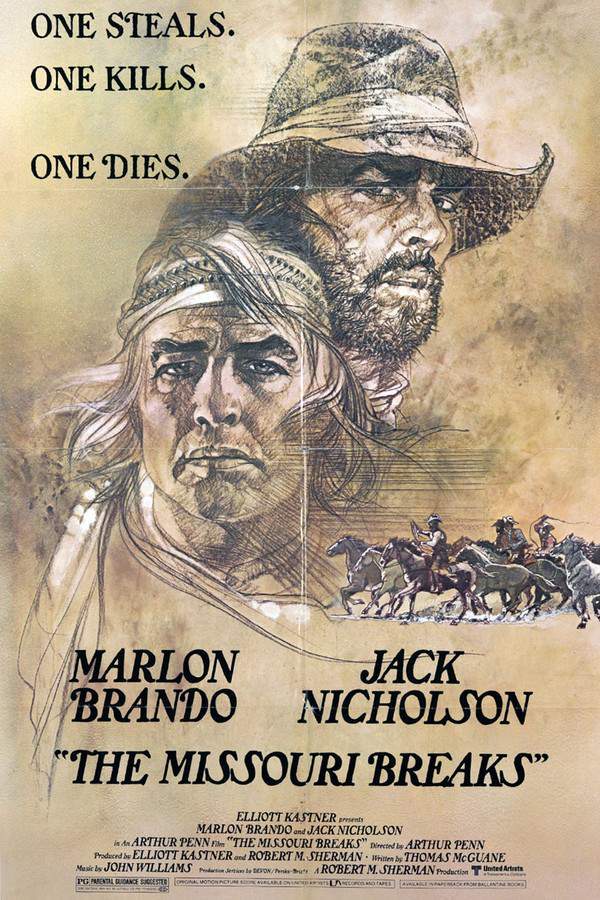
The Missouri Breaks (1976) Complete Plot Breakdown
Montana Story (2022) Story Summary & Characters
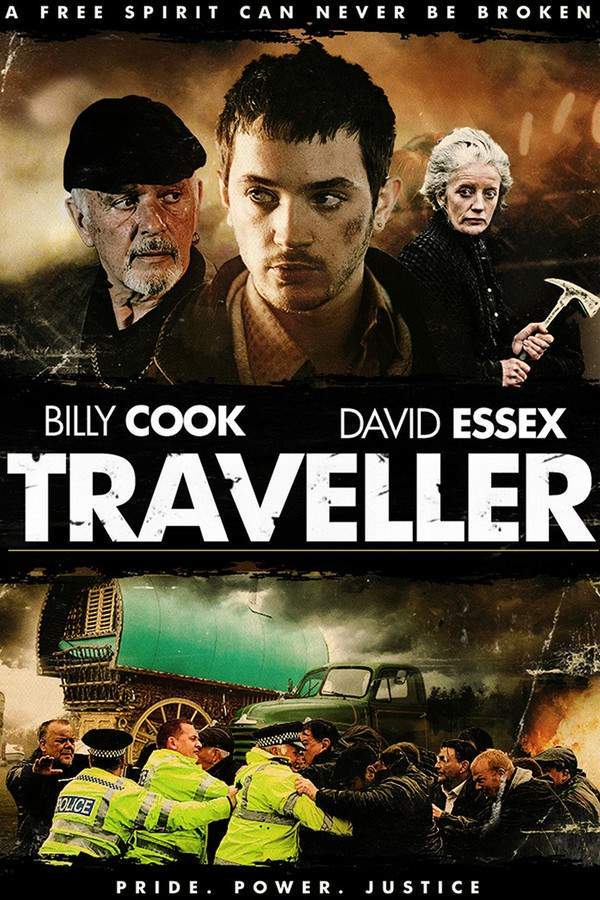
Traveller (1997) Full Movie Breakdown
Interstate 60 (2002) Full Movie Breakdown
The Journeyman (2001) Movie Recap & Themes
Love’s Long Journey (2005) Full Movie Breakdown
The Summer Field (2021) Film Overview & Timeline
Across the Wide Missouri (1951) Full Movie Breakdown
The Traveling Executioner (1970) Full Summary & Key Details
The World Changes (1933) Movie Recap & Themes
The Wild Country (1970) Full Movie Breakdown
The Great Missouri Raid (1951) Film Overview & Timeline
Omaha (2025) Full Movie Breakdown