Year: 1948
Runtime: 120 mins
Language: English
Director: Irving Pichel
After the actress dies, the man who loved her brings her body to her hometown to honor her wish that every church bell toll for three days after burial. He discovers the cost is prohibitive; the checks he writes bounce. With banks closed for the weekend, he prays for a miracle before they reopen; a miracle happens, though not in the way he expected.
Warning: spoilers below!
Haven’t seen The Miracle of the Bells yet? This summary contains major spoilers. Bookmark the page, watch the movie, and come back for the full breakdown. If you're ready, scroll on and relive the story!
Explore the full timeline and setting of The Miracle of the Bells (1948). Follow every major event in chronological order and see how the environment shapes the story, characters, and dramatic tension.
Last updated: October 04, 2025 at 17:39
Meet the key characters of The Miracle of the Bells (1948), with detailed profiles, motivations, and roles in the plot. Understand their emotional journeys and what they reveal about the film’s deeper themes.
Last updated: October 04, 2025 at 17:39
Explore the central themes of The Miracle of the Bells (1948), from psychological, social, and emotional dimensions to philosophical messages. Understand what the film is really saying beneath the surface.
Last updated: October 04, 2025 at 17:39
Browse frequently asked questions about The Miracle of the Bells (1948) focused on characters, relationships, themes, symbols, setting, and story context. This movie info FAQ gives spoiler-aware explanations for character arcs, world details, and thematic interpretation so readers can better understand what the film is really about.
The movie takes place in Coaltown, Pennsylvania, a coal-mining town where the air bears the dust of the mines. The community centers on two churches, St. Michael's (the smaller, poorer parish) and St. Leo's, while a hillside graveyard serves as a focal point for the story's emotional events.
Coaltown is a small, faith-filled mining community. The air carries coal dust, and the landscape is anchored by a hillside graveyard. The town's identity is deeply tied to both its industrial roots and its religious institutions, which play a central role in the narrative.
Olga Treskovna is the film's protagonist, portrayed by Alida Valli. She rose from nightclub chorus girl to film stand-in and then lead actress. She battles a fatal form of tuberculosis, likely caused by coal dust exposure, yet persists to complete the production. Her quiet courage and vulnerability drive the town's emotional response to her fate.
Bill Dunnigan is a Hollywood press agent played by Fred MacMurray. He arrives in Coaltown with Olga's body and orchestrates the posthumous awakening of her career. While he uses questionable fundraising methods and manipulates events to secure the film's release, his actions are driven by a belief in art's power to heal a community.
Father Paul is the priest of St. Michael's Church in Coaltown, played by Frank Sinatra. He guides the town's spiritual response to Olga's death, trying to ground the miraculous events in faith and community. His leadership helps sustain the town's trust during its moment of crisis and supports the community's belief in Olga's legacy.
Marcus Harris is a film producer portrayed by Lee J. Cobb. He initially resists releasing Olga's film, fearing public reaction to her death. However, he is eventually persuaded to complete and release the project when he recognizes the town's growing devotion and the potential for both artistic and commercial significance.
Faith is a central theme, as the town's belief in Olga's sacrifice is amplified across multiple congregations. Bells are rung as a tribute, and a perception of miracles grows even as rational explanations are offered. The community's devotion drives generosity and influences major decisions about Olga's legacy, with the narrative suggesting that faith can manifest in tangible ways.
Sacrifice is embodied primarily through Olga's illness and her decision to complete the film despite her fatal tuberculosis. Her willingness to give up her health and life for a larger cause serves as both personal cost and communal catalyst. This selfless act contrasts with Dunnigan's manipulation of others, framing sacrifice as transformative for the entire town.
The community theme shows how a small town mobilizes around a star who never existed in cinema but becomes real through belief. Five churches, a funeral, and a charity effort demonstrate how a community can rally around art and memory. The release of the film brings nationwide donations and a clinic for Olga's disease, illustrating the power of shared narrative.
Olga Treskovna dies from tuberculosis, a fatal illness likely contracted from coal dust exposure in her mining town. Before her death, she perseveres to complete her film production, demonstrating quiet courage despite her declining health. Her death becomes a catalyst for the town's collective healing and the miraculous events that follow.
The miracle involves the town coming together to honor Olga's wish that every church bell toll for three days after her burial. When the funds prove prohibitive and banks are closed for the weekend, the community's collective faith and belief create tangible outcomes, 包括 the release of her film, nationwide donations, and the establishment of a clinic for tuberculosis patients. The miracle manifests through communal hope rather than supernatural intervention.
The tone is predominantly hopeful, following a trajectory from personal tragedy to communal healing. While the subject matter of terminal illness and death is heavy, the film consistently frames this loss as a catalyst for hope and renewal. The ending is unambiguously happy, with Olga's film bringing fame, donations, and a new clinic, solidifying the theme that faith and sacrifice can lead to profound good.
Discover curated groups of movies connected by mood, themes, and story style. Browse collections built around emotion, atmosphere, and narrative focus to easily find films that match what you feel like watching right now.
Personal tragedy sparks unexpected hope and healing within a small community.If you liked The Miracle of the Bells, explore more movies where personal grief or a single event unites a community, leading to uplifting outcomes and a strengthened sense of faith and togetherness.
These stories typically begin with a deeply felt loss or crisis for an individual. This event ripples outward, compelling a previously disconnected or struggling community to rally. The focus shifts from individual sorrow to collective action, often revealing hidden strengths and leading to a tangible, positive transformation for everyone involved.
They share a core belief in the power of community to overcome despair. The emotional journey consistently moves from sorrow to hope, emphasizing that healing is a shared process, often underscored by themes of faith, perseverance, and redemption.

A person's final wish or hidden legacy sparks events that feel miraculous.Find more films similar to The Miracle of the Bells, where fulfilling a deceased person's wish uncovers their hidden legacy and leads to events that restore faith and bring about positive change.
The narrative follows a protagonist striving to honor a promise or the memory of a departed loved one. They face significant obstacles, often financial or spiritual, pushing them to the brink. Their perseverance, or a seemingly impossible turn of events, results in a 'miracle'—not necessarily supernatural, but a profoundly positive and unlikely outcome that validates the effort and the deceased's life.
They are united by the theme of a life's impact extending beyond death. The central dramatic question revolves around whether faith and dedication can yield tangible, positive results, creating a viewing experience that is both sorrowful and deeply heartening.
Don't stop at just watching - explore The Miracle of the Bells in full detail. From the complete plot summary and scene-by-scene timeline to character breakdowns, thematic analysis, and a deep dive into the ending - every page helps you truly understand what The Miracle of the Bells is all about. Plus, discover what's next after the movie.
Read a complete plot summary of The Miracle of the Bells, including all key story points, character arcs, and turning points. This in-depth recap is ideal for understanding the narrative structure or reviewing what happened in the movie.
Track the full timeline of The Miracle of the Bells with every major event arranged chronologically. Perfect for decoding non-linear storytelling, flashbacks, or parallel narratives with a clear scene-by-scene breakdown.
Discover movies like The Miracle of the Bells that share similar genres, themes, and storytelling elements. Whether you’re drawn to the atmosphere, character arcs, or plot structure, these curated recommendations will help you explore more films you’ll love.
The Miracle of the Bells (1948) Plot Summary & Movie Recap
The Miracle of the Bells (1948) Scene-by-Scene Movie Timeline
The Miracle of the Bells (1948) Spoiler-Free Summary & Key Flow
Movies Like The Miracle of the Bells – Similar Titles You’ll Enjoy
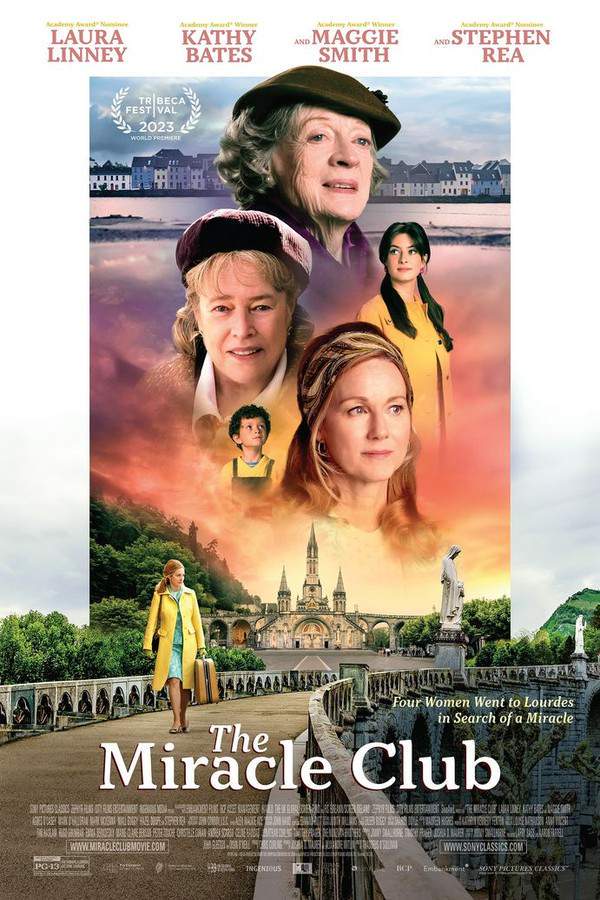
The Miracle Club (2023) Plot Summary & Ending Explained
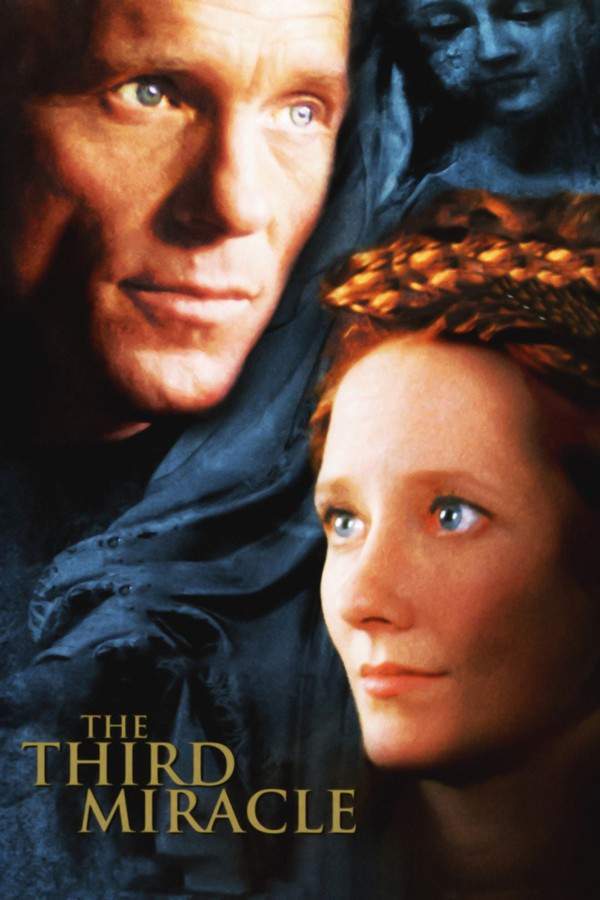
The Third Miracle (1999) Complete Plot Breakdown
The Miracle (1000) Movie Recap & Themes
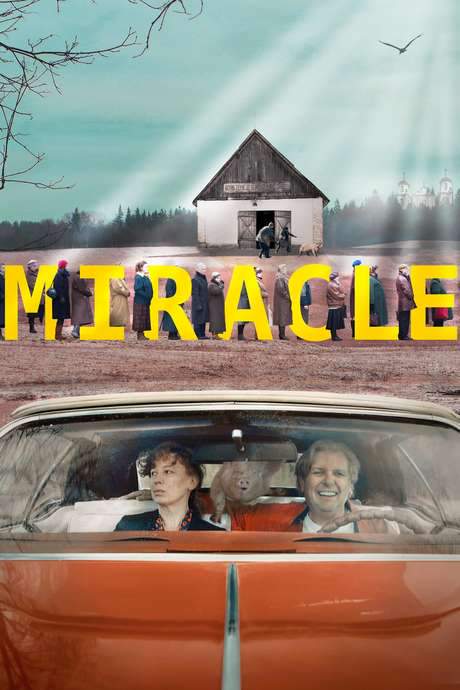
Miracle (2017) Ending Explained & Film Insights
The Miracle (1991) Ending Explained & Film Insights
Miracle (1982) Story Summary & Characters
The Miracle Man (1919) Complete Plot Breakdown
Miracle in Bethlehem, PA (2023) Movie Recap & Themes
The Girl Who Believes in Miracles (2021) Ending Explained & Film Insights
Miracle in the Rain (1956) Ending Explained & Film Insights
The Bells of Cockaigne (1953) Detailed Story Recap
Miracle on Main Street (1939) Detailed Story Recap
The Miracle (1959) Movie Recap & Themes
The Bells of St. Mary’s (1945) Full Summary & Key Details
The Miracle Woman (1931) Film Overview & Timeline