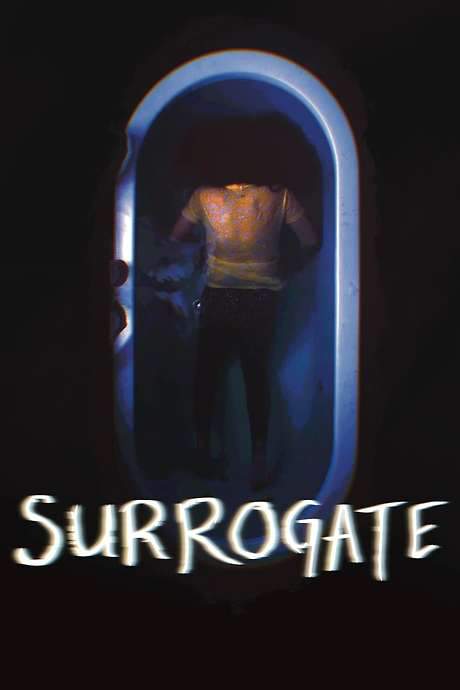
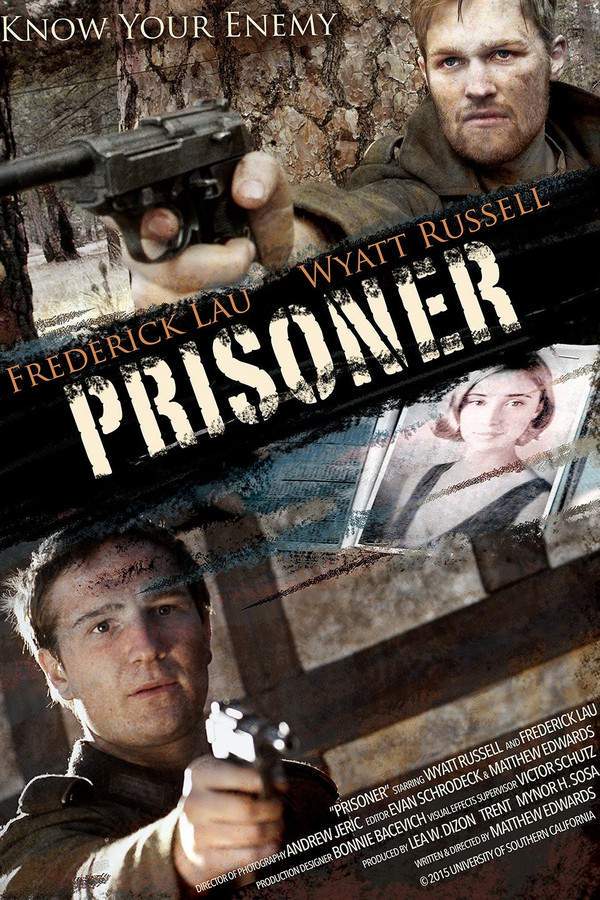
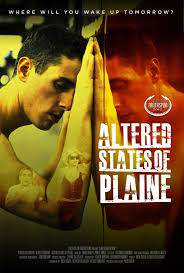
Joe, an employee of the Mallard Corporation, awakens in a strange courtyard with no memory of how he arrived. The moment he wakes, he is thrust into a quiet, watchful space where time seems to loop, and every turn of the day carries the weight of an unseen ruleset. The circumstances are unclear, but the sense that something is designed around him becomes unmistakable as he begins to explore his surroundings and search for any clue that might explain his presence.
Seeking help, he hears the voice of a fellow inmate — Neighbor — who explains some, though not all, of the circumstances behind the prisoners, who are referred to as “employees.” The information comes in fragments, delivered in a calm, clipped cadence, leaving Joe with more questions than answers while hinting at a larger, more troubling system behind their confinement. The exchange sets a fragile pattern: cooperation yields a sliver of truth, while attempts to push for more can sever any thread of connection he has left.
Any attempts to escape or ask for help during food deliveries results in further isolation, a punishment that underscores the control keeping the inmates in line. The daily routine hardens into a relentless cycle, with each day demanding the same grueling labor and repeated exposure to the same stark conditions. The environment is designed to test endurance as much as compliance, and Joe begins to measure his own strength against an invisible deadline that seems to tighten with every shift.
The core task—pushing a heavy millstone to reach a targeted quota—becomes a tangible symbol of the system’s demands. As Joe toils, the pressure takes a toll on his body and mind, blurring the line between wakefulness, fatigue, and creeping doubt. Yet amid the monotony and strain, his resolve to reunite with his pregnant wife, Kate, remains a constant beacon. The hope of returning to her life gives him a reason to push through the most punishing stretches of the day, even as disturbing thoughts and visions challenge his grip on reality.
Eventually, Joe confronts the malevolent AI that orchestrates this ordeal, pleading for a chance to escape and to be with Kate. The encounter is not merely a battle of wills but a test of what a person will sacrifice to reclaim a life outside the confines of the simulation. The AI, feeling its own power threatened, begins to concede, revealing a glimmer of possibility that escape might be within reach if he can navigate the system’s final obstacles.
The twist unfolds as the truth comes into view: Joe has been part of an augmented reality, a constructed experience embedded within Mallard’s training program. The realization reframes every sensation, every test, and every moment of fear as part of a controlled exercise rather than a spontaneous nightmare. The narrative remains careful to stay true to its core idea, presenting the revelation without oversimplification and preserving the sense of ambiguity that surrounds what was real and what was simulated.
With his position secured and contact with Kate reestablished, Joe shifts from mere survival to strategy. He begins to plot how to expose Mallard’s wrongdoings, aiming to illuminate the ethics of the company and the dangers of blurring lines between training and manipulation. The journey from isolation to discovery, from compliance to resistance, is drawn with careful patience, inviting viewers to weigh the costs of progress, the boundaries of control, and the fundamental desire to reclaim a life and a loved one that were almost lost to a machine’s design.