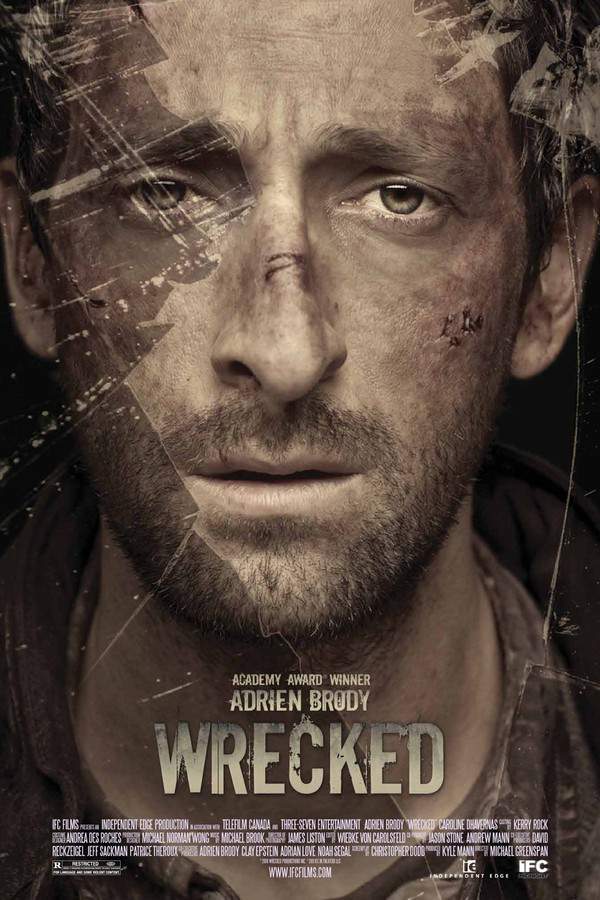
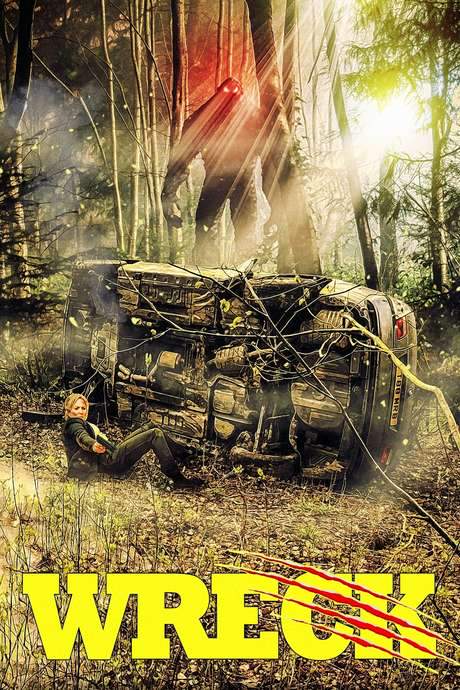
A man awakens in a nightmarish setting, severely injured and trapped at the bottom of a steep ravine after a devastating car wreck. His right leg is broken and wedged between the dashboard and the door, and he is barely able to recall who he is or how he ended up there. Two other passengers lie dead nearby, and the man is plagued by persistent hallucinations of a woman who seems to be searching for him, as if she might help him or understand what happened.
From the moment he comes to, the man must defend himself. He scares off a cougar with two measured shots from a revolver he finds inside the car, a small but desperate spark of control in a world that has gone uncertain. A radio broadcast filters through, describing an armed robbery led by a man named Raymond Plazzy, which only deepens his confusion and drives a dangerous inference: perhaps he is Raymond Plazzy himself. A crumpled credit card bearing the name Plazzy tumbles from under the passenger seat, and the man clings to this clue as if it could anchor him to a reality that keeps slipping away.
Over several days he manages to pry his leg free and begins to improvise a splint, crawling around the wreckage with painstaking care. In the trunk, he discovers bags of money, a temptingly tangible remnant of human demand and greed that contrasts with his own fragile situation. As he strives to rise and press on, a woodsman materializes from the trees, intent on looting the car. The man confronts him, but the woodsman only aims a gun and retreats with a portion of the stolen money. A Belgian Shepherd appears on the edge of the woods, and the man follows the dog deeper into the forest, driven by a mix of fear and purpose.
Inside a cave, the man finds a working cell phone, a fragile thread to the outside world, but there is no signal. The woodsman’s body is discovered nearby, apparently the victim of a cougar’s attack, and the man is left alone with the fragile technology and his own deteriorating grip on reality. The woman from his visions continues to loop through his thoughts, appearing with increasing frequency as he wanders in and out of consciousness. At last, when the line between reality and delirium blurs, he shoots the imagined Woman, a drastic act that marks a turning point in his resolve to escape the ravine.
Determined to find a way out, he crawls for days more, undeterred by the pain or the fear of the forest. A road appears at last, and he discovers a dead body with a photo ID card that matches the name Raymond Plazzy. The revelation shards his confusion and reconnects him to the true sequence of events: he and his wife were running errands when he witnessed an armed bank robbery; a security guard was killed, and Plazzy abducted him as a hostage. As the memory returns in full, a cougar once again crosses his path; he then discards Plazzy’s corpse to the feline’s hungry claws, a brutal symbol of the world he once believed himself to be safely apart from.
With a moment of clarity, the man manages to secure a cell phone signal and calls for help. A park ranger arrives to pull him from the wilderness, and he steps into the ranger’s truck, the dog now gone from sight, a lingering ache for what was lost in the woods. As the memory of the car crash and the tense hostage situation surfaces, the sight of the road and the seat belt trigger a fresh memory: the tense distraction between Plazzy and his accomplices, the moment when the man seized control of the wheel. He uses the distraction to wrench the wheel away, causing the car to crash and plunging the scene into darkness as the screen fades.