Plot Explained Spoilers guaranteed!
Plot Explained

Browse by genre

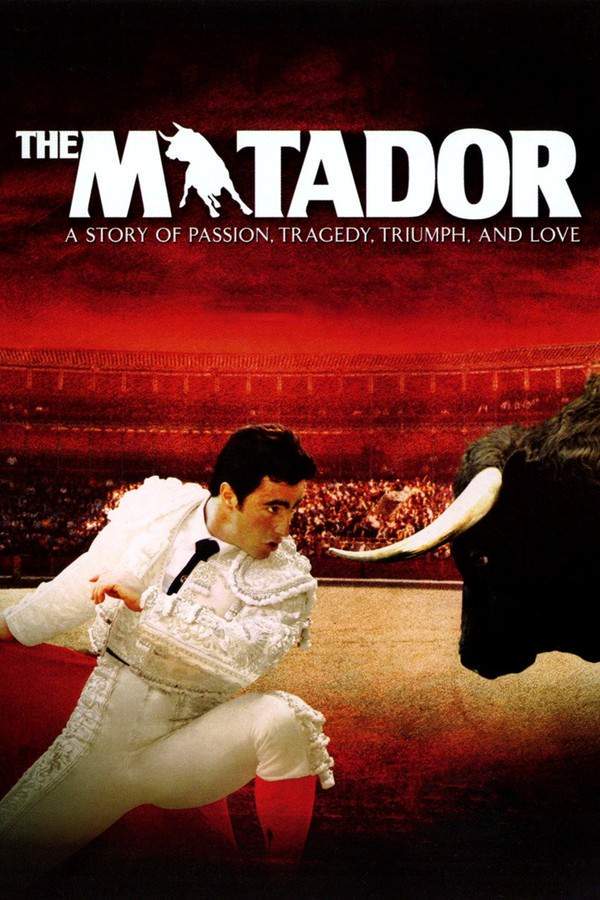
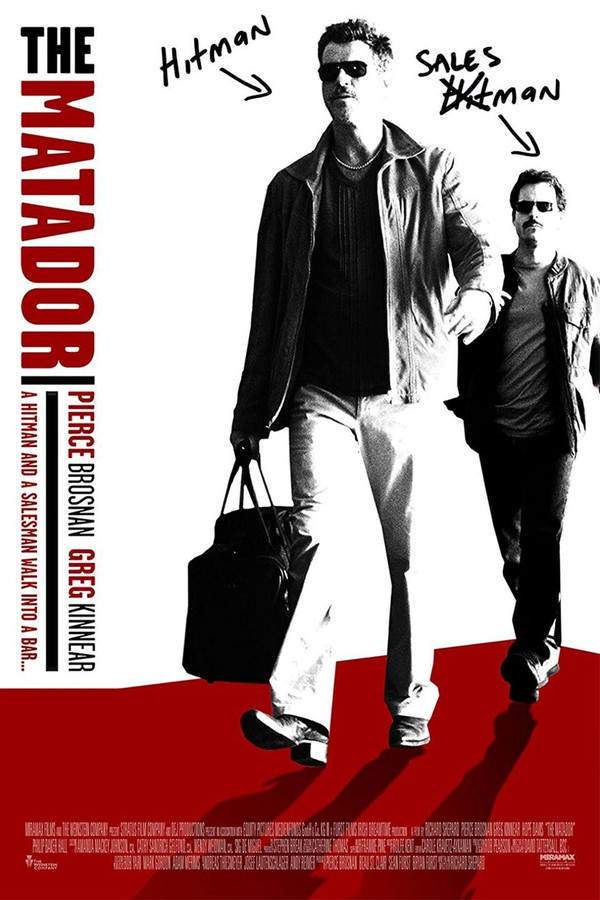
The Matador (2008) movie poster

Plot Summary

The Matador (2008) Plot Summary Explained

Release, runtime and language
2008 · 74 min · English
Loading streaming availability…
Directed by
Nina Gilden Seavey, Stephen Higgins

Danny Wright, a man grappling with a troubled marriage and the loss of his child, finds an unexpected connection with Julian Noble, a disillusioned man he meets in a Mexican bar. To Danny’s surprise, Julian confesses to being a contract killer, a revelation that doesn’t deter their growing bond. As their friendship deepens, Julian finds himself in a desperate situation and seeks a significant favor from Danny, ultimately challenging the limits of their unusual relationship and forcing them both to confront difficult choices.

On this page (6)
  1. 1 Where to watch
  2. 2 What happens: full plot
  3. 3 Plot questions answered
  4. 4 Movie threads
  5. 5 Movies like The Matador
  6. 6 Every angle
Loading streaming availability…

Full plot summary · contains spoilers

What Happens in The Matador: Full Plot Summary

The whole story of The Matador (2008) explained, from the opening scene to the final frame: every key event, every twist and what it all adds up to. Read it as a quick recap before the sequel, to check a scene you missed, or to finally understand what really happened.

In a striking encounter within the dimly lit bar of the Mexico City branch of the Camino Real Hotels, tired businessman Danny Wright finds himself face-to-face with the jaded and disheveled assassin Julian Noble. Danny is desperately hoping to secure a career-saving contract in Mexico, but his outlook is clouded with anxiety. On the other hand, Julian, weary from his profession, is battling a profound mid-life crisis that has left him frozen in the midst of a job gone wrong. It’s this unexpected meeting that sparks an awkward yet intriguing friendship between two men from entirely different walks of life.

As their curious conversation unfolds, they delve into topics that oscillate between the mundane and the grotesque. Danny, sensing the uncomfortable atmosphere, ultimately decides to excuse himself and leaves the bar. However, Julian, eager for connection and perhaps a bit remorseful, reaches out with an invitation to witness a bullfight—a cultural spectacle he seems to value. During the event, the conversation takes a darker turn when Julian reveals his line of work. Danny, still grappling with disbelief, is led through a chilling step-by-step tutorial of how to assassinate a seemingly oblivious target—a portly man lurking in the bathroom of the arena. Danny's shock is palpable, as he witnesses Julian's disturbing ease in nearly executing the act, albeit stopping short of completing the grim task.

The night grows heavier and more tense as they find themselves at an outdoor café. Julian boldly requests Danny's assistance in completing a job, to which Danny resolutely declines, prompting Julian's abrupt departure. Yet, later that evening, Julian, adorned in vulnerability, knocks on Danny's hotel room door, seeking forgiveness for having dragged him into his morally murky world. The scene cuts to black, leaving viewers to ponder the tension as the ominous sound of glass shattering fills the air, shrouding the fate of their reunion in uncertainty.

Fast forward six months into the bustling Christmas season, where Danny and his wife, Bean, are enjoying a quiet evening in their Denver home. Suddenly, Julian reappears, seeking refuge under their roof. Although Danny and Bean exhibit hesitation, they ultimately relent and welcome him. Julian’s gratitude is evident, especially when he notices that Danny has framed the bullfight ticket—a small gesture that deeply touches him. That same night, Julian divulges the purpose of his visit—he desperately requires assistance with one last job. Convincing Danny that he owes him, they embark on a flight to Arizona with Julian's target lined up at the racecourse.

As they navigate the mission, Julian instructs Danny to set off an alarm, while he takes his position with a sniper rifle. With nerves running high, Julian’s hesitation becomes evident when the moment comes to eliminate the target. Overcome with internal conflict, it is Danny’s encouragement that ultimately helps Julian gather his resolve and complete the grim task.

On their return flight from Tucson, things take a surprising turn as Julian reveals that the man he just killed was none other than his long-time employer, Mr. Stick. With this revelation, Julian looks forward to his retirement in Greece. Danny, both bemused and impressed by Julian's cunning maneuvering, lightly taps him on the shoulder in camaraderie, only to be met with a stern warning: "Don't ever hit me again." Humbly, Danny retracts his gesture, underscoring the strange dynamics of their newfound friendship.

A poignant flashback depicted through seamless cuts brings viewers back to the previous year when Danny, in a moment of desperation, had invited Julian into his hotel room with a chilling request—to eliminate his business adversaries. Julian's response at that time reflects his belief in Danny's inherent goodness, reminding him of the ethical lines he should not cross.

As the plane descends and reality resumes, Danny expresses gratitude, acknowledging that Julian became his friend the night they met. To which Julian, with surprising introspection, confesses that he too was astonished by the unexpected bond they formed. The story comes full circle when Danny and Bean are seen at their son's grave, a haunting reminder of their past. Julian, watching from a distance, places a brochure for Greece on their windshield—a silent farewell signifying new beginnings as he discreetly escapes into the night.
Last updated: December 31, 2024 at 18:09

Was this helpful?

Plot questions answered

The Matador Plot Explained: Your Questions Answered

The questions people ask most about The Matador (2008): what happens in the confusing scenes, why the characters do what they do, the twists, hidden details and what the ending means. Each answer contains spoilers.

Q1

Why did Julian ask Danny to help him with the assassination?

Julian was experiencing a profound mid-life crisis and had grown disillusioned with his life as a hitman. He had already failed a job and was emotionally frozen. By asking Danny for help, Julian was seeking a connection to his own humanity, Danny represented moral integrity and normalcy that Julian had lost. Julian believed that if someone as good as Danny could participate in the act, it might validate his own existence or give him permission to finally retire.

Foreshadowing: Earlier in the bar, Julian revealed his profession to Danny, showing he was desperately seeking someone who would accept him despite knowing the truth about him.

  • Julian Noble
  • Danny Wright
  • assassination
  • mid-life crisis
  • favor
Q2

Who was Julian's target and why was it his own employer?

Julian's target was Mr. Stick, his long-time employer and the man who had been sending him on assassination jobs for years. Julian killed his own employer because he wanted to retire and escape the life of a contract killer. By eliminating Mr. Stick, Julian ensured he wouldn't be hunted down by the organization he worked for, allowing him to finally live freely in Greece.

Foreshadowing: Julian mentioned this was his "last job" and that he needed Danny's help to retire, hinting at the extreme nature of what he was planning.

  • Mr Stick
  • employer
  • kill
  • retire
  • hitman
Q3

Why did Danny agree to help Julian after initially refusing?

Danny agreed to help because Julian convinced him that he owed him a debt, Julian had previously refused Danny's implied request to kill his business rivals, showing faith in Danny's goodness. Julian framed it as Danny returning that favor. Additionally, Danny had seen how broken and frozen Julian was during the Arizona job, and his encouragement helped Julian complete the assassination.

Foreshadowing: The flashback revealed that Danny had once invited Julian into his hotel room with the obvious intent of asking him to commit murder, but Julian declined, preserving Danny's moral integrity.

  • Danny Wright
  • Julian Noble
  • help
  • assassination
  • favor
Q4

What was the significance of the bullfight ticket being framed?

When Julian arrived at Danny's Denver home six months later, he noticed that Danny had framed the bullfight ticket from their first meeting in Mexico. This small gesture deeply touched Julian because it showed that despite Julian's dark revelation about being an assassin, Danny valued their connection enough to preserve that memento. It represented the beginning of their unusual friendship and Julian's first act of vulnerability by showing Danny his world.

Foreshadowing: At the bullfight, Julian took a risk by revealing his profession to Danny, which could have ended their friendship entirely. The framing showed Danny accepted that darker side of Julian.

  • bullfight ticket
  • framed
  • gratitude
  • Julian Noble
Q5

What happened in the hotel room scene that ended in black?

After Julian asked Danny to help with a hit at the outdoor café and Danny refused, Julian later returned to Danny's hotel room late at night. Julian knocked on the door seeking forgiveness for having dragged Danny into his morally murky world. The scene cuts to black with the sound of glass shattering, which represents the tension and uncertainty of their reunion, not necessarily violence, but the fragile state of their friendship. The ambiguity suggests Julian was vulnerable and seeking reconciliation.

Foreshadowing: Julian's abrupt departure after Danny's refusal indicated he realized he may have crossed a line with their friendship.

  • hotel room
  • glass breaking
  • reconciliation
  • forgiveness
Q6

Why did Julian freeze during the assassination attempt in Arizona?

Julian froze at the critical moment because he was experiencing a profound moral and psychological crisis. He had spent years as a contract killer but had reached a breaking point from his mid-life crisis. The weight of taking another life, combined with Danny's presence watching him, triggered his hesitation. It was only after Danny encouraged him and talked to him about resolving his situation that Julian regained the resolve to complete the job.

Foreshadowing: Earlier in the film, Julian was already described as being in the midst of a job gone wrong and frozen by his crisis, establishing his psychological state.

  • Julian Noble
  • freeze
  • hesitation
  • assassination
  • psychological crisis
Q7

Why did Danny almost ask Julian to kill his business rivals?

Danny was under extreme professional stress, desperate to secure a contract in Mexico that could save his failing career. In a moment of desperation and moral weakness, he invited Julian to his hotel room with the implicit intention of hiring him to eliminate his business competitors. However, Julian intuitively understood Danny's goodness and refused the unspoken request, reminding Danny of the ethical lines he should not cross.

Foreshadowing: This flashback, shown late in the film, reveals that Danny had his own moment of moral failure that Julian chose to protect him from.

  • business rivals
  • murder for hire
  • temptation
  • Danny Wright
Q8

What was the meaning of Julian's warning "Don't ever hit me again"?

After completing the assassination on the flight back, Danny playfully tapped Julian on the shoulder in a moment of camaraderie. Julian's sharp warning, "Don't ever hit me again", revealed the strict boundaries of his world as a hitman. Physical familiarity, even friendly, made him uncomfortable because in his profession, such gestures could be precursors to violence. It highlighted how much Julian had been conditioned to live in a state of constant警惕 and mistrust, even with someone he considered a friend.

Foreshadowing: Throughout the film, Julian's profession required him to maintain emotional and physical distance from others, making any casual contact feel threatening.

  • Julian Noble
  • warning
  • boundary
  • hitman
  • physical contact
Q9

Why did Julian leave a Greece brochure on Danny and Bean's car?

After Danny and Bean visited their son's grave, Julian watched from a distance and placed a Greece travel brochure on their windshield as a silent farewell. This was a gesture of gratitude and closure, Julian had mentioned retiring to Greece, and the brochure symbolized his new beginning. By leaving it at the site of Danny's deepest grief, Julian was acknowledging that their friendship had given him hope for his own future, and he wanted to share that sense of escape and renewal with Danny.

Foreshadowing: During the flight back, Julian revealed he was looking forward to retirement in Greece, establishing this as his ultimate goal.

  • Greece
  • brochure
  • farewell
  • Julian Noble
  • closure
Q10

Why did Julian reveal his profession to Danny so quickly after meeting him?

Julian revealed he was an assassin because he was experiencing a severe mid-life crisis that had left him emotionally desperate and isolated. He had been unable to complete a recent job and was seeking connection with someone outside his dark world. By confiding in a stranger, Julian was essentially reaching out for help or understanding, hoping that honesty might create a genuine human connection that his profession had prevented him from having.

Foreshadowing: The bar meeting was described as awkward yet intriguing, with Julian already showing signs of his emotional vulnerability and desire for connection.

  • Julian Noble
  • confession
  • assassin
  • mid-life crisis
  • vulnerability
Q11

What was the significance of Danny and Bean visiting their son's grave?

The grave visit at the end reveals that Danny and Bean had lost their child, which explained Danny's emotional state throughout the film, his anxiety about his career wasn't just about professional success but likely connected to coping with profound grief. The loss strained their marriage, which is why Bean was hesitant about Julian staying with them. Julian's watching from a distance and leaving the Greece brochure showed he understood this pain and was offering silent support.

Foreshadowing: The film's description mentioned Danny was grappling with "the loss of his child," establishing the emotional weight behind his character throughout the story.

  • son grave
  • grief
  • Danny Wright
  • Bean
  • loss
Q12

Why did the story jump six months forward to Christmas?

The six-month time jump to Christmas serves a thematic purpose, it emphasizes the contrast between Julian's isolated, transient lifestyle and the domestic warmth of family life. Christmas represents connection and home, which makes Julian's arrival at their door during this time more poignant. It also shows that despite their brief encounter in Mexico, both men maintained some level of contact or thought about each other during those months, making Julian's return feel earned rather than random.

Foreshadowing: The story established their bond in Mexico, and the jump shows Julian had enough of a connection to seek out Danny when he needed help.

  • Christmas
  • time jump
  • six months
  • reunion

Movie threads

More Movies Like The Matador, by Mood & Story

Curated lists built around what makes The Matador tick: the same mood, the same kind of story or the same emotional payoff. Each list explains why these movies belong together.

Movies about morally complex friendships like The Matador

Unlikely bonds formed under the shadow of crime, testing loyalty and ethics. Discover movies like The Matador that explore intense, dark bonds between unlikely allies. If you were captivated by the fraught friendship between Danny and Julian, these stories delve into similar themes of loyalty tested by crime, moral compromise, and the redemptive power of connection in bleak settings.

  • morally complex
  • tense
  • unlikely friendship
  • anxious
  • redemptive
  • melancholic
  • Tone: dark, morally complex, tense
  • Pacing: steady, character-driven
Why these movies?

The story pattern: Stories in this thread typically begin with an improbable meeting between two disparate individuals, often in a state of personal crisis. Their friendship develops against a backdrop of high-stakes danger or moral ambiguity, becoming a catalyst for change. The central conflict arises when the demands of this dark world threaten the bond, leading to a climax that tests its limits and results in a transformative, often bittersweet, resolution for both characters.

Why they belong together: These movies are grouped together because they share a core focus on the dynamics of a challenging friendship as the primary driver of the narrative. They consistently feature a dark tone, heavy emotional weight, and a central moral dilemma that forces the characters to evolve. The experience is defined by the tension between genuine human connection and the corrosive influence of a corrupt or violent environment.

Movies about bittersweet male redemption like The Matador

Jaded, morally compromised characters seeking a fragile form of peace and purpose. Find similar movies to The Matador that follow disillusioned men on a path toward a complicated redemption. If you appreciated Julian's journey from a jaded hitman seeking a way out, these films explore themes of midlife crisis, atonement, and the bittersweet feeling of starting over after a life of moral compromise.

  • melancholic
  • redemptive
  • morally complex
  • bittersweet
  • midlife crisis
  • atonement
  • Tone: melancholic, bittersweet, tense
  • Pacing: steady, reflective
Why these movies?

The story pattern: The narrative follows a protagonist who is deeply disillusioned or burdened by his past actions. A catalyst—often an unexpected relationship or a final, high-stakes situation—forces him to confront his apathy or guilt. The journey involves a difficult choice that represents a turning point, leading to an ending where he gains a form of freedom or redemption, but it is tempered by loss, sacrifice, or the lingering shadows of his previous life.

Why they belong together: These films are united by a specific character arc: a flawed, world-weary male protagonist undergoing a transformative, yet incomplete, redemption. They share a melancholic and tense mood, a steady pacing that allows for character reflection, and a bittersweet conclusion that acknowledges the price of change. The emotional experience is heavy, focusing on regret, the search for meaning, and the complexity of personal reform.

If you liked this

Movies Like The Matador

Similar movies to The Matador: the same genre, themes or kind of story. Each one comes with its own plot summary, timeline and ending explained.

Browse all movie summaries

Every angle

The Matador (2008) Explained: Plot, Timeline & Characters

Everything about The Matador in one place: what happens in the plot summary, the timeline in chronological order, the characters and meaning and a spoiler-free summary. What's After the Movie adds the cast, box office and post-credit scenes.

Coming soon on iOS and Android

The Plot Explained Movie Summary App

Plot summaries, endings explained and timelines on your phone. Catch up on any movie in minutes, save your favorites and never miss a twist again.

Be the first to know when we launch. Your email stays private, always.

Learn more about the app