









Plot Explained Spoilers guaranteed!
Plot Explained

Browse by genre

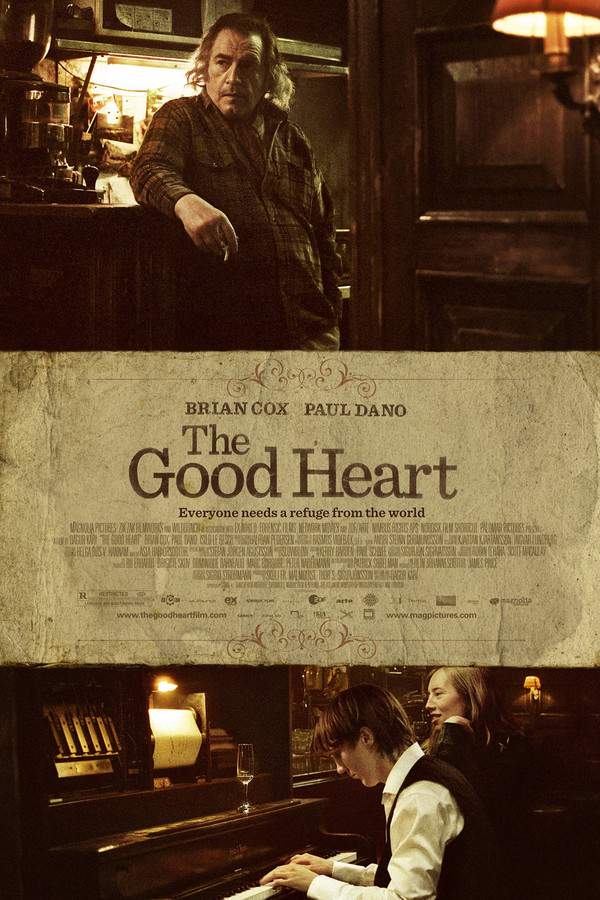
The Good Heart (2010) movie poster

Plot Summary

The Good Heart (2010) Plot Summary Explained

Release, runtime and language
2010 · 95 min · English
JustWatch #15,875 11
Directed by
Dagur Kári

A hardened New York bar owner, Jacques, finds his life transformed when he befriends Lucas, a young man living on the streets. Jacques, a man accustomed to drink and solitude, offers Lucas a place within his male-only bar. Their unexpected bond faces challenges with the arrival of April, a troubled woman seeking solace. As Jacques and Lucas navigate their evolving relationship, they must confront personal demons and the complexities of human connection.

On this page (6)
  1. 1 Where to watch
  2. 2 What happens: full plot
  3. 3 Plot questions answered
  4. 4 Movie threads
  5. 5 Movies like The Good Heart
  6. 6 Every angle

Where to watch

Where to Watch The Good Heart (2010)

Where can you watch The Good Heart? Stream, rent or buy it in the US, including on Hoopla, Kanopy and YouTube Free: current JustWatch availability with up-to-date prices.

Streaming availability powered by JustWatch

Full plot summary · contains spoilers

What Happens in The Good Heart: Full Plot Summary

The whole story of The Good Heart (2010) explained, from the opening scene to the final frame: every key event, every twist and what it all adds up to. Read it as a quick recap before the sequel, to check a scene you missed, or to finally understand what really happened.

In a gripping tale of redemption and unlikely friendship, we meet Jacques, a hot-tempered bartender portrayed by Brian Cox, who faces a life-altering moment when he suffers a heart attack. Within the walls of the hospital, he encounters Lucas, played by Paul Dano, a young homeless man who has just survived a suicide attempt. Despite their vastly different lives, an intense bond forms between them as they share a hospital room. Jacques becomes obsessed** with the idea of helping Lucas, even going so far as to dig into his medical records in search of answers.

Initially reluctant, Lucas finally capitulates and pays a visit to Jacques's bar, where he is offered a sparsely furnished room to stay. Jacques takes it upon himself to train Lucas in the intricacies of bartending; however, he finds that Lucas struggles to shake off his innate kindness towards the bar’s often abrasive patrons. Despite his harsh methods, Jacques aims to mold Lucas into his successor, believing he needs to toughen up.

As Lucas welcomes April, portrayed by Isild Le Besco, into his room, Jacques advises him to send her away. Yet, love blossoms between Lucas and April, leading them to marry and eventually leave together. This decision unnerves Jacques, but he reluctantly accepts that for the future of his bar, Lucas must be encouraged to flourish.

However, simmering jealousy arises within Lucas regarding April's interactions with the bar's clientele, leading to a breakup fraught with tension. As time passes, an unexpected transformation occurs; Jacques softens while Lucas grows harder. Tragedy strikes when Lucas is struck by a car, resulting in his untimely death. In a cruel twist of fate, Jacques receives Lucas's heart as a transplant—something he had been desperately waiting for.

Despite his previous insistence on never selling his bar, Jacques finds himself making the decision to sell it and move to a tropical paradise, where he can savor life with friends who supply him with coffee. This narrative explores themes of friendship, loss, and the profound impact that one life can have on another.**

Last updated: November 08, 2024 at 16:24

Was this helpful?

Plot questions answered

The Good Heart Plot Explained: Your Questions Answered

The questions people ask most about The Good Heart (2010): what happens in the confusing scenes, why the characters do what they do, the twists, hidden details and what the ending means. Each answer contains spoilers.

Q1

Why is Jacques so obsessed with helping Lucas?

Jacques becomes obsessed with helping Lucas because he sees a reflection of his own potential mortality in the young man. After suffering a heart attack and sharing a hospital room with Lucas, a suicide survivor, Jacques confronts his own near-death experience. He feels a profound responsibility to ensure Lucas doesn't waste the second chance at life that neither of them was guaranteed. This obsession stems from Jacques' guilt about his own hardened life and his desperate attempt to give meaning to his survival by saving someone else.

Foreshadowing: The film hints at Jacques' transformation early through his unusual investment in a stranger's wellbeing.

  • Jacques
  • Lucas
  • helping
  • hospital
  • bond
Q2

Why does Jacques dig into Lucas's medical records?

Jacques secretly accesses Lucas's medical records because he wants to understand the full extent of Lucas's situation and determine how to help him effectively. As someone who has always been in control of his environment, Jacques approaches Lucas's recovery like a problem to be solved. His obsessive nature drives him to gather any information that might give him insight into Lucas's psychological state, his homeless background, and what led to his suicide attempt. This invasive act demonstrates how far Jacques is willing to go, even crossing ethical boundaries, to fulfill his mission of rescuing Lucas.

Foreshadowing: This invasive行为 sets the tone for Jacques' intense, sometimes overbearing approach to mentorship.

  • medical records
  • privacy
  • hospital
  • Lucas
  • Jacques
Q3

Why doesn't Jacques allow women in his bar?

Jacques runs a male-only bar as a deliberate choice rooted in his bitter worldview and past disappointments. He believes women only bring complication and heartbreak, having been hurt before. The bar serves as his sanctuary, a space where he can control the environment and avoid the emotional vulnerability that relationships with women represent. This exclusionary policy also reinforces Jacques' control over his domain and reflects his broader isolation from meaningful human connection.

Foreshadowing: Jacques' rule against women foreshadows his initial resistance to April entering their lives.

  • bar
  • women
  • rule
  • Jacques
  • male-only
Q4

Why does Jacques tell Lucas to send April away?

Jacques warns Lucas to send April away because he fears that romantic love will distract Lucas from the toughening-up process Jacques believes he needs to survive. Jacques sees vulnerability as weakness, and he worries that Lucas's inherent kindness, already a liability in the abrasive bar environment, will be further compromised by emotional attachment. Additionally, Jacques struggles with any competing loyalty in Lucas's life; his need to remain the most important person in Lucas's world makes him view April as a threat to his mentorship.

Foreshadowing: Jacques' opposition to April planted the seeds of the eventual jealousy and tension that unfolds.

  • April
  • Lucas
  • Jacques
  • relationship
  • warning
Q5

Why does Lucas harden while Jacques softens?

The film presents an intentional character reversal where Jacques absorbs Lucas's kindness while Lucas adopts Jacques's harshness. This happens because Jacques' harsh training methods and the abrasive bar environment slowly corrode Lucas's optimistic nature. Meanwhile, witnessing Lucas's genuine goodness and eventual tragic fate触动Jacques' dormant capacity for compassion. The bar's customers, who are cruel and demanding, force Lucas to adopt a defensive hardness to survive, while Jacques, freed from his孤独existence through his connection to Lucas, learns to embrace vulnerability.

Foreshadowing: The gradual shift becomes evident during the bartending training scenes where Lucas struggles with the bar's harsh patrons.

  • character transformation
  • Lucas
  • Jacques
  • hardening
  • softening
Q6

How does Lucas die in The Good Heart?

Lucas dies after being struck by a car. The tragedy occurs suddenly and without warning, a random, senseless accident that claims his life while he's out in the world. This random act of fate contrasts sharply with his earlier suicide attempt, as Lucas ultimately dies accidentally rather than by his own hand. His death serves as the cruel catalyst that forces Jacques to confront the ultimate price of their connection.

Foreshadowing: The randomness of the accident underscores the film's themes of fate and the unpredictability of life.

  • Lucas
  • death
  • car accident
  • tragedy
Q7

Why does Jacques receive Lucas's heart?

Jacques receives Lucas's heart as a transplant because he had been waiting for a heart after his own heart attack. When Lucas dies from being hit by a car, his heart becomes available and is transplanted into Jacques. This ironic twist transforms their relationship into something literally inseparable, Jacques now carries Lucas's heart within him, symbolizing how deeply Lucas changed him. The transplant represents the ultimate culmination of their bond: Jacques literally keeps a piece of Lucas alive within himself.

Foreshadowing: Jacques' heart condition from his earlier attack becomes the narrative mechanism for this ironic fate.

  • heart transplant
  • Lucas
  • Jacques
  • organ
  • dying
Q8

Why does Jacques decide to sell his bar after Lucas's death?

Jacques decides to sell his bar despite previously insisting he would never sell because Lucas's death completely changes his perspective on life. The loss of the person he invested everything in forces Jacques to reassess what matters. He realizes that his bar, which once represented his control and solitude, has become a hollow reminder of what he couldn't protect. Selling the bar represents Jacques finally letting go of his grip on the past and embracing new beginnings, something Lucas would have wanted for him.

Foreshadowing: The bar sale marks the final stage of Jacques' transformation from a controlling, isolated man to someone open to change.

  • selling bar
  • Jacques
  • Lucas death
  • new life
  • moving on
Q9

Why does Lucas become jealous of April's interactions with bar customers?

Lucas becomes jealous because working in the bar has made him increasingly paranoid and hardened. The environment has taught him to see threat everywhere, and his love for April makes him hyper-vulnerable to perceived betrayal. When he sees April talking with the bar's patrons, many of whom are crude or flirtatious, Lucas's newfound harshness transforms his love into suspicion. This jealousy represents the completion of his character transformation: he has become exactly what Jacques warned him to be, but it destroys rather than protects his relationship.

Foreshadowing: The jealousy emerges gradually as Lucas adopts the bar's defensive mindset.

  • Lucas
  • April
  • jealousy
  • bar customers
  • relationship
Q10

Why do Lucas and April break up?

Lucas and April break up because Lucas's jealousy and hardened worldview poison their relationship. Unable to shake the paranoid mindset cultivated in the bar, Lucas perceives April's friendly interactions with customers as betrayal. The tension escalates until it shatters their marriage, and April leaves. This breakup marks the point of no return for Lucas, he has fully sacrificed his inherent kindness for the tough exterior Jacques tried to teach him, but it brings him only loss.

Foreshadowing: The breakup scene directly follows the escalation of Lucas's jealousy.

  • breakup
  • Lucas
  • April
  • marriage
  • jealousy
Q11

Why does Lucas eventually visit Jacques's bar?

Lucas finally visits Jacques's bar because, despite his initial reluctance, he has nowhere else to go and no one else who has shown him genuine care. Jacques's persistent encouragement and the offer of a room convince Lucas to give this new path a chance. Lucas is drawn to the possibility of a structured life and a mentor figure, things he has lacked while living on the streets. His decision represents his first step toward accepting help and attempting to rebuild his life.

Foreshadowing: Lucas's visit marks the pivotal turning point that sets the entire remainder of the film in motion.

  • Lucas
  • bar
  • Jacques
  • visiting
  • homeless

Movie threads

More Movies Like The Good Heart, by Mood & Story

Curated lists built around what makes The Good Heart tick: the same mood, the same kind of story or the same emotional payoff. Each list explains why these movies belong together.

Movies about claustrophobic found family like The Good Heart

Damaged souls find unexpected connection in confined, pressure-cooker environments. If you liked the raw, confining atmosphere of The Good Heart's bar, explore more movies where unlikely friendships blossom in tight spaces. These dramas focus on how closed environments shape intense, redemptive bonds between broken characters, leading to profound change.

  • claustrophobic
  • raw
  • tender
  • unsettling
  • redemptive
  • melancholic
  • Tone: bittersweet, raw
  • Pacing: steady, deliberate
Why these movies?

The story pattern: These narratives often begin with isolated individuals thrown together in a confined setting—a bar, a diner, a single apartment. The limited world forces confrontation and intimacy, driving character development through intense, inescapable interaction. The story arcs revolve around breaking down emotional walls and building a fragile, new sense of belonging.

Why they belong together: Movies are grouped here for their shared focus on intense, character-driven relationships that develop within a constrained physical or emotional space. They share a mood that is simultaneously raw, melancholic, and tender, exploring the transformative power of forced proximity.

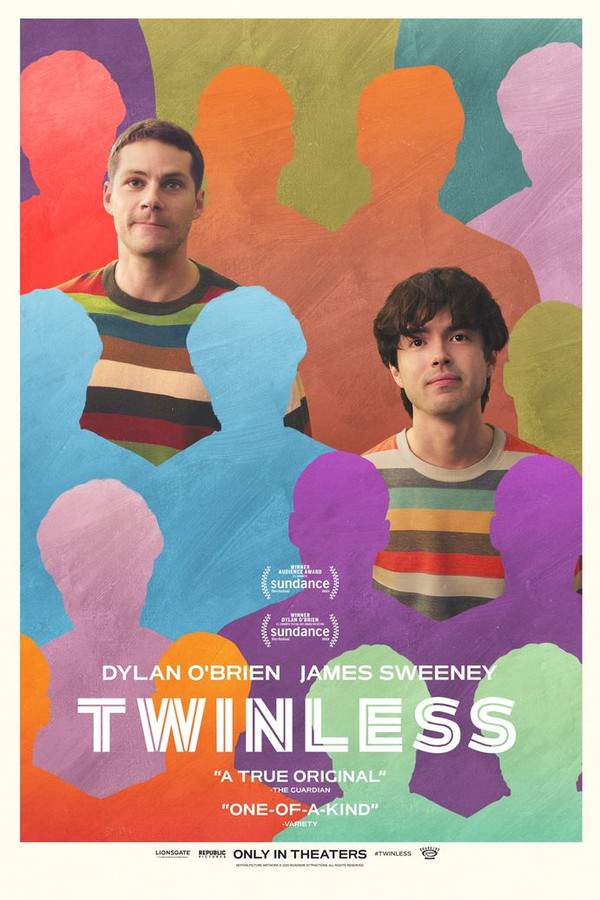
Movies about bittersweet redemption like The Good Heart

Personal transformation comes at a profound and permanent emotional cost. For viewers who appreciated the heavy, poignant redemption arc in The Good Heart, this list features similar dramas where healing and personal growth are achieved through sacrifice. These films explore the complex truth that becoming a better person often comes with a deep, bittersweet cost.

  • bittersweet
  • melancholic
  • redemptive
  • contemplative
  • heavy
  • tender
  • Tone: bittersweet, melancholic
  • Pacing: steady, character-driven
Why these movies?

The story pattern: The central narrative pattern involves a flawed, often hardened protagonist whose path to a softer, better self is catalyzed by a relationship with a more innocent character. This transformation, however, is not free; it is paid for by the suffering or loss of that very connection, resulting in an ending that is redemptive yet deeply sorrowful.

Why they belong together: These films are united by a specific emotional and narrative structure: a heavy, bittersweet tone where positive character change is directly tied to tragic consequence. They deliver a powerful, contemplative experience focused on the complexities of grief, loss, and the fragile nature of human connection.

If you liked this

Movies Like The Good Heart

Similar movies to The Good Heart: the same genre, themes or kind of story. Each one comes with its own plot summary, timeline and ending explained.

Browse all movie summaries

Every angle

The Good Heart (2010) Explained: Plot, Timeline & Characters

Everything about The Good Heart in one place: what happens in the plot summary, the timeline in chronological order, the characters and meaning and a spoiler-free summary. What's After the Movie adds the cast, box office and post-credit scenes.

Coming soon on iOS and Android

The Plot Explained Movie Summary App

Plot summaries, endings explained and timelines on your phone. Catch up on any movie in minutes, save your favorites and never miss a twist again.

Be the first to know when we launch. Your email stays private, always.

Learn more about the app