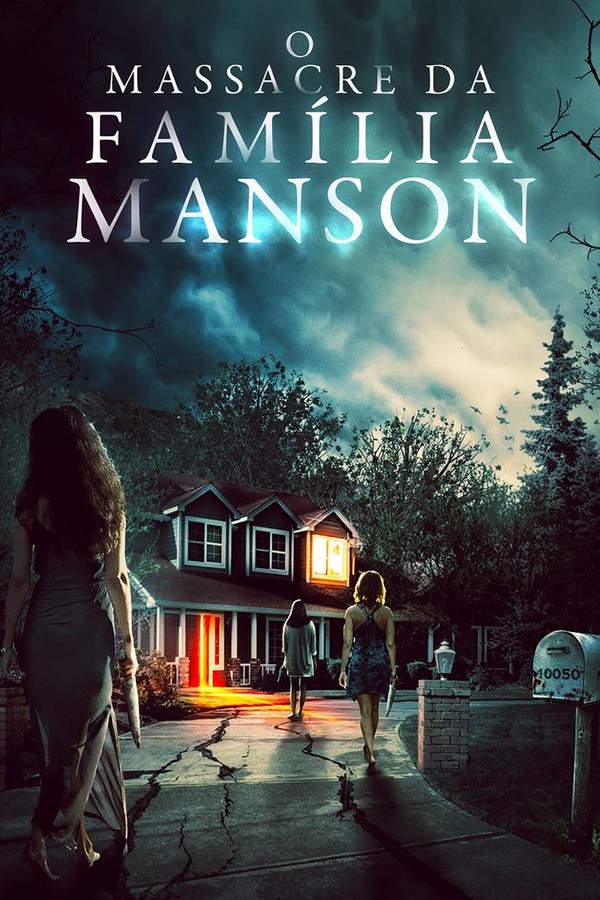
The Manson Family
Year: 2004
Runtime: 95 min
Language: English
Director: Jim Van Bebber
Budget: $18M
A struggling musician moves into a dilapidated mansion with a dark history. As she tries to rebuild her life, she finds herself increasingly disturbed by unsettling visions and a growing sense of dread. The oppressive atmosphere and lingering darkness within the house begin to affect her mental state, blurring the line between reality and horrifying nightmares, and threatening her sanity.
Warning: spoilers below!
Haven’t seen The Manson Family yet? This summary contains major spoilers. Bookmark the page, watch the movie, and come back for the full breakdown. If you're ready, scroll on and relive the story!
Timeline – The Manson Family (2004)
Trace every key event in The Manson Family (2004) with our detailed, chronological timeline. Perfect for unpacking nonlinear stories, spotting hidden connections, and understanding how each scene builds toward the film’s climax. Whether you're revisiting or decoding for the first time, this timeline gives you the full picture.
Last updated: November 22, 2024 at 13:54
The Manson Family (2004) Timeline Questions Answered – Chronology FAQ
Find frequently asked questions about the The Manson Family (2004) timeline, including chronological order, nonlinear jumps, cause-and-effect links, and scene sequence clarifications. This timeline FAQ helps explain when key events happen, how moments connect, and why the story unfolds in that specific order.
Why did Charlie order the Cielo Drive murders?
Charlie ordered the Cielo Drive murders as part of his strategy to incite a race war he called "Helter Skelter." He believed that by committing brutal murders and leaving messages, it would spark a revolution that would overthrow the government and elevate the Manson Family to power. The house at Cielo Drive was targeted because it belonged to Roman Polanski, who Charlie believed was a wealthy Hollywood figure whose murder would generate maximum publicity for their cause.
How did Tex Watson become the leader of the Cielo Drive murders?
Tex Watson rose to prominence within the Manson Family through his unwavering loyalty to Charlie and his willingness to carry out violent acts. After joining the Family at Spahn Ranch, he quickly became Charlie's most trusted enforcer. His violent tendencies and complete adherence to Charlie's ideology made him the perfect candidate to lead the Cielo Drive mission, which included Susan Atkins, Patricia Krenwinkel, and Linda Kasabian.
Earlier scenes at the ranch show Tex's escalating violence, including participating in the assault of Simi and expressing fear of Charlie's vengeance.
Why was Gary Hinman murdered?
Bobby Beausoleil and Susan Atkins targeted music teacher Gary Hinman because they believed he was wealthy and could be robbed. When the robbery went wrong and Hinman refused to give them money, they held him captive for two days. When Charlie arrived, he cut off Hinman's ear in an attempt to force compliance, but ultimately Bobby killed him when the situation spiraled beyond control.
Why was Donald Shea killed by the Manson Family?
Charlie ordered the murder of Donald Shea two weeks after the LaBianca murders because he became paranoid that Shea knew too much about the Family's activities. Charlie feared that Shea could expose their criminal operations, so he had him eliminated to prevent any potential testimony or investigation that might unravel their web of crimes.
Charlie's paranoia increases progressively throughout the film as law enforcement closes in.
Why was Jack Wilson killed at the end of the film?
Jack Wilson, the filmmaker who documented the Manson Family, was murdered by a group of youths who were influenced by Charlie's ideology. This ending serves as a chilling reflection of how the Manson Family's violence and manipulation created a legacy that continued to inspire copycat violence, showing that the horror documented in the film metastasized beyond the original perpetrators.
The film establishes Charlie's continued influence over disillusioned youth even from prison.
What was the significance of "political piggy" written on Gary Hinman's wall?
Susan Atkins wrote "political piggy" on Gary Hinman's wall using his own blood after his murder. This was meant to frame the murder as a political statement connected to the Black Panther movement, aligning with Charlie's plan to create chaos and mislead investigators. The message was intended to direct police attention away from the Manson Family and toward radical political groups.
Why did Susan Atkins participate in the Cielo Drive murders?
Susan Atkins participated in the Cielo Drive murders because of her complete devotion to Charlie and his ideology. She believed in the "Helter Skimmer" prophecy and wanted to prove her loyalty to the Family. At Cielo Drive, she specifically targeted Abigail Folger, stabbing her repeatedly in the kitchen before slashing her throat, demonstrating how deeply brainwashed members became willing to commit horrific acts for Charlie's approval.
Susan's willingness to engage in violent acts is foreshadowed by her role in the Gary Hinman murder.
What caused the Manson Family to escalate from burglaries to murder?
The escalation from burglaries to murder was driven by several factors: Charlie's growing frustration with his failed music career and rejection by society, the increasing paranoia and violence within the Family, and Charlie's deluded belief that a violent revolution was necessary. The murder of Gary Hinman marked a turning point where the Family crossed a definitive line into homicide, making subsequent murders psychologically easier to commit.
The burglary spree and the murder of Lotsapoppa demonstrate the Family's progressive descent into violence.
Why was Lotsapoppa killed?
Lotsapoppa was an African American drug dealer whom Charlie suspected of having connections to the Black Panthers. When a drug deal went awry, Charlie's paranoia led him to believe Lotsapoppa was a threat. In a fit of rage, Charlie murdered him, using the supposed political motive to further his narrative of impending racial war. This killing demonstrated Charlie's willingness to kill based on suspicion and his manipulation of racial tensions.
Why did Linda Kasabian participate in the murders if she didn't kill anyone?
Linda Kasabian was present during the Cielo Drive and LaBianca murders but did not directly kill anyone. She served as a lookout and was largely frozen in horror during the attacks. Despite not committing the actual killings, her presence and participation made her complicit in the crimes. She remained with the Family due to brainwashing and fear of Charlie, demonstrating how cult members could be trapped in situations they found morally repugnant.
Earlier scenes show Linda's growing unease with the Family's violent activities.
Why did Bobby Beausoleil kill Gary Hinman?
Bobby Beausoleil killed Gary Hinman during the botched robbery when the situation escalated beyond control. After Charlie cut off Hinman's ear in an attempt to force him to reveal where his money was hidden, Bobby stabbed Hinman in the chest when Hinman still refused to cooperate. The murder was a result of panic and the group's inability to manage the crisis they created, combined with Bobby's growing willingness to commit violence for Charlie.
Bobby's violent tendencies are shown earlier in the film during burglaries and the puppy sacrifice.
How did LSD use affect the Manson Family's actions?
Excessive LSD consumption was central to the Manson Family's control and actions. Charlie used LSD to manipulate followers, making them more susceptible to his ideology and more compliant with violent acts. The drug-fueled environment blurred reality and fantasy for members, making extreme behavior seem normal. The film shows how the LSD haze contributed to the gang rape of Simi and created a surreal atmosphere where members could commit atrocities without fully processing the consequences.
Why was Charlie Manson so desperate for a record deal?
Charlie Manson was desperate for a record deal because he believed achieving mainstream success would validate his ideology and provide a platform to spread his message to a wider audience. His rejection by the music industry deepened his resentment toward mainstream society and reinforced his belief that the world was against him. This rejection fueled his descent into violence and his determination to achieve notoriety through criminal means instead.
The Manson Family recruited vulnerable individuals, particularly young women, by offering community, love, and a sense of belonging. Members would approach potential recruits at beaches, parks, or through mutual connections, enticing them with promises of free love, drugs, and an alternative lifestyle. Once integrated into the Family, Charlie's manipulation and psychological control ensured their loyalty and willingness to engage in increasingly violent activities.

Explore Movie Threads
Discover curated groups of movies connected by mood, themes, and story style. Browse collections built around emotion, atmosphere, and narrative focus to easily find films that match what you feel like watching right now.
True Crime Descent Movies Like The Manson Family
Unflinching explorations of real-life criminals and their descent into depravity.If you were captivated by the grim portrayal in The Manson Family, explore more movies like it. This section features similar true crime stories and documentaries that detail real-life criminal psychology, cults, and brutal crime sprees with an unflinching, dark intensity.







Narrative Summary
Narratives in this thread often follow a linear or episodic structure, charting the formation of a criminal group or individual, their escalating actions, and the eventual violent climax. The focus is on the 'how' and 'why' of the crime, frequently exploring themes of manipulation, societal decay, and psychological breakdown.
Why These Movies?
Movies are grouped here based on their foundation in real-world atrocities, their commitment to a dark and serious tone, and their heavy emotional weight. They share a common goal of immersing the viewer in a disturbing, fact-based narrative rather than providing escapist entertainment.
Movies About Psychological Unraveling Like The Manson Family
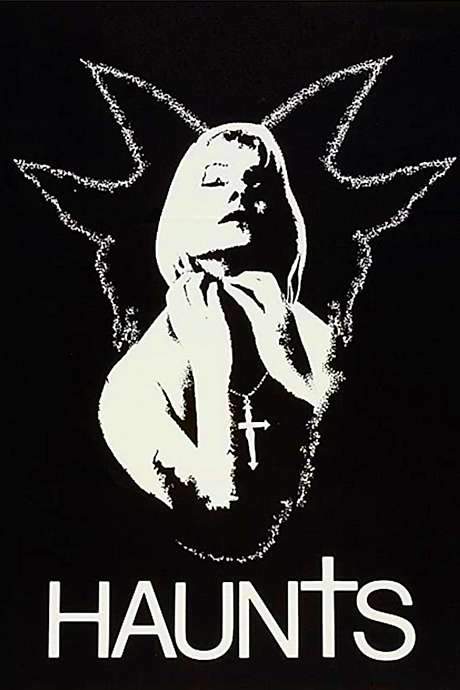
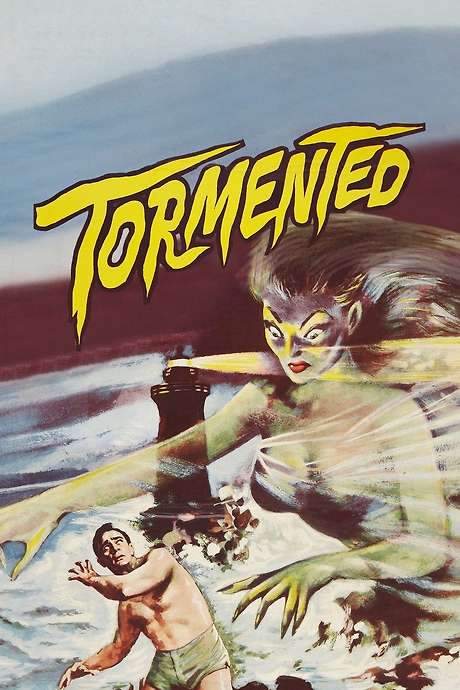
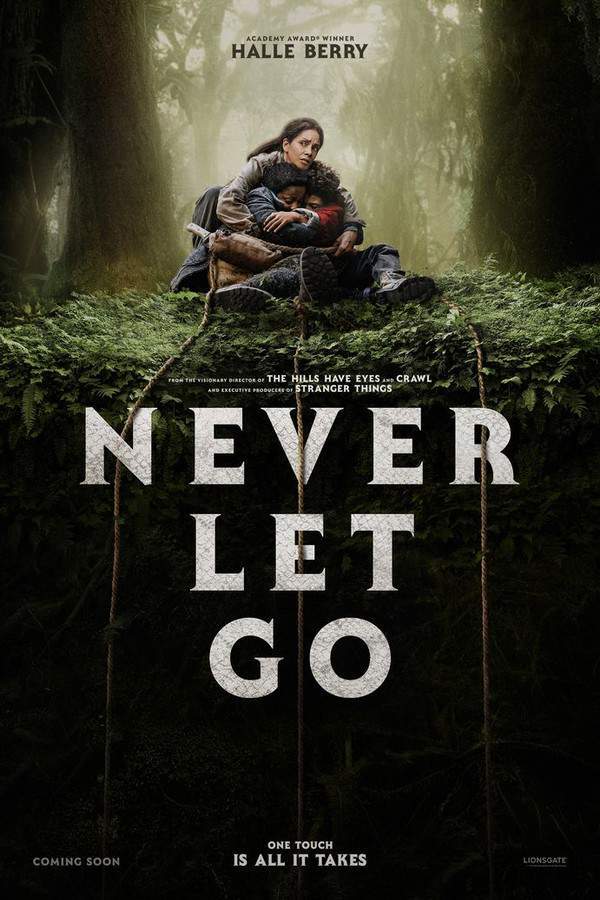
Stories where a sinister environment corrodes a character's sanity.For viewers who appreciated the psychological horror and oppressive atmosphere of The Manson Family, this list curates similar movies about characters losing their grip on reality. Discover films with a steady pace, high tension, and a bleak feel that explore the fragility of the mind.










Narrative Summary
The narrative pattern involves a protagonist, often already vulnerable, entering a situation or location that exerts a negative psychological influence. Through a steady accumulation of unsettling events and visions, their perception of reality becomes unreliable, leading to a climax that confirms their descent into madness or a bleak acceptance of the horror.
Why These Movies?
These films are united by their focus on internal horror over external threats. They share a high-tension, oppressive mood, a steady pacing that builds dread, and a narrative arc centered on psychological collapse. The experience is less about jump scares and more about a sustained, chilling unease.
Unlock the Full Story of The Manson Family
Don't stop at just watching - explore The Manson Family in full detail. From the complete plot summary and scene-by-scene timeline to character breakdowns, thematic analysis, and a deep dive into the ending - every page helps you truly understand what The Manson Family is all about. Plus, discover what's next after the movie.
The Manson Family Summary
Read a complete plot summary of The Manson Family, including all key story points, character arcs, and turning points. This in-depth recap is ideal for understanding the narrative structure or reviewing what happened in the movie.

Characters, Settings & Themes in The Manson Family
Discover the characters, locations, and core themes that shape The Manson Family. Get insights into symbolic elements, setting significance, and deeper narrative meaning - ideal for thematic analysis and movie breakdowns.


