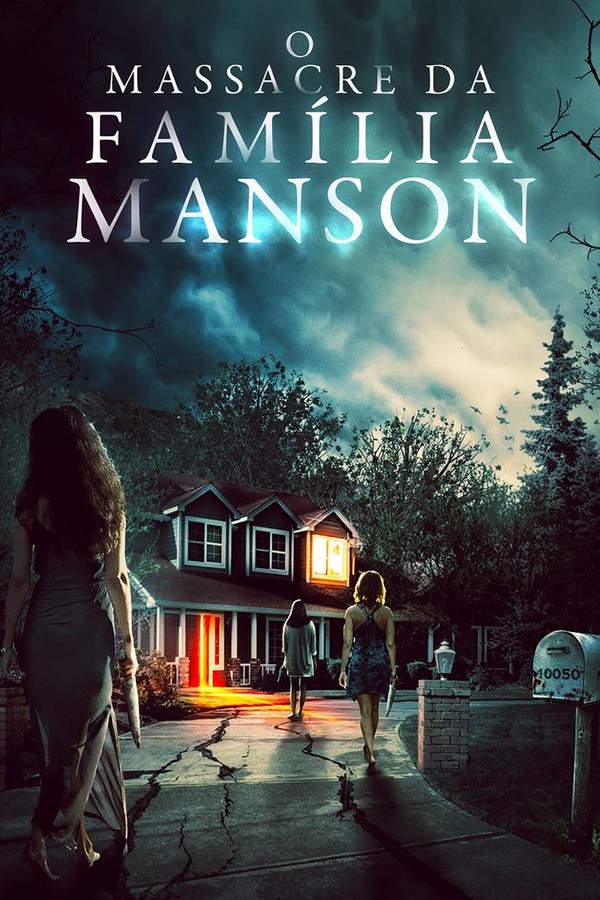
The Manson Family
Year: 2004
Runtime: 95 min
Language: English
Director: Jim Van Bebber
Budget: $18M
A struggling musician moves into a dilapidated mansion with a dark history. As she tries to rebuild her life, she finds herself increasingly disturbed by unsettling visions and a growing sense of dread. The oppressive atmosphere and lingering darkness within the house begin to affect her mental state, blurring the line between reality and horrifying nightmares, and threatening her sanity.
Warning: spoilers below!
Haven’t seen The Manson Family yet? This summary contains major spoilers. Bookmark the page, watch the movie, and come back for the full breakdown. If you're ready, scroll on and relive the story!
Timeline & Setting – The Manson Family (2004)
Explore the full timeline and setting of The Manson Family (2004). Follow every major event in chronological order and see how the environment shapes the story, characters, and dramatic tension.
Last updated: October 22, 2024 at 22:20
Main Characters – The Manson Family (2004)
Meet the key characters of The Manson Family (2004), with detailed profiles, motivations, and roles in the plot. Understand their emotional journeys and what they reveal about the film’s deeper themes.
Last updated: October 22, 2024 at 22:20
Major Themes – The Manson Family (2004)
Explore the central themes of The Manson Family (2004), from psychological, social, and emotional dimensions to philosophical messages. Understand what the film is really saying beneath the surface.
Last updated: October 22, 2024 at 22:20
The Manson Family (2004) Character & Theme Questions Answered – Info FAQ
Browse frequently asked questions about The Manson Family (2004) focused on characters, relationships, themes, symbols, setting, and story context. This movie info FAQ gives spoiler-aware explanations for character arcs, world details, and thematic interpretation so readers can better understand what the film is really about.
Where is The Manson Family set?
The film is primarily set at Spahn Ranch, a former film set turned commune on the outskirts of Los Angeles, and later at Cielo Drive in Los Angeles, the residential street that became infamous for the murders.
What time period does the movie depict?
The Manson Family takes place during the summer of 1969, a pivotal moment in American history marked by the counter-culture movement, the Woodstock festival era, and the notorious crime spree that terrorized Los Angeles.
What is the Cult Influence theme about in the film?
The film explores how Charles Manson manipulated and controlled his followers, illustrating how ideology can lead to horrific outcomes. It shows the disturbing allure of belonging that drove individuals to commit unspeakable acts, highlighting how easily one can lose their identity within a toxic community.
How does the Violence theme work in the movie?
The film portrays extreme violence through the Manson Family's heinous actions, using the juxtaposition of peace and violence to capture the chaotic spirit of the era. It reveals the potential darkness lurking beneath the surface of the counter-culture movement.
What role does Drug Culture play in The Manson Family?
The film depicts rampant drug use, especially LSD and marijuana, as a significant factor that distorted reality and contributed to moral decay. It showcases how substance abuse was intertwined with the darker side of 1960s experimentation and the group's descent into criminal behavior.
Who is Charles Manson in the film?
Charles Manson is portrayed as the charismatic but manipulative leader of the Manson Family. His vision of a utopian community turns into a nightmare as he incites his followers to commit horrific crimes, embodying the toxic influence of cult leaders who exploit vulnerable individuals.
Who is Tex Watson in the story?
Tex Watson is depicted as a key member of the Manson Family, shown as both a devoted follower and a perpetrator of violence. His character illustrates the transformation from a seemingly carefree youth to a cold-blooded killer who executes the group's orders.
Who is Susan Atkins in the movie?
Susan Atkins is depicted as an eager participant in the Manson Family's violent acts. Her character reflects the psychological manipulation within the group, showcasing how she becomes desensitized to brutality and embodies the chilling effects of indoctrination on young minds.
Why is Los Angeles significant to the story?
Los Angeles serves as the primary backdrop for the Manson Family's crimes. Spahn Ranch provided the remote commune location while Cielo Drive became the site of the infamous murders, marking the city in its dark history.

Explore Movie Threads
Discover curated groups of movies connected by mood, themes, and story style. Browse collections built around emotion, atmosphere, and narrative focus to easily find films that match what you feel like watching right now.
True Crime Descent Movies Like The Manson Family
Unflinching explorations of real-life criminals and their descent into depravity.If you were captivated by the grim portrayal in The Manson Family, explore more movies like it. This section features similar true crime stories and documentaries that detail real-life criminal psychology, cults, and brutal crime sprees with an unflinching, dark intensity.








Narrative Summary
Narratives in this thread often follow a linear or episodic structure, charting the formation of a criminal group or individual, their escalating actions, and the eventual violent climax. The focus is on the 'how' and 'why' of the crime, frequently exploring themes of manipulation, societal decay, and psychological breakdown.
Why These Movies?
Movies are grouped here based on their foundation in real-world atrocities, their commitment to a dark and serious tone, and their heavy emotional weight. They share a common goal of immersing the viewer in a disturbing, fact-based narrative rather than providing escapist entertainment.
Movies About Psychological Unraveling Like The Manson Family
Stories where a sinister environment corrodes a character's sanity.For viewers who appreciated the psychological horror and oppressive atmosphere of The Manson Family, this list curates similar movies about characters losing their grip on reality. Discover films with a steady pace, high tension, and a bleak feel that explore the fragility of the mind.













Narrative Summary
The narrative pattern involves a protagonist, often already vulnerable, entering a situation or location that exerts a negative psychological influence. Through a steady accumulation of unsettling events and visions, their perception of reality becomes unreliable, leading to a climax that confirms their descent into madness or a bleak acceptance of the horror.
Why These Movies?
These films are united by their focus on internal horror over external threats. They share a high-tension, oppressive mood, a steady pacing that builds dread, and a narrative arc centered on psychological collapse. The experience is less about jump scares and more about a sustained, chilling unease.
Unlock the Full Story of The Manson Family
Don't stop at just watching - explore The Manson Family in full detail. From the complete plot summary and scene-by-scene timeline to character breakdowns, thematic analysis, and a deep dive into the ending - every page helps you truly understand what The Manson Family is all about. Plus, discover what's next after the movie.
The Manson Family Summary
Read a complete plot summary of The Manson Family, including all key story points, character arcs, and turning points. This in-depth recap is ideal for understanding the narrative structure or reviewing what happened in the movie.

The Manson Family Timeline
Track the full timeline of The Manson Family with every major event arranged chronologically. Perfect for decoding non-linear storytelling, flashbacks, or parallel narratives with a clear scene-by-scene breakdown.


