
The Man Who Broke the Bank at Monte Carlo
Year: 1935
Runtime: 71 mins
Language: English
Director: Stephen Roberts
Set just after World War I, a Russian prince travels to Monte Carlo with a fortune provided by fellow Russians living in Paris. He makes a million‑to‑one wager and scores a spectacular win, but the casino’s management demands he honor the house tradition by returning to the tables, sparking a tense showdown between his pride and the high‑stakes gambling world.
Warning: spoilers below!
Haven’t seen The Man Who Broke the Bank at Monte Carlo yet? This summary contains major spoilers. Bookmark the page, watch the movie, and come back for the full breakdown. If you're ready, scroll on and relive the story!
Timeline – The Man Who Broke the Bank at Monte Carlo (1935)
Trace every key event in The Man Who Broke the Bank at Monte Carlo (1935) with our detailed, chronological timeline. Perfect for unpacking nonlinear stories, spotting hidden connections, and understanding how each scene builds toward the film’s climax. Whether you're revisiting or decoding for the first time, this timeline gives you the full picture.
Last Updated: October 09, 2025 at 10:50

Explore Movie Threads
Discover curated groups of movies connected by mood, themes, and story style. Browse collections built around emotion, atmosphere, and narrative focus to easily find films that match what you feel like watching right now.
Glamorous romantic gamble movies like The Man Who Broke the Bank at Monte Carlo
Love and luck intertwine in the dazzling world of high-stakes casinos.If you enjoyed the charming mix of romance and high-stakes gambling in The Man Who Broke the Bank at Monte Carlo, you'll love these other films. They capture a similar sophisticated, playful vibe in glamorous settings where fortune and love are on the line.

Monte Carlo
2011
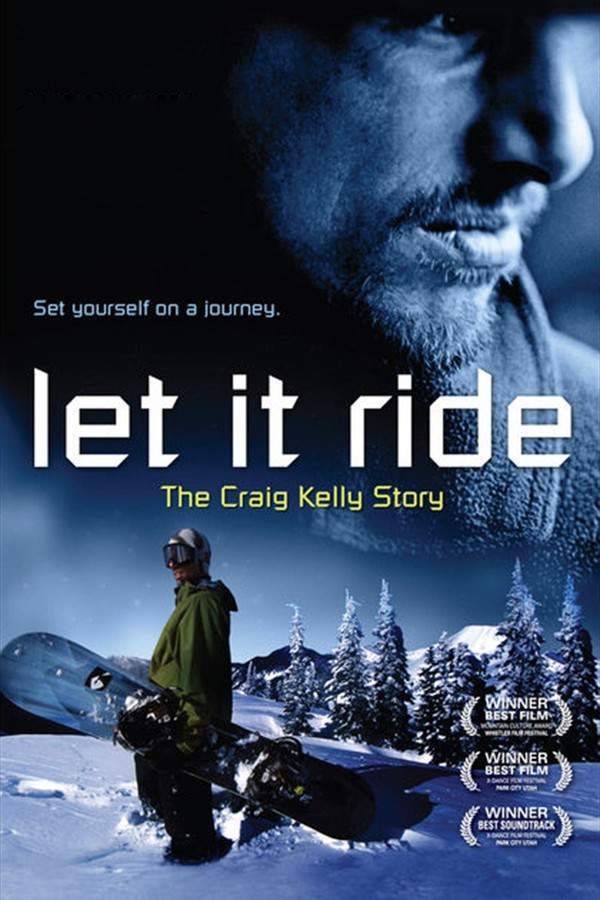
Let It Ride
1989

What Happens in Vegas
2008
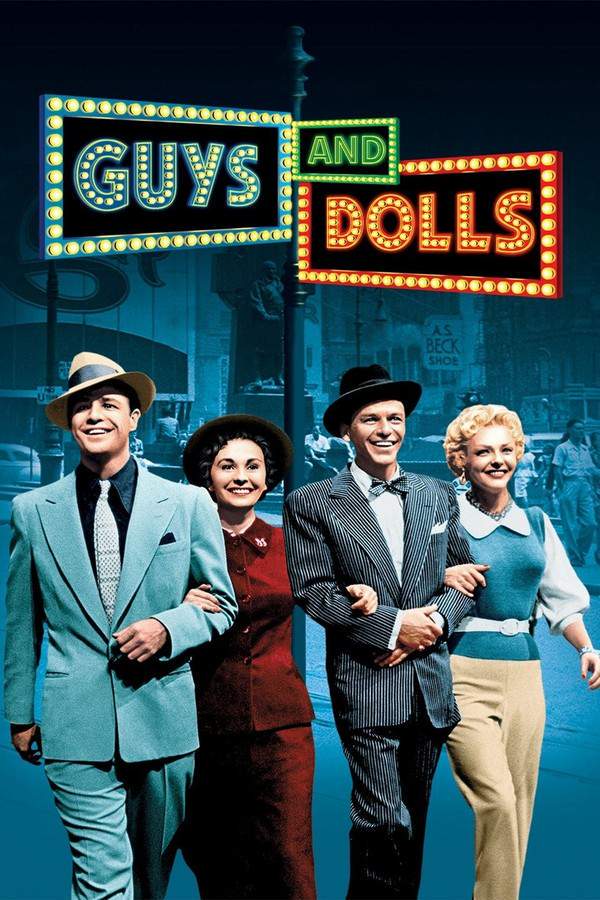
Guys and Dolls
1955
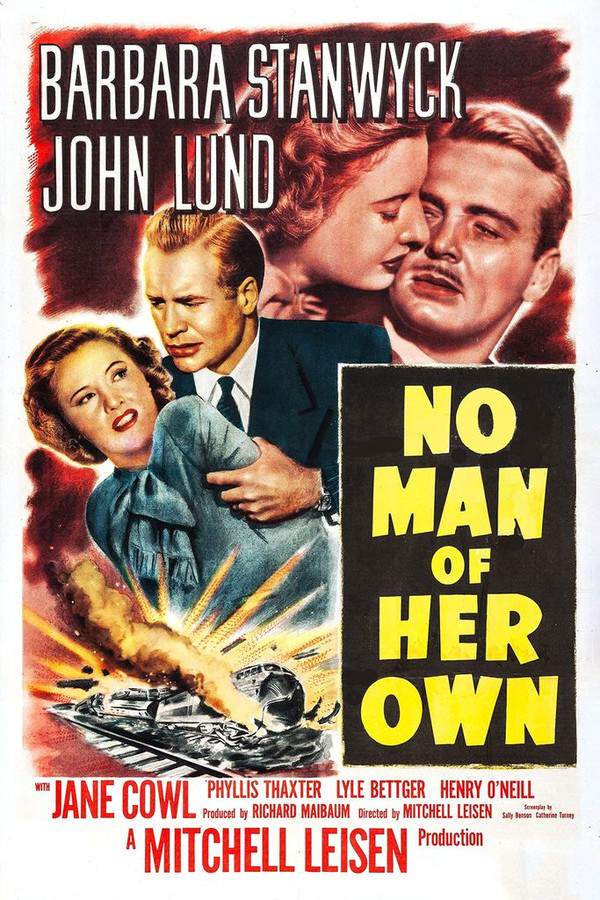
No Man of Her Own
1932

Surrender
1987

Lovin’ the Ladies
1930

Meet Me in Las Vegas
1956

Lucky Partners
1940
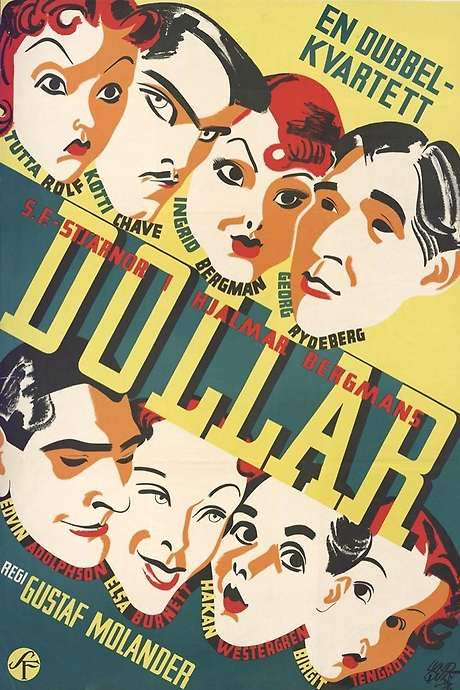
Dollar
1938
The Man Who Broke the Bank at Monte Carlo
1935

The Great Lover
1949

Car of Dreams
1935

The Monte Carlo Story
1956

Let’s Make It Legal
1951
Narrative Summary
These narratives typically follow a charismatic protagonist who enters a world of wealth and chance, often achieving a spectacular but precarious win. A romantic entanglement, sometimes involving deception, tests their priorities, leading to a climax where they must choose between fortune and love, culminating in a happy resolution that values relationships over riches.
Why These Movies?
These films are grouped together for their shared blend of a LIGHT, charming tone, a STEADY, event-driven pace, and a focus on the playful tension between romantic pursuit and financial risk. They create a sophisticated, low-stress experience centered on character charm and glamorous settings.
Movies with charming deceptions and redemptions like The Man Who Broke the Bank at Monte Carlo
Playful deceptions lead to heartfelt redemptions in sophisticated settings.For fans of the playful romantic deception in The Man Who Broke the Bank at Monte Carlo, this list features similar stories where charming characters use wit and cunning, leading to eventual heartfelt redemption. Discover more sophisticated comedies about love, lies, and happy endings.

Heartbreaker
2010
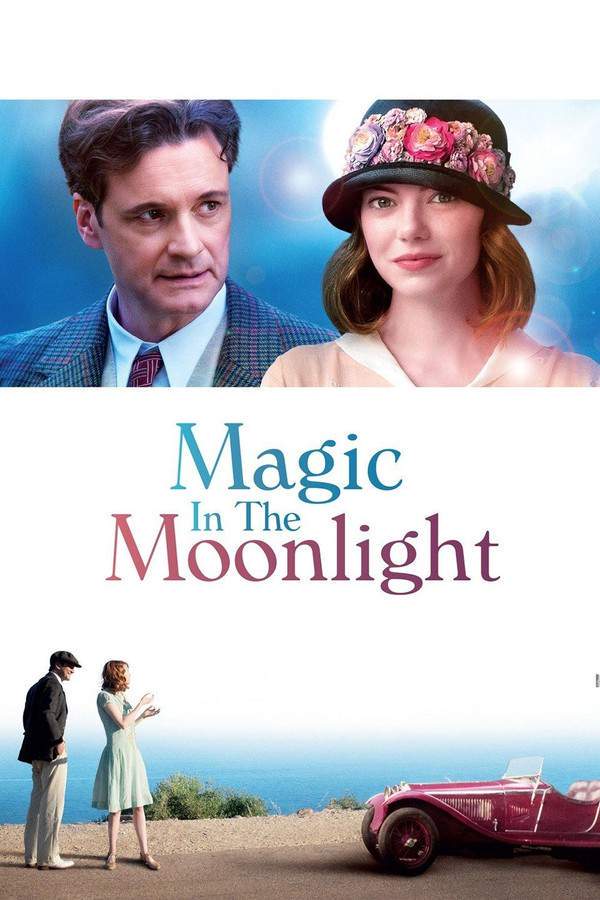
Magic in the Moonlight
2014

Priceless
2008
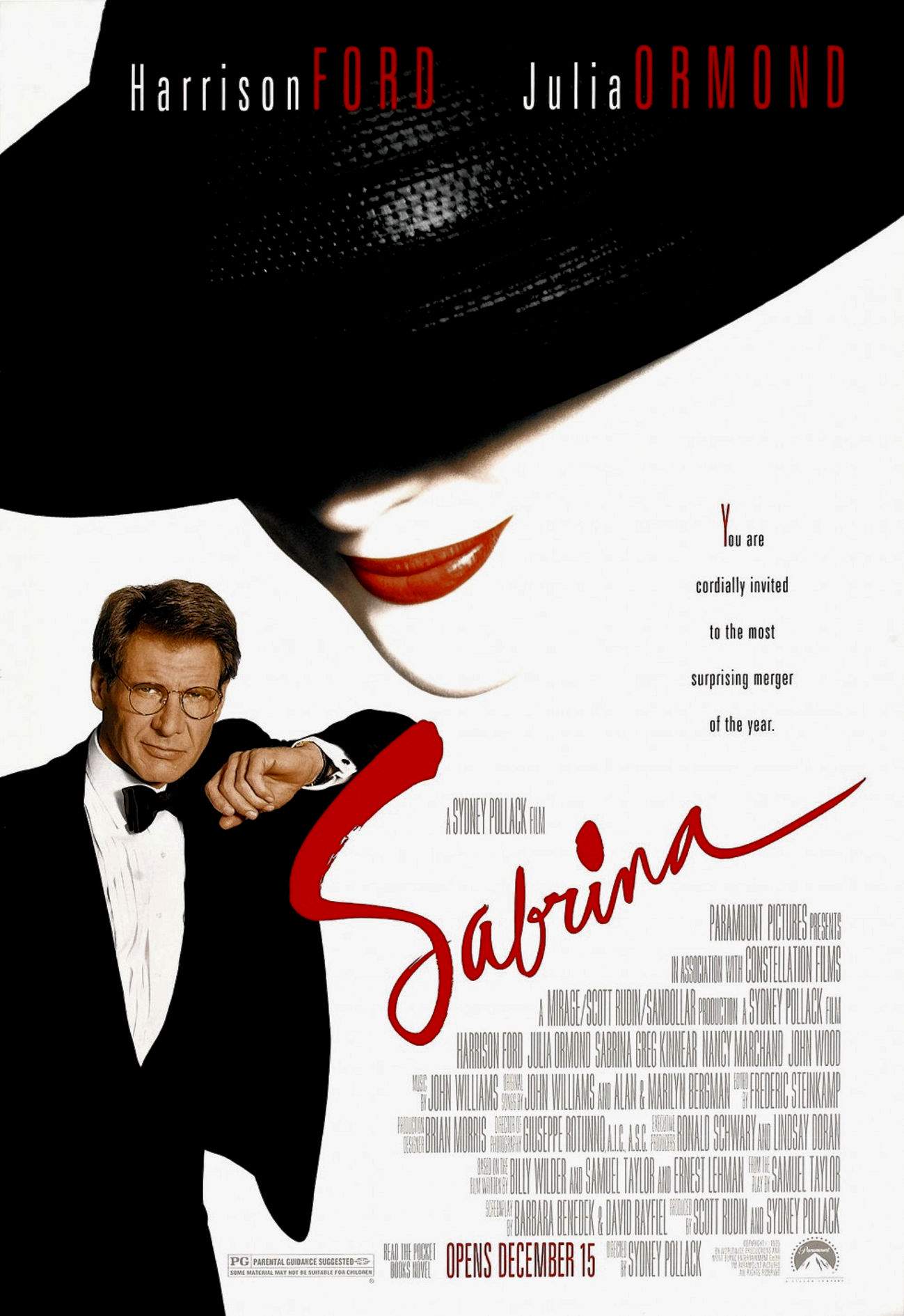
Sabrina
1995

The Grand Seduction
2014
School for Scoundrels
2006
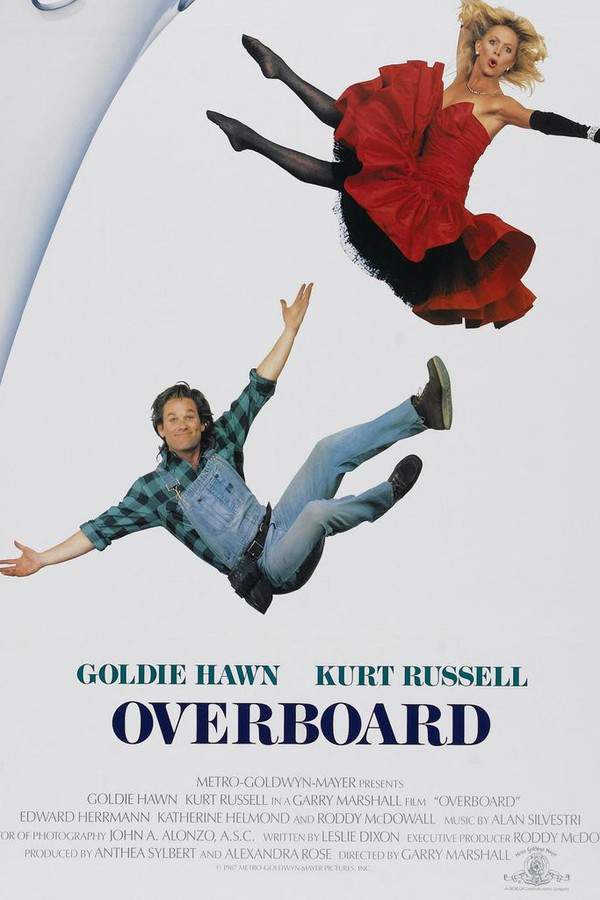
Overboard
2018

Mr. Malcolm’s List
2019

Champagne
1928

She Knew All the Answers
1941
Lovin’ the Ladies
1930

I’d Rather Be Rich
1964

A New Kind of Love
1963

The Lovable Cheat
1949
Indiscreet
1958
Narrative Summary
The story arc begins with a deception, such as a character pretending to be someone they're not for financial or romantic gain. This creates a playful, sometimes tense, dynamic with another character. The conflict escalates until the truth is revealed, forcing a moment of choice and character growth, which resolves in a happy ending that affirms the value of authenticity and genuine connection.
Why These Movies?
This thread unites films based on their shared narrative pattern of lighthearted deception and eventual redemption, a LIGHT emotional weight, and a STRAIGHTFORWARD plot structure. The similarity lies in the specific character journey from playful cunning to honest reconciliation, creating a satisfying and morally clear experience.
Unlock the Full Story of The Man Who Broke the Bank at Monte Carlo
Don't stop at just watching — explore The Man Who Broke the Bank at Monte Carlo in full detail. From the complete plot summary and scene-by-scene timeline to character breakdowns, thematic analysis, and a deep dive into the ending — every page helps you truly understand what The Man Who Broke the Bank at Monte Carlo is all about. Plus, discover what's next after the movie.
The Man Who Broke the Bank at Monte Carlo Summary
Read a complete plot summary of The Man Who Broke the Bank at Monte Carlo, including all key story points, character arcs, and turning points. This in-depth recap is ideal for understanding the narrative structure or reviewing what happened in the movie.

Characters, Settings & Themes in The Man Who Broke the Bank at Monte Carlo
Discover the characters, locations, and core themes that shape The Man Who Broke the Bank at Monte Carlo. Get insights into symbolic elements, setting significance, and deeper narrative meaning — ideal for thematic analysis and movie breakdowns.

The Man Who Broke the Bank at Monte Carlo Spoiler-Free Summary
Get a quick, spoiler-free overview of The Man Who Broke the Bank at Monte Carlo that covers the main plot points and key details without revealing any major twists or spoilers. Perfect for those who want to know what to expect before diving in.


Similar Movies to The Man Who Broke the Bank at Monte Carlo
Discover movies like The Man Who Broke the Bank at Monte Carlo that share similar genres, themes, and storytelling elements. Whether you’re drawn to the atmosphere, character arcs, or plot structure, these curated recommendations will help you explore more films you’ll love.
Monte Carlo
2011

Billion
2019

A Man, a Woman and a Bank
1979

The Man Who Broke the Ice
1972

Monte Carlo or Bust!
1969

The Man in the Buick
1968

How to Steal a Million
1966

Monte Carlo Nights
1934

The Thief Who Came to Dinner
1973

The Grand Manoeuvre
1955

Bank Robber
1993

The Story of a Cheat
1936

Monte Carlo
1930
The Monte Carlo Story
1956

Charlie Chan at Monte Carlo
1937
Explore More About Movie The Man Who Broke the Bank at Monte Carlo
The Man Who Broke the Bank at Monte Carlo (1935) Plot Summary & Movie Recap
The Man Who Broke the Bank at Monte Carlo (1935) Scene-by-Scene Movie Timeline
The Man Who Broke the Bank at Monte Carlo (1935) Spoiler-Free Summary & Key Flow
Movies Like The Man Who Broke the Bank at Monte Carlo – Similar Titles You’ll Enjoy
Monte Carlo (2011) Spoiler-Packed Plot Recap
Billion (2019) Complete Plot Breakdown
A Man, a Woman and a Bank (1979) Full Movie Breakdown
The Man Who Broke the Ice (1972) Full Summary & Key Details
Monte Carlo or Bust! (1969) Complete Plot Breakdown
The Man in the Buick (1968) Full Movie Breakdown
How to Steal a Million (1966) Plot Summary & Ending Explained
Monte Carlo Nights (1934) Spoiler-Packed Plot Recap
The Thief Who Came to Dinner (1973) Film Overview & Timeline
The Grand Manoeuvre (1955) Plot Summary & Ending Explained
Bank Robber (1993) Plot Summary & Ending Explained
The Story of a Cheat (1936) Plot Summary & Ending Explained
Monte Carlo (1930) Full Summary & Key Details
The Monte Carlo Story (1956) Story Summary & Characters
Charlie Chan at Monte Carlo (1937) Full Summary & Key Details