Plot Explained Spoilers guaranteed!
Plot Explained

Browse by genre

The Thief Who Came to Dinner (1973) movie poster

Plot Summary

The Thief Who Came to Dinner (1973) Plot Summary Explained

Release, runtime and language
1973 · 104 mins · English
Directed by
Bud Yorkin
Starring
Ryan O'Neal, Warren Oates, Jill Clayburgh, Ned Beatty, Jacqueline Bisset, Charles Cioffi

Webster and Laura steal everything they desire, including each other and a $6 million diamond. A bored computer programmer decides to turn to crime, quickly attracting the attention of a relentless insurance investigator. Along the way he partners with a cunning woman who becomes his accomplice.

On this page (5)
  1. 1 What happens: full plot
  2. 2 Plot questions answered
  3. 3 Movie threads
  4. 4 Movies like The Thief Who Came to Dinner
  5. 5 Every angle

Full plot summary · contains spoilers

What Happens in The Thief Who Came to Dinner: Full Plot Summary

The whole story of The Thief Who Came to Dinner (1973) explained, from the opening scene to the final frame: every key event, every twist and what it all adds up to. Read it as a quick recap before the sequel, to check a scene you missed, or to finally understand what really happened.

Webster McGee Ryan O'Neal is a divorced computer programmer who abruptly quits his job and slips into a life of crime as a burglar and jewel thief in Houston, Texas. Leaving behind chess pieces and notes containing chess moves as his calling card, he earns the media's nickname, The Chess Burglar.

For his first job, he targets the wealthy Gene Henderling Charles Cioffi, stealing not only cash but also files that could ruin his career. Webster uses these files to blackmail Gene Henderling, but instead of money he seeks an introduction into Houston's high society — a gateway he believes will help him stage further heists on other privileged homes.

Webster soon meets Laura Keaton Jacqueline Bisset at a society function hosted by Henderling. They fall in love, and she helps him burglarize several more members of Houston's social elite.

Texas Mutual Insurance investigator Dave Reilly Warren Oates grows suspicious, then certain that Webster is the jewel thief, though hard proof remains elusive. In the course of the investigation, Dave and Webster develop a mutual respect that grows into a cautious friendship. As Webster prepares for his biggest heist yet, Dave must decide whether to be loyal to his job or to his new friend.

Last updated: February 18, 2026 at 23:47

Was this helpful?

Plot questions answered

The Thief Who Came to Dinner Plot Explained: Your Questions Answered

The questions people ask most about The Thief Who Came to Dinner (1973): what happens in the confusing scenes, why the characters do what they do, the twists, hidden details and what the ending means. Each answer contains spoilers.

Q1

Why does Webster quit his job and become a thief?

Webster is a divorced computer programmer who feels bored and unfulfilled with his ordinary life. After quitting his job, he decides to pursue burglary as a way to escape his mundane routine and embrace a more exciting, risky lifestyle. The summary describes him as having a sudden change of heart, trading his predictable career for a life of crime.

Foreshadowing: The film establishes his restlessness early, showing his desire to break free from conventional society before he commits to theft.

  • Webster McGee
  • boredom
  • career change
  • burglar motivation
Q2

Why does the Chess Burglar leave chess pieces at crime scenes?

Webster uses chess pieces and notes containing chess moves as his signature calling card. This reflects his strategic, intellectual approach to burglary, he sees each heist as a calculated game rather than simple theft. The chess motif becomes his branding, earning him the media nickname 'The Chess Burglar' and making his crimes easily recognizable.

Foreshadowing: The chess theme appears from his very first crime, establishing the pattern that defines his criminal identity throughout the film.

  • chess pieces
  • calling card
  • signature
  • crime scenes
Q3

Why does Webster blackmail Henderling for social access instead of money?

After stealing files that could ruin Henderling's career, Webster uses them for leverage, but instead of demanding cash, he asks for an introduction to Houston's high society. He believes infiltrating the elite will give him access to wealthier targets and make future heists easier. It's a strategic move to elevate his criminal operations beyond petty theft.

Foreshadowing: Webster's ambition becomes clear early on, he doesn't just want money, he wants to operate at the highest level of Houston society.

  • blackmail
  • Henderling
  • high society
  • social access
  • strategy
Q4

How does Webster meet Laura and why does she help him commit crimes?

Webster meets Laura Keaton at a society function hosted by Henderling. They immediately fall in love, and Laura becomes his accomplice in burglarizing other wealthy members of Houston's elite. Her involvement transforms the operation from a solo endeavor into a partnership, with Laura using her social connections to help identify and access lucrative targets.

Foreshadowing: Their meeting occurs during the high-society events Webster orchestrated through blackmail, showing how his strategy opens personal doors.

  • Laura Keaton
  • romance
  • partnership
  • accomplice
  • heists
Q5

Why does insurance investigator Dave become suspicious of Webster?

Dave Reilly from Texas Mutual Insurance begins investigating the jewel thefts and quickly grows suspicious of Webster. Though he cannot find hard proof, the pattern of burglaries and Webster's suspicious behavior raise red flags. As an investigator, Dave is trained to recognize the signs of criminal activity, and Webster's sudden lifestyle change makes him a obvious suspect.

Foreshadowing: Dave's investigation runs parallel to Webster's crimes from the beginning, creating the cat-and-mouse tension that drives the narrative.

  • Dave Reilly
  • insurance investigator
  • suspicion
  • investigation
Q6

Why do Webster and Dave develop mutual respect despite being on opposite sides?

As Dave continues his investigation, he and Webster interact enough to develop a mutual respect that grows into an unlikely friendship. Even though Dave is certain Webster is the Chess Burglar, he comes to admire his intelligence, style, and the way he lives life on his own terms. This creates a complex dynamic where the hunter and his prey form a genuine connection.

Foreshadowing: The respect builds gradually through their encounters, showing how both men see something worthy in each other beyond their opposing roles.

  • friendship
  • mutual respect
  • Dave Reilly
  • relationship
  • dynamic
Q7

What is the $6 million diamond heist that Webster plans?

As the story reaches its climax, Webster prepares for his biggest heist yet, targeting a $6 million diamond. This represents the culmination of his criminal career, the boldest burglary he has ever attempted. The heist forces both Dave and Webster to confront their conflicting loyalties, as Dave must decide whether to stop his friend or let the crime succeed.

Foreshadowing: Webster's escalating ambition throughout the film builds toward this final, most ambitious job.

  • diamond
  • biggest heist
  • $6 million
  • final job
  • climax
Q8

What happens at the end - does Dave arrest Webster?

The summary leaves the ending ambiguous, focusing on the climactic choice Dave must make rather than the outcome. As Webster executes his biggest heist, Dave faces a dilemma: stay loyal to his job and arrest his friend, or remain loyal to the personal connection they've formed. The film ends without revealing which path Dave chooses, keeping the resolution open.

Foreshadowing: The mutual respect and friendship built throughout the story directly leads to this moral dilemma at the climax.

  • ending
  • climax
  • Dave choice
  • arrest
  • ambiguous
Q9

Why does Webster specifically target wealthy Houston elites?

Webster's strategy focuses on robbing the wealthy upper class rather than ordinary homes. After gaining entry into high society through blackmailing Henderling, he uses his access to identify valuable targets among Houston's elite. His logic is that wealthy victims have more to lose, carry better insurance, and possess more valuable items, making each job more profitable and the risk worthwhile.

Foreshadowing: From his first burglary targeting Henderling, Webster shows his preference for wealthy targets over easy pickings.

  • wealthy targets
  • elite
  • Houston
  • upper class
  • strategy
Q10

What files does Webster steal from Henderling and why are they important?

During his first major robbery of Gene Henderling, Webster steals files containing information that could ruin Henderling's career. These documents give Webster powerful leverage, not for money, but to force Henderling into introducing him to Houston's high society. The files represent the kind of damaging secrets that could destroy a wealthy man's reputation and business standing.

Foreshadowing: The files are the key to Webster's entire strategy, enabling his infiltration of elite circles.

  • files
  • Henderling
  • blackmail
  • documents
  • leverage

Movie threads

More Movies Like The Thief Who Came to Dinner, by Mood & Story

Curated lists built around what makes The Thief Who Came to Dinner tick: the same mood, the same kind of story or the same emotional payoff. Each list explains why these movies belong together.

Playful Cat-and-Mouse Crime Romances like The Thief Who Came to Dinner

Stylish criminals and witty banter blend romance with lighthearted suspense. If you enjoyed the charming mix of romance and heists in 'The Thief Who Came to Dinner,' you'll love these other movies. This collection features witty characters, stylish capers, and a lighthearted, suspenseful tone where the thrill of the chase is as fun as the romance.

  • charming
  • witty
  • suspenseful
  • stylish
  • breezy
  • romantic
  • Tone: light, playful, romantic
  • Pacing: steady, methodical
Why these movies?

The story pattern: These stories typically follow clever protagonists—often an unlikely pair—who embark on a series of capers. A dedicated investigator or rival provides a steady threat, but the narrative prioritizes witty dialogue, romantic tension, and the enjoyment of the 'game' over heavy consequences or graphic violence, often leading to an ambiguous or open-ended conclusion.

Why they belong together: Movies are grouped here because they share a core blend of romantic and criminal elements presented with a light, playful tone. They balance MEDIUM intensity with LIGHT emotional weight, focusing on charm, cleverness, and the chemistry between characters rather than the grim realities of crime.

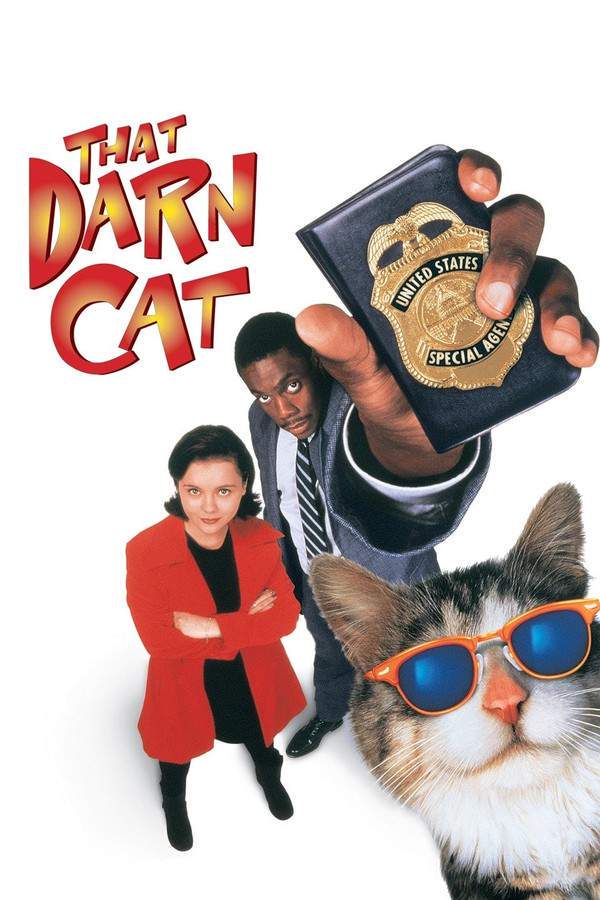
Movies about Charming Social-Climbing Schemers like The Thief Who Came to Dinner

Smooth-talking characters use wit and style to climb the social ladder. Fans of the sophisticated cons and social maneuvering in 'The Thief Who Came to Dinner' will enjoy these films. Discover other movies featuring smooth-talking characters who use their wits to navigate high society, blending comedy with a steady pace of clever schemes and stylish deception.

  • stylish
  • clever
  • charming
  • deceptive
  • breezy
  • social commentary
  • Tone: light, stylish, witty
  • Pacing: steady, deliberate
Why these movies?

The story pattern: The narrative follows a protagonist, often experiencing a 'career change' into a life of crime, who uses their intellect and charm to manipulate their way up the social ladder. The plot involves intricate plans, partnerships with equally cunning accomplices, and the constant risk of exposure, but maintains a breezy tone that celebrates the schemer's cleverness.

Why they belong together: These movies are connected by their focus on intelligent, charming protagonists who engage in deception for personal gain or social advancement. They share a MODERATE complexity in their plotting, a LIGHT emotional tone that avoids heavy moralizing, and a sense of stylish fun.

If you liked this

Movies Like The Thief Who Came to Dinner

Similar movies to The Thief Who Came to Dinner: the same genre, themes or kind of story. Each one comes with its own plot summary, timeline and ending explained.

Browse all movie summaries

Every angle

The Thief Who Came to Dinner (1973) Explained: Plot, Timeline & Characters

Everything about The Thief Who Came to Dinner in one place: what happens in the plot summary, the timeline in chronological order, the characters and meaning and a spoiler-free summary. What's After the Movie adds the cast, box office and post-credit scenes.

Coming soon on iOS and Android

The Plot Explained Movie Summary App

Plot summaries, endings explained and timelines on your phone. Catch up on any movie in minutes, save your favorites and never miss a twist again.

Be the first to know when we launch. Your email stays private, always.

Learn more about the app