The Man in the Glass Booth

The Man in the Glass Booth

Year: 1975

Runtime: 117 mins

Language: English

Director: Arthur Hiller

ThrillerDrama

Kidnapping, masquerade and a murder trial drive this tense thriller. Wealthy Manhattan industrialist Arthur Goldman, a Jewish man known for his sharp humor, is arrested by Israeli agents as a Nazi war criminal. Extradited to Israel, Goldman forces his prosecutors to confront not only his alleged crimes but also their own moral culpability.

Warning: spoilers below!

Haven’t seen The Man in the Glass Booth yet? This summary contains major spoilers. Bookmark the page, watch the movie, and come back for the full breakdown. If you're ready, scroll on and relive the story!

Timeline & Setting – The Man in the Glass Booth (1975)

Explore the full timeline and setting of The Man in the Glass Booth (1975). Follow every major event in chronological order and see how the environment shapes the story, characters, and dramatic tension.

Time period

1960s

The events unfold in the contemporary 1960s, a period still shaped by World War II and its aftermath. The narrative uses a modern trial to probe memory, guilt, and identity, rather than a distant historical past. The setting reflects a society confronting the legacy of genocide through public judgment and personal conscience.

Location

Manhattan, New York; Israel

The story moves between a luxurious Manhattan high-rise where Arthur Goldman lives and a courtroom in Israel where his fate is decided. The high-rise setting emphasizes wealth and separation from history, while the Israeli courtroom foregrounds legal reckoning with a Nazi past. The two places together frame a transnational drama about memory, guilt, and accountability.

🏙️ Urban ⚖️ Legal drama 🕊️ Holocaust memory

Last updated: February 18, 2026 at 23:33

Was this helpful?

Main Characters – The Man in the Glass Booth (1975)

Meet the key characters of The Man in the Glass Booth (1975), with detailed profiles, motivations, and roles in the plot. Understand their emotional journeys and what they reveal about the film’s deeper themes.

Arthur Goldman (Maximilian Schell)

A Jewish Holocaust survivor turned wealthy industrialist whose irreverent banter conceals a calculated mind. He embodies charm and menace, using humor to unsettle those around him. His later exposure as a fraud—falsifying dental records—catalyzes his breakdown and enables the courtroom's moral reckoning.

🧭 Survivor 💼 Wealth 🎭 Charisma

Charlie Cohn (Lawrence Pressman)

Arthur’s loyal assistant who is repeatedly unsettled by his employer’s shocking remarks about Jewish life. He provides a grounded perspective amid escalating tension and serves as a conduit for the audience’s perception of the trial.

🧭 Assistant 🗣️ Witness

Presiding Judge

The formal authority in the Israeli trial who oversees proceedings and delivers rulings. He represents the legal framework through which the charges, testimonies, and evidence are scrutinized, guiding the drama toward its climactic revelations.

⚖️ Judge 🏛️ Courtroom

Last updated: February 18, 2026 at 23:33

Was this helpful?

Major Themes – The Man in the Glass Booth (1975)

Explore the central themes of The Man in the Glass Booth (1975), from psychological, social, and emotional dimensions to philosophical messages. Understand what the film is really saying beneath the surface.

🧭 Guilt & Identity

The trial forces characters to confront who they are and what they owe to history. Identity is tested as appearances clash with memory, and the line between survivor, perpetrator, and accuser blurs. The narrative probes how guilt can redefine a person and how truth can be manipulated.

🕊️ Memory

Memories of the Holocaust haunt the present, shaping how characters justify actions and assess guilt. The courtroom becomes a arena where memory is interrogated, contested, or weaponized. The plot links personal trauma to collective history, complicating moral judgments.

🎭 Perception

What is real is tested by appearances, deception, and the performative nature of legal proceedings. The glass box becomes a symbol of judgment and showmanship, challenging audience assumptions. The narrative questions whether truth is discovered or constructed.

Last updated: February 18, 2026 at 23:33

Was this helpful?

The Man in the Glass Booth (1975) Character & Theme Questions Answered – Info FAQ

Browse frequently asked questions about The Man in the Glass Booth (1975) focused on characters, relationships, themes, symbols, setting, and story context. This movie info FAQ gives spoiler-aware explanations for character arcs, world details, and thematic interpretation so readers can better understand what the film is really about.

Q1

Where is the movie set?

A.

The story takes place in two primary locations: a luxurious Manhattan high-rise where Arthur Goldman lives as a wealthy industrialist, and an Israeli courtroom where he is tried as a Nazi war criminal. The Manhattan setting emphasizes his wealth and apparent separation from history, while the Israeli courtroom creates the setting for a legal and moral reckoning with the Nazi past.

manhattanisraelsettinglocationsnew york
Q2

When does the story take place?

A.

The events occur in the 1960s, a period still deeply shaped by the aftermath of World War II. Rather than a distant historical setting, the contemporary time frame creates a narrative where society is actively confronting the legacy of genocide through public trials and personal conscience.

1960stime periodwwiihistorical contextpost-war
Q3

What does the glass booth symbolize?

A.

The glass booth serves as a symbol of judgment and showmanship within the courtroom. It creates a transparent enclosure where the accused is observed, challenging audience assumptions about truth and performance. The structure reflects how legal proceedings can be both a search for truth and a theatrical display.

glass boothsymboljudgmentcourtroomperception
Q4

Who is Arthur Goldman?

A.

Arthur Goldman is a wealthy Manhattan industrialist and Jewish Holocaust survivor whose sharp humor and charm conceal a calculating mind. He is arrested by Israeli agents as a Nazi war criminal and extradited to Israel for trial. His character embodies both charm and menace, using irreverence to unsettle those around him throughout the proceedings.

arthur goldmancharacterindustrialistsurvivornazi
Q5

What is the main theme of guilt and identity?

A.

The film probes how guilt can redefine a person and how identity becomes unstable when appearances clash with memory. The trial forces characters to confront who they truly are, blurring the line between survivor, perpetrator, and accuser. Characters must examine their own moral culpability as Goldman challenges his prosecutors.

guiltidentitythememoralculpability
Q6

How does the movie address Holocaust memory?

A.

Memories of the Holocaust haunt the present throughout the narrative, shaping how characters justify their actions and assess guilt. The courtroom becomes an arena where memory is interrogated, contested, and weaponized. The plot links personal trauma to collective history, creating complex moral judgments that extend beyond the individual case.

holocaustmemorytraumahistoryworld war ii
Q7

What does the theme of perception explore?

A.

The film questions whether truth is discovered or constructed through its exploration of appearances, deception, and the performative nature of legal proceedings. Arthur Goldman's irreverent humor and the courtroom spectacle challenge viewers to question what is real versus what is performed. The narrative tests how perception can be manipulated.

perceptionrealitydeceptiontruthappearances
Q8

Who is Charlie Cohn?

A.

Charlie Cohn is Arthur Goldman's loyal assistant who accompanies him through the kidnapping and trial. He is repeatedly unsettled by his employer's shocking remarks about Jewish life and provides a grounded perspective amid the escalating tension. He serves as a conduit for the audience's perception of the trial's unfolding events.

charlie cohnassistantcharactersupporting role
Q9

Why is the trial held in Israel?

A.

The trial takes place in Israel because Israeli agents arrest Goldman as a Nazi war criminal and extradite him there. The Israeli setting places the legal proceedings in the heart of a nation directly affected by the Holocaust, creating a powerful context for confronting wartime crimes and their moral implications.

israeltrialcourtroomextraditionnazi war criminal
Q10

Why is the ending considered tragic?

A.

The film ends with Arthur Goldman's mental breakdown after he is exposed as a fraud who falsified dental records to maintain his identity. His death parallels the crucifixion of Christ, creating a devastating conclusion that shatters his previous persona and leaves a bleak impression of identity, guilt, and moral reckoning.

The film foreshadows Goldman's breakdown through his increasingly erratic behavior and the accumulating evidence that challenges his claimed identity.

endingtragicdeathbreakdownfraudidentity
Mobile App Preview

Coming soon on iOS and Android

The Plot Explained Mobile App

From blockbusters to hidden gems - dive into movie stories anytime, anywhere. Save your favorites, discover plots faster, and never miss a twist again.

Sign up to be the first to know when we launch. Your email stays private, always.

Explore Movie Threads

Discover curated groups of movies connected by mood, themes, and story style. Browse collections built around emotion, atmosphere, and narrative focus to easily find films that match what you feel like watching right now.

Morally Complex Courtroom Dramas like The Man in the Glass Booth

Legal battles that put justice, identity, and guilt on trial.A collection of intense legal dramas similar to The Man in the Glass Booth. If you appreciated its deep exploration of justice and identity within a tense courtroom setting, you'll find more thought-provoking films here.

courtroom dramamorally complexthought-provokingtensephilosophicalpsychologicalsuspensefulunsettling

Narrative Summary

These narratives typically center on a high-stakes trial that challenges the legal system's capacity to handle profound moral questions. The plot often follows the preparation for and execution of the trial, using courtroom revelations to unravel a deeper psychological mystery or societal wound.

Why These Movies?

Movies in this thread share a commitment to using the courtroom drama format for intellectual and emotional exploration. They are united by a tense tone, heavy emotional weight, and a focus on moral ambiguity, identity crises, and philosophical debates about guilt and justice.
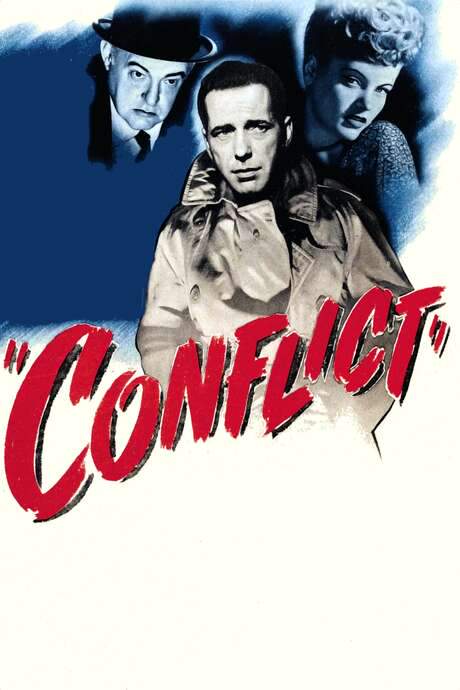
Identity Crisis Thrillers like The Man in the Glass Booth

Psychological thrillers where the central mystery is a shattered identity.Explore more films like The Man in the Glass Booth that focus on psychological identity crises. If you were captivated by its exploration of a fractured identity under extreme pressure, these movies will deliver a similar unsettling experience.

identity crisispsychological thrillerunsettlingcerebraltensemorally complexthought-provokingtragic

Narrative Summary

The plot centers on a protagonist whose identity is violently called into question, leading them on a disorienting journey to uncover the truth. The narrative tension comes less from external action and more from the psychological unravelling and the moral implications of the identity at stake.

Why These Movies?

These films are grouped by their shared focus on the theme of identity as the primary source of suspense and drama. They create a tense, cerebral, and unsettling atmosphere by exploring the psychological fallout of a character grappling with a fundamental question about their own past and nature.

Unlock the Full Story of The Man in the Glass Booth

Don't stop at just watching - explore The Man in the Glass Booth in full detail. From the complete plot summary and scene-by-scene timeline to character breakdowns, thematic analysis, and a deep dive into the ending - every page helps you truly understand what The Man in the Glass Booth is all about. Plus, discover what's next after the movie.

The Man in the Glass Booth Summary

Read a complete plot summary of The Man in the Glass Booth, including all key story points, character arcs, and turning points. This in-depth recap is ideal for understanding the narrative structure or reviewing what happened in the movie.

The Man in the Glass Booth Summary

The Man in the Glass Booth Timeline

Track the full timeline of The Man in the Glass Booth with every major event arranged chronologically. Perfect for decoding non-linear storytelling, flashbacks, or parallel narratives with a clear scene-by-scene breakdown.

The Man in the Glass Booth Timeline

The Man in the Glass Booth Spoiler-Free Summary

Get a quick, spoiler-free overview of The Man in the Glass Booth that covers the main plot points and key details without revealing any major twists or spoilers. Perfect for those who want to know what to expect before diving in.

The Man in the Glass Booth Spoiler-Free Summary

More About The Man in the Glass Booth

Visit What's After the Movie to explore more about The Man in the Glass Booth: box office results, cast and crew info, production details, post-credit scenes, and external links - all in one place for movie fans and researchers.

More About The Man in the Glass Booth

Similar Movies to The Man in the Glass Booth

Discover movies like The Man in the Glass Booth that share similar genres, themes, and storytelling elements. Whether you’re drawn to the atmosphere, character arcs, or plot structure, these curated recommendations will help you explore more films you’ll love.