Plot Explained Spoilers guaranteed!
Plot Explained

Browse by genre

The Man I Married (1940) movie poster

Characters & Themes

The Man I Married (1940) Characters, Setting & Themes Explained

Release, runtime and language
1940 · 77 mins · English
Directed by
Irving Pichel
Starring
Eleanor Wesselhoeft, Ernst Deutsch, Maria Ouspenskaya, Frank Reicher, Joan Bennett, Lloyd Nolan

THE AMAZING REVELATION OF A BEAUTIFUL GIRL’S EXPERIENCES An American vacations in Europe with her husband and watches him turn into a Nazi.

On this page (7)
  1. 1 Characters explained (7)
  2. 2 Where & when it takes place
  3. 3 Themes & meaning (4)
  4. 4 Character & meaning questions
  5. 5 Movie threads
  6. 6 Movies like The Man I Married
  7. 7 Every angle

7 main characters · contains spoilers

The Man I Married Characters Explained: Who Is Who

The main characters of The Man I Married (1940), heroes and villains: what drives them, how they change over the course of the story and what each of them reveals about the film's bigger ideas.

  • Carol Hoffman (Joan Bennett)

    An American art critic who travels to Berlin with her husband. She begins the journey with a worldly but naive view, gradually confronting the grim realities of Nazi rule. Her growing moral awareness drives the narrative and culminates in a decisive choice to protect her son.

    • 🎭 Drama
    • 💔 Relationship strain
    • 🧭 Identity
  • Eric Hoffman (Francis Lederer)

    A German-American businessman who becomes increasingly entangled with the Nazi milieu. He attends party gatherings and contemplates remaining in Germany to preserve his factory. His evolving stance and revelations about his heritage strain his marriage and future.

    • 🎭 Drama
    • 💼 Ambition
    • 🪪 Identity
  • Ricky Hoffman (Johnny Russell)

    A seven-year-old boy caught between his parents’ conflicting choices. His innocence is tested by the political turmoil around him, making him a focal point of the family’s struggle to stay together or flee.

    • 👶 Child
    • 🎭 Drama
    • 💔 Family
  • Frieda (Anna Sten)

    Eric’s former friend’s wife who is an active participant in Nazi social life. She lures Eric deeper into Nazi circles and embodies the regime’s seductive yet dangerous appeal. Her presence amplifies the tension around loyalty and betrayal.

    • 🎭 Drama
    • 💍 Infidelity
    • 🪄 Manipulation
  • Dr. Hugo Gerhardt (Ludwig Stössel)

    A friend of the Hoffmans who asks them to deliver money to his brother, the philosopher Ernst Gerhardt, who is imprisoned in Dachau. He becomes a conduit for danger and moral conflict as the regime’s reach tightens.

    • 🩺 Doctor
    • 🧭 Loyalty
  • Kenneth Delane (Lloyd Nolan)

    An American foreign correspondent in Berlin with a prophetic understanding of the regime’s downfall. He assists Carol and Ricky, helping them reach safety at the station and choosing to stay for the duration of the crisis.

    • 🗞️ Reporter
    • 🧭 Hope
  • Friehof (Frank Reicher)

    Eric’s elderly father, a director and factory owner who wants to sell and leave Berlin. He warns Eric about the consequences of their choices and the looming threat of exposing Carol’s Jewish heritage to the police.

    • 👨‍💼 Father
    • 🏛️ Industry

Last updated: October 04, 2025 at 16:55

Was this helpful?

Setting

Where and When Does The Man I Married Take Place?

The setting of The Man I Married (1940): the year and time period, the places and locations, and how they shape the characters, the mood and the tension of the story.

Time period

Late 1930s

The events unfold in the years leading up to World War II, during the Nazi consolidation of power in Germany and the occupation of Austria. References to the 1938 Anschluss and the growing anti-Semitic regime set the backdrop. Daily life in Berlin is saturated with propaganda, fear, and the pressure to conform.

Location

Berlin, Dachau, Austria, Nazi Germany, New York

The story is set primarily in Berlin and across Nazi-ruled territories, including the annexed Austria. Dachau concentration camp looms as a brutal symbol of the regime's reach. The Hoffmans’ journey culminates with a return to the United States, highlighting a stark contrast between oppressive Europe and hopeful New York.

  • 🏙️ Berlin
  • 🏭 Dachau
  • 🇦🇹 Austria
  • 🪖 Nazi Germany
  • 🗽 New York

Last updated: October 04, 2025 at 16:55

Was this helpful?

4 major themes

The Man I Married Meaning: Themes & Message Explained

What is The Man I Married (1940) really about? The emotional, social and philosophical themes the film keeps returning to, its symbolism and the message beneath the surface.

  • Totalitarianism

    The film shows how a totalitarian regime embeds itself into everyday life, policing behavior and curtailing dissent. Public rituals and propaganda pervade streets and homes, shaping decisions. Cruel demonstrations against marginalized groups reveal the regime’s brutality. The Hoffmans’ choices are continually constrained by political power.

  • Identity

    Eric’s hidden Jewish heritage rises to the surface, forcing a collision between personal identity and social allegiance. Carol’s perspective shifts as she confronts anti-Semitism and the regime’s dehumanization. The threat of police enforcement and family stigma pressures decisions about loyalty and safety. Identity becomes a central lens for moral conflict.

  • Escape

    Carol and Ricky’s flight to New York becomes a bid for freedom and safety. Kenneth Delane helps navigate the dangers of state control and borders, offering a glimmer of rescue. The departure marks a moral break from the regime and a new beginning for the family. The escape is both physical and existential—a break from complicity.

  • Awakening

    Carol transitions from naïve admiration of a prosperous Germany to a clear-eyed view of Nazi cruelty. She witnesses the regime’s cruelty in the streets and the manipulation behind public life. This awakening reframes her priorities, centering her responsibility to her son and to victims of oppression. The arc culminates in a decisive choice to flee with Ricky.

Last updated: October 04, 2025 at 16:55

Was this helpful?

Character & theme questions

The Man I Married Characters & Meaning: Your Questions Answered

The questions people ask about The Man I Married (1940): who the characters really are, their relationships, what the symbols mean, where it takes place and what the movie is really about. Each answer contains spoilers.

Q1

Where is The Man I Married set?

The film is set primarily in Berlin and across Nazi-ruled territories including annexed Austria. Key locations include the streets of Berlin saturated with propaganda, Dachau concentration camp as a symbol of the regime's brutality, and最终的 New York where Carol and Ricky escape to freedom.

  • berlin
  • nazi germany
  • austria
  • dachau
  • new york
  • setting
  • locations
Q2

What time period does The Man I Married take place in?

The story unfolds in the late 1930s during the Nazi consolidation of power in Germany and the 1938 Anschluss occupation of Austria. This period captures the escalating oppression, growing anti-Semitic policies, and the desperate atmosphere before World War II.

  • 1930s
  • world war ii
  • anschluss
  • nazi era
  • time period
  • historical setting
Q3

Who is Carol Hoffman in the film?

Carol Hoffman is an American art critic who travels to Berlin with her husband Eric. She begins with a naïve, worldly perspective but gradually confronts the grim realities of Nazi rule. Her growing moral awareness drives the narrative as she shifts from observer to someone who must protect her son from the regime's dangers.

  • carol hoffman
  • american
  • art critic
  • protagonist
  • character role
Q4

Who is Eric Hoffman in The Man I Married?

Eric Hoffman is a German-American businessman living in Berlin with his wife Carol and son Ricky. He becomes increasingly entangled with the Nazi milieu, attending party gatherings and contemplating remaining in Germany to preserve his factory. A crucial revelation about his hidden Jewish heritage strains his marriage and future.

  • eric hoffman
  • german-american
  • businessman
  • character role
  • jewish heritage
Q5

Who is Kenneth Delane in the film?

Kenneth Delane is an American foreign correspondent stationed in Berlin who possesses a prophetic understanding of the regime's inevitable downfall. He assists Carol and Ricky in navigating the dangers of state control, helping them reach safety at the station while choosing to remain in Berlin for the duration of the crisis.

  • kenneth delane
  • journalist
  • american correspondent
  • helper character
Q6

What does the Totalitarianism theme explore in The Man I Married?

The film shows how a totalitarian regime embeds itself into everyday life, policing behavior and curtailing dissent. Public rituals and propaganda pervade streets and homes, shaping decisions. Cruel demonstrations against marginalized groups reveal the regime's brutality, continuously constraining the Hoffmans' choices.

  • totalitarianism
  • propaganda
  • oppression
  • Nazi regime
  • political pressure
Q7

What is the Identity theme about in The Man I Married?

Eric's hidden Jewish heritage rises to the surface, forcing a collision between personal identity and social allegiance. Carol confronts anti-Semitism and the regime's dehumanization as the threat of police enforcement and family stigma pressures their decisions about loyalty and safety. Identity becomes a central lens for moral conflict.

  • identity
  • jewish heritage
  • anti-semitism
  • loyalty
  • moral conflict
Q8

Why is the escape significant in The Man I Married?

Carol and Ricky's flight to New York becomes a bid for freedom and safety. Kenneth Delane helps navigate the dangers of state control and borders. The departure marks a moral break from the regime and a new beginning for the family, the escape is both physical and existential, a break from complicity with the Nazi system.

  • escape
  • freedom
  • new york
  • flee
  • crossing borders
Q9

What is the Awakening theme in The Man I Married?

Carol transitions from naïve admiration of a prosperous Germany to a clear-eyed view of Nazi cruelty. She witnesses the regime's brutality in the streets and the manipulation behind public life. This awakening reframes her priorities, centering her responsibility to her son and to victims of oppression, culminating in her decisive choice to flee.

  • awakening
  • moral growth
  • realization
  • Nazi cruelty
  • responsibility
Q10

How does the film contrast Berlin and New York?

Berlin represents oppression, propaganda, fear, and the pressure to conform under Nazi rule. New York symbolizes hope, freedom, and safety away from the regime's reach. The Hoffmans' journey from Berlin to New York highlights the stark contrast between totalitarian Europe and democratic America.

  • berlin
  • new york
  • contrast
  • freedom
  • oppression
  • america
Q11

Who is Frieda in The Man I Married?

Frieda is Eric's former friend's wife who is an active participant in Nazi social life. She lures Eric deeper into Nazi circles and embodies the regime's seductive yet dangerous appeal. Her presence amplifies the tension around loyalty and betrayal within the social landscape of Berlin.

  • frieda
  • nazi social life
  • seduction
  • loyalty
  • betrayal
Q12

What is the significance of Dachau in the film?

Dachau concentration camp looms as a brutal symbol of the Nazi regime's reach and violence. It serves as the place where Dr. Gerhardt's brother, the philosopher Ernst Gerhardt, is imprisoned. The camp represents the ultimate consequence of the regime's power and the personal danger facing the Hoffmans as their situation deteriorates.

  • dachau
  • concentration camp
  • imprisonment
  • danger
  • regime brutality

Movie threads

More Movies Like The Man I Married, by Mood & Story

Curated lists built around what makes The Man I Married tick: the same mood, the same kind of story or the same emotional payoff. Each list explains why these movies belong together.

Stories of personal betrayal and ideological awakening like The Man I Married

Stories of discovering a partner or family member's shocking ideological allegiance. If you were gripped by the personal horror in The Man I Married, explore more movies about characters confronting a loved one's dark allegiances. These films blend intimate drama with political tension, focusing on the emotional cost of ideological discovery within a family.

  • morally challenging
  • tense
  • betrayal
  • awakening
  • dread-filled
  • family secrets
  • Tone: tense, morally challenging, somber
  • Pacing: steady, methodical
Why these movies?

The story pattern: These stories typically follow a protagonist's gradual or sudden realization that a close family member or partner is aligned with a dangerous cause. The plot unfolds as the character gathers evidence, confronts the reality, and must make a choice between loyalty and morality, often leading to isolation and loss.

Why they belong together: Movies in this thread share a core theme of personal betrayal intertwined with political or ethical horror. They create a specific kind of tension that is both intimate and expansive, focusing on the emotional devastation of discovering evil in someone you thought you knew.
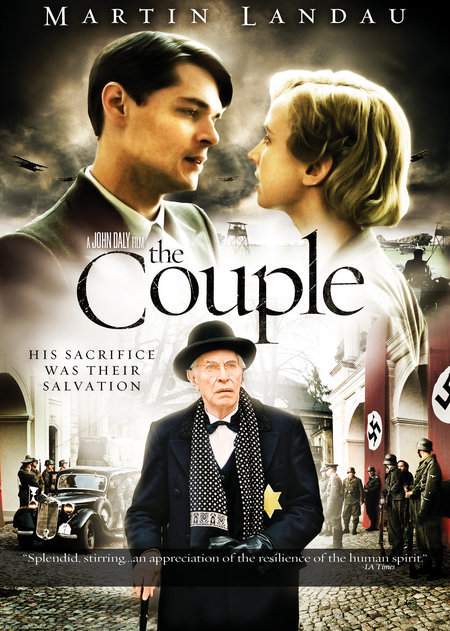
Movies with claustrophobic political tension like The Man I Married

Films that build tension through the pervasive threat of a totalitarian state. Fans of The Man I Married's oppressive atmosphere will find similar tension in these stories set under hostile regimes. These films masterfully build a sense of dread and anxiety, portraying the psychological toll of living under constant political threat and surveillance.

  • oppressive
  • anxious
  • dread-filled
  • survival
  • political persecution
  • tense
  • Tone: oppressive, anxious, tense
  • Pacing: steady, building dread
Why these movies?

The story pattern: The narrative pattern involves characters navigating a world where the state is an omnipresent antagonist. The plot focuses on their attempts to maintain normalcy, protect their family, or simply survive while the political reality closes in around them, often leading to a desperate bid for escape or a costly moral stand.

Why they belong together: This thread groups films that excel at creating a specific mood of claustrophobic anxiety. The similarity lies in the setting as a character itself—a hostile political environment that dictates the pacing, tone, and emotional weight of the story, resulting in a consistently tense and heavy viewing experience.

If you liked this

Movies Like The Man I Married

Similar movies to The Man I Married: the same genre, themes or kind of story. Each one comes with its own plot summary, timeline and ending explained.

Browse all movie summaries

Every angle

The Man I Married (1940) Explained: Plot, Timeline & Characters

Everything about The Man I Married in one place: what happens in the plot summary, the timeline in chronological order, the characters and meaning and a spoiler-free summary. What's After the Movie adds the cast, box office and post-credit scenes.

Coming soon on iOS and Android

The Plot Explained Movie Summary App

Plot summaries, endings explained and timelines on your phone. Catch up on any movie in minutes, save your favorites and never miss a twist again.

Be the first to know when we launch. Your email stays private, always.

Learn more about the app