







Plot Explained Spoilers guaranteed!
Plot Explained

Browse by genre

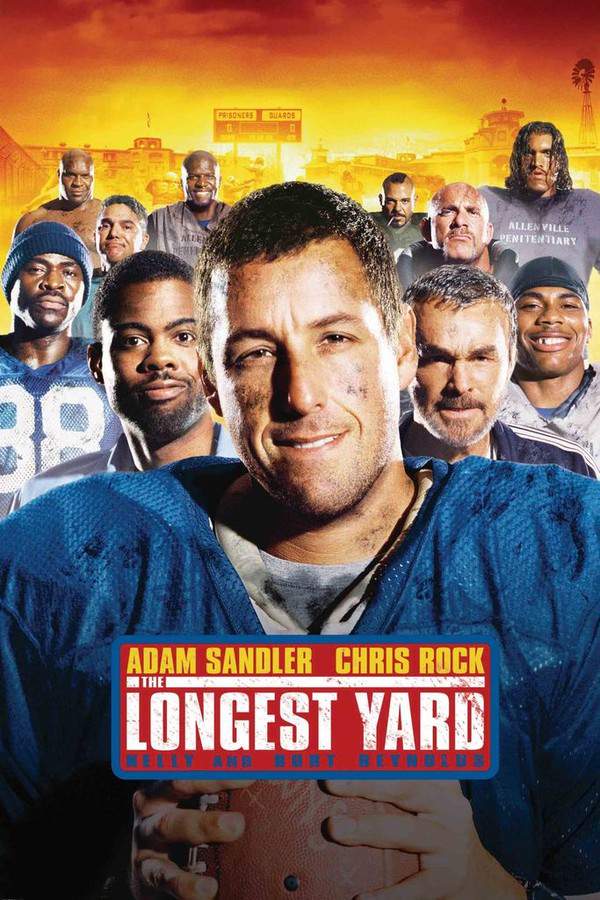
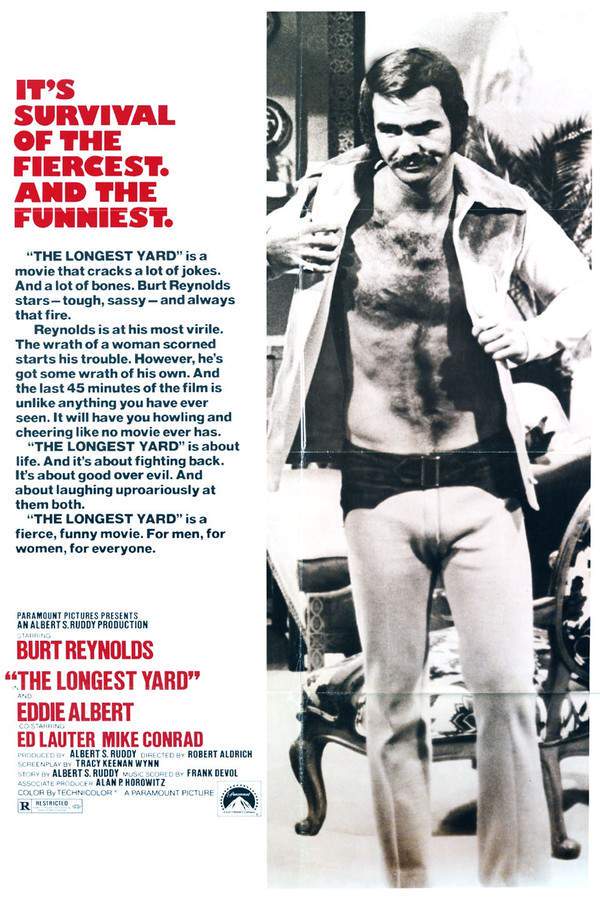
The Longest Yard (1974) movie poster

Timeline

The Longest Yard (1974) Timeline Explained – Every Event in Order

Release, runtime and language
1974 · 121 min · English
Directed by
Robert Aldrich
Starring
Burt Reynolds, John Steadman, Ed Lauter, Eddie Albert, Charles Tyner, Harry Caesar

A former football star, now serving time in prison, is recruited to lead a team of inmates against the guards in a winner-take-all grudge match. The warden, seeking to maintain control and exploit the prisoners, forces the team to compete. As the game draws near, the convicts devise a plan for revenge, hoping to expose the warden’s corruption and demonstrate that even those deemed outcasts can achieve victory.

On this page (6)
  1. 1 Where to watch
  2. 2 Events in order (15)
  3. 3 Timeline questions answered
  4. 4 Movie threads
  5. 5 Movies like The Longest Yard
  6. 6 Every angle

Where to watch

Where to Watch The Longest Yard (1974)

Where can you watch The Longest Yard? Stream, rent or buy it in the US, including on Hoopla, Tubi TV and Amazon Video: current JustWatch availability with up-to-date prices.

Streaming availability powered by JustWatch

15 events in order · contains spoilers

The Longest Yard Timeline: Events in Chronological Order

Every key event of The Longest Yard (1974) in order, scene by scene, with when and where it takes place. Use it to untangle flashbacks, time jumps and parallel storylines, to refresh your memory before the sequel or to find the exact scene you are thinking of.

  1. Crewe's arrest and prison sentence

    After leaving his wealthy girlfriend Melissa in Palm Beach and stealing her Citroën SM, Crewe leads police on a high-speed chase and assaults two officers. He is captured and subsequently sentenced to 18 months in Citrus State Prison. The incident sets his path toward the prison football scheme.

    When
    Immediately after the car chase
    Where
    Palm Beach, Florida
  2. Prison staff and Hazen plan for Crewe

    Convicts resent Crewe for his NFL point-shaving past, and the warden Rudolph Hazen sees an opportunity. He pressures Crewe to coach a semi-pro team of guards and prisoners as a way to restore order and win a championship.

    When
    Early in his imprisonment
    Where
    Citrus State Prison
  3. Crewe agrees to coach the Mean Machine

    After facing pressure from the head guard and captain, Crewe reluctantly agrees to participate and coaches the team. He plans to play quarterback himself, despite initial reluctance. The group forms a makeshift squad of inmates and guards.

    When
    Soon after arrival at prison
    Where
    Citrus State Prison
  4. Recruiting the Mean Machine

    Crewe forms a prison team that includes Samson, Connie Shokner, Granny Granville, Pop, and others with the help of the Caretaker. They recruit Nate Scarboro and the first black inmate willing to play, Granny Granville, to bolster the lineup.

    When
    Within the first weeks of coaching
    Where
    Citrus State Prison
  5. Granny's harassment leads to recruitment

    Granny Granville, the first black inmate, is harassed by guards but remains steadfast. Witnessing this, other black inmates volunteer to join the team, broadening the pride and diversity of the Mean Machine.

    When
    Before the exhibition game
    Where
    Prison yard
  6. Unger’s bomb: Caretaker dies

    Unger, a prison trustee, schemes to eliminate Crewe by rigging a light bulb bomb in Crewe's cell. The plan backfires when Caretaker enters the cell to retrieve papers and is killed by the blast. Unger locks Crewe in, preventing a rescue.

    When
    Shortly after Unger's plan
    Where
    Citrus State Prison, Crewe's cell
  7. Hazen enforces hard policy against escapes

    Hazen sternly warns Crewe's teammates about the consequences of any escape after the game, underscoring the brutal nature of the operation. His threats foreshadow the brutal treatment that awaits the prisoners if they lose.

    When
    Before the game
    Where
    Stadium/prison facility
  8. Uniforms stolen, Mean Machine hits the field

    Crewe surprises the team by presenting them with professional uniforms stolen from the guards. The Mean Machine storms onto the field, arousing anger among the guards and Hazen. The transformation both boosts morale and fuels rivalry.

    When
    Pre-game / kick-off
    Where
    Stadium
  9. Opening phase of the game

    The Mean Machine starts strong and the game is close at halftime, with the guards leading 15–13. Crewe's leadership and the inmates' grit begin to turn the tide as the audience watches intently.

    When
    Halftime
    Where
    Stadium
  10. Hazen's demand to lose by 21 points

    Hazen pressures Crewe to ensure the guards win by at least 21 points, threatening the players if they fail. Knauer reluctantly agrees to the plan, setting the stage for a brutal second half.

    When
    Second half start
    Where
    Stadium
  11. Knauer betrays the plan; brutality ensues

    Knauer follows Hazen's instruction and has the guards inflict physical punishment on the prisoners as soon as the score reaches the 21-point threshold. Crewe realizes the betrayal and bitterness grows within the team.

    When
    Early in the second half
    Where
    Stadium
  12. Mean Machine falters, Crewe rediscovers purpose

    Crewe deliberately jams the rhythm of the offense to lose badly, allowing the guards to injure several teammates. After a moment of doubt, he regains his resolve and rekindles the team's fighting spirit.

    When
    Mid to late second half
    Where
    Stadium
  13. Nate Scarboro's injury and rally

    Nate Scarboro, though with a bad knee, scores a touchdown and is crippled by guard Bogdanski. His sacrifice inspires Crewe to rally and fight harder for the win.

    When
    Second half
    Where
    Stadium
  14. Final drive and winning touchdown

    Crewe orchestrates a comeback, and with a final touchdown, the Mean Machine defeats the guards 36–35. The team erupts in celebration as Crewe seals the victory with a rare display of leadership and mercy.

    When
    Final moments of the game
    Where
    Stadium
  15. Knauer's decision and the trophy moment

    After Hazen orders Knauer to shoot Crewe, Knauer hesitates and ultimately returns the rifle, calling it a 'Game ball'. Crewe retrieves a football and confronts Hazen, declaring the trophy 'belongs in your trophy case'. He exits with Pop amid mixed emotions from the crowd.

    When
    End of the game / post-game
    Where
    Stadium tunnel

Last updated: October 09, 2025 at 15:43

Was this helpful?

Timeline questions answered

The Longest Yard Timeline Explained: Your Questions Answered

When does it happen, and why in that order? The questions people ask about the chronology of The Longest Yard (1974): time jumps, flashbacks, cause and effect between scenes and the correct order of events, each answered with spoilers.

Q1

Why did Warden Hazen demand the prisoners lose by 21 points?

Hazen used the 21-point margin as a threat to control the game. He promised not to hurt the other prisoners, but only if the guards could win by at least 21 points first. This gave him plausible deniability, he could claim the violence was part of the game rather than premeditated brutality. Captain Knauer was ordered to instruct the guards to inflict maximum physical punishment on the prisoners once that margin was reached.

Foreshadowing: Earlier, Hazen warns Crewe about the consequences of any escape after the game, establishing his willingness to use violence as a tool.

  • warden hazen
  • 21 points
  • threat
  • captain knauer
  • brutality
  • control
Q2

How did the Caretaker die?

Unger, a prison trustee, crafted a homemade bomb from a light bulb and flammable fluid, placing it in Crewe's cell to kill him. The Caretaker entered Crewe's cell to retrieve papers, discovered the device, and was killed in the explosion. Unger then locked the door, preventing anyone from rescuing the Caretaker in time.

Foreshadowing: Unger had been pushing Crewe to appoint him as team manager, and when Crewe refused, Unger's resentment turned violent.

  • caretaker
  • death
  • bomb
  • unger
  • cell
  • prison
Q3

Why did Crewe deliberately make mistakes during the game?

Crewe was pressured by Hazen to ensure the guards won by 21 points or the prisoners would be harmed. Under this threat, Crewe deliberately jammed the offense and made errors to widen the score gap, allowing the guards to build a commanding lead. This decision caused his teammates to feel betrayed as the guards brutalized them once ahead by 21 points.

Foreshadowing: Hazen's earlier warning about consequences for any escape established that he would use the prisoners' safety as leverage.

  • crewe
  • mistakes
  • game
  • guards
  • brutalized
  • betrayal
Q4

Why did Captain Knauer refuse to shoot Crewe at the end?

After the Mean Machine won, Hazen ordered Knauer to shoot Crewo, believing he was trying to escape. Knauer hesitated, having developed respect for Crewe's integrity and leadership throughout the game. Rather than follow the warden's corrupt order, Knauer handed the rifle back to Hazen and simply said "Game ball," choosing integrity over obedience.

Foreshadowing: Throughout the game, Knauer showed moments of reluctance when carrying out Hazen's brutal orders, hinting at his underlying morality.

  • knauer
  • shoot
  • crewe
  • warden
  • hazen
  • respect
  • game ball
Q5

Why did the black inmates decide to join the football team?

Granny Granville became the first black inmate willing to play football. When guards harassed him without him flinching, other black inmates witnessed his courage and dignity. Inspired by his example, they decided to step forward and join the team, adding significant talent and unity to the Mean Machine.

Foreshadowing: Earlier, the first black inmate willing to play was nicknamed "Granny" Granville, and his willingness to stand up to harassment set the stage for others to follow.

  • black inmates
  • granny granville
  • team
  • recruitment
  • harassment
  • courage
Q6

What happened to Nate Scarboro during the game?

Nate Scarboro, despite having a bad knee, managed to score a touchdown for the Mean Machine. However, guard Bogdanski brutalized him with a vicious tackle that left Nate crippled and being wheeled off the field. His sacrifice and the message "screw Hazen" inspired Crewe to rally the team for the comeback victory.

Foreshadowing: Nate's earlier support for Crewe and his willingness to play despite injury set up his heroic but costly contribution.

  • nate scarboro
  • touchdown
  • bogdanski
  • injury
  • sacrifice
  • coma back
Q7

Why did Warden Hazen want Crewe to coach the inmate team?

Hazen was obsessed with football and ran a semi-pro team made up of prison guards. Seeing an opportunity, he pressured Crewe, who was expelled from the NFL for point shaving, to coach and lead a championship-winning exhibition squad. Hazen viewed this as a way to restore order in the prison while also fulfilling his personal football ambitions.

Foreshadowing: The warden's passion for football was established early, with him living for the sport and organizing guard teams.

  • warden hazen
  • coach
  • football
  • guards
  • inmates
  • pressure
Q8

Why was Paul Crewe sent to prison?

Crewe was sent to Citrus State Prison for 18 months because he was expelled from the NFL for point shaving, deliberately fixing the outcome of games for money. The conviction, combined with his reckless escape attempt involving a high-speed police chase and assault on two officers, landed him behind bars.

Foreshadowing: Crewe's reputation as a disgraced quarterback was established when he first entered the prison, causing other convicts to resent him.

  • crewe
  • prison
  • point shaving
  • nfl
  • arrest
  • sentence
Q9

What was the significance of the final winning play?

Crewe orchestrated a dramatic comeback, culminating in a final decisive touchdown that flipped the score to 36-35 in favor of the Mean Machine as time ran out. The play represented more than just a sports victory, it was a statement that prisoners, despite being deemed outcasts, could achieve triumph against oppressive forces. Crewe also delivered a powerful throw into Bogdanski's groin earlier, retaliating for Nate's injury.

Foreshadowing: Earlier in the game, Crewe had deliberately allowed the guards to build a large lead, making the comeback even more significant.

  • touchdown
  • comeback
  • 36-35
  • mean machine
  • victory
  • crewe
Q10

Why did Unger want to kill Crewe?

Unger, a prison trustee, repeatedly pushed Crewe to appoint him as manager of the football team. When Crewe consistently refused, Unger's resentment boiled over into a plot to eliminate Crewe using a homemade bomb. Unger's ambition and refusal to accept rejection led him to attempted murder.

Foreshadowing: Unger's persistent requests for a managerial position established his desire for power and recognition within the prison hierarchy.

  • unger
  • bomb
  • manager
  • kill
  • crewe
  • jealousy
  • power
Q11

What made Crewe decide to return to the game after his moment of doubt?

After Crewe deliberately sabotaged his team's performance, he stepped out feeling hollow and betrayed. However, when Pop asked if the struggle was worth it and simply replied "Yeah. For me it was," it reignited Crewe's resolve. Pop's answer reminded Crewe that the fight itself had meaning, leading him to return to the field and rally the Mean Machine to victory.

Foreshadowing: Crewe's earlier doubts emerged after witnessing his teammates being brutalized, creating the emotional low point before his redemption.

  • crewe
  • doubt
  • pop
  • return
  • field
  • rally
  • inspiration
Q12

What happened to Unger after the bombing?

The timeline does not specify Unger's fate after the bomb killed the Caretaker. The focus shifts to the upcoming football game and Hazen's enforcement of strict policies against escapes. Unger's consequences remain ambiguous within the provided narrative.

Foreshadowing: The Caretaker's death occurred right after Unger's bomb plot, immediately shifting narrative focus to the game's preparation.

  • unger
  • bomb
  • aftermath
  • consequences
  • arrest

Movie threads

More Movies Like The Longest Yard, by Mood & Story

Curated lists built around what makes The Longest Yard tick: the same mood, the same kind of story or the same emotional payoff. Each list explains why these movies belong together.

Gritty Underdog Triumphs Against Oppression like in The Longest Yard

Outsiders and convicts band together to challenge a corrupt system. Movies like The Longest Yard where a group of underdogs must overcome a corrupt system. If you enjoyed the themes of redemption, teamwork, and rebellion in a high-stakes setting, these similar sports dramas and prison stories will deliver the same defiant, hopeful vibe.

  • underdog
  • defiant
  • cathartic
  • gritty
  • hopeful
  • tense
  • Tone: hopeful, defiant
  • Pacing: steady, building
Why these movies?

The story pattern: These narratives typically follow a linear path: a charismatic leader unites a disparate group of individuals under a common goal. They face brutal opposition from a powerful, often corrupt authority figure. Through intense training and solidarity, they prepare for a climactic confrontation where victory is about more than just winning—it's about reclaiming dignity and exposing injustice.

Why they belong together: Movies are grouped here for their shared focus on the underdog archetype, the theme of institutional corruption, and the powerful, hopeful emotional arc of a team finding strength together. They balance high-intensity conflict with an ultimately uplifting and cathartic resolution.
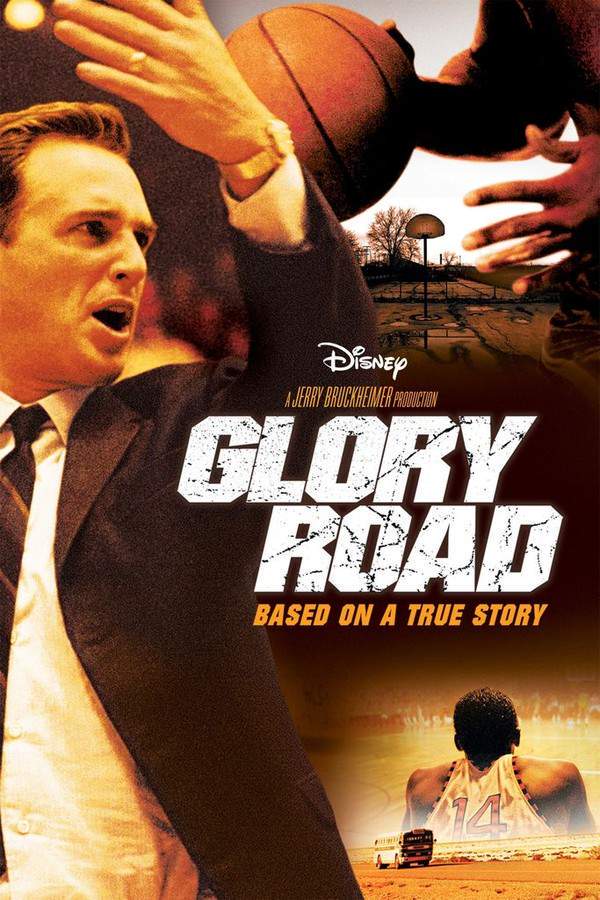
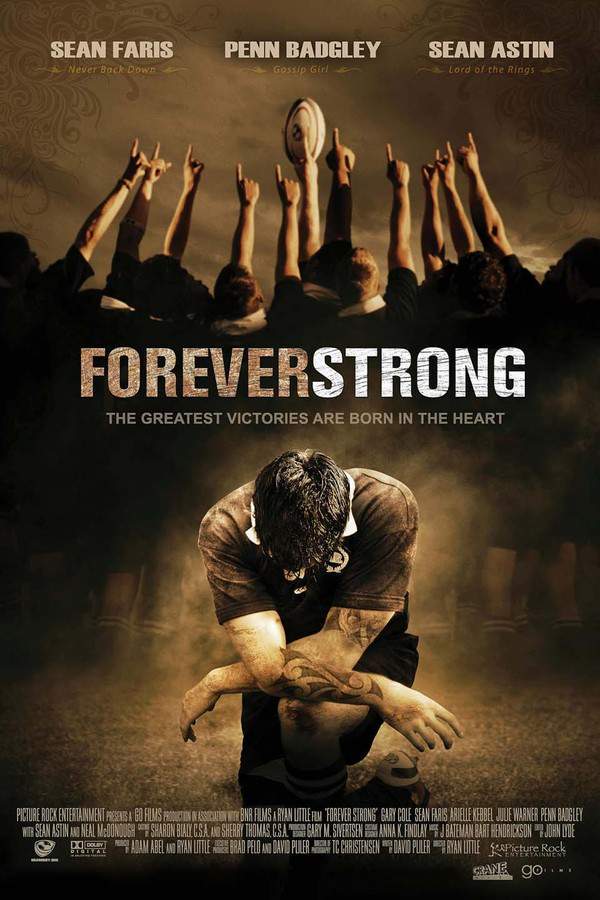
Redemption and Revenge Through Competition like in The Longest Yard

Characters use a high-stakes game to settle old scores and find personal redemption. If you liked The Longest Yard's use of a football game as a tool for revenge and redemption, these movies feature similar high-stakes competitions. Discover stories where the playing field becomes a battleground for settling scores and proving one's worth against all odds.

  • revenge
  • redemption
  • cathartic
  • tense
  • sports rivalry
  • defiant
  • Tone: tense, hopeful, cathartic
  • Pacing: steady
Why these movies?

The story pattern: The narrative pattern involves a protagonist or group with a history of failure or injustice being forced or coerced into a competition. The preparation for the event is as much about strategic revenge as it is about physical training. The climax is the game itself, which delivers both a literal outcome and a profound moral or personal victory.

Why they belong together: These films are united by the central motif of using a structured competition as a means to an end—specifically, for redemption and revenge. They share a mix of tense sports action, character-driven drama, and a emotionally satisfying, triumphant conclusion that rights a wrong.

If you liked this

Movies Like The Longest Yard

Similar movies to The Longest Yard: the same genre, themes or kind of story. Each one comes with its own plot summary, timeline and ending explained.

Browse all movie summaries

Every angle

The Longest Yard (1974) Explained: Plot, Timeline & Characters

Everything about The Longest Yard in one place: what happens in the plot summary, the timeline in chronological order, the characters and meaning and a spoiler-free summary. What's After the Movie adds the cast, box office and post-credit scenes.

Coming soon on iOS and Android

The Plot Explained Movie Summary App

Plot summaries, endings explained and timelines on your phone. Catch up on any movie in minutes, save your favorites and never miss a twist again.

Be the first to know when we launch. Your email stays private, always.

Learn more about the app