Year: 1974
Runtime: 121 min
Language: English
Director: Robert Aldrich
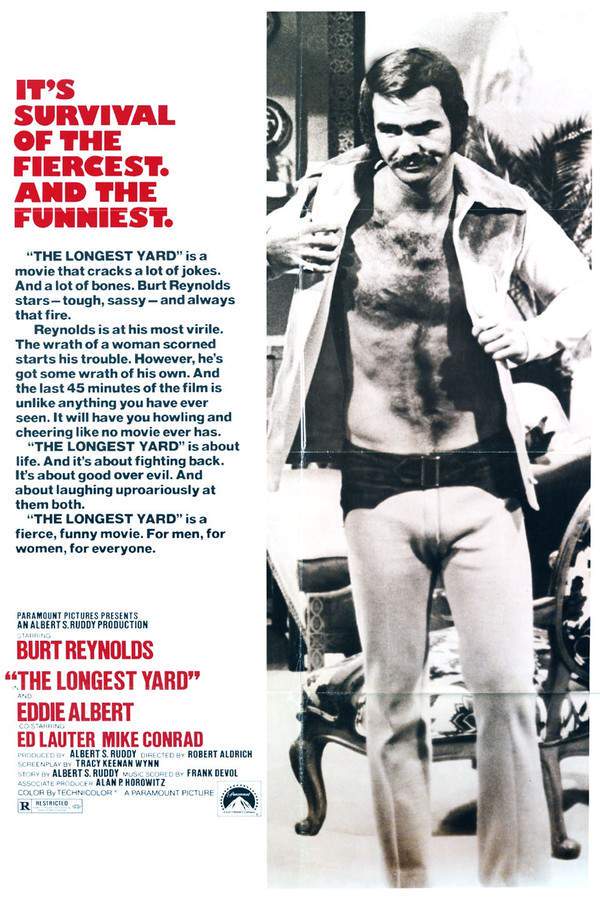
A former football star, now serving time in prison, is recruited to lead a team of inmates against the guards in a winner-take-all grudge match. The warden, seeking to maintain control and exploit the prisoners, forces the team to compete. As the game draws near, the convicts devise a plan for revenge, hoping to expose the warden’s corruption and demonstrate that even those deemed outcasts can achieve victory.
Warning: spoilers below!
Haven’t seen The Longest Yard yet? This summary contains major spoilers. Bookmark the page, watch the movie, and come back for the full breakdown. If you're ready, scroll on and relive the story!
Read the complete plot breakdown of The Longest Yard (1974), including all key story events, major twists, and the ending explained in detail. Discover what really happened—and what it all means.
Paul “Wrecking” Crewe is a name people still whisper about in Palm Beach after his days as a star NFL quarterback. The story begins with Crewe walking away from his wealthy girlfriend Melissa, a reckless moment that ends with him taking her Citroën SM without permission, sparking a high-speed police pursuit, and culminating in an attack on two officers. The consequences are swift and merciless: he is sent to Citrus State Prison for 18 months.
Inside the prison, Crewe discovers a world where respect is scarce, in large part because he was expelled from the NFL for point shaving. The warden, Rudolph Hazen, is not a typical administrator—he lives for football and runs a semi-pro team made up of prison guards. Hazen has a vision: coach Crewe into leading a championship-winning exhibition squad. Under pressure from the head guard and coach, Captain Wilhelm Knauer, Crewe reluctantly agrees to lend his expertise. He forms a rough-and-ready team he dubs the “Mean Machine,” pulling together a motley crew that includes Samson, a former professional weightlifter, and Connie Shokner, a killer with martial arts skills, among others.
Support comes from the wily Caretaker, a former pro player Nate Scarboro, the first black inmate willing to play—nicknamed “Granny” Granville—and Pop, a long-time prisoner. Also in the mix is Miss Toot, Hazen’s secretary with a hint of romance in the air. Crewe decides to take the field as quarterback himself, hoping to turn a ragtag group into a real unit. When Granny faces harassment from guards without flinching, the black inmates decide to step forward and join the team, adding depth and grit to the lineup.
As the Mean Machine starts to gel, Unger, one of the prison trustees, keeps pushing Crewe to appoint him as manager of the team. Crewe refuses, and Unger retaliates with a brutal plan: a homemade bomb crafted from a light bulb and a flammable fluid aimed at Crewe’s cell. The ensuing chaos results in Caretaker’s death after he enters Crewe’s cell to retrieve papers; Unger locks the door, sealing off any chance of rescue. Hazen delivers a stern warning to the team about the consequences of any escape after the game, underscoring the brutal reality of prison life.
In a bold turn, Crewe unveils professional uniforms—stolen by Caretaker before his death—and the Mean Machine storms onto the field to face the guards in brighter, more confident colors. The crowd roars as the game begins, and by halftime the score is a tense 15–13. Hazen pushes Crewe with an ultimatum: lose by at least 21 points. He promises not to hurt the other prisoners, but only if the guards can reach that margin first. Knauer, loyal to Hazen, orders his team to “inflict as much physical punishment on the prisoners as humanly possible” once they are ahead by 21. Crewe, torn between loyalty and justice, makes deliberate mistakes to widen the gap, and the Mean Machine falls behind 35–13. He steps out, and the guards brutalize several teammates, leaving the prisoners feeling betrayed and hollow.
The moment of doubt passes when Pop asks Crewe if it was worth the trouble and the long years behind bars. Pop’s simple reply—“Yeah. For me it was”—reignites Crewe’s resolve. He returns to the field and rallies the team, proving that a spark of teamwork can outshine a tank of guards. Nate Scarboro, despite a bad knee, scores a touchdown but is brutally tackled by guard Bogdanski, who is wheeled off after the hit. Nate’s message to Crewe—“screw Hazen”—rings clear: win this game and prove they belong on the field. Crewe responds with a display of grit, delivering a powerful throw into Bogdanski’s groin and then tying the game with a final, decisive touchdown.
The scoreline flips to 36–35 in favor of the Mean Machine as the clock runs out, and celebrations erupt across the field. In a tense moment, Hazen orders Knauer to shoot Crewe, convinced he’s trying to escape. Knauer hesitates, newly respecting Crewe’s integrity, and hands the rifle back with a quiet “Game ball.” Crewe accepts the moment with quiet defiance and returns to the tunnel with Pop, who exclaims, “I knew you could do it!” The crowd disperses, but the image of the Mean Machine—an unlikely team that found courage inside a prison yard—remains.
“Game ball.”
“Screw Hazen.”
“Stick this in your trophy case.”
“Yeah. For me it was.”
Last Updated: October 09, 2025 at 15:43
Discover curated groups of movies connected by mood, themes, and story style. Browse collections built around emotion, atmosphere, and narrative focus to easily find films that match what you feel like watching right now.
Outsiders and convicts band together to challenge a corrupt system.Movies like The Longest Yard where a group of underdogs must overcome a corrupt system. If you enjoyed the themes of redemption, teamwork, and rebellion in a high-stakes setting, these similar sports dramas and prison stories will deliver the same defiant, hopeful vibe.
These narratives typically follow a linear path: a charismatic leader unites a disparate group of individuals under a common goal. They face brutal opposition from a powerful, often corrupt authority figure. Through intense training and solidarity, they prepare for a climactic confrontation where victory is about more than just winning—it's about reclaiming dignity and exposing injustice.
Movies are grouped here for their shared focus on the underdog archetype, the theme of institutional corruption, and the powerful, hopeful emotional arc of a team finding strength together. They balance high-intensity conflict with an ultimately uplifting and cathartic resolution.
Characters use a high-stakes game to settle old scores and find personal redemption.If you liked The Longest Yard's use of a football game as a tool for revenge and redemption, these movies feature similar high-stakes competitions. Discover stories where the playing field becomes a battleground for settling scores and proving one's worth against all odds.
The narrative pattern involves a protagonist or group with a history of failure or injustice being forced or coerced into a competition. The preparation for the event is as much about strategic revenge as it is about physical training. The climax is the game itself, which delivers both a literal outcome and a profound moral or personal victory.
These films are united by the central motif of using a structured competition as a means to an end—specifically, for redemption and revenge. They share a mix of tense sports action, character-driven drama, and a emotionally satisfying, triumphant conclusion that rights a wrong.
Don't stop at just watching — explore The Longest Yard in full detail. From the complete plot summary and scene-by-scene timeline to character breakdowns, thematic analysis, and a deep dive into the ending — every page helps you truly understand what The Longest Yard is all about. Plus, discover what's next after the movie.
Track the full timeline of The Longest Yard with every major event arranged chronologically. Perfect for decoding non-linear storytelling, flashbacks, or parallel narratives with a clear scene-by-scene breakdown.
Discover the characters, locations, and core themes that shape The Longest Yard. Get insights into symbolic elements, setting significance, and deeper narrative meaning — ideal for thematic analysis and movie breakdowns.
Get a quick, spoiler-free overview of The Longest Yard that covers the main plot points and key details without revealing any major twists or spoilers. Perfect for those who want to know what to expect before diving in.
Visit What's After the Movie to explore more about The Longest Yard: box office results, cast and crew info, production details, post-credit scenes, and external links — all in one place for movie fans and researchers.
Discover movies like The Longest Yard that share similar genres, themes, and storytelling elements. Whether you’re drawn to the atmosphere, character arcs, or plot structure, these curated recommendations will help you explore more films you’ll love.
The Longest Yard (1974) Scene-by-Scene Movie Timeline
The Longest Yard (1974) Movie Characters, Themes & Settings
The Longest Yard (1974) Spoiler-Free Summary & Key Flow
Movies Like The Longest Yard – Similar Titles You’ll Enjoy
The Big House (1930) Spoiler-Packed Plot Recap
Let's Go to Prison (2006) Spoiler-Packed Plot Recap
Animal Factory (2000) Plot Summary & Ending Explained
Undisputed (2002) Spoiler-Packed Plot Recap
Gridiron Gang (2006) Story Summary & Characters
The Yards (2000) Movie Recap & Themes
Lock Up (1989) Plot Summary & Ending Explained
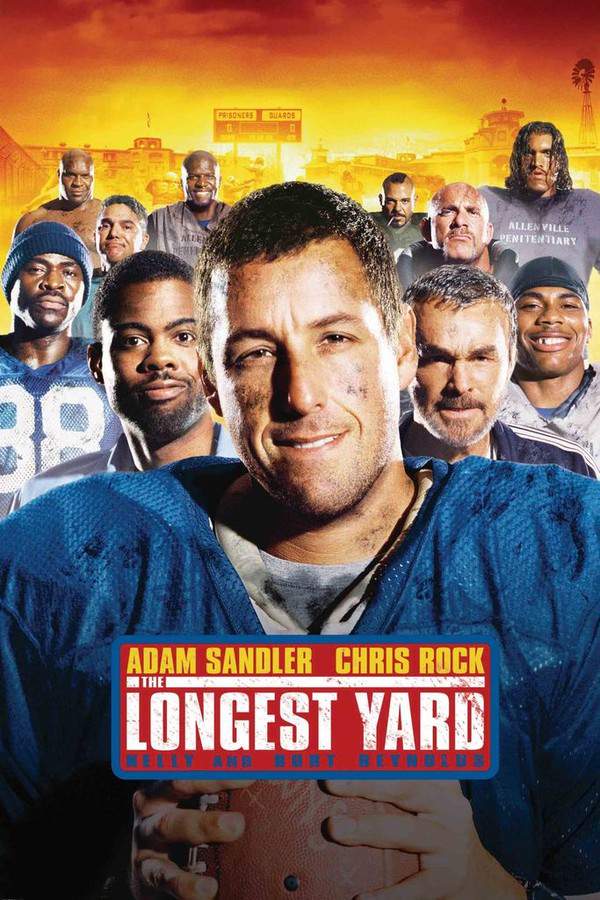
The Longest Yard (2005) Ending Explained & Film Insights
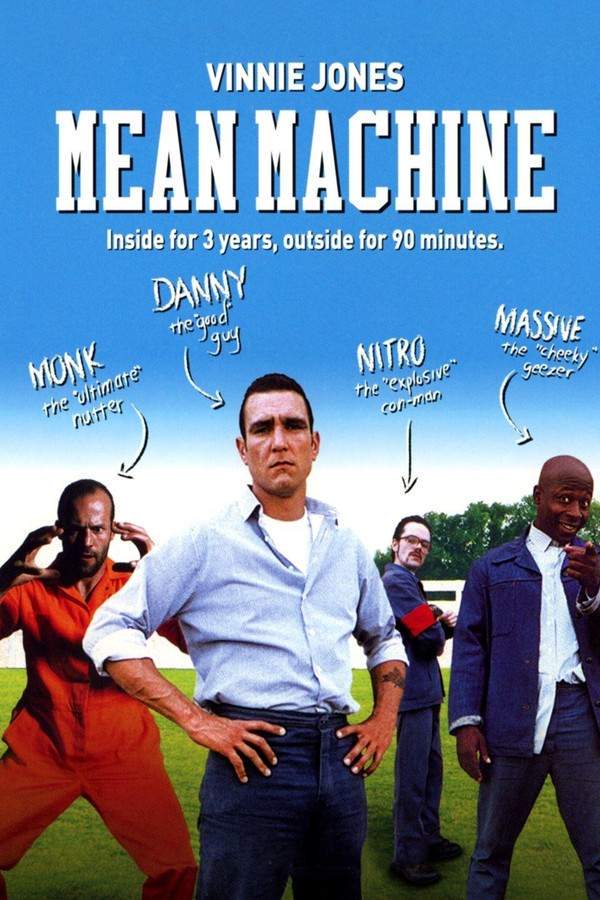
Mean Machine (2002) Story Summary & Characters
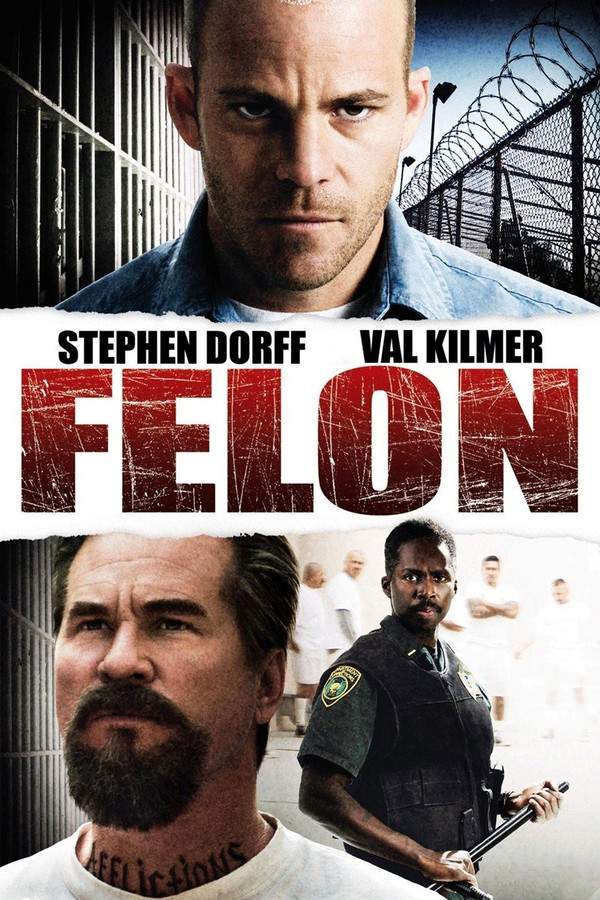
Felon (2008) Story Summary & Characters
The Program (1993) Spoiler-Packed Plot Recap
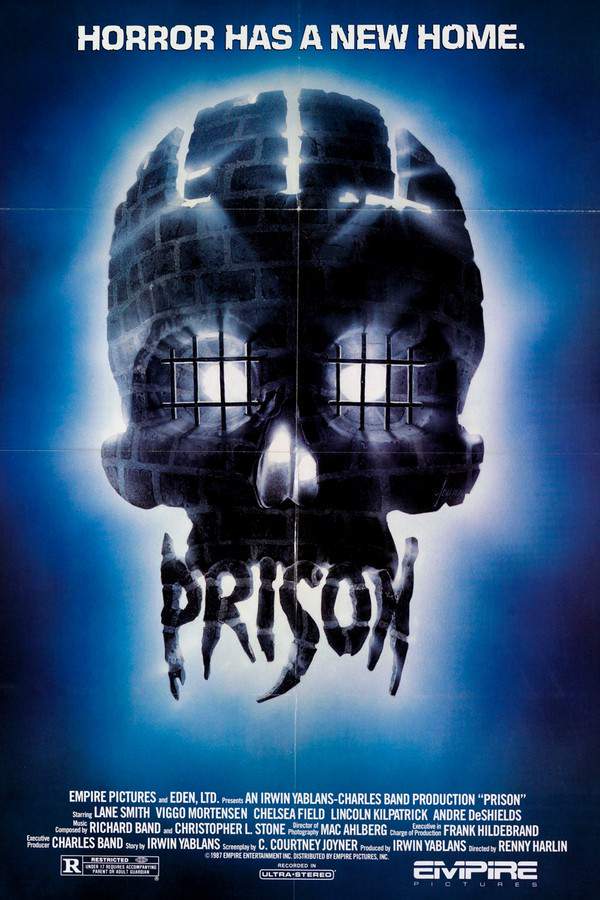
Prison (1988) Film Overview & Timeline
Penitentiary (1979) Ending Explained & Film Insights
On the Yard (1978) Ending Explained & Film Insights
Hold ’Em Jail (1932) Detailed Story Recap