During the conflict in Kosovo in 1999, a quiet truck driver finds himself on a dangerous mission. He is tasked with transporting a mysterious cargo through the war-torn landscape to Belgrade, all while NATO bombing campaigns shake the region. Facing perilous roads and navigating a complex web of loyalties, he must confront the challenges of the journey and the toll it takes on his spirit, pushing him to his physical and moral limits.
Find where to stream, rent, or buy The Load (2019) in the US with current JustWatch availability, up-to-date pricing, and platform listings for subscription, rental, and digital purchase options.
Warning: spoilers below!
Haven’t seen The Load yet? This summary contains major spoilers. Bookmark the page, watch the movie, and come back for the full breakdown. If you're ready, scroll on and relive the story!
Read the complete plot breakdown of The Load (2019), including all key story events, major twists, and the ending explained in detail. Discover what really happened, and what it all means.
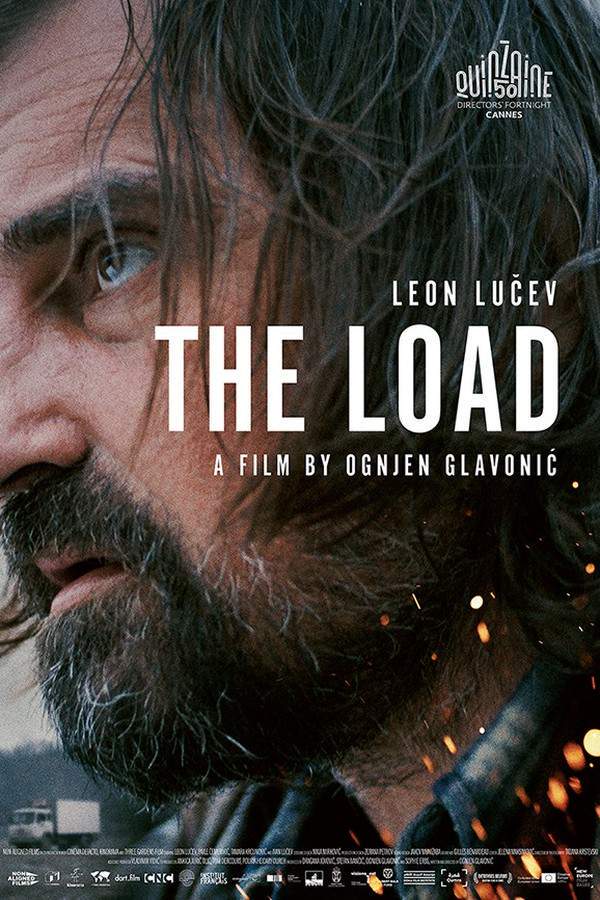
During the 1999 NATO bombing of Kosovo, we meet Vlada, portrayed by Leon Lucev, a middle-aged man who finds himself entangled in a perilous mission as a courier. Hired to transport a mysterious cargo through the ravaged landscape of Kosovo to Belgrade, Vlad’s task is shrouded in secrecy; he is explicitly warned against stopping for any reason once he sets off. This marks his third driving excursion, and the weight of uncertainty presses heavily upon him.
Upon his arrival at the designated pick-up point, Vlada is prepared for what lies ahead. However, fate reroutes him when a burning vehicle obstructs his path at a bridge, leading him to detour toward a nearby riverbed. There, he encounters a small community of refugees who assist him with directions and offer him cigarettes, emphasizing the everyday struggles of those caught in this war-torn environment.
Paja, a vibrant young man played by Pavle Cemerikic, approaches Vlada with a request to hitch a ride to Belgrade. Despite Paja’s persuasive arguments about his ability to navigate through the countryside, Vlada declines. Yet, as he resumes his journey, he discovers that Paja has cleverly managed to stow away by clinging to the back of his truck. After a moment of silent contemplation, Vlada relents and allows Paja to join him, seeing the necessity of ensuring the young man’s warmth against the cold.
As they travel together, the duo witnesses the harrowing effects of war on Kosovo. Their conversations reveal striking contrasts in their backgrounds, although both hail from traditional and upstanding families. Paja shares a glimpse into his life through the music he has created with his band, offering a cassette and headphones to Vlada, who praises his artistic talent. The more they share, the tighter their bond becomes, yet Vlada keeps a significant part of his life hidden—specifically, the content of the cargo he carries, which he admits he neither knows nor wishes to uncover. Their journey takes a dramatic turn as they narrowly evade the grasp of law enforcement.
In a turning point of their companionship, Paja decides to exit the truck before reaching Belgrade. He hands Vlada the cassette and encourages him to reach out should he ever wish to reconnect. The poignant image of Paja left behind, alone in a dilapidated playground as dusk envelops him, draws a stark contrast to their earlier camaraderie.
Successfully navigating his perilous journey, Vlada reaches his destination, where he is duly compensated for his risky endeavor. However, his somber reality unfolds within the confines of a government office building, where, after making a necessary phone call, he witnesses soldiers unloading lifeless bodies from the very truck he drove, only to dispose of them in a mass grave. This moment underscores the heavy cost of the conflict surrounding him.
As fatigue takes hold, Vlada dozes off on a couch in the waiting area, only to be stirred by an officer who commands him to wash the cargo hold and return the truck. On his way home, he finds a moment to reconnect with his family, including his teenage son Ivan played by Ivan Lucev. They engage in a difficult discussion about their future amidst the uncertainty of the ongoing bombings. Despite his efforts to bond, Vlada feels a chasm between him and Ivan, reflecting the emotional turmoil wrought by the conflict.
Attempting to bridge this gap, he recounts stories of how the war affected his family during World War II, imparting wisdom to Ivan. In a meaningful gesture, he passes on the cassette tape gifted by Paja to his son, who later listens to it while hanging out with a friend. The film poignantly concludes with Ivan expressing his desire to form a band, a symbol of hope and youthful ambition amidst the bleak landscape of their reality.
Last updated: December 13, 2024 at 06:47
Explore frequently asked questions about The Load (2019) with spoiler-rich answers covering the full plot summary, major story beats, character motivations, hidden details, and ending meaning. This movie summary FAQ helps explain confusing scenes, plot twists, and narrative decisions in clear, searchable detail.
Vlada accepts the job primarily out of economic necessity during wartime. He explicitly states he doesn't want to know what's in the cargo, suggesting he suspects it may be morally questionable but chooses ignorance to maintain plausible deniability. This reflects how ordinary people in conflict zones are often forced into morally compromised situations simply to survive and provide for their families.
The cargo turns out to be dead bodies. When Vlada arrives at the government building in Belgrade, he watches in horror as soldiers unload lifeless corpses from his truck and dispose of them in a mass grave. This devastating revelation exposes that Vlada has been unknowingly transporting human remains throughout his journey.
Paja decides to leave before Belgrade because he recognizes that his chances of survival are better entering the city on foot rather than continuing with Vlada, who is clearly transporting something illegal or dangerous. He also wants to spare Vlada from having to explain his presence if they were to be caught together at the destination.
Upon arriving at the government office building, Vlada is paid for his delivery but then witnesses soldiers unloading dead bodies from his truck and dumping them into a mass grave. This traumatic sight reveals the true nature of his cargo and forces him to confront the horrific reality of what he's been transporting.
The strain between Vlada and Ivan stems from the emotional toll of war on their family. Vlada's dangerous secret missions and prolonged absences have created a growing chasm. Additionally, Ivan appears to have become emotionally distant, possibly resenting his father's involvement in the war's morally questionable activities or simply struggling to connect with a parent who is physically and emotionally present but distant.
The cassette tape represents Paja's creative spirit and hope for the future despite the war. Paja, a musician, gives Vlada the cassette containing his band's music as a gift and as a symbol of connection between them. Later, Vlada passes this tape to Ivan, symbolizing the transmission of hope and artistic expression across generations, suggesting that creativity can survive even in the darkest times.
Vlada gives the cassette to Ivan as an attempt to bridge the emotional gap between them and pass on something meaningful from his journey. By sharing Paja's music, Vlada hopes to connect with his son through art and creativity, offering Ivan a symbol of hope and possibility for the future, even as the war continues around them.
Vlada relents and lets Paja stay after discovering him clinging to the back of the truck because he recognizes the young man would likely die in the cold night if left behind. Despite the danger of having a passenger, Vlada's basic humanity overrides his caution, showing that even in wartime, people are capable of compassion and small acts of kindness.
Vlada is forced to detour when he encounters a burning vehicle blocking the bridge on his original route. This leads him to a nearby riverbed where he encounters a group of refugees who help direct him and sell him cigarettes, showcasing the everyday interactions between civilians trying to survive the conflict.
The mass grave scene represents the dehumanizing reality of war and the way ordinary citizens become complicit in atrocities without their knowledge. It underscores the moral corruption that permeates conflict, showing how Vlada, despite being a simple truck driver, has been unknowingly participating in the disposal of war victims, reflecting the broader horror that civilians are forced to endure or enable.
Vlada shares stories about how war affected his family during World War II as a way to connect with Ivan and help him understand that their family has endured hardship before. He hopes these stories will teach Ivan resilience and provide perspective on their current circumstances, while also trying to bridge the generational and emotional gap between them.
Ivan's expressed desire to form a band symbolizes hope and the persistence of youth and creativity despite the bleak wartime reality. It represents a rejection of despair and a declaration that life and art continue even amid destruction. The ending suggests that the younger generation will find their own way forward, carrying forward the musical gift as a symbol of potential renewal.
Discover curated groups of movies connected by mood, themes, and story style. Browse collections built around emotion, atmosphere, and narrative focus to easily find films that match what you feel like watching right now.
Stories of quiet protagonists navigating desolate and dangerous environments.If you liked the quiet, perilous journey in 'The Load', explore these movies featuring solitary travelers in bleak landscapes. These films share a slow, meditative pace, a heavy emotional weight, and a focus on the internal struggle of moving through a hostile world.
The narrative pattern follows a linear journey, often a simple mission that becomes an existential test. Conflict arises from the environment itself and the protagonist's internal moral compass. The plot is typically straightforward, serving as a framework to explore themes of survival, isolation, and the burden of witnessing.
Movies in this thread are grouped by their shared mood of somber loneliness, a slow, deliberate pacing that builds tension and melancholy, and the central motif of a solitary journey through a dangerous, often war-torn or post-apocalyptic, world.
Character studies of ordinary people forced to confront their own ethical boundaries.For viewers who appreciated the moral conflict in 'The Load', this thread collects films about the heavy weight of complicity. These stories feature characters pushed to their ethical limits, resulting in a bittersweet or bleak ending and a profound emotional impact.
The story unfolds as the protagonist is gradually exposed to a horrifying truth or forced to participate in an immoral act. The climax is often a moment of quiet realization rather than action, leading to an ending that is bittersweet or bleak, acknowledging survival but emphasizing the loss of innocence or peace.
This thread unites films with a heavy emotional weight, a straightforward narrative that focuses on internal moral conflict, and a tone of melancholy or bleakness. They share the theme of an existential burden placed upon an otherwise ordinary individual.
Don't stop at just watching - explore The Load in full detail. From the complete plot summary and scene-by-scene timeline to character breakdowns, thematic analysis, and a deep dive into the ending - every page helps you truly understand what The Load is all about. Plus, discover what's next after the movie.
Track the full timeline of The Load with every major event arranged chronologically. Perfect for decoding non-linear storytelling, flashbacks, or parallel narratives with a clear scene-by-scene breakdown.
Discover the characters, locations, and core themes that shape The Load. Get insights into symbolic elements, setting significance, and deeper narrative meaning - ideal for thematic analysis and movie breakdowns.
Discover movies like The Load that share similar genres, themes, and storytelling elements. Whether you’re drawn to the atmosphere, character arcs, or plot structure, these curated recommendations will help you explore more films you’ll love.
The Load (2019) Scene-by-Scene Movie Timeline
The Load (2019) Movie Characters, Themes & Settings
The Load (2019) Spoiler-Free Summary & Key Flow
Movies Like The Load – Similar Titles You’ll Enjoy
Intregalde (2022) Complete Plot Breakdown
In the Land of Blood and Honey (2011) Complete Plot Breakdown
Far Away (2001) Full Summary & Key Details
Balkan Line (2019) Spoiler-Packed Plot Recap
On the Old Roman Road (2001) Ending Explained & Film Insights
Import/Export (2007) Full Summary & Key Details
The Red Colored Grey Truck (2004) Story Summary & Characters
California Dreamin’ (2007) Full Movie Breakdown
Roadtripper (2022) Ending Explained & Film Insights
The Long Drive (1975) Full Summary & Key Details
A Trip Without a Load (1963) Complete Plot Breakdown
White Cargo (1942) Complete Plot Breakdown
Vukovar Poste Restante (1994) Spoiler-Packed Plot Recap
Riders (2022) Story Summary & Characters
A Short Trip (2023) Full Movie Breakdown