Year: 2002
Runtime: 155 mins
Language: Hindi
Director: Rajkumar Santoshi
Born in British India, Bhagat Singh witnesses numerous atrocities during his childhood and grows up to become one of the most fearless freedom fighters in the country.
Warning: spoilers below!
Haven’t seen The Legend of Bhagat Singh yet? This summary contains major spoilers. Bookmark the page, watch the movie, and come back for the full breakdown. If you're ready, scroll on and relive the story!
Explore the full timeline and setting of The Legend of Bhagat Singh (2002). Follow every major event in chronological order and see how the environment shapes the story, characters, and dramatic tension.
Last updated: October 03, 2025 at 10:20
Meet the key characters of The Legend of Bhagat Singh (2002), with detailed profiles, motivations, and roles in the plot. Understand their emotional journeys and what they reveal about the film’s deeper themes.
Last updated: October 03, 2025 at 10:20
Explore the central themes of The Legend of Bhagat Singh (2002), from psychological, social, and emotional dimensions to philosophical messages. Understand what the film is really saying beneath the surface.
Last updated: October 03, 2025 at 10:20
Browse frequently asked questions about The Legend of Bhagat Singh (2002) focused on characters, relationships, themes, symbols, setting, and story context. This movie info FAQ gives spoiler-aware explanations for character arcs, world details, and thematic interpretation so readers can better understand what the film is really about.
The film is set across major centers of the Indian freedom movement under British colonial rule, including Amritsar, Lahore, New Delhi, and Allahabad. These locations represent the geographic breadth of the independence struggle, with Amritsar being significant for the Jallianwala Bagh massacre aftermath and Lahore serving as the site of imprisonment and execution.
The movie spans from Bhagat Singh's birth in 1907 to his execution in 1931, covering the early decades of 20th century British India. This period marks the shift from Gandhi's nonviolent movement to a more radical revolutionary phase, including events like the Simon Commission protests and the hunger strikes that intensified debate about India's future.
The film explores four major themes: Nationalism, showing the rise of Indian nationalism against colonial rule; Sacrifice, depicting the willingness of revolutionaries to endure imprisonment and death for independence; Revolutionary Action, examining direct action tactics and their moral complexities; and Prison & Repression, highlighting brutal jail conditions and hunger strikes that fueled public sympathy for the independence cause.
Bhagat Singh was one of India's most fearless freedom fighters who joined the Hindustan Republic Association and embraced clandestine resistance against British rule. Witnessing the Jallianwala Bagh massacre during his childhood hardened his resolve toward radical action. He became a symbol of youthful resistance and was executed in 1931 at age 23, leaving a legacy that continues to inspire movements for justice and freedom.
The film depicts the ideological shift from Gandhi's nonviolent movement to Bhagat Singh's more radical revolutionary approach. While Gandhi advocated peaceful resistance, Bhagat Singh and his comrades believed direct action, including the Council House bombing, was necessary to force the world to notice India's struggle. The narrative explores the moral complexities and costs of choosing violent resistance over peaceful protest.
Bhagat Singh's close allies include Sukhdev Thapar, who shares his commitment and fate; Chandrashekhar Azad, the seasoned revolutionary who provides strategic resolve; Ram Prasad Bismil, an early revolutionary figure in the underground network; and Batukeshwar Dutt, who partners with Singh in dramatic acts designed to draw international attention to India's struggle. These revolutionaries collectively represent the interconnected network of activists working toward independence.
The film depicts Bhagat Singh's personal relationships alongside his political journey. His father Kishan Singh supports him and attempts to guide him toward a quieter life. His partner Mannewali represents the human cost of his dedication to the cause, while his maternal figure Vidyavati provides emotional grounding. These relationships illustrate the tension between personal obligations and political calling that defined Singh's life.
The film emphasizes that Bhagat Singh and his peers embodied personal sacrifice in service of a larger ideal. Their willingness to endure hunger, imprisonment, and death was intended to awaken public conscience. Their sacrifices became rallying points that polarized opinion and fueled the independence movement, with their execution in 1931 solidifying their status as martyrs whose death inspired future generations.
Lala Lajpat Rai appears as a catalyst for escalating protests following the Simon Commission. His death at the hands of police during a protest becomes a rallying cry that intensifies revolutionary fervor. His portrayal illustrates how specific events and deaths fueled the shift toward more radical resistance, making him a symbol of principled leadership in the struggle against colonial rule.
The film depicts Central Jail Lahore as a site of brutal repression where revolutionaries faced harsh conditions, canings, and forced feeding during hunger strikes. Prison becomes a proving ground for resolve, where activists endured torture while continuing their resistance. These scenes highlight the state's repressive response to dissent and how such treatment actually heightened public sympathy for the revolutionary cause.
Discover curated groups of movies connected by mood, themes, and story style. Browse collections built around emotion, atmosphere, and narrative focus to easily find films that match what you feel like watching right now.
Intense historical dramas about revolutionaries who sacrificed everything.If you liked The Legend of Bhagat Singh, you'll find similar powerful stories in this thread. Discover movies about historical revolutionaries whose unwavering commitment to their cause leads to a tragic, martyr-like fate. These films share a somber, defiant tone and a heavy emotional weight, focusing on the high cost of fighting for freedom.
These narratives typically follow a linear path from a character's political awakening through their escalating acts of defiance against an oppressive power. The journey is marked by ideological clarity, profound sacrifice, and culminates in a tragic ending that solidifies their legacy as a martyr, leaving a heavy emotional impact.
Movies in this thread are grouped by their shared focus on historical martyrdom. They possess a dark, somber tone, high emotional intensity, and a steady pacing that builds towards an inevitably sad conclusion centered on sacrifice for a greater ideal.
Grim stories of defiance against overwhelming injustice.Explore more movies like The Legend of Bhagat Singh that capture the grim reality of political struggle. These films depict the high-stakes world of resistance against oppression, characterized by a dark, tense atmosphere, a steady pace, and a heavy emotional focus on injustice and sacrifice.
The narrative pattern revolves around a protagonist or group confronting systemic injustice. The conflict is external and immense, pitting idealism against brutal power. The story unfolds with a sense of grim inevitability, focusing on the high personal cost of resistance rather than a triumphant victory.
These films share a core vibe of somber defiance. They are united by a dark tone, high intensity stemming from political conflict, a steady pacing that builds tension, and a dominant mood that blends resolve with melancholy, all centered on the theme of fighting a powerful oppressor.
Don't stop at just watching - explore The Legend of Bhagat Singh in full detail. From the complete plot summary and scene-by-scene timeline to character breakdowns, thematic analysis, and a deep dive into the ending - every page helps you truly understand what The Legend of Bhagat Singh is all about. Plus, discover what's next after the movie.
Read a complete plot summary of The Legend of Bhagat Singh, including all key story points, character arcs, and turning points. This in-depth recap is ideal for understanding the narrative structure or reviewing what happened in the movie.
Track the full timeline of The Legend of Bhagat Singh with every major event arranged chronologically. Perfect for decoding non-linear storytelling, flashbacks, or parallel narratives with a clear scene-by-scene breakdown.
Discover movies like The Legend of Bhagat Singh that share similar genres, themes, and storytelling elements. Whether you’re drawn to the atmosphere, character arcs, or plot structure, these curated recommendations will help you explore more films you’ll love.
The Legend of Bhagat Singh (2002) Plot Summary & Movie Recap
The Legend of Bhagat Singh (2002) Scene-by-Scene Movie Timeline
The Legend of Bhagat Singh (2002) Spoiler-Free Summary & Key Flow
Movies Like The Legend of Bhagat Singh – Similar Titles You’ll Enjoy
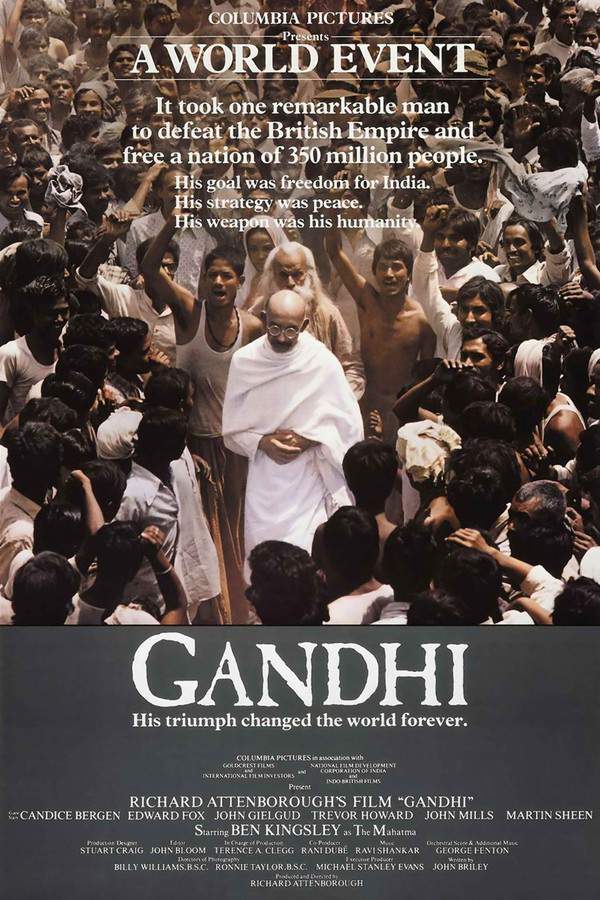
Gandhi (1983) Full Summary & Key Details
Bharat (2019) Full Movie Breakdown
Gandhi, My Father (2007) Ending Explained & Film Insights
Bhavesh Joshi Superhero (2018) Complete Plot Breakdown
23rd March 1931: Shaheed (2002) Ending Explained & Film Insights
Rang De Basanti (2006) Full Summary & Key Details
Hey Ram (2000) Ending Explained & Film Insights
Mangal Pandey - The Rising (2005) Story Summary & Characters
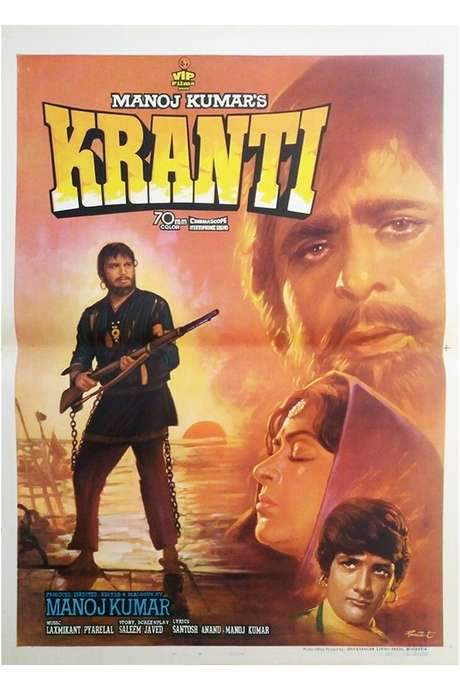
Kranti (1981) Ending Explained & Film Insights
Sardar Udham (2021) Full Summary & Key Details
Shaheed (1965) Detailed Story Recap
The Brigand of Kandahar (1965) Full Movie Breakdown
Bhagavanth Kesari (2023) Detailed Story Recap
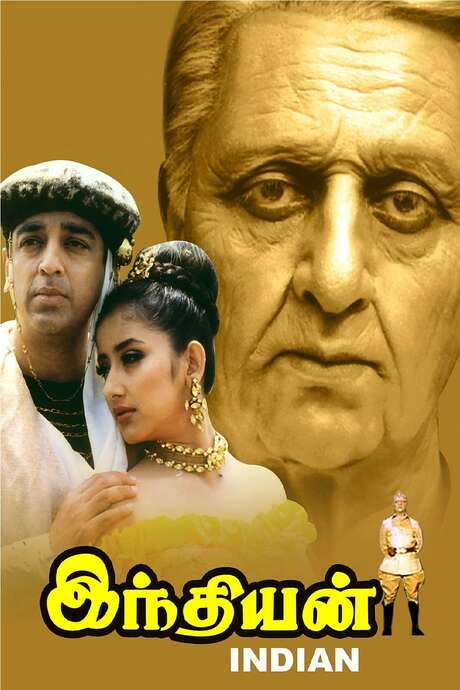
Indian (1996) Detailed Story Recap
Bandit Queen (1994) Film Overview & Timeline