Year: 2022
Runtime: 107 min
Language: English
Director: Christopher Terrill
Budget: $650K
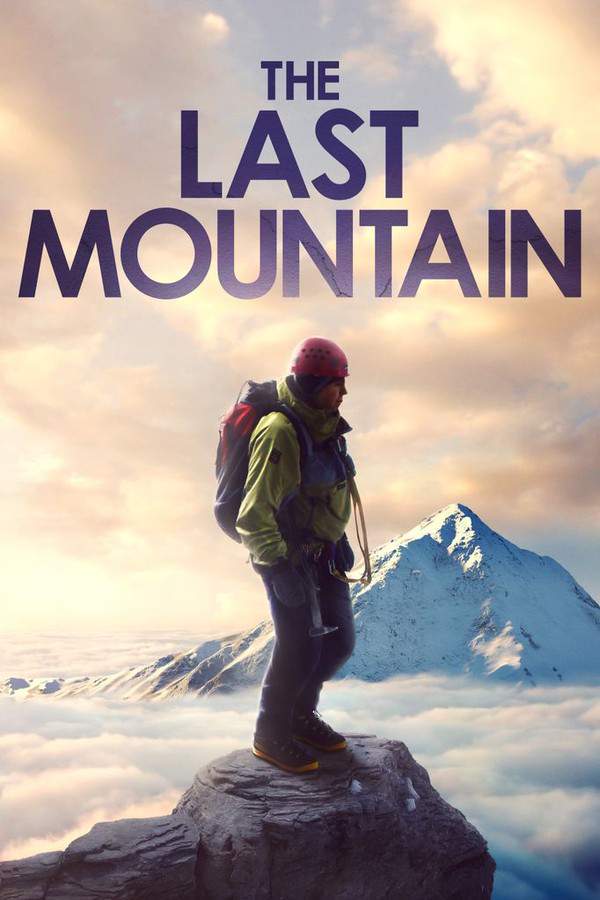
Kate Ballard undertakes a moving journey to honor her brother’s memory, following his final climb of Nanga Parbat. The film combines archival footage from 1995 with his personal recordings, offering a glimpse into his dedication to mountaineering. Through this unique combination, the story explores the close relationship within the family, united by their love of climbing and the desire to challenge the world's most formidable mountains.
Find where to stream, rent, or buy The Last Mountain (2022) in the US with current JustWatch availability, up-to-date pricing, and platform listings for subscription, rental, and digital purchase options.
Warning: spoilers below!
Haven’t seen The Last Mountain yet? This summary contains major spoilers. Bookmark the page, watch the movie, and come back for the full breakdown. If you're ready, scroll on and relive the story!
Explore the full timeline and setting of The Last Mountain (2022). Follow every major event in chronological order and see how the environment shapes the story, characters, and dramatic tension.
Last updated: May 04, 2025 at 18:43
Meet the key characters of The Last Mountain (2022), with detailed profiles, motivations, and roles in the plot. Understand their emotional journeys and what they reveal about the film’s deeper themes.
Last updated: May 04, 2025 at 18:43
Explore the central themes of The Last Mountain (2022), from psychological, social, and emotional dimensions to philosophical messages. Understand what the film is really saying beneath the surface.
Last updated: May 04, 2025 at 18:43
Browse frequently asked questions about The Last Mountain (2022) focused on characters, relationships, themes, symbols, setting, and story context. This movie info FAQ gives spoiler-aware explanations for character arcs, world details, and thematic interpretation so readers can better understand what the film is really about.
Nanga Parbat is located in the Himalayas, one of the most formidable mountain ranges on Earth. It is one of the deadliest peaks in the world, drawing climbers from around the globe who are captivated by its extreme challenge.
Nanga Parbat is considered one of the deadliest mountains in the world due to its treacherous peaks, unpredictable weather, and high risk of avalanches. The mountain's extreme altitude and technical climbing routes demand exceptional skill while also exposing climbers to constant peril.
The film is set around February 2019, a pivotal moment in mountaineering when the risks associated with high-altitude climbing were openly discussed. The documentary combines this contemporary context with archival footage from 1995 and Tom's personal recordings.
The film explores courage as the defining spirit of the climbers, particularly Tom Ballard, who confronts some of the highest and most dangerous peaks. The documentary examines the thin line between bravery and recklessness, showing how courage resonates not only with climbers but also with their families who must grapple with the emotional toll of such pursuits.
Loss pervades the documentary, reflecting on the tragedy of both Tom Ballard and his mother's deaths. The film captures each family member's journey through grief, emphasizing the profound impact of their shared legacy in the climbing community and the emotional sacrifices families face when loved ones pursue dangerous passions.
Nature plays a vital role in illustrating both beauty and brutality. The awe-inspiring landscapes of the Himalayas highlight the intense connection climbers have with the environment. The film showcases nature as both a partner in adventure and a formidable adversary that climbers must respectfully confront.
Tom Ballard was an ambitious climber who followed in his mother's legendary footsteps. Known for his fearless spirit, his journey represents not only personal achievement but also a connection to his family's legacy in mountaineering. His tragic death became central to the documentary's narrative.
Kate Ballard serves as the central figure in the documentary, undertaking a journey to honor her brother's memory after his tragic disappearance. Her strength and resilience highlight the emotional aftermath of loss within a family tied to the dangers of climbing, embodying the themes of remembrance and love.
Jim Ballard is presented as the devoted father who has lost both his wife and his son to the dangers of mountaineering. His reflections provide insight into the sacrifices made for the sport and the emotional toll it takes on loved ones, serving as a testament to the complex emotions surrounding climbing families.
The Ballard family is defined by their deep connection to mountaineering. Tom's mother was a legendary climber, and both Tom and his mother ultimately lost their lives pursuing their passion for climbing. This tragic legacy forms the emotional core of the documentary, exploring how the family's love of climbing binds them together even in grief.
The Himalayas serve as both a breathtaking backdrop and a powerful thematic element in the film. The mountains represent the ultimate challenge for climbers while also symbolizing the duality of nature, beautiful yet dangerous, inviting yet deadly. This setting underscores the film's exploration of risk, pursuit, and the profound relationship between humans and nature.
Discover curated groups of movies connected by mood, themes, and story style. Browse collections built around emotion, atmosphere, and narrative focus to easily find films that match what you feel like watching right now.
Intimate films where personal loss is explored through a physical or emotional pilgrimage.This collection features movies like The Last Mountain, where a personal journey serves as a form of remembrance. If you were moved by the intimate exploration of loss and the use of archival footage to piece together a life, you'll find similar cathartic and poignant stories here.
The narrative typically centers on a protagonist grappling with a recent or past death, often a family member. Their journey—whether physical, like retracing steps, or emotional, like revisiting memories—structures the story. The conflict is internal, revolving around acceptance and the enduring nature of love, rather than external action.
These films are grouped by their shared focus on the melancholic, reflective process of grieving. They prioritize emotional weight and intimacy over fast-paced drama, creating a cohesive viewing experience for those seeking contemplative stories about loss and legacy.

Non-fiction films that memorialize tragic pursuits of extreme passion and ambition.For viewers of The Last Mountain, this section highlights similar documentaries that serve as moving elegies. These films explore the thin line between human aspiration and tragedy, using personal archives to tell intimate stories of risk-taking and its profound consequences on loved ones.
These documentaries often follow a retrospective structure, piecing together the story of a life cut short by the very passion that defined it. Through interviews, home videos, and professional footage, they build a portrait of obsession and its impact. The narrative is less about suspense and more about understanding the psychology of the subject and the legacy of their actions.
They share a specific documentary approach: using tragedy as a lens to examine human ambition. The tone is consistently melancholic and respectful, the pacing is slow and contemplative, and they all grapple with themes of family, loss, and the awe-inspiring yet dangerous power of nature or passion.
Don't stop at just watching - explore The Last Mountain in full detail. From the complete plot summary and scene-by-scene timeline to character breakdowns, thematic analysis, and a deep dive into the ending - every page helps you truly understand what The Last Mountain is all about. Plus, discover what's next after the movie.
Read a complete plot summary of The Last Mountain, including all key story points, character arcs, and turning points. This in-depth recap is ideal for understanding the narrative structure or reviewing what happened in the movie.
Track the full timeline of The Last Mountain with every major event arranged chronologically. Perfect for decoding non-linear storytelling, flashbacks, or parallel narratives with a clear scene-by-scene breakdown.