












Plot Explained Spoilers guaranteed!
Plot Explained

Browse by genre

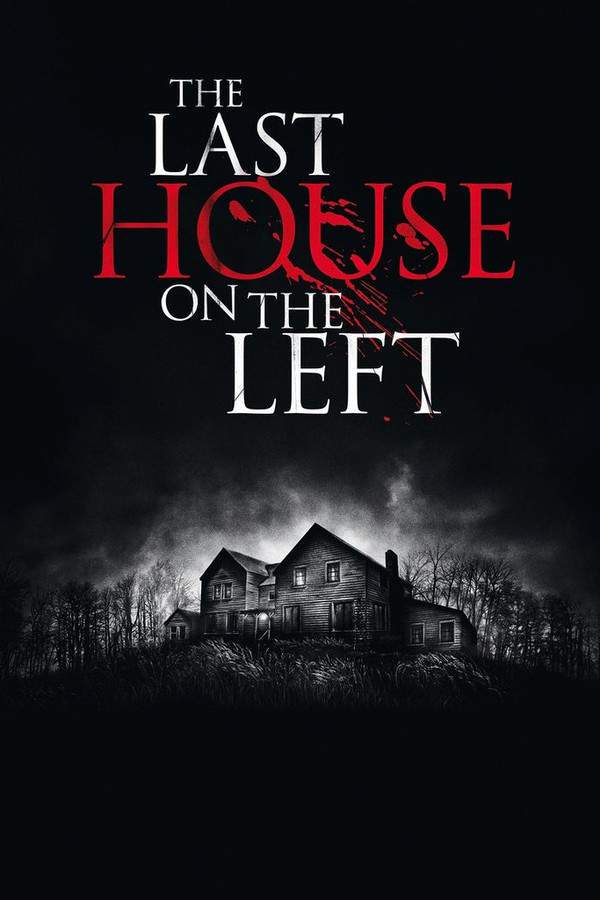
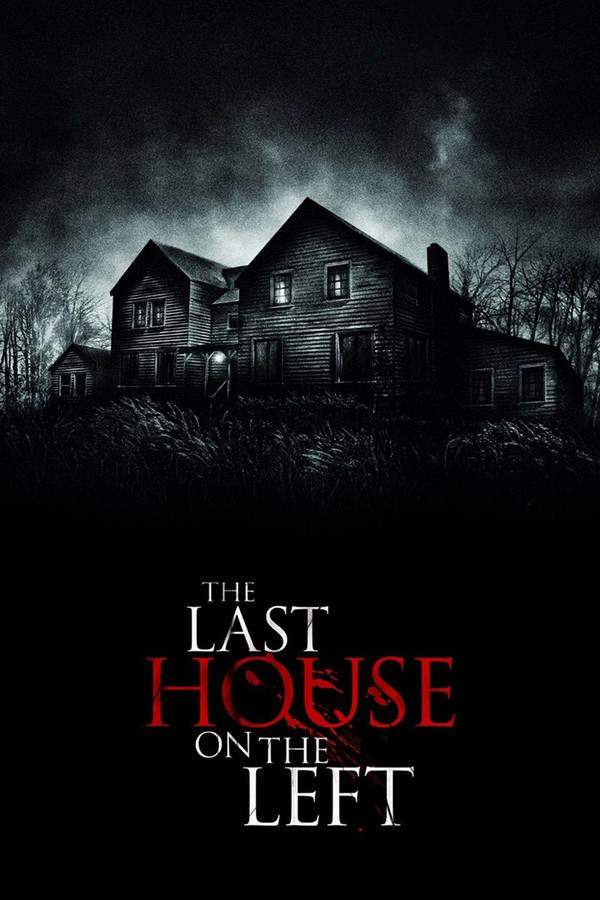
The Last House on the Left (1972) movie poster

Characters & Themes

The Last House on the Left (1972) Characters, Setting & Themes Explained

Release, runtime and language
1972 · 84 min · English
JustWatch #13,864 776
Directed by
Wes Craven
Starring
Ada Washington, Cynthia Carr, David Hess, Fred J. Lincoln, Jeramie Rain, Lucy Grantham

While on a lakeside vacation, Mari and a friend encounter a violent escaped convict and his accomplices, leading to a terrifying fight for survival. She manages to escape and finds temporary safety with her parents, unaware that the same dangerous men have followed her and are now hiding in their home. A brutal confrontation and reckoning ensues, testing the limits of morality and revenge.

On this page (8)
  1. 1 Where to watch
  2. 2 Characters explained (4)
  3. 3 Where & when it takes place
  4. 4 Themes & meaning (3)
  5. 5 Character & meaning questions
  6. 6 Movie threads
  7. 7 Movies like The Last House on the Left
  8. 8 Every angle

Where to watch

Where to Watch The Last House on the Left (1972)

Where can you watch The Last House on the Left? Stream, rent or buy it in the US, including on fuboTV, MGM Plus and Philo: current JustWatch availability with up-to-date prices.

Streaming availability powered by JustWatch

4 main characters · contains spoilers

The Last House on the Left Characters Explained: Who Is Who

The main characters of The Last House on the Left (1972), heroes and villains: what drives them, how they change over the course of the story and what each of them reveals about the film's bigger ideas.

  • Mari Collingwood

    played by Sandra Peabody

    Mari is a 17-year-old girl who is excited to celebrate her birthday but is soon thrust into a horrific nightmare. Her innocence and bravery shine through as she navigates the terrifying circumstances forced upon her. Mari's character embodies resilience in the face of unspeakable horror.

    • 👧 Young Adult
    • 🌹 Innocence
  • Krug Stillo

    played by David Hess

    Krug is the ruthless antagonist of the film, characterized by his violent nature and lack of empathy. His manipulative tactics and sadistic pleasure in tormenting others portray him as a chilling representation of evil. As the primary instigator of violence, Krug's character evokes fear and loathing.

    • 🗡️ Villain
    • 🔥 Brutality
  • Phyllis Stone

    played by Lucy Grantham

    Phyllis is Mari's loyal friend who becomes embroiled in the terrifying events that unfold. Her bravery in the face of crisis is notable, as she tries to protect Mari despite the overwhelming odds. Phyllis's character development highlights themes of friendship and sacrifice.

    • 👭 Loyalty
    • ⚔️ Bravery
  • Mrs. Collingwood

    played by Cynthia Carr

    Mrs. Collingwood, portrayed as a caring and nurturing figure, becomes an embodiment of maternal instinct when faced with the loss of her daughter. Her determination to uncover the truth about Mari's disappearance drives the narrative forward and adds emotional depth to the story. Her character's arc represents the terrifying lengths a parent will go to for their child.

    • 👩‍👧 Maternal
    • 😠 Vengeful

Last updated: October 22, 2024 at 19:49

Was this helpful?

Setting

Where and When Does The Last House on the Left Take Place?

The setting of The Last House on the Left (1972): the year and time period, the places and locations, and how they shape the characters, the mood and the tension of the story.

Time period

1970s

Set in the 1970s, this time period is often associated with social upheaval and changing cultural norms. It was a decade marked by a rise in youth countercultures, yet also by significant violence and crime. The film reflects these tensions, juxtaposing the innocence of youth with the brutal realities lurking in society.

Location

New York City, Countryside, Woods

The movie takes place primarily in the vibrant and bustling atmosphere of New York City, known for its cultural significance and as a hub for entertainment. The contrast between the city and the isolated countryside, where the horrors unfold, highlights the dichotomy of urban life versus the darker elements of nature. The woods serve as a haunting backdrop, amplifying the tension and danger surrounding the characters.

  • 🌆 City
  • 🌲 Nature

Last updated: October 22, 2024 at 19:49

Was this helpful?

3 major themes

The Last House on the Left Meaning: Themes & Message Explained

What is The Last House on the Left (1972) really about? The emotional, social and philosophical themes the film keeps returning to, its symbolism and the message beneath the surface.

  • Revenge

    The theme of revenge permeates the movie as characters seek to reclaim power from their oppressors. After enduring unspeakable horrors, the parents of Mari become embodiments of vengeance, ultimately confronting the criminals responsible for the tragic events. This cycle of violence raises questions about justice and the moral implications of taking the law into one's own hands.

  • Survival

    Survival in the face of overwhelming terror is a central theme in the film. Both Mari and Phyllis are put in unimaginable situations that test their physical and emotional limits. Their struggle against the sadistic gang emphasizes the instinct to fight for life, even when hope seems lost.

  • Friendship

    Friendship plays a crucial role, especially in the bond between Mari and Phyllis. Their relationship, filled with youthful hopes and dreams, contrasts starkly with the horrific events they endure. The extremes of their camaraderie are tested in the face of danger, showcasing loyalty and sacrifice.

Last updated: October 22, 2024 at 19:49

Was this helpful?

Character & theme questions

The Last House on the Left Characters & Meaning: Your Questions Answered

The questions people ask about The Last House on the Left (1972): who the characters really are, their relationships, what the symbols mean, where it takes place and what the movie is really about. Each answer contains spoilers.

Q1

Where is The Last House on the Left set?

The movie takes place in New York City and the surrounding countryside, with the primary horror events unfolding in isolated woods away from the urban environment. The contrast between the bustling city and the remote, dangerous wilderness is central to the film's atmosphere.

Foreshadowing: The opening scenes in the city establish a false sense of security before the characters venture into the dangerous countryside.

  • setting
  • new york
  • countryside
  • woods
  • location
Q2

What time period does the movie take place in?

The film is set in the 1970s, a decade marked by social upheaval, rising crime, and changing cultural norms. This era context adds layers of meaning to the story's exploration of violence and moral breakdown.

  • 1970s
  • time period
  • era
  • 1970s america
Q3

What are the main themes of The Last House on the Left?

The film explores three core themes: revenge, survival, and friendship. Revenge drives the parents' desperate actions after their daughter is harmed. Survival depicts the characters' fight against overwhelming terror. Friendship highlights the bond between Mari and Phyllis as they face unimaginable danger.

  • themes
  • revenge
  • survival
  • friendship
  • messages
Q4

Who is the main antagonist in the film?

Krug Stillo is the film's primary antagonist, a violent escaped convict leading a sadistic gang. He is portrayed as a cold, manipulative villain who derives pleasure from tormenting his victims. His character represents pure evil and serves as the catalyst for the film's cycle of violence.

  • krug stillo
  • antagonist
  • villain
  • main villain
Q5

What role does revenge play in the story?

Revenge is central to the narrative, as Mari's parents take the law into their own hands after she is attacked. The film examines whether vengeance can ever be truly justified, showing the parents crossing moral lines in their quest for retribution. The resulting 'victory' is hollow and traumatic.

  • revenge
  • vigilante justice
  • retribution
  • moral dilemma
Q6

Who are the main characters?

The key characters include Mari Collingwood, a 17-year-old whose birthday trip turns into a nightmare; her friend Phyllis Stone, who shows loyalty and bravery; Mrs. Collingwood, the determined mother seeking justice; and Krug Stillo, the film's terrifying antagonist leading a violent gang.

  • mari collingwood
  • phyllis stone
  • mrs collingwood
  • krug stillo
  • cast
Q7

How does the setting influence the film's atmosphere?

The movie uses a stark contrast between New York City's vibrant energy and the isolated, dark woods where horrors occur. The remote countryside becomes a lawless space where the characters have no protection, amplifying feelings of vulnerability and dread.

  • setting contrast
  • countryside
  • isolation
  • atmosphere
  • woods
Q8

How does the film portray survival?

Survival is depicted through extreme physical and emotional struggle. Both Mari and Phyllis face unimaginable terrors that test their will to live. The film shows survival as a primal instinct, highlighting the lengths humans will go to when facing hopeless situations.

  • survival
  • terror
  • fight or flight
  • horror elements
Q9

What role does friendship play in the story?

The friendship between Mari and Phyllis serves as a emotional anchor amid the horror. Their bond represents youthful hope and loyalty that is severely tested when they face danger together. The film explores how extreme circumstances reveal the depths of friendship and sacrifice.

  • mari
  • phyllis
  • friendship
  • bond
  • loyalty
Q10

What is the overall tone of the film?

The film's tone is relentlessly dark and disturbing, focusing on sadistic cruelty and psychological horror. It spares no detail in depicting violence and trauma, creating an unflinching examination of evil and its consequences. The tone leaves viewers with a heavy, unsettling emotional weight.

  • tone
  • dark
  • mood
  • horror atmosphere
  • disturbing
Q11

What is the film saying about 1970s society?

The film reflects 1970s anxieties about crime and social breakdown, using its violent narrative to comment on how innocence can be shattered by society's darker elements. The era's context of rising violence and changing norms provides a backdrop for exploring moral degradation.

  • 1970s america
  • social commentary
  • society
  • culture

Movie threads

More Movies Like The Last House on the Left, by Mood & Story

Curated lists built around what makes The Last House on the Left tick: the same mood, the same kind of story or the same emotional payoff. Each list explains why these movies belong together.

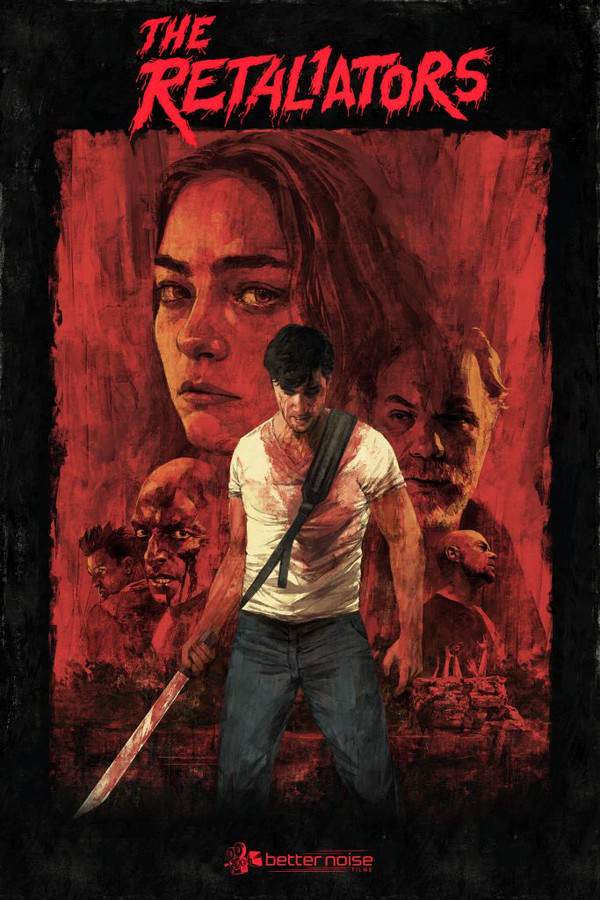
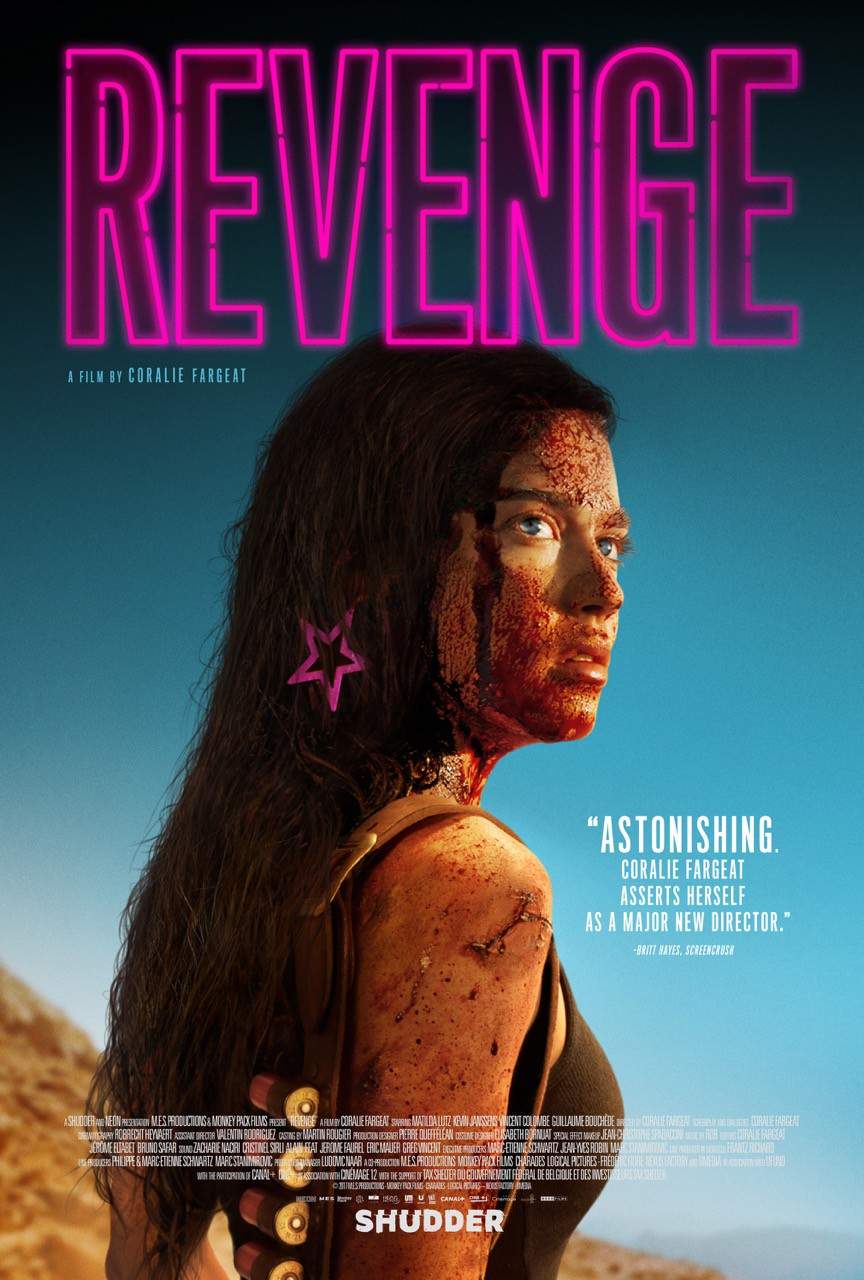
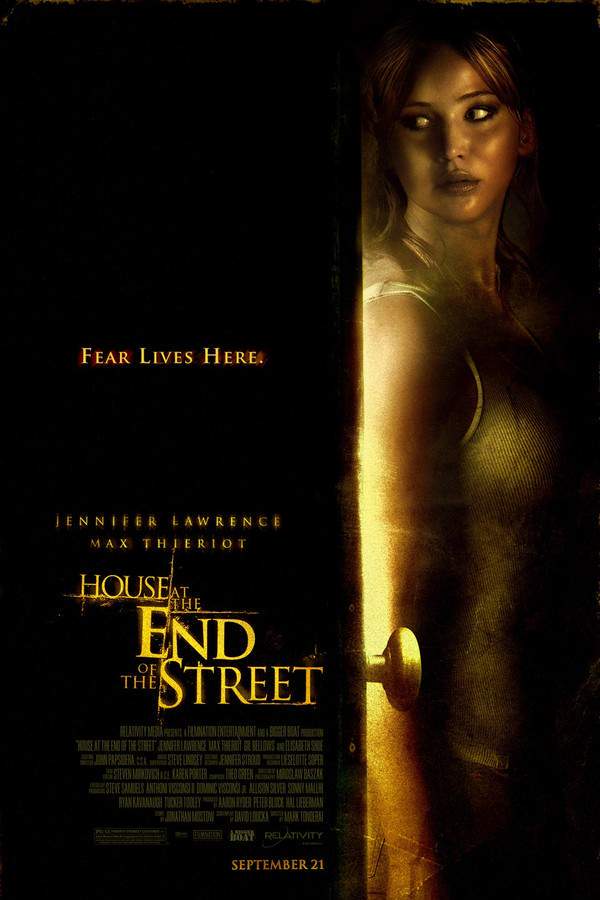
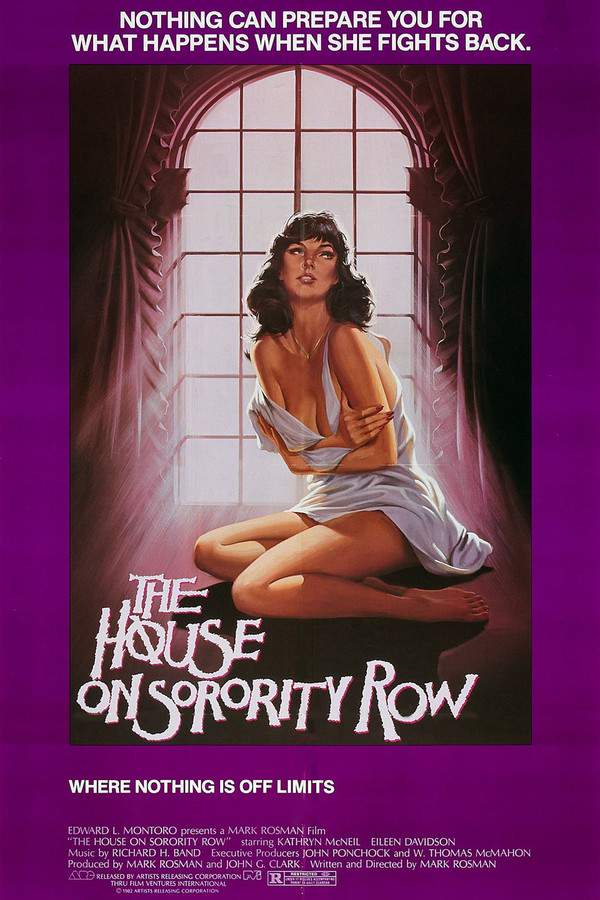
Home Invasion Revenge Movies like The Last House on the Left

When the ultimate violation occurs at home, survivors turn the tables violently. For viewers who liked the savage revenge in The Last House on the Left, this section features movies where a home invasion triggers a bloody, cathartic retribution. These similar thrillers and horror stories explore the dark path from victim to victor, often pushing moral limits for a viscerally satisfying, if disturbing, climax.

  • vengeful
  • brutal
  • terrifying
  • cathartic
  • unsettling
  • grim
  • Tone: dark, vengeful, grim
  • Pacing: variable, building to a violent climax
Why these movies?

The story pattern: Stories in this thread typically follow a three-act structure: an idyllic setting is established, a violent invasion shatters the peace, and the survivors use their intimate knowledge of the space to orchestrate a gruesome revenge. The climax is a brutal confrontation where the hunters become the hunted.

Why they belong together: Movies are grouped here based on their shared core premise of a sanctum being violated and the subsequent, intensely violent reclamation of power. They share a high intensity, dark tone, and a heavy emotional weight centered on themes of survival, trauma, and the price of vengeance.

Bleak Stories of Moral Collapse like The Last House on the Left

Ordinary people are pushed to commit extreme violence for justice or survival. If you liked the heavy moral choices and bleak tone of The Last House on the Left, explore these movies about ordinary people descending into violence. These similar dramas and thrillers feature straightforward narratives with high emotional weight, where revenge comes at a great personal and ethical cost.

  • grim
  • vengeful
  • heavy
  • brutal
  • unsettling
  • moral dilemma
  • Tone: dark, bleak, heavy
  • Pacing: steady, deliberate
Why these movies?

The story pattern: The narrative pattern involves a catalyst of extreme violence that pushes protagonists beyond their normal ethical limits. They embark on a path of revenge that mirrors the brutality they endured, leading to a climax that offers catharsis but leaves them permanently scarred, questioning the cost of their actions.

Why they belong together: These films are united by their exploration of moral degradation under duress. They share a dark tone, high intensity, straightforward narratives focused on cause and effect, and a bittersweet or bleak ending feel that underscores the heavy emotional weight of the journey.

If you liked this

Movies Like The Last House on the Left

Similar movies to The Last House on the Left: the same genre, themes or kind of story. Each one comes with its own plot summary, timeline and ending explained.

Browse all movie summaries

Every angle

The Last House on the Left (1972) Explained: Plot, Timeline & Characters

Everything about The Last House on the Left in one place: what happens in the plot summary, the timeline in chronological order, the characters and meaning and a spoiler-free summary. What's After the Movie adds the cast, box office and post-credit scenes.

Coming soon on iOS and Android

The Plot Explained Movie Summary App

Plot summaries, endings explained and timelines on your phone. Catch up on any movie in minutes, save your favorites and never miss a twist again.

Be the first to know when we launch. Your email stays private, always.

Learn more about the app