Plot Explained Spoilers guaranteed!
Plot Explained

Browse by genre

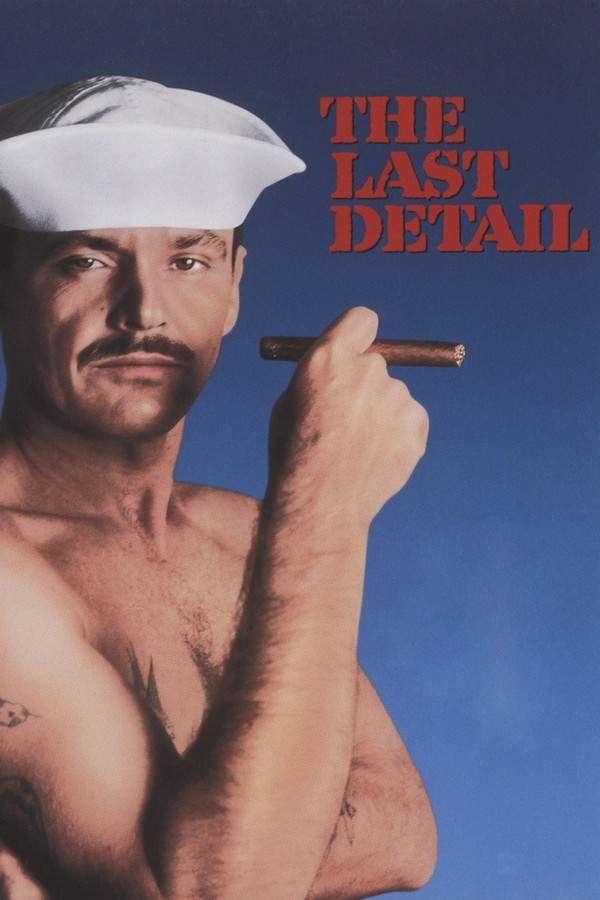
The Last Detail (1973) movie poster

Plot Summary

The Last Detail (1973) Plot Summary Explained

Release, runtime and language
1973 · 104 min · English
JustWatch #1,792 25
Directed by
Hal Ashby
Starring
Jack Nicholson, Randy Quaid

Two seasoned Navy officers, Billy Buddusky and Mule Mulhall, are assigned to transport troubled young sailor Larry Meadows to military prison. Instead of following protocol, they decide to give him a memorable farewell, indulging him with unexpected adventures and diversions. Their journey takes them to a brothel and eventually to Larry’s mother’s home, forging an unlikely bond between the sailors and the young man. As their camaraderie deepens, the officers grapple with their duty and the moral implications of their actions, questioning their loyalty and the harsh realities they face.

On this page (6)
  1. 1 Where to watch
  2. 2 What happens: full plot
  3. 3 Plot questions answered
  4. 4 Movie threads
  5. 5 Movies like The Last Detail
  6. 6 Every angle

Where to watch

Where to Watch The Last Detail (1973)

Where can you watch The Last Detail? Stream, rent or buy it in the US, including on Amazon Prime Video, Amazon Video and Apple TV Store: current JustWatch availability with up-to-date prices.

Streaming availability powered by JustWatch

Full plot summary · contains spoilers

What Happens in The Last Detail: Full Plot Summary

The whole story of The Last Detail (1973) explained, from the opening scene to the final frame: every key event, every twist and what it all adds up to. Read it as a quick recap before the sequel, to check a scene you missed, or to finally understand what really happened.

In the midst of a frigid winter at the Norfolk Naval Base in Virginia, two seasoned petty officers, Signalman William "Badass" Buddusky and Gunner's Mate First Class "Mule" Mulhall, find themselves tasked with escorting a dishonorably discharged seaman, Lawrence M. Meadows, to the Portsmouth Military Prison. Lawrence is set to serve an eight-year sentence not for a violent crime, but for allegedly robbing just forty dollars from a donation box for a charity favored by the commander’s wife—a rather shocking indictment that leaves the officers puzzled.

Despite their reservations, the chief praises them for receiving a relatively good detail, which provides them a week to conduct their mission, warning them that failing would jeopardize their careers. Initially lacking enthusiasm, particularly Mule, Badass nonetheless adopts an unconventional plan: to expedite Meadows' delivery to the prison and enjoy the remaining days on their own terms.

Upon meeting the timid and frightened eighteen-year-old Meadows, the officers are surprised to find that their charge is far from a criminal mastermind; he is simply a boy who had fled to the Navy to escape the dire straits of life. On the bus ride, they decide to remove his handcuffs, a small act of goodwill that allows them to bond. As their journey unfolds, they quickly discover the young man's poor choices lead to a series of both humorous and empathetic encounters.

When a simple candy bar turns into a small crisis, revealing Meadows’ compulsive tendencies, Badass and Mule do their best to reassure him while grappling with their own frustrations. At a diner, Badass's sense of justice drives him to confront a bartender over serving Meadows, who is underage. This reckless act of camaraderie sees them straying from their original mission, resulting in missed trains and a night at a hotel that only deepens their bond with Meadows.

As they journey through the city, they introduce him to a myriad of new experiences—from flavorful Italian sausages and refreshing beers to the oddities of the nightlife, all the while hearing Meadows’ confessions about his fears and dreams. The trio's misadventures escalate when they attend a gathering of American Nichiren Shoshu Buddhists, where Meadows, inspired by the chanting, expresses a desire for change in his life.

The stakes rise as Badass and Mule realize they want to ensure Meadows has a taste of freedom and life before being confined. Their journey culminates in a visit to a brothel, where they wish to grant him a final unforgettable experience. The day winds down with a poignant picnic of sorts in the snow as Meadows finds joy in simple pleasures, like chanting and roasting hot dogs.

However, as their time winds down, Meadows makes an emotional realization about the burden of his impending sentence. In a desperate attempt to escape, he uses semaphore to say goodbye, leading Badass and Mule on a frantic chase. Their refreshing experience turns bittersweet as they finally deliver him to the prison, facing disapproval from the Marines who suspect they mistreated him.

Even as Meadows is taken away behind the formidable prison doors, the tension between the officers and the military establishment underscores the inherent tragedy within the narrative—a tale not just of duty, but of profound empathy, fleeting freedom, and the haunting nature of a life determined by fate. Now, as they head back to their military life, both Badass and Mule are left to ponder whether the Navy, which has been so good to them, can truly erase the haunting weight of their decisions and the lives they touch.
Last updated: November 16, 2024 at 12:11

Was this helpful?

Plot questions answered

The Last Detail Plot Explained: Your Questions Answered

The questions people ask most about The Last Detail (1973): what happens in the confusing scenes, why the characters do what they do, the twists, hidden details and what the ending means. Each answer contains spoilers.

Q1

Why does Lawrence Meadows receive an eight-year sentence for stealing only forty dollars?

Meadows stole forty dollars from a donation box for a charity favored by the commander's wife. While the amount seems minor, the crime was interpreted as a direct challenge to naval authority, particularly targeting the commander's household. The harsh sentence reflects the military's strict hierarchy and zero-tolerance approach to any transgression against officers, especially when it involves their families.

  • military prison sentence
  • theft
  • navy justice
  • disproportionate punishment
Q2

Why do Badass and Mule decide to show Meadows a good time instead of following their orders?

The officers are struck by Meadows' youth and fear, he is just an eighteen-year-old who joined the Navy to escape a difficult life, not a hardened criminal. When they discover his timid nature and learn the trivial nature of his crime, they feel empathyOverride their duty. Their decision represents a small rebellion against what they perceive as an unjust system, choosing to give Meadows fleeting freedom before his imprisonment.

  • empathy
  • rebellion
  • compassion
  • military orders
Q3

What happens when Badass and Mule remove Meadows' handcuffs on the bus?

Removing the handcuffs marks the first significant act of trust between the officers and Meadows. This small gesture breaks the guard-prisoner dynamic and allows them to bond more genuinely. It transforms their relationship from mechanical escorts to reluctant caretakers, opening the door for deeper conversations and emotional connection throughout their journey.

Foreshadowing: This act of trust foreshadows the officers' growing investment in Meadows' wellbeing.

  • handcuffs
  • trust
  • bonding
  • human connection
Q4

What is the significance of the Buddhist chanting scene for Meadows?

At the Nichiren Shoshu Buddhist gathering, Meadows is moved by the chanting and experiences a moment of spiritual awakening. He expresses a genuine desire for change in his life, showing he still holds hope for transformation despite his circumstances. This scene reveals Meadows' underlying need for meaning and purpose, highlighting his youth and vulnerability.

  • buddhism
  • chanting
  • spiritual awakening
  • hope
Q5

Why does Meadows attempt to escape using semaphore signals?

As the reality of his impending eight-year sentence sets in, Meadows becomes overwhelmed with desperation. Using semaphore to say goodbye represents his final, silent plea for freedom and connection. This emotional breakdown shows how deeply the weight of his fate has affected him, transforming from passive acceptance to frantic resistance.

  • semaphore
  • escape
  • desperation
  • emotional breakdown
Q6

Why do the officers take Meadows to a brothel before delivering him to prison?

Badass and Mule want to give Meadows a complete experience of freedom and life before he enters confinement. Recognizing that he has never had the chance to truly live, they arrange this as his final hurrah, an act of profound compassion. The brothel visit symbolizes their gift of adulthood experiences he was denied.

  • brothel
  • freedom
  • farewell
  • compassion
Q7

Why does Badass confront the bartender about serving underage Meadows?

Badass feels protective of Meadows and righteous about fairness, even in minor situations. When he sees the bartender serving an underage young man, he cannot ignore the injustice despite knowing it will cause problems for their mission. This reckless act of loyalty demonstrates Badass's character, he prioritizes his moral code over following rules.

  • bartender
  • justice
  • loyalty
  • confrontation
Q8

What do Badass and Mule realize after delivering Meadows to prison?

After Meadows is taken behind the prison doors, both officers are left questioning their own lives and the system they serve. They wonder if their military careers and loyalty to the Navy can justify their participation in an unjust process. The haunting weight of their decision lingers, suggesting their bonds with Meadows have permanently changed them.

  • reflection
  • guilt
  • military life
  • personal change
Q9

What does the candy bar incident reveal about Meadows' character?

The candy bar incident exposes Meadows' compulsive tendencies and lack of self-control, revealing deeper psychological issues. This moment helps the officers understand that Meadows' problems extend beyond his crime, he struggles with impulse control. It adds complexity to his character, showing he is not simply a victim of harsh sentencing.

  • compulsion
  • psychology
  • character flaw
  • candy bar
Q10

Why does the film end on such a sad note after all the joyful moments?

The bittersweet tone emerges from the inevitable collision between the officers' compassionate acts and the military's unforgiving system. Despite creating lasting memories and genuine bonds, they ultimately must deliver Meadows to prison. The sad ending reflects the reality that empathy cannot override institutional authority, the fleeting freedom they provided makes the final imprisonment more tragic.

  • bittersweet ending
  • tragedy
  • military system
  • inevitability
Q11

Why did Meadows join the Navy in the first place?

Meadows fled to the Navy to escape dire straits in his civilian life. He is described as a young man with limited options who saw military service as his only way out. This background explains his vulnerability and desperation, making the officers' empathy more understandable and his impending sentence feel even more unjust.

  • navy
  • background
  • escape
  • desperation
Q12

What is the central moral dilemma Badass and Mule face throughout the journey?

The officers struggle between following strict military orders and following their growing compassion for Meadows. They know failing the mission could end their careers, yet they cannot ignore their moral feelings about his disproportionate punishment. This tension between duty and humanity defines their entire journey and drives the film's emotional core.

  • duty
  • compassion
  • moral dilemma
  • military orders

Movie threads

More Movies Like The Last Detail, by Mood & Story

Curated lists built around what makes The Last Detail tick: the same mood, the same kind of story or the same emotional payoff. Each list explains why these movies belong together.

Bittersweet Journeys of Fleeting Freedom like in The Last Detail

Characters seize a last chance for joy before an unavoidable bleak fate. If you liked The Last Detail, you'll appreciate these movies about characters on a final adventure before facing a harsh fate. These films capture the bittersweet mix of road trip highs and the melancholy of an unavoidable, often unjust, ending, focusing on male bonding and institutional critique.

  • bittersweet
  • melancholic
  • road trip
  • male bonding
  • rebellious
  • grim reality
  • Tone: bittersweet, melancholic
  • Pacing: steady, journey-driven
Why these movies?

The story pattern: The narrative typically involves a linear journey—often a road trip—where characters break from their constrained lives for a brief period. This escape is filled with bonding and small rebellions, but the structure is defined by a countdown to an inescapable, sobering conclusion, creating a powerful emotional arc.

Why they belong together: They are grouped by their unique tonal blend: balancing humor and heartwarming connection with an underlying and ultimately dominant sadness. The shared experience is one of empathy for characters caught in a system, celebrating human spirit in the face of inevitable defeat.

Gritty Male Bonding Against the System like in The Last Detail

Tough men form an unlikely friendship while confronting a cruel institution. Find movies similar to The Last Detail that explore tough-guy friendships forged under institutional pressure. These dramas focus on how male bonding challenges duty and morality, often set against a bleak backdrop, resulting in stories that are both rebellious and deeply human.

  • male bonding
  • institutional critique
  • grim reality
  • bittersweet
  • rebellious
  • duty vs morality
  • Tone: grim, bittersweet
  • Pacing: steady, character-driven
Why these movies?

The story pattern: The plot often centers on a task or journey that pairs contrasting characters. Through shared experiences, a deep bond forms, complicating their initial directives. The central conflict becomes a choice between following orders and protecting their newfound, fragile connection, highlighting the dehumanizing nature of the system they serve.

Why they belong together: They share a specific vibe of gruff tenderness and moral ambiguity within a masculine, institutional world. The similarity comes from the focus on character-driven drama where friendship becomes an act of rebellion, and the tone balances gritty realism with poignant emotional weight.

If you liked this

Movies Like The Last Detail

Similar movies to The Last Detail: the same genre, themes or kind of story. Each one comes with its own plot summary, timeline and ending explained.

Browse all movie summaries

Every angle

The Last Detail (1973) Explained: Plot, Timeline & Characters

Everything about The Last Detail in one place: what happens in the plot summary, the timeline in chronological order, the characters and meaning and a spoiler-free summary. What's After the Movie adds the cast, box office and post-credit scenes.

Coming soon on iOS and Android

The Plot Explained Movie Summary App

Plot summaries, endings explained and timelines on your phone. Catch up on any movie in minutes, save your favorites and never miss a twist again.

Be the first to know when we launch. Your email stays private, always.

Learn more about the app