Year: 1968
Runtime: 138 mins
Language: English
Director: Robert Aldrich
June Buckridge returns to her London flat terrified that someone will kill her, forcing lover and flat‑mate Alice “Childie” McNaught to brace for change. June fears the death of her TV role, the beloved nurse Sister George, on a daytime serial. Meanwhile BBC executive Mercy Croft—who ordered the character’s removal—pursues Childie relentlessly.
Warning: spoilers below!
Haven’t seen The Killing of Sister George yet? This summary contains major spoilers. Bookmark the page, watch the movie, and come back for the full breakdown. If you're ready, scroll on and relive the story!
Explore the full timeline and setting of The Killing of Sister George (1968). Follow every major event in chronological order and see how the environment shapes the story, characters, and dramatic tension.
Last updated: October 04, 2025 at 15:02
Meet the key characters of The Killing of Sister George (1968), with detailed profiles, motivations, and roles in the plot. Understand their emotional journeys and what they reveal about the film’s deeper themes.
Last updated: October 04, 2025 at 15:02
Explore the central themes of The Killing of Sister George (1968), from psychological, social, and emotional dimensions to philosophical messages. Understand what the film is really saying beneath the surface.
Last updated: October 04, 2025 at 15:02
Browse frequently asked questions about The Killing of Sister George (1968) focused on characters, relationships, themes, symbols, setting, and story context. This movie info FAQ gives spoiler-aware explanations for character arcs, world details, and thematic interpretation so readers can better understand what the film is really about.
The film takes place in early 1970s London, primarily around the BBC studios where the fictional soap opera Applehurst is filmed, and at Gateways, a real London nightclub known for its LGBTQ+ clientele. The juxtaposition of the wholesome TV set with the underground nightlife creates the film's central tension between public image and private reality.
The story is set in the early 1970s, a period of significant social change in Britain. This era saw rising visibility for LGBTQ+ communities and shifting attitudes toward sexuality, which directly impacts how the characters navigate their relationships and careers.
Applehurst is the fictional BBC daytime soap opera within the movie, centered on the beloved character Sister George, a wise and kind nurse. The show within the film serves as a commentary on how television shapes public identity and how a performer's sense of self can become entangled with a fictional role.
Sister George is the iconic on-screen character played by June Buckridge in the fictional Applehurst soap opera. She is portrayed as a wise, nurturing nurse beloved by viewers. However, off-screen, June is a volatile, controlling woman whose real personality sharply contrasts with her wholesome television persona, exploring the theme of fractured identity between public and private selves.
Mercy Croft is the powerful BBC network producer who wields control over the fate of Applehurst and its cast. She orders the killing off of Sister George and manipulates the relationship between June and Alice, treating them as assets to be managed. Her character represents the institutional power of broadcasters over artistic careers.
The title refers to the fictional death of the TV character Sister George, which the BBC plans to write out of the soap opera. This 'killing' becomes literal metaphor for the destruction of June Buckridge's identity, as her entire sense of self is tied to this fictional role she has played for years.
The film explores several interconnected themes: abuse and control in intimate relationships, the collision between fame and personal identity, the power dynamics in media institutions, and LGBTQ+ relationships in 1970s Britain. These themes intertwine to create a portrait of how power operates in both personal and professional spheres.
June and Alice's relationship is depicted as emotionally abusive and financially controlling. June dominates Alice through a 'contrition ritual' and maintains power through dependency. Despite this, Alice shows moments of rebellion and poetic independence. The film examines how love, dependence, and autonomy play out within a marginalized community.
Gateways is a real London nightclub that appears in the film as a significant location. It was a well-known lesbian nightclub during the 1960s and 1970s. In the movie, it serves as a space where characters explore sexual and emotional boundaries, representing the underground LGBTQ+ culture existing alongside mainstream television.
The BBC, represented by Mercy Croft, functions as an all-powerful institution that controls the careers and fates of everyone on Applehurst. The threat of killing off Sister George demonstrates how broadcasters can manipulate art for ratings, forcing characters into untenable positions and revealing the moral ambiguity of media power.
The contrition ritual is a degrading routine that June forces Alice to perform whenever Alice has disobeyed or spoken back. It represents the power imbalance in their relationship and how June maintains control through humiliation and emotional manipulation, exemplifying the film's theme of abuse and control.
Despite being listed as a comedy, the film has a predominantly dark, bleak tone with minimal sardonic humor. The comedy arises from the sharp contrast between the characters' public and private selves, not from light-hearted moments. The emotional weight is heavy, focusing on manipulation, jealousy, and self-sabotage.
Discover curated groups of movies connected by mood, themes, and story style. Browse collections built around emotion, atmosphere, and narrative focus to easily find films that match what you feel like watching right now.
Stories where a character's psyche disintegrates within a suffocating environment.If you liked the tense, suffocating atmosphere of The Killing of Sister George, explore more movies about characters psychologically unraveling in confined spaces. These films share a similar focus on toxic relationships, emotional manipulation, and a heavy, melancholic mood leading to bleak conclusions.
Narratives in this thread typically follow a character's steady descent into self-destruction, often triggered by a personal or professional crisis. The conflict is deeply internal but amplified by a claustrophobic setting—be it a small apartment, a relationship, or a social role—creating a powerful sense of inescapable doom.
These movies are grouped by their shared high-intensity, emotionally heavy experience, driven by a dark tone and steady pacing that methodically builds dread. They excel at creating a palpable sense of anxiety and psychological unease, making them compelling for viewers who appreciate deep, character-driven dramas about human fragility.

Explorations of manipulative relationships where control and jealousy dominate.For viewers who appreciated the complex, manipulative relationship in The Killing of Sister George, this list features similar movies exploring dark power dynamics and emotional control. These dramas often involve jealousy, infidelity, and psychological games within intense, character-driven narratives.
The narrative pattern involves a central, often codependent relationship where one character exerts control over another, leading to a cycle of manipulation and self-sabotage. The story unfolds through emotional conflicts rather than action, building towards a conclusion where the power structure collapses, often with devastating consequences for all involved.
These films are united by their heavy emotional weight and intense focus on the dark complexities of human relationships. They share a steady, character-driven pace that allows the toxic dynamics to simmer and erupt, resulting in a consistently anxious and thought-provoking viewing experience for fans of nuanced interpersonal drama.
Don't stop at just watching - explore The Killing of Sister George in full detail. From the complete plot summary and scene-by-scene timeline to character breakdowns, thematic analysis, and a deep dive into the ending - every page helps you truly understand what The Killing of Sister George is all about. Plus, discover what's next after the movie.
Read a complete plot summary of The Killing of Sister George, including all key story points, character arcs, and turning points. This in-depth recap is ideal for understanding the narrative structure or reviewing what happened in the movie.
Track the full timeline of The Killing of Sister George with every major event arranged chronologically. Perfect for decoding non-linear storytelling, flashbacks, or parallel narratives with a clear scene-by-scene breakdown.
Discover movies like The Killing of Sister George that share similar genres, themes, and storytelling elements. Whether you’re drawn to the atmosphere, character arcs, or plot structure, these curated recommendations will help you explore more films you’ll love.
The Killing of Sister George (1968) Plot Summary & Movie Recap
The Killing of Sister George (1968) Scene-by-Scene Movie Timeline
The Killing of Sister George (1968) Spoiler-Free Summary & Key Flow
Movies Like The Killing of Sister George – Similar Titles You’ll Enjoy
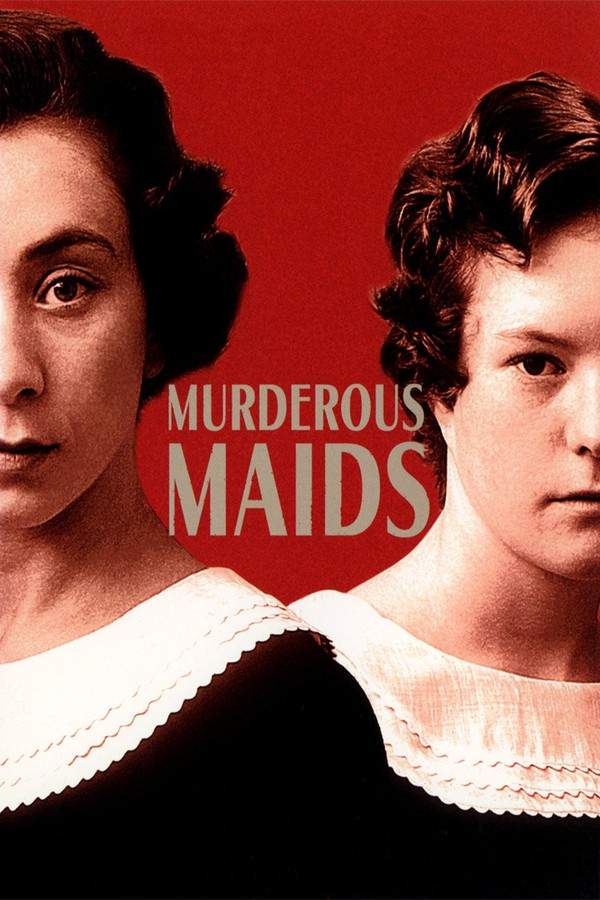
Murderous Maids (2002) Plot Summary & Ending Explained
The Killing Jar (2010) Spoiler-Packed Plot Recap
You’re Killing Me… (2003) Full Summary & Key Details
A Murder of Quality (1991) Full Summary & Key Details
The Killing Game (1988) Detailed Story Recap
The Kill-Off (1989) Full Movie Breakdown
The Sister (1000) Plot Summary & Ending Explained
The Killing Mind (1991) Story Summary & Characters
Sister My Sister (1994) Full Movie Breakdown
The Sexy Killer (1976) Plot Summary & Ending Explained
Lady Killer (1995) Film Overview & Timeline
George’s Room (1967) Plot Summary & Ending Explained
Killer (1994) Full Movie Breakdown
A Day in the Death of Joe Egg (1972) Film Overview & Timeline
Deadly Advice (1994) Film Overview & Timeline