The Killing of Kenneth Chamberlain

The Killing of Kenneth Chamberlain

JustWatch#23,8921

Year: 2019

Runtime: 83 mins

Language: English

Director: David Midell

Echo Score: 90
MysteryThrillerDrama

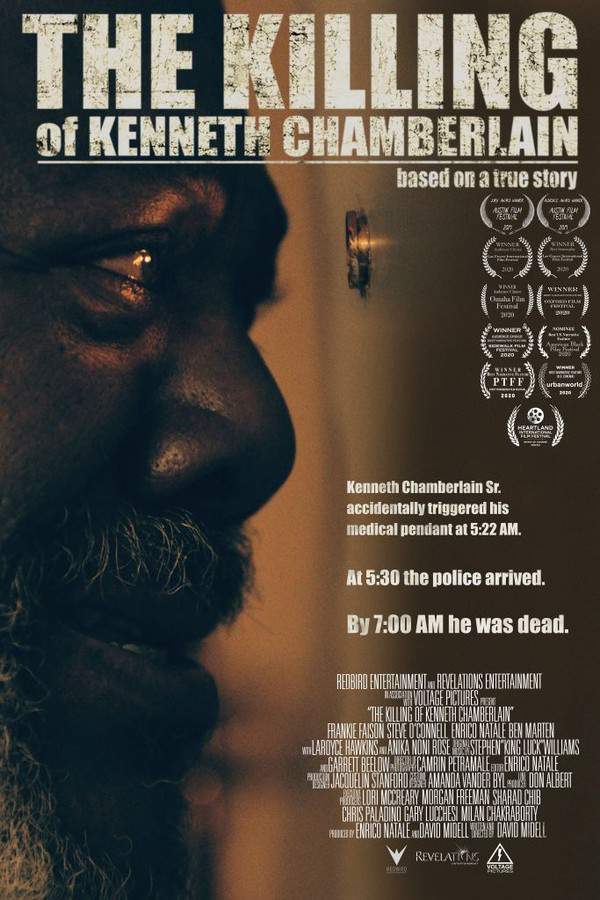
In the early morning hours, Kenneth Chamberlain Sr., an elderly African American veteran struggling with bipolar disorder, accidentally activated his medical alert system. Police officers were dispatched to his home to investigate, and a tragic confrontation ensued. The film depicts the true story of the events that led to Chamberlain’s death and the subsequent fallout, raising questions about police procedure and the treatment of vulnerable individuals.

Where to Watch The Killing of Kenneth Chamberlain?

Find where to stream, rent, or buy The Killing of Kenneth Chamberlain (2019) in the US with current JustWatch availability, up-to-date pricing, and platform listings for subscription, rental, and digital purchase options.

Warning: spoilers below!

Haven’t seen The Killing of Kenneth Chamberlain yet? This summary contains major spoilers. Bookmark the page, watch the movie, and come back for the full breakdown. If you're ready, scroll on and relive the story!

Timeline – The Killing of Kenneth Chamberlain (2019)

Trace every key event in The Killing of Kenneth Chamberlain (2019) with our detailed, chronological timeline. Perfect for unpacking nonlinear stories, spotting hidden connections, and understanding how each scene builds toward the film’s climax. Whether you're revisiting or decoding for the first time, this timeline gives you the full picture.

1

Pendant alarm triggers

Kenneth accidentally activates his medical alert pendant in the early morning, triggering an emergency response to his building. The call leads to responders being dispatched, including three police officers who are en route to the door. Kenneth is anxious and insists he did not mean to call anyone, hoping to avoid trouble.

early morning Kenneth's apartment
2

Police arrive to check welfare

Three police officers arrive at Kenneth's door to check on his welfare as part of the emergency response. They announce their purpose and request to establish visual contact to ensure his safety. Kenneth remains inside, listening as they speak through the door.

shortly after the call outside Kenneth's door
3

Kenneth refuses to open the door

Kenneth keeps the door closed and explains through the door that he did not intend to call anyone. He refuses to let them enter, hoping to avoid trouble. The refusal adds to the officers' concern about what might be happening inside.

moments after arrival at the doorway
4

Police demand visual contact and entry

The officers insist on making visual contact and entering to check on Kenneth's welfare. Kenneth remains reluctant, arguing there is no probable cause or warrant to enter his apartment. The standoff grows as both sides hold firm.

shortly after initial conversation at the doorway
5

Mumbling misinterpreted as someone inside

Kenneth's mumbling is misinterpreted by the officers as someone else being inside with him. This misunderstanding heightens the tension and reinforces fears of illegal activity within the apartment. The gap in communication deepens the crisis.

soon after the misinterpretation at the doorway
6

De-escalation vs escalation

One officer wants to de-escalate and leave Kenneth in peace, but his fellow officers push for entry. The disagreement among the team increases pressure on Kenneth and stretches the standoff. The divide signals that a peaceful resolution is slipping away.

during standoff at the doorway
7

Backup called as tensions rise

As tensions rise, backup is requested and arrives outside Kenneth's apartment. More officers join the scene, preparing to assist in a potential forced entry if necessary. The growing presence intensifies the sense that violence could occur.

as tensions rise outside the apartment
8

Attempted forced entry begins

The police move to enter by force, attempting to breach the apartment and gain control of the situation. Kenneth protests that the entry is illegal without a warrant or probable cause. The confrontation escalates as the breach seems imminent.

during standoff outside and at the doorway
9

Kenneth brandishes a knife through the door

Panicking, Kenneth uses a knife visible through the doorway opening to deter the officers from breaching the apartment. The gesture compounds the danger and reinforces the officers' perceived threat inside. The risk of violent outcome becomes more immediate.

during confrontation door opening
10

Racial slur directed at Kenneth

In the heat of the moment, one officer directs a racial slur at Kenneth. The derogatory remark escalates hostility and underscores the charged atmosphere of the standoff. The insult adds emotional weight to the confrontation.

during confrontation at the doorway
11

Door is breached and Kenneth restrained

The officers break down Kenneth's door, quickly restraining him inside. The breach marks a decisive turn toward physical control of the situation, with Kenneth now immobilized by force. Tension peaks as the confrontation shifts from standoff to restraint.

immediately after breach Kenneth's apartment doorway
12

Taser, restraint, and fatal shooting

Kenneth is tasered and restrained during the ensuing struggle, and he is fatally shot by the police. The sequence concludes with Kenneth's death in his own apartment, leaving unanswered questions about the use of force. The event ends the timeline with a tragic outcome.

final moment Kenneth's apartment

Last updated: March 05, 2026 at 18:40

Was this helpful?

The Killing of Kenneth Chamberlain (2019) Timeline Questions Answered – Chronology FAQ

Find frequently asked questions about the The Killing of Kenneth Chamberlain (2019) timeline, including chronological order, nonlinear jumps, cause-and-effect links, and scene sequence clarifications. This timeline FAQ helps explain when key events happen, how moments connect, and why the story unfolds in that specific order.

Q1

Why did Kenneth Chamberlain refuse to open the door for the police?

A.

Kenneth refused to open the door because he was convinced the police would hurt him. As an elderly African American veteran with bipolar disorder, he feared authorities and wanted to avoid any confrontation. He repeatedly explained that the medical alert trigger was an accident and that he did not mean to call anyone, hoping they would simply leave.

Earlier scenes establish Kenneth's anxiety and mistrust of law enforcement, making his refusal a logical response based on his mental state and past experiences.

Kenneth Chamberlainpolicedoorrefusalfearbipolar disorder
Q2

Why did the police insist on entering Kenneth's apartment?

A.

The police insisted on visual contact and entry because standard welfare check protocol requires them to physically see the person to confirm they are safe. Kenneth's refusal to open the door and his nervous behavior through the door made them suspect something illegal might be happening inside, though nothing was. They believed their concern for his safety justified forced entry.

The officers' initial arrival is framed as a welfare check, and their insistence on seeing him directly establishes their legal justification in their own minds.

policeapartmententrywelfare checkvisual contactprotocol
Q3

What was the misunderstanding about Kenneth's mumbling?

A.

Kenneth was muttering to himself, which the officers misinterpreted as evidence that someone else was inside the apartment with him. This misunderstanding heightened their concerns about illegal activity and reinforced their determination to enter. In reality, Kenneth was simply talking to himself due to his anxiety and mental state.

The tense atmosphere and Kenneth's visible nervousness create a gap between his internal state and how the officers perceive his actions.

mumblingmisunderstandingpolicesomeone insideconversation
Q4

Why did the confrontation escalate so quickly?

A.

The situation escalated due to a combination of factors: Kenneth's refusal to comply, the misinterpreted mumbling, one officer wanting to leave while others pushed for entry, and the arrival of backup officers. Each side grew more entrenched in their position, the police felt their authority was being challenged, while Kenneth became increasingly panicked. The disagreement among the officers themselves signaled that a peaceful resolution was slipping away.

Early tension between officers about whether to stay or leave hints at the growing divide that would eventually lead to forced entry.

escalationpoliceconfrontationbackupstandofftension
Q5

Why did Kenneth brandish a knife through the door?

A.

Kenneth used a knife through the door opening in a panicked moment to try to drive the police away and prevent them from breaching his apartment. This desperate act was an attempt to protect himself and his home, though it only intensified the officers' perception of threat and justified their decision to force entry.

Kenneth's escalating fear throughout the standoff culminates in this moment of desperate self-defense, reflecting his belief that violence was imminent.

Kenneth Chamberlainknifedoorself-defensepanicbreach
Q6

Why was Kenneth tased and fatally shot?

A.

After the door was breached, Kenneth was restrained, tased, and fatally shot during the struggle. The officers claimed his use of the knife and his resistance justified the use of force. However, Kenneth was an elderly man with a knife, and the application of lethal force has been widely questioned, especially given that he was the one who called for help and never posed an immediate lethal threat to anyone outside his door.

The escalation from a welfare check to a fatal shooting reflects the tragic outcome of failed de-escalation efforts throughout the confrontation.

tasershootingfatalpoliceforceKenneth Chamberlaindeath
Q7

What happened when a police officer used a racial slur?

A.

During the heated confrontation, one officer directed a racial slur at Kenneth Chamberlain. This derogatory remark added emotional weight to an already charged atmosphere and underscored the racial tensions inherent in the encounter. It marked a low point in the interaction, reflecting the hostility that had built between both sides.

The slur emerges during the peak of confrontation, highlighting how racial dynamics intensify the conflict.

racial slurpoliceKenneth Chamberlainconfrontationracial tension
Q8

Why did police break down Kenneth Chamberlain's door?

A.

The police broke down the door because they believed they needed to gain immediate control of a potentially dangerous situation. Despite Kenneth protesting that they had no warrant or probable cause, the officers decided to force entry. Their decision was influenced by the perceived threat from Kenneth's knife and their belief that someone else might be inside.

The buildup of tension throughout the standoff and the arrival of backup officers created the conditions for this decisive, violent action.

doorbreachforced entrypolicewarrantprobable cause
Q9

What ultimately led to Kenneth Chamberlain's death?

A.

Kenneth Chamberlain's death resulted from a chain of escalation that began with a accidental medical alert call. The police welfare check turned confrontational because Kenneth refused to open the door, leading officers to suspect illegal activity. His use of a knife during the breach, combined with the officers' fear and the decision to use force, resulted in him being tased and fatally shot inside his own apartment.

Kenneth Chamberlaindeathfatal shootingpoliceescalationcause
Mobile App Preview

Coming soon on iOS and Android

The Plot Explained Mobile App

From blockbusters to hidden gems - dive into movie stories anytime, anywhere. Save your favorites, discover plots faster, and never miss a twist again.

Sign up to be the first to know when we launch. Your email stays private, always.

Explore Movie Threads

Discover curated groups of movies connected by mood, themes, and story style. Browse collections built around emotion, atmosphere, and narrative focus to easily find films that match what you feel like watching right now.

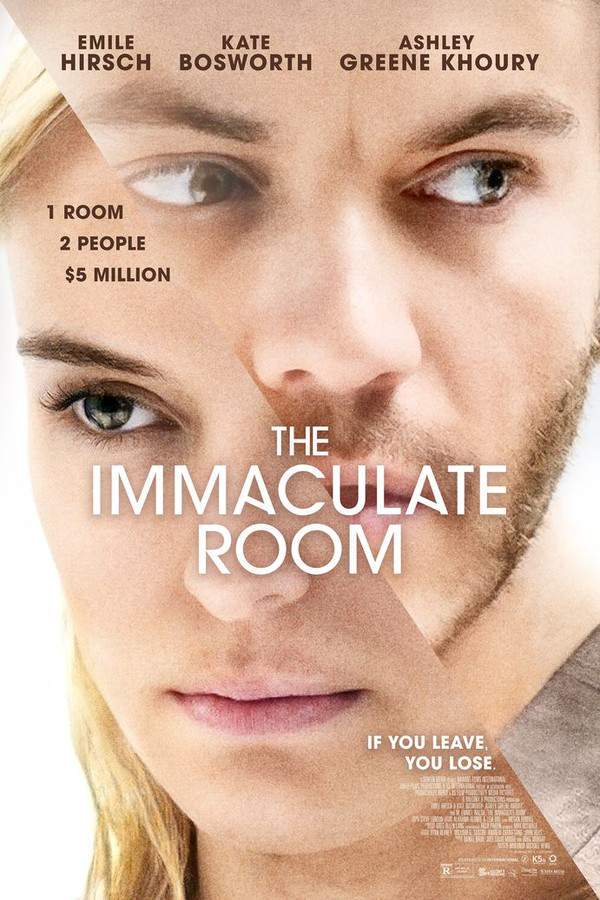
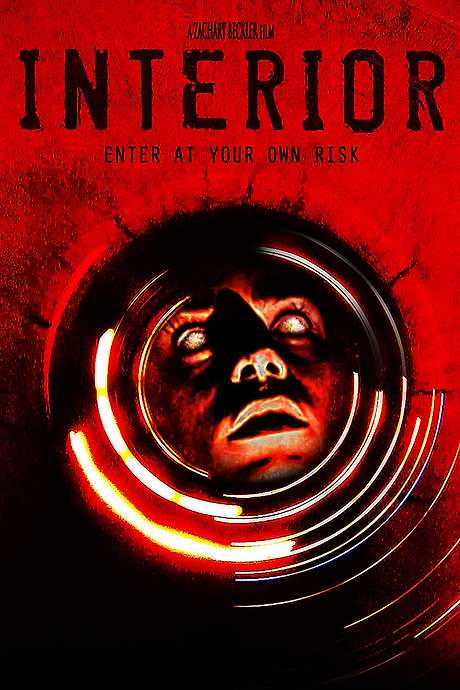
Claustrophobic real-time thrillers like The Killing of Kenneth Chamberlain

Single-location thrillers where tension escalates relentlessly toward a tragic conclusion.If you were gripped by the tense, real-time escalation in The Killing of Kenneth Chamberlain, explore other movies that master claustrophobic tension in a single location. These films create a powerful sense of confinement and helplessness.

claustrophobictenseanxiousoppressivehelplessfrustratingtragicreal-time

Narrative Summary

Narratives in this thread are often straightforward and direct, focusing on a single, escalating incident with minimal subplots. The structure feels almost real-time, trapping the viewer and characters in a confined setting where conflict builds inevitably towards a tragic or devastating outcome.

Why These Movies?

Movies are grouped here because they share a high-intensity, oppressive atmosphere created by a confined setting and steady pacing. They elicit a similar emotional journey of mounting anxiety, frustration, and helplessness as a crisis unfolds.
Movies about systemic failure like The Killing of Kenneth Chamberlain

Devastating dramas exposing how institutions fail the most vulnerable individuals.For viewers moved by the critique of systemic injustice in The Killing of Kenneth Chamberlain, this section highlights similar dramas. These films explore tragic outcomes when systems meant to protect instead cause harm.

tragicfrustratingangryheavysocial commentaryinjusticehelplessdisturbing

Narrative Summary

Stories in this thread follow a vulnerable protagonist—often marginalized by race, mental health, or age—as they confront an unyielding system. The plot typically details a procedural failure or moral collapse within an institution, resulting in a deeply sad or bleak ending that serves as a social indictment.

Why These Movies?

These films are united by their heavy emotional weight, serious tone, and focus on themes of institutional failure, racial injustice, and the plight of vulnerable people. They provoke strong feelings of anger, sadness, and a desire for change.

Unlock the Full Story of The Killing of Kenneth Chamberlain

Don't stop at just watching - explore The Killing of Kenneth Chamberlain in full detail. From the complete plot summary and scene-by-scene timeline to character breakdowns, thematic analysis, and a deep dive into the ending - every page helps you truly understand what The Killing of Kenneth Chamberlain is all about. Plus, discover what's next after the movie.

The Killing of Kenneth Chamberlain Summary

Read a complete plot summary of The Killing of Kenneth Chamberlain, including all key story points, character arcs, and turning points. This in-depth recap is ideal for understanding the narrative structure or reviewing what happened in the movie.

The Killing of Kenneth Chamberlain Summary

Characters, Settings & Themes in The Killing of Kenneth Chamberlain

Discover the characters, locations, and core themes that shape The Killing of Kenneth Chamberlain. Get insights into symbolic elements, setting significance, and deeper narrative meaning - ideal for thematic analysis and movie breakdowns.

Characters, Settings & Themes in The Killing of Kenneth Chamberlain

The Killing of Kenneth Chamberlain Spoiler-Free Summary

Get a quick, spoiler-free overview of The Killing of Kenneth Chamberlain that covers the main plot points and key details without revealing any major twists or spoilers. Perfect for those who want to know what to expect before diving in.

The Killing of Kenneth Chamberlain Spoiler-Free Summary

More About The Killing of Kenneth Chamberlain

Visit What's After the Movie to explore more about The Killing of Kenneth Chamberlain: box office results, cast and crew info, production details, post-credit scenes, and external links - all in one place for movie fans and researchers.

More About The Killing of Kenneth Chamberlain

Similar Movies to The Killing of Kenneth Chamberlain

Discover movies like The Killing of Kenneth Chamberlain that share similar genres, themes, and storytelling elements. Whether you’re drawn to the atmosphere, character arcs, or plot structure, these curated recommendations will help you explore more films you’ll love.