Plot Explained Spoilers guaranteed!
Plot Explained

Browse by genre

The Kashmir Files (2022) movie poster

Characters & Themes

The Kashmir Files (2022) Characters, Setting & Themes Explained

Release, runtime and language
2022 · 170 mins · Hindi
Echo score 72
Directed by
Vivek Agnihotri
Starring
Anupam Kher, Prakash Belawadi, Mithun Chakraborty, Pallavi Joshi, Chinmay Mandlekar, Puneet Issar
Budget
$200M

Based on a true tragedy, this film explores the experiences of Kashmiri Pandits, a Hindu minority, who were forced to leave their homes in the Kashmir Valley during the 1990s due to violence by Islamic militants. The story sheds light on their suffering and the events that led to their displacement.

On this page (7)
  1. 1 Characters explained (10)
  2. 2 Where & when it takes place
  3. 3 Themes & meaning (3)
  4. 4 Character & meaning questions
  5. 5 Movie threads
  6. 6 Movies like The Kashmir Files
  7. 7 Every angle

10 main characters · contains spoilers

The Kashmir Files Characters Explained: Who Is Who

The main characters of The Kashmir Files (2022), heroes and villains: what drives them, how they change over the course of the story and what each of them reveals about the film's bigger ideas.

  • Pushkar Nath Pandit (Anupam Kher)

    A teacher and patriarch who fears for his son’s safety as militants target Pandits. He advocates for protection, navigates political pressure, and preserves family memory as a driving force behind the quest for truth. His actions underscore the burdens borne by caregivers in conflict zones.

    • 🏠 Family
    • 💔 Loss
    • ⚖️ Responsibility
  • Karan Pandit (Amaan Iqbal)

    Pushkar’s son who is falsely accused of being an Indian spy and is killed by militants. His death becomes a catalyst for the Pandit exodus and a touchstone for later generations seeking justice. He embodies the human cost of political turmoil.

    • 🧒 Innocence
    • 💔 Tragedy
    • 🗡️ Violence
  • Brahma Dutt (Mithun Chakraborty)

    A civil servant who becomes an advisor to the Governor and struggles to address the crisis. His efforts to secure protection and spotlight the plight of Pandits reflect the official response to ethnic violence. He embodies the tension between governance and compassion.

    • 🏛️ Authority
    • 🗺️ Policy
    • 🕯️Memory
  • Sharda Pandit (Bhasha Sumbli)

    Pushkar’s daughter-in-law who endures brutal violence at the hands of militants and ultimately dies in the struggle for her family’s safety. Her suffering highlights the targeted brutality faced by women in the conflict. Her memory becomes a driving force in Krishna’s later investigations.

    • 🩸 Suffering
    • 👩🏽‍🦰 Resilience
    • 🕯️ Sacrifice
  • Farooq Malik Bitta (Chinmay Mandlekar)

    Militant commander and former student of Pushkar who orchestrates massacres while adopting a rhetoric of non-violence in later years. He embodies the moral complexity and the seductive power of extremist movements. His actions drive the central act of violence that fuels the story.

    • ⚔️ Militancy
    • 🕊️ Deception
    • 🗣️ Propaganda
  • Vishnu Ram (Atul Srivastava)

    A journalist who helps refugee Pandits and guides them to safety. His role underscores the power and risk of journalism in conflict zones. He acts as a bridge between the refugees and the wider public who learns of their plight.

    • 📰 Journalism
    • 🕊️ Protection
    • 🚚 Refuge
  • Radhika Menon (Pallavi Joshi)

    A professor who supports Kashmiri separatist perspectives and influences Krishna’s political awakening. Her character explores how academia can shape or distort public opinion during times of crisis. She becomes a controversial mentor figure for Krishna.

    • 🎓 Academia
    • 🧭 Influence
    • 🌀 Polarization
  • Krishna Pandit (Darshan Kumaar)

    Pushkar’s younger son, raised under a veil of trauma, becomes a university student in 2020. He investigates his family’s past, confronts conflicting narratives, and delivers a speech that challenges official and public narratives about Kashmir. His journey embodies the struggle to synthesize memory with present action.

    • 🧭 Quest
    • 🗣️ Activism
    • 🕯️ Legacy
  • Hari Narain (Puneet Issar)

    A police officer who had served in Kashmir during the time of Karan’s death. He represents the law enforcement perspective and the complexities of maintaining order amid ethnic strife. His presence anchors the 1989–1990 timeline within the security apparatus.

    • 👮 Law
    • 🧭 Duty
    • 🗺️ Security
  • Dr. Mahesh Kumar (Prakash Belawadi)

    A doctor and Pushkar’s ally who pleads for medical aid during the hospital siege. He embodies humanitarian instinct in the face of systemic collapse. His efforts illustrate the limits of medical neutrality under occupation or occupation-like conditions.

    • 🩺 Medicine
    • 🧡 Compassion
    • 🕊️ Aid

Last updated: October 01, 2025 at 10:05

Was this helpful?

Setting

Where and When Does The Kashmir Files Take Place?

The setting of The Kashmir Files (2022): the year and time period, the places and locations, and how they shape the characters, the mood and the tension of the story.

Time period

1989–1990, 2020

The narrative intertwines two timelines: the brutal mass exodus and killings in 1989–1990 Kashmir, and a present-day period in 2020 where survivors’ memories influence a university student, Krishna. The historical segment portrays the rise of militancy, sectarian violence, and forced migration. The 2020 portion centers on remembrance, political discourse, and the quest to assign accountability for past atrocities. Together, they explore how time heals or reshapes trauma.

Location

Kashmir valley, Jammu, Nadimarg, Kaul's home, Delhi (ANU campus)

The film traverses the Kashmir valley during the late 1980s and then shifts to contemporary Jammu and Delhi. It depicts refugee camps in Jammu where Pandits resettle after displacement, and the Kashmiri homes such as Kaul's house that become targets of violence. Nadimarg and other rural localities are shown as sites of mass violence, while Delhi hosts the modern-day university setting where memories resurface.

  • 🏔️ Mountainous landscape
  • 🕌 Cultural and religious diversity
  • 🗺️ Conflict zones

Last updated: October 01, 2025 at 10:05

Was this helpful?

3 major themes

The Kashmir Files Meaning: Themes & Message Explained

What is The Kashmir Files (2022) really about? The emotional, social and philosophical themes the film keeps returning to, its symbolism and the message beneath the surface.

  • Displacement

    The story centers on Kashmiri Pandits fleeing their homeland, enduring harsh camps and rationed sustenance. It emphasizes the fragility of safety when armed groups target civilians, and the long shadow of exile on identity and belonging. Families grapple with loss, memory, and the hope of return, even as generations grow up outside their ancestral land.

  • Memory vs Truth

    The film foregrounds competing narratives about who caused the violence and what actually happened. With Pushkar’s memories, newspaper clippings, and testimonies from survivors, it questions how history is constructed and who gets to tell it. The 2020 storyline shows how memory can be manipulated to serve political ends, complicating the search for accountability.

  • Political Narratives

    The plot reveals how politics, media, and ideology shape public perception of Kashmir. Figures like Radhika Menon influence youth, while Farooq Malik Bitta reframes violence in a non-violent, reformist language. The film asks where violence ends and legitimacy begins, and who benefits from these competing narratives.

Last updated: October 01, 2025 at 10:05

Was this helpful?

Character & theme questions

The Kashmir Files Characters & Meaning: Your Questions Answered

The questions people ask about The Kashmir Files (2022): who the characters really are, their relationships, what the symbols mean, where it takes place and what the movie is really about. Each answer contains spoilers.

Q1

Where does the movie take place?

The film is set primarily in the Kashmir valley during the late 1980s, depicting the homes and villages where Kashmiri Pandits lived. It also shows Jammu, where refugees settled in camps after displacement, and Delhi's university campus in the 2020 timeline where protagonist Krishna investigates his family's past.

  • kashmir valley
  • jammu
  • delhi
  • setting
  • locations
  • refugee camps
Q2

What time period does the film cover?

The narrative spans two timelines. The historical portion depicts 1989–1990, when Kashmiri Pandits were forced to flee during the rise of militancy and sectarian violence. The present-day portion is set in 2020, following a university student uncovering his family's traumatic history.

  • 1990
  • 1989
  • 2020
  • timeline
  • exodus
  • historical period
Q3

What are the main themes explored in the film?

The film explores three interconnected themes. Displacement focuses on the mass exodus of Kashmiri Pandits and the loss of homeland. Memory vs Truth examines how history is constructed and contested, with competing narratives about the violence. Political Narratives investigates how politics, media, and ideology shape public perception of the Kashmir conflict.

  • displacement
  • memory
  • truth
  • political narratives
  • themes
  • identity
  • exile
Q4

Who is Pushkar Nath Pandit?

Pushkar Nath Pandit is the patriarch and teacher portrayed by Anupam Kher. As violence against Kashmiri Pandits escalates, he fears for his family's safety and becomes the driving force behind preserving family memory and seeking truth about the atrocities committed against his community.

  • pushkar nath pandit
  • anupam kher
  • patriarch
  • teacher
  • family
  • memory
Q5

Who is Farooq Malik Bitta?

Farooq Malik Bitta is a militant commander and former student of Pushkar Nath Pandit who orchestrates massacres against Kashmiri Pandits. He later adopts rhetoric of non-violence in his later years, embodying the moral complexity of extremist movements and their ability to reframe violence through political language.

  • farooq malik bitta
  • militant commander
  • extremism
  • violence
  • morality
Q6

Who is Krishna Pandit in the story?

Krishna Pandit is Pushkar's younger son, portrayed by Darshan Kumaar, who grew up raised under the shadow of his family's trauma. In the 2020 timeline, he is a university student who investigates his family's past, confronts conflicting narratives about the exodus, and delivers a speech challenging official accounts of what happened in Kashmir.

  • krishna pandit
  • student
  • university
  • 2020
  • investigation
  • truth-seeking
Q7

What happened to Kashmiri Pandits in 1990?

In 1989–1990, Kashmiri Pandits, a Hindu minority, faced targeted violence and ethnic cleansing by Islamic militants in the Kashmir Valley. Armed groups targeted civilians, forcing approximately 300,000 to 400,000 Pandits to flee their ancestral homes. Many were killed, and the community was displaced to refugee camps in Jammu and other parts of India.

  • kashmiri pandits
  • exodus
  • 1990
  • ethnic cleansing
  • displacement
  • violence
  • refugees
Q8

How are the two timelines in the film connected?

The film interweaves the brutal 1989–1990 storyline showing the mass exodus and killings with the 2020 present-day storyline where a university student investigates his family's history. The past directly influences the present through survivors' memories, newspaper clippings, and testimonies that the protagonist uncovers, connecting personal trauma to larger historical questions.

  • dual timeline
  • flashback
  • memory
  • past
  • present
  • connection
Q9

What is Radhika Menon's role in the film?

Radhika Menon, portrayed by Pallavi Joshi, is a university professor who supports Kashmiri separatist perspectives and influences Krishna's political awakening. Her character represents how academia can shape or distort public opinion during times of crisis, making her a controversial mentor figure in the 2020 storyline.

  • radhika menon
  • professor
  • academia
  • kashmir
  • separatist
  • influence
Q10

What does the film say about memory and truth?

The film examines how memory can be manipulated to serve political ends while also questioning how history is constructed and who gets to tell it. Through Pushkar's preserved memories, newspaper clippings, and survivor testimonies, the story suggests that seeking truth is essential for accountability, even when the search is complicated by competing narratives.

  • memory
  • truth
  • history
  • accountability
  • narrative
  • manipulation
  • testimony
Q11

What is the setting of the Kashmir valley like in the film?

The Kashmir valley is depicted as a mountainous landscape of cultural and religious diversity that became a conflict zone. The film shows Pandit homes such as Kaul's house, rural localities like Nadimarg where mass violence occurred, and the refugee camps in Jammu where displaced families endured harsh conditions after being forced to leave their ancestral lands.

  • kashmir valley
  • mountains
  • homeland
  • homes
  • nadimarg
  • refugee camps
  • conflict zone
Q12

Who is Brahma Dutt in the film?

Brahma Dutt, portrayed by Mithun Chakraborty, is a civil servant who becomes an advisor to the Governor during the crisis. He struggles to address the plight of Kashmiri Pandits and represents the tension between governance and compassion, showing the official response to ethnic violence and the challenges faced by those trying to help.

  • brahma dutt
  • mithun chakarborty
  • civil servant
  • governor
  • official response

Movie threads

More Movies Like The Kashmir Files, by Mood & Story

Curated lists built around what makes The Kashmir Files tick: the same mood, the same kind of story or the same emotional payoff. Each list explains why these movies belong together.

Movies about uncovering historical atrocities like The Kashmir Files

Characters on a difficult quest to expose a suppressed genocide or massacre. If you were gripped by the quest for truth in The Kashmir Files, explore these similar historical dramas and political films. These movies, like Hotel Rwanda or The Act of Killing, focus on characters uncovering suppressed genocides or massacres, providing a sobering and thought-provoking viewing experience for those interested in historical truth.

  • somber
  • thought-provoking
  • gripping
  • sobering
  • harrowing
  • unsettling
  • Tone: sober, grim, thought-provoking
  • Pacing: variable, investigative
Why these movies?

The story pattern: The narrative typically centers on a protagonist—a journalist, researcher, or survivor—piecing together evidence of a historical tragedy against a backdrop of denial. The structure often involves flashbacks revealing the brutal events, intercut with the present-day investigation, building towards a revelation that is more about acknowledging the truth than achieving conventional justice.

Why they belong together: These films are grouped by their shared focus on exposing historical trauma and political denial. They create a similar, heavy mood through their unflinching subject matter, blend of past and present timelines, and a central theme of memory versus propaganda, resulting in a consistently somber and impactful experience.

Bleak political dramas about ethnic conflict like The Kashmir Files

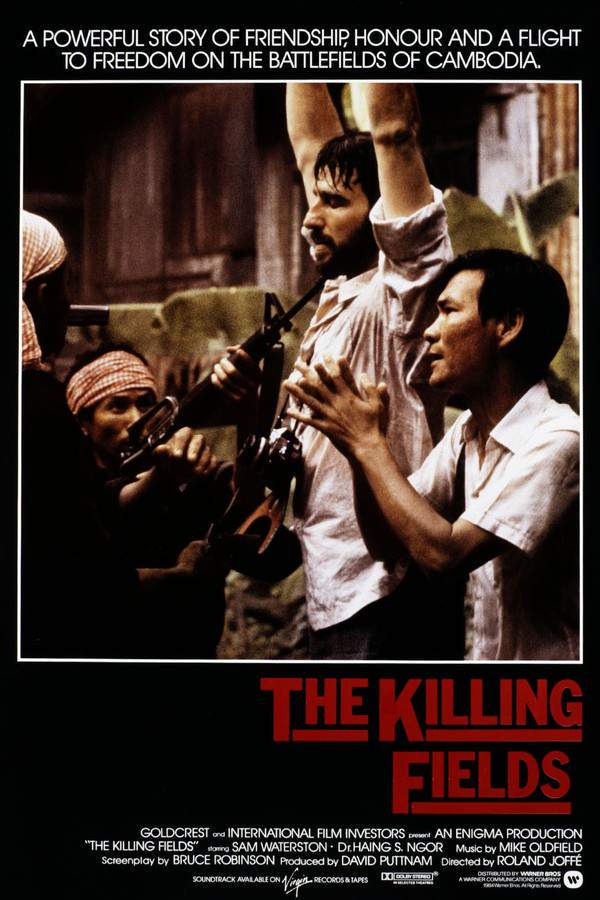
Stories depicting the brutal human cost of political and ethnic violence. For viewers seeking movies with a similar grim and tense atmosphere to The Kashmir Files. This list features harrowing dramas about ethnic conflict and persecution, such as Paradise Now or The Killing Fields, that capture the high-intensity, emotionally heavy experience of communities caught in political violence.

  • harrowing
  • bleak
  • tense
  • gripping
  • unsettling
  • somber
  • Tone: dark, harrowing, bleak
  • Pacing: variable, intense
Why these movies?

The story pattern: The narrative follows a group or community as their world is shattered by sectarian or political violence. The plot is driven by survival, depicting acts of brutality, forced exile, and the psychological trauma inflicted upon the characters. The arc is often tragic, emphasizing the senseless loss and long-lasting scars of conflict rather than a redemptive resolution.

Why they belong together: This thread groups films that share an exceptionally dark tone, high intensity, and a focus on the visceral reality of ethnic cleansing and political violence. They create a coherent, harrowing vibe through bleak atmospheres, heavy emotional weight, and disturbing themes centered on survival amidst chaos.

If you liked this

Movies Like The Kashmir Files

Similar movies to The Kashmir Files: the same genre, themes or kind of story. Each one comes with its own plot summary, timeline and ending explained.

Browse all movie summaries

Every angle

The Kashmir Files (2022) Explained: Plot, Timeline & Characters

Everything about The Kashmir Files in one place: what happens in the plot summary, the timeline in chronological order, the characters and meaning and a spoiler-free summary. What's After the Movie adds the cast, box office and post-credit scenes.

Coming soon on iOS and Android

The Plot Explained Movie Summary App

Plot summaries, endings explained and timelines on your phone. Catch up on any movie in minutes, save your favorites and never miss a twist again.

Be the first to know when we launch. Your email stays private, always.

Learn more about the app