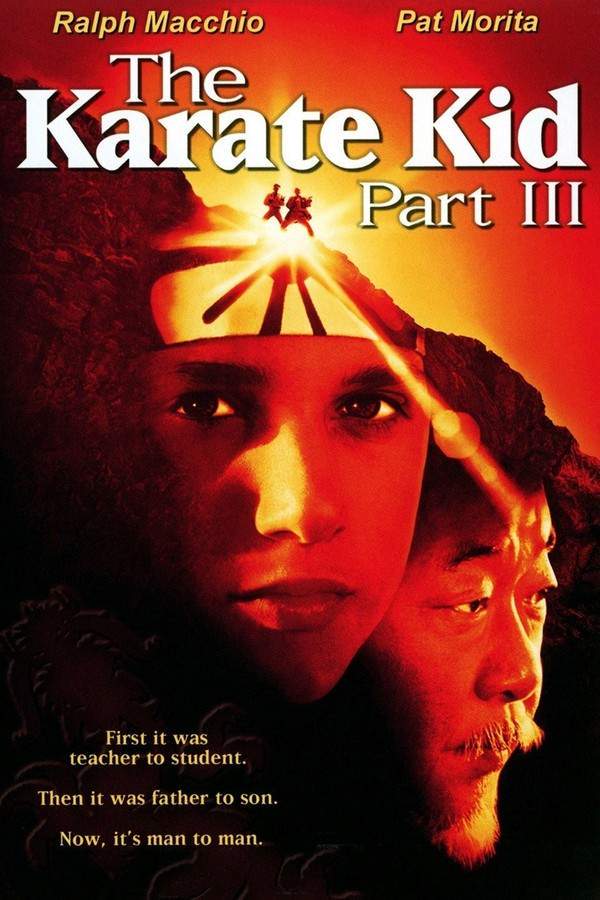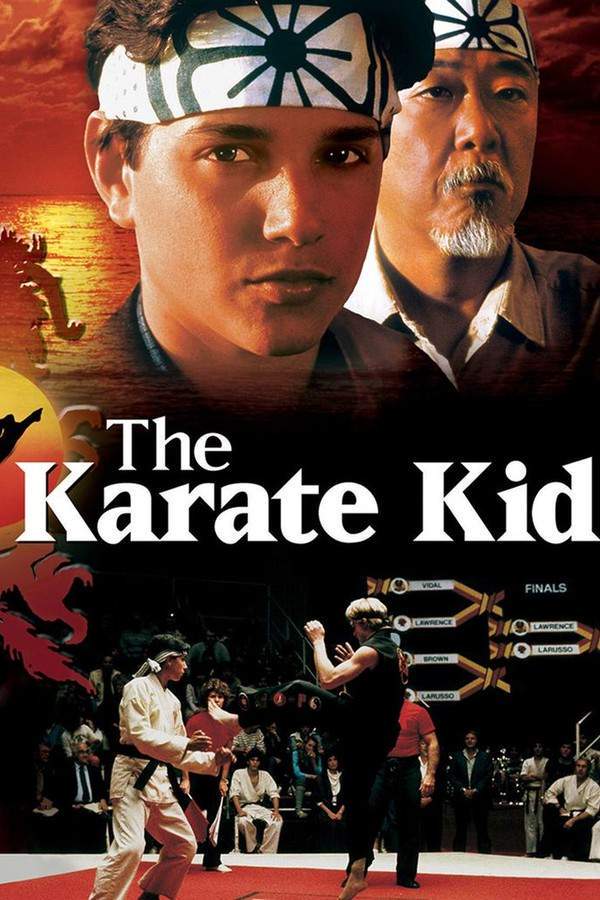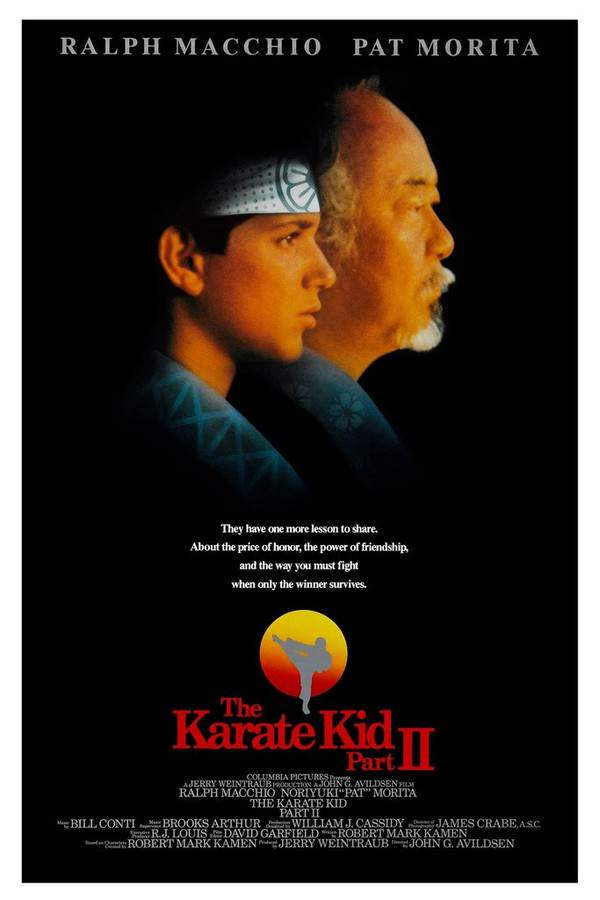
Mr. Miyagi takes his student Daniel to Okinawa to build a fence for his old friend. There, Daniel becomes embroiled in a local dispute involving Sato, a stubborn young man who is betrothed to Miyagi’s former love, Yukie. Daniel must confront his own emotional struggles and learn more than just karate as he tries to help Miyagi resolve old conflicts and find closure regarding his past.
Find where to stream, rent, or buy The Karate Kid Part II (1986) in the US with current JustWatch availability, up-to-date pricing, and platform listings for subscription, rental, and digital purchase options.
Warning: spoilers below!
Haven’t seen The Karate Kid Part II yet? This summary contains major spoilers. Bookmark the page, watch the movie, and come back for the full breakdown. If you're ready, scroll on and relive the story!
Trace every key event in The Karate Kid Part II (1986) with our detailed, chronological timeline. Perfect for unpacking nonlinear stories, spotting hidden connections, and understanding how each scene builds toward the film’s climax. Whether you're revisiting or decoding for the first time, this timeline gives you the full picture.
Last updated: November 19, 2024 at 18:23
Find frequently asked questions about the The Karate Kid Part II (1986) timeline, including chronological order, nonlinear jumps, cause-and-effect links, and scene sequence clarifications. This timeline FAQ helps explain when key events happen, how moments connect, and why the story unfolds in that specific order.
Miyagi takes Daniel to Okinawa for two connected reasons. First, he receives news that his father is gravely ill, prompting him to return to his ancestral home. Second, Daniel is emotionally devastated after his breakup with Ali Mills, and Miyagi wants to help his student heal while also confronting his own past.
Earlier scenes established Daniel's emotional vulnerability after losing Ali, making him receptive to Miyagi's invitation.
Miyagi and Sato were best friends in Okinawa, and both loved Yukie. Yukie loved Miyagi, but her family arranged her marriage to Sato. When Miyagi left Okinawa to pursue his dreams, Sato married Yukie anyway, and the friendship turned to resentment. Decades later, Sato became a wealthy industrialist whose fishing practices devastated the village economy.
While traveling to Okinawa, Miyagi tells Daniel about his unfulfilled love for Yukie.
After Miyagi's father dies, Sato presents an ultimatum: fight him in a duel to the death within three days or forfeit all claims to their shared family inheritance. The duel represents the culmination of decades-old resentment over Yukie's love and Miyagi's departure from Okinawa, which Sato viewed as abandonment and betrayal.
Sato's anger has been building since they arrived and saw the damage his industrial practices caused to the village.
The drum technique is an ancient karate technique from Miyagi's family tradition that uses a handheld drum to establish a rhythmic fighting pattern. Miyagi teaches it to Daniel in preparation for the potential duel. The technique proves crucial in the final battle against Chozen, where the community's rhythmic support activates its full power.
Miyagi specifically mentions teaching Daniel his family's secret techniques while preparing for the duel.
Chozen, Sato's nephew, becomes enraged when Daniel investigates and confronts him about his illegal operations in the village. Daniel's interference in Chozen's business and his presence in the village honor offends Chozen's sense of pride. In retaliation, Chozen and his gang attack Daniel, leaving Miyagi's family estate destroyed.
Daniel begins delving into Chozen's darker activities in the village, which clearly unsettles the locals.
The typhoon completely transforms the situation. When Sato's dojo collapses and traps him beneath the rubble, Miyagi and Daniel risk their lives to rescue him. This act of heroism breaks the cycle of vengeance, Sato realizes Miyagi would save even him, so he has no reason to continue fighting. After being saved, Sato publicly asks for forgiveness and pledges to rebuild the village for the people.
Miyagi advises retreat to avoid worsening the conflict, showing his preference for peace over violence.
After being publicly disowned by his uncle Sato following the typhoon, Chozen returns to the O-bon festival filled with rage and desperation. He kidnaps Kumiko to force Daniel into a death match, using her as leverage to ensure Daniel would fight him. This act of desperation represents Chozen's final attempt to restore his honor through combat.
Chozen was publicly disowned by Sato after the typhoon, leaving him with nothing to lose.
Daniel initially struggles against Chozen's relentless attacks and is overpowered. However, Miyagi, Sato, and the gathered crowd begin playing the den-den daikos (traditional drums), providing the rhythmic spirit needed for Daniel to harness the ancient drum technique. With this renewed energy, Daniel successfully executes the technique and defeats Chozen.
The community's musical support mirrors the training Daniel received with the drum technique.
The nose tweak is a signature gesture of playful, non-violent retribution. Miyagi first used it on Kreese in the parking lot confrontation, tweaking his nose instead of delivering a harmful strike. At the end, Daniel mirrors this gesture with Chozen after defeating him, a symbolic way of humiliating the opponent while showing confidence, drawing cheers from onlookers.
Miyagi tweaked Kreese's nose at the beginning, establishing this as his trademark move.
Discover curated groups of movies connected by mood, themes, and story style. Browse collections built around emotion, atmosphere, and narrative focus to easily find films that match what you feel like watching right now.
Characters travel abroad to confront personal challenges and find strength in tradition.If you liked the blend of personal growth, martial arts, and cultural discovery in The Karate Kid Part II, you'll find similar movies here. These stories feature hopeful heroes navigating foreign lands, learning from wise mentors, and fighting for honor in emotionally satisfying journeys.
The narrative typically involves a character leaving their familiar environment for a place rich with personal or family history. Guided by a mentor, they train in a traditional discipline to face a formidable local rival. The journey is as much about internal growth and reconciliation as it is about external victory.
These movies are grouped by their shared focus on cultural immersion as a catalyst for character development. They combine a steady pace of training and discovery with medium-intensity confrontations, all leading to a triumphant and emotionally rewarding conclusion that honors themes of honor and forgiveness.
Young heroes help their mentors confront and heal from painful past conflicts.Fans of The Karate Kid Part II who loved the dynamic between Daniel and Mr. Miyagi will enjoy these films. They focus on strong mentor-student relationships where the student aids the mentor in overcoming a dark past, blending action, emotion, and a heartfelt resolution.
The plot revolves around a central mentor-student relationship. A conflict from the mentor's past re-emerges, threatening their peace. The student, through their own training and courage, becomes instrumental in resolving this old wound, often by facing a nemesis from the mentor's generation. The story is as much about the mentor's emotional healing as it is about the student's physical triumph.
These films share a specific narrative structure that balances a student's coming-of-age arc with a mentor's redemption arc. They maintain a medium emotional weight driven by past grief, use steady pacing to develop both characters, and culminate in a climax that resolves both the physical conflict and the underlying emotional trauma.
Don't stop at just watching - explore The Karate Kid Part II in full detail. From the complete plot summary and scene-by-scene timeline to character breakdowns, thematic analysis, and a deep dive into the ending - every page helps you truly understand what The Karate Kid Part II is all about. Plus, discover what's next after the movie.
Read a complete plot summary of The Karate Kid Part II, including all key story points, character arcs, and turning points. This in-depth recap is ideal for understanding the narrative structure or reviewing what happened in the movie.
Discover the characters, locations, and core themes that shape The Karate Kid Part II. Get insights into symbolic elements, setting significance, and deeper narrative meaning - ideal for thematic analysis and movie breakdowns.
Discover movies like The Karate Kid Part II that share similar genres, themes, and storytelling elements. Whether you’re drawn to the atmosphere, character arcs, or plot structure, these curated recommendations will help you explore more films you’ll love.
The Karate Kid Part II (1986) Plot Summary & Movie Recap
The Karate Kid Part II (1986) Scene-by-Scene Movie Timeline
The Karate Kid Part II (1986) Spoiler-Free Summary & Key Flow
Movies Like The Karate Kid Part II – Similar Titles You’ll Enjoy
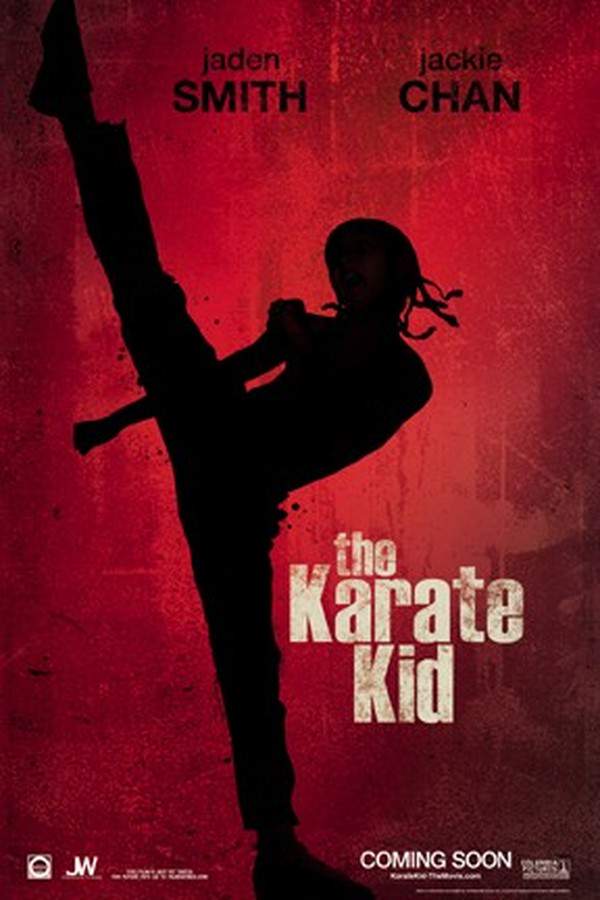
The Karate Kid (2010) Plot Summary & Ending Explained
The Karate Kid (1984) Plot Summary & Ending Explained
The Karate Kid Part III (1989) Full Summary & Key Details
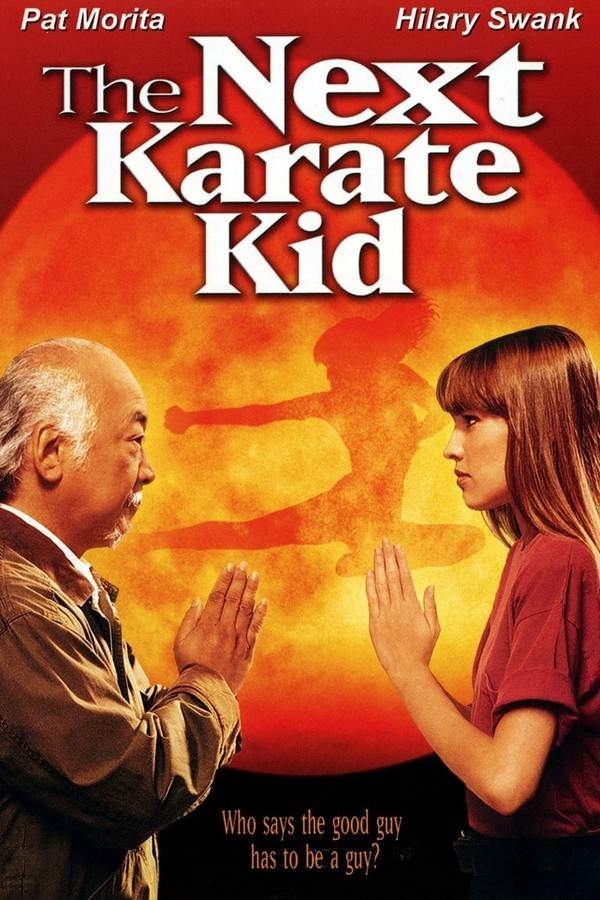
The Next Karate Kid (1994) Complete Plot Breakdown
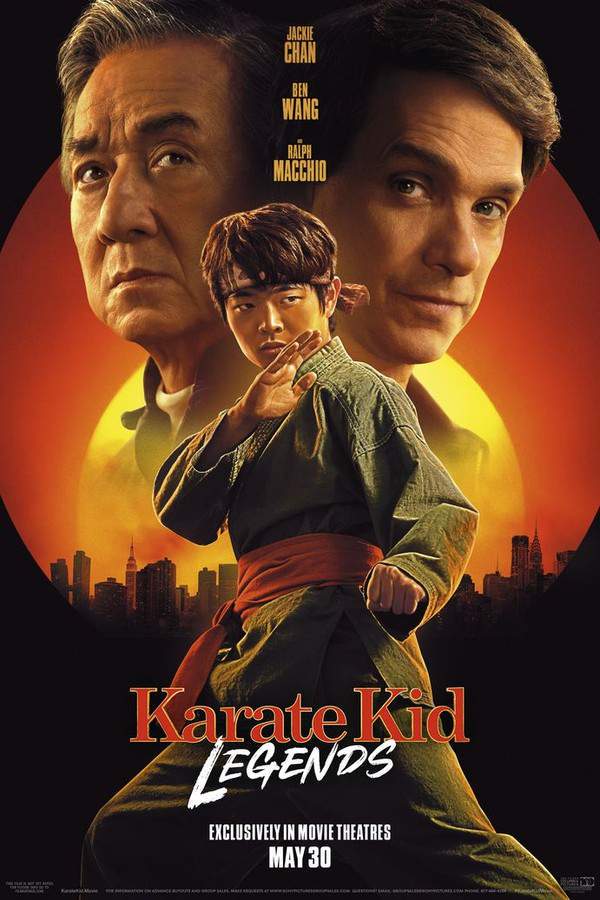
Karate Kid: Legends (2025) Ending Explained & Film Insights
Kickboxer 2: The Road Back (1991) Full Movie Breakdown
Project A Part II (1987) Spoiler-Packed Plot Recap
The Kung Fu Kids II (1986) Spoiler-Packed Plot Recap
Karate Warrior 2 (1988) Movie Recap & Themes
Karate Warrior 2 (1988) Detailed Story Recap
The Legend II (1993) Full Summary & Key Details
Karate for Life (1977) Plot Summary & Ending Explained
Bloodsport II (1996) Full Movie Breakdown
Karate Bear Fighter (1975) Complete Plot Breakdown
The Executioner II: Karate Inferno (1974) Film Overview & Timeline