


Plot Explained Spoilers guaranteed!
Plot Explained

Browse by genre

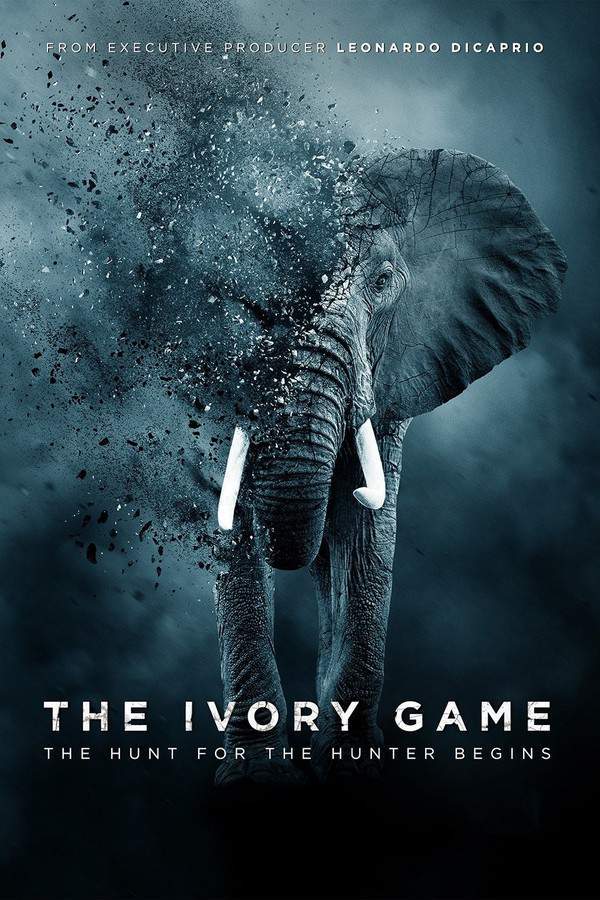
The Ivory Game (2016) movie poster

Timeline

The Ivory Game (2016) Timeline Explained – Every Event in Order

Release, runtime and language
2016 · 112 min · English
JustWatch #29,924 1
Directed by
Kief Davidson, Richard Ladkani

Filmmakers conduct an undercover investigation into the illegal ivory trade, spending 16 months embedded with those involved to expose the devastating impact on Africa. The documentary reveals how the demand for ivory in China fuels a brutal cycle of poaching and corruption, orchestrated by ruthless traffickers who profit from the mass slaughter of elephants. It's a revealing look at the dark side of the global ivory crisis and the people fighting to stop it.

On this page (6)
  1. 1 Where to watch
  2. 2 Events in order (13)
  3. 3 Timeline questions answered
  4. 4 Movie threads
  5. 5 Movies like The Ivory Game
  6. 6 Every angle

Where to watch

Where to Watch The Ivory Game (2016)

Where can you watch The Ivory Game? Stream, rent or buy it in the US, including on Netflix and Netflix Standard: current JustWatch availability with up-to-date prices.

Streaming availability powered by JustWatch

13 events in order · contains spoilers

The Ivory Game Timeline: Events in Chronological Order

Every key event of The Ivory Game (2016) in order, scene by scene, with when and where it takes place. Use it to untangle flashbacks, time jumps and parallel storylines, to refresh your memory before the sequel or to find the exact scene you are thinking of.

  1. Introduction to Elephant Poaching

    The documentary opens with a stark portrayal of elephant poaching in Africa, closely linked to the thriving ivory trade in China and Hong Kong. It sets the stage for a deeper exploration of this harrowing issue affecting the majestic creatures.

  2. 16-Month Undercover Operation

    Directed by Keif Davidson and Richard Ladkani, the film recounts their team's arduous efforts over a 16-month undercover operation. This investigation illuminated the grim reality of elephant killings, often driven by the allure of tusks prized as status symbols in certain Asian cultures.

  3. Startling Statistics

    The documentary reveals alarming statistics showing that 150,000 elephants have been slaughtered for their ivory in just the last five years. The stark depiction emphasizes vast regions in Africa becoming devoid of elephants, with remaining populations primarily in western and southern Africa.

  4. Nighttime Sting Operation in Tanzania

    The opening scene unfolds in Tanzania, where Elisifa Ngowi and his team execute a nighttime sting operation targeting notorious poacher Shetani. This operation is crucial as Shetani is responsible for the deaths of approximately 10,000 elephants through his brutal poaching practices.

    Where
    Tanzania
  5. Impact of the Ivory Trade

    As the documentary progresses, it highlights the staggering profits from the ivory trade, with poachers earning $7 per kilogram while ivory can fetch $3000 in the Chinese market. This economic disparity fuels the ongoing poaching crisis, exacerbating the plight of elephants.

  6. Tracking Elephant Populations

    Under the guidance of Georgia, the team employs aerial surveys to monitor elephant populations in the Zambezi region. This innovative approach uncovers local ivory sellers and sheds light on the ongoing struggle to preserve the dwindling elephant numbers.

    Where
    Zambezi region
  7. Conservation Efforts in Kenya

    In Kenya, Craig Millar heads efforts to prevent poaching before it occurs, often clashing with local communities. His emotional discovery of a brutally slain family of elephants underscores the dire situation, revealing the vulnerability of even female elephants and their calves.

    Where
    Kenya
  8. Role of Electric Fences

    The film showcases Ian Craig's long-standing initiative of using electric fences to protect elephant habitats. This collaboration between Craig and local conservationists emphasizes proactive measures taken to safeguard elephants and facilitate their migration.

  9. Undercover Operation in China

    A parallel narrative follows Andrea Crosta and journalist Hongxiang Huang as they embark on a risky undercover operation in China. Their goal is to expose the illegal ivory trade, navigating through a landscape where dealers often flaunt their ability to bypass regulations.

    Where
    China
  10. Licensed Ivory Dealers

    The documentary delves into the complexities of the ivory trade, highlighting that the Chinese government allows 5 tons of ivory to be licensed for dealers. This regulation blurs the line between legal and illegal activities, complicating enforcement efforts and conservation initiatives.

    Where
    China
  11. Gathering Evidence Against Traffickers

    Huang and Crosta face perilous situations as they gather incriminating evidence against influential players in the ivory market. Their determined efforts focus on garnering enough proof to prompt authorities to take action and consider banning the ivory trade altogether.

  12. Urgent Call for Action

    As the film progresses, the urgency of the situation escalates, revealing that without immediate governmental action, elephants could face extinction within the next 15 years. This shocking statistic serves as a clarion call to viewers to recognize the gravity of the crisis.

  13. Understanding the Ivory Trade's Impact

    The documentary concludes by elucidating the profound implications of the ivory trade on the survival of elephants. It implores viewers to understand their role in conservation and the importance of supporting initiatives aimed at ending the poaching crisis.

Last updated: November 07, 2024 at 22:53

Was this helpful?

Timeline questions answered

The Ivory Game Timeline Explained: Your Questions Answered

When does it happen, and why in that order? The questions people ask about the chronology of The Ivory Game (2016): time jumps, flashbacks, cause and effect between scenes and the correct order of events, each answered with spoilers.

Q1

Who is Shetani and why is he responsible for killing 10,000 elephants?

Shetani is a notorious Tanzanian poacher featured in the documentary who orchestrated large-scale elephant slaughter. He hired hitmen to kill elephants and smuggled massive quantities of ivory, with some collections weighing up to 3000 kg. His operations were responsible for approximately 10,000 elephant deaths, making him one of the most destructive poachers in Africa.

Foreshadowing: The documentary opens with a nighttime sting operation in Tanzania specifically targeting Shetani, establishing the scale of his criminal enterprise from the start.

  • shetani
  • poacher
  • tanzania
  • elephant poaching
  • ivory smuggling
Q2

Why does ivory sell for $3000 per kilogram in China when poachers earn only $7?

The massive price difference reflects the entire illegal supply chain. Poachers in Africa earn approximately $7 per kilogram for raw ivory, which then passes through multiple intermediaries, smugglers, wholesale dealers, and retailers, each adding markup before reaching Chinese consumers at $3000 per kilogram. This enormous profit margin creates powerful financial incentives for organized criminal networks.

Foreshadowing: The documentary explicitly contrasts these figures early in the film to explain the economic drivers fueling poaching.

  • ivory price
  • poaching economics
  • illegal trade
  • profit margin
Q4

How do electric fences help protect elephants in Africa?

Electric fences serve as physical barriers around protected areas and elephant habitats, preventing both poachers from entering and elephants from wandering into conflict zones where they might be killed or destroy local crops. Ian Craig has championed this approach for decades as a proactive conservation strategy that reduces poaching incidents before they occur.

Foreshadowing: The documentary shows Ian Craig's collaboration with conservationists to track migrating herds and highlights how fences facilitate safe elephant migration routes.

  • electric fences
  • elephant conservation
  • habitat protection
  • ian craig
Q5

What evidence did Andrea Crosta and Hongxiang Huang gather against ivory traffickers?

Andrea Crosta from Wildleaks and journalist Hongxiang Huang conducted a risky undercover operation in China, secretly recording ivory dealers who boasted about bypassing regulations and illegally importing ivory from Africa. They gathered damning evidence including hidden camera footage and dealer admissions, which they compiled to present to authorities in hopes of prompting an ivory trade ban.

Foreshadowing: The documentary builds tension as Huang and Crosta face perilous situations while gathering evidence against major players in the ivory market.

  • andrea crosta
  • hongxiang huang
  • undercover operation
  • evidence gathering
  • ivory dealers
Q6

What makes scientists predict elephants could go extinct within 15 years?

Scientists predict elephants could face extinction within 15 years if governments worldwide do not take immediate action because 150,000 elephants have been slaughtered in just five years, reducing African populations from 100,000 to 50,000. At this rate of decline, remaining populations cannot sustain themselves, and without urgent intervention, elephants will disappear from the wild.

Foreshadowing: The documentary's opening statistics about mass slaughter establish the urgency that culminates in this dire warning.

  • elephant extinction
  • population decline
  • 15 years
  • conservation crisis
Q7

Why do poachers kill female elephants and calves when they think only males have tusks?

While male elephants typically have larger tusks, females and calves also have tusks, and poachers kill them indiscriminately for any ivory they can yield. The documentary shows a heartbreaking scene where Craig Millar discovers an entire family of elephants, including females and calves, brutally slain, demonstrating that poachers show no regard for age or gender when harvesting tusks.

Foreshadowing: This emotional moment underscores the ruthlessness of poachers and serves as a turning point highlighting the indiscriminate nature of the slaughter.

  • female elephants
  • calves
  • poaching
  • ivory harvesting
Q8

Why is ivory considered a status symbol in China and parts of Asia?

In parts of China and Asia, ivory has traditionally been valued as a luxury material for carved artwork, jewelry, and decorative items that signify wealth and status. This cultural demand creates a lucrative market that drives the illegal ivory trade, with Chinese consumers willing to pay thousands of dollars per kilogram for tusks despite international bans.

Foreshadowing: The documentary explicitly connects the demand for ivory as status symbols in Asian cultures to the supply-driven poaching in Africa.

  • china ivory demand
  • status symbol
  • asian culture
  • consumer demand
Q9

How does Craig Millar work to prevent poaching in Kenya?

Craig Millar heads security for the Big Life Foundation in Kenya, focusing on preventing poaching before it occurs rather than reacting after elephants are killed. He patrols protected areas, responds to poaching threats, and often confronts local communities whose crops are raided by elephants, highlighting the complex human-wildlife conflict that complicates conservation efforts.

Foreshadowing: His work represents the frontline defense against poaching that the documentary follows alongside the investigative and policy efforts.

  • craig millar
  • big life foundation
  • kenya poaching
  • conservation efforts
Q10

What did the undercover investigation reveal about the illegal ivory market in China?

The undercover investigation in China and Hong Kong revealed that illegal ivory trade operates openly despite official bans, with dealers openly boasting about their ability to circumvent regulations and import ivory from Africa. The investigation exposed how the illegal market functions with relative impunity, connected to organized crime networks that profit from Africa's elephant slaughter.

Foreshadowing: This parallel narrative to the African anti-poaching efforts demonstrates the global nature of the ivory crisis.

  • undercover investigation
  • china hong kong
  • illegal market
  • organized crime

Movie threads

More Movies Like The Ivory Game, by Mood & Story

Curated lists built around what makes The Ivory Game tick: the same mood, the same kind of story or the same emotional payoff. Each list explains why these movies belong together.

Real-world investigative thrillers like The Ivory Game

Real-world investigations that feel like tense, urgent crime movies. Movies like The Ivory Game that play out like high-stakes thrillers. If you were captivated by the tense undercover operations and urgent race against time, you'll find similar gripping stories of real-world investigation and exposé here.

  • urgent
  • tense
  • gripping
  • suspenseful
  • revelatory
  • sobering
  • Tone: tense, urgent, sobering
  • Pacing: steady, methodical
Why these movies?

The story pattern: These narratives typically follow a clear, cause-and-effect structure, tracking an investigation from discovery to confrontation. The journey is driven by determined protagonists who operate in the shadows, often facing significant personal risk and systemic corruption to bring a critical issue to light.

Why they belong together: We group these movies together because they share a core DNA: the fusion of factual, journalistic rigor with the suspenseful, high-intensity pacing of a crime thriller. They create a specific, urgent, and sobering vibe that is both informative and emotionally gripping.
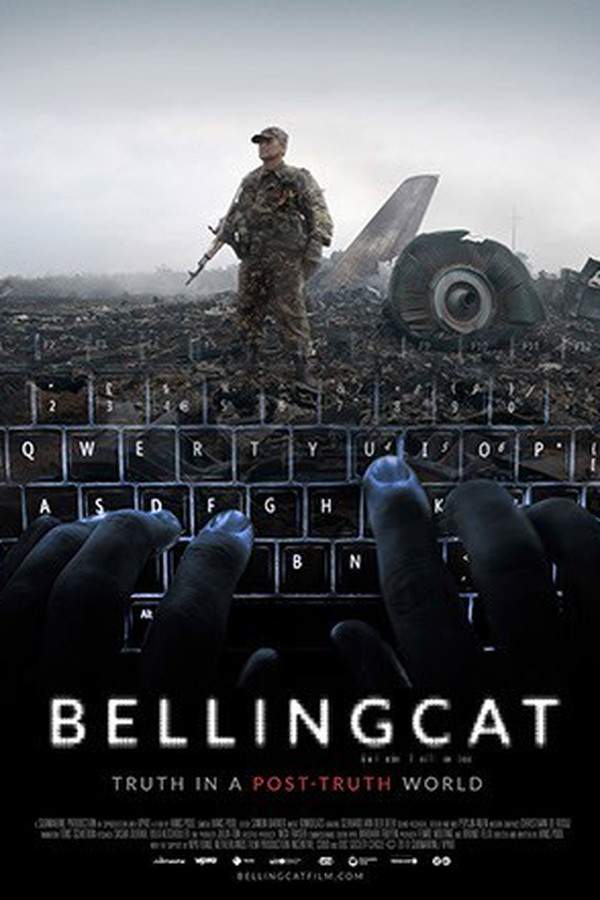
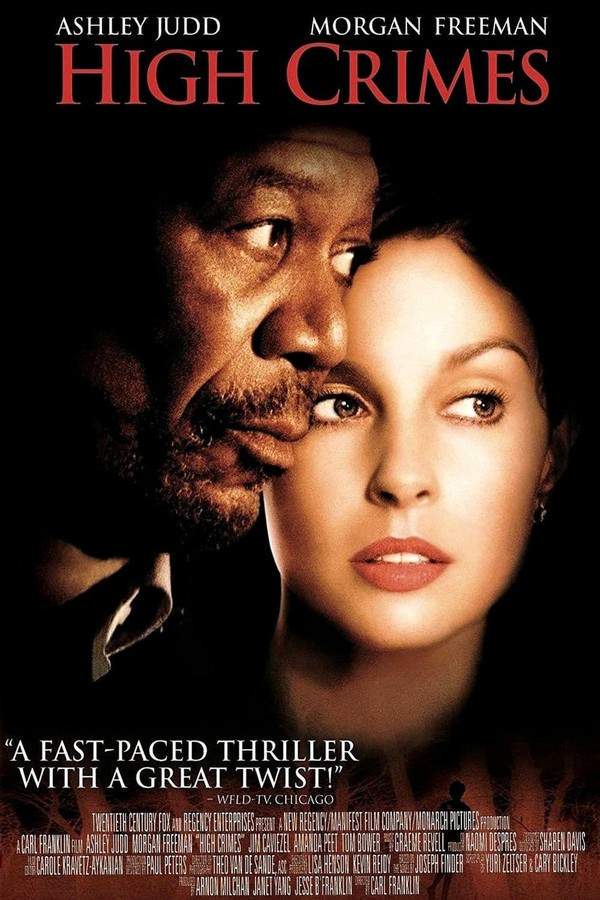
Urgent activist documentaries like The Ivory Game

Powerful documentaries that expose a global crisis and demand change. Discover more documentaries like The Ivory Game that serve as urgent calls to action. These films expose critical global crises with a heavy emotional tone, balancing stark reality with the determined efforts of activists.

  • sobering
  • harrowing
  • urgent
  • revelatory
  • determined
  • heavy
  • Tone: sobering, bittersweet, determined
  • Pacing: steady, purposeful
Why these movies?

The story pattern: The narrative arc in these films often presents a devastating problem—such as environmental collapse, human rights abuses, or systemic corruption—and then follows the activists, scientists, or journalists on the front lines. The journey is emotionally taxing, leading to an ending that is rarely purely happy, but instead bittersweet, highlighting both the scale of the challenge and the necessity of continued fight.

Why they belong together: These films are grouped by their shared purpose and emotional impact. They are not passive viewings; they are designed to inform, horrify, and ultimately mobilize the audience. The combination of heavy themes, a steady investigative pace, and a ultimately hopeful, if weary, determination creates a uniquely powerful and motivating experience.

If you liked this

Movies Like The Ivory Game

Similar movies to The Ivory Game: the same genre, themes or kind of story. Each one comes with its own plot summary, timeline and ending explained.

Browse all movie summaries

Every angle

The Ivory Game (2016) Explained: Plot, Timeline & Characters

Everything about The Ivory Game in one place: what happens in the plot summary, the timeline in chronological order, the characters and meaning and a spoiler-free summary. What's After the Movie adds the cast, box office and post-credit scenes.

Coming soon on iOS and Android

The Plot Explained Movie Summary App

Plot summaries, endings explained and timelines on your phone. Catch up on any movie in minutes, save your favorites and never miss a twist again.

Be the first to know when we launch. Your email stays private, always.

Learn more about the app