Plot Explained Spoilers guaranteed!
Plot Explained

Browse by genre

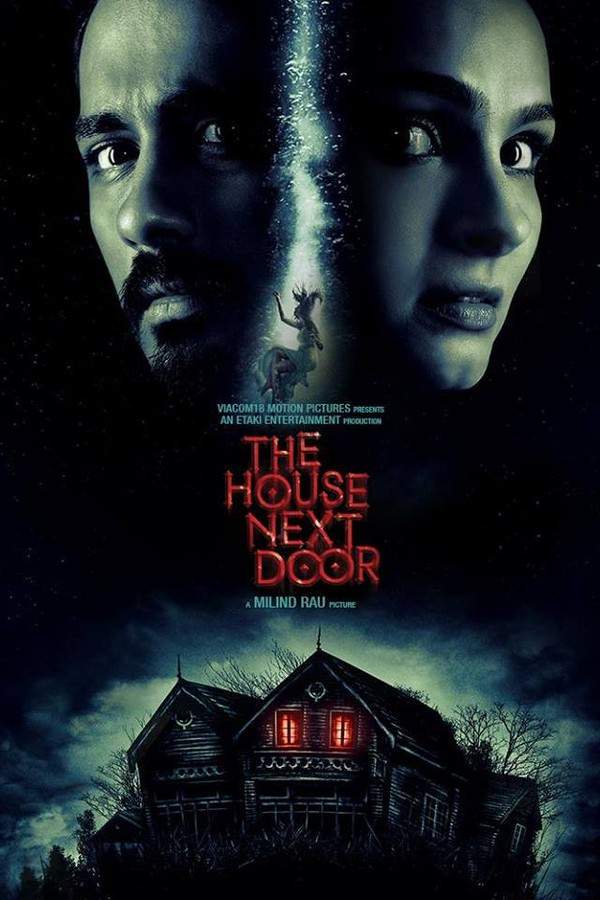
The House Next Door (2024) movie poster

Plot Summary

The House Next Door (2024) Plot Summary & Ending Explained

Release, runtime and language
2024 · 1 h 57 m · Tamil
Directed by
John Vourlis

Following the 2008 foreclosure crisis, this film explores the profound impact on Cleveland's Slavic Village community. It portrays the devastating consequences of shattered lives and abandoned homes, serving as a poignant reminder of the economic hardship endured.

On this page (6)
  1. 1 Where to watch
  2. 2 What happens: full plot
  3. 3 Plot questions answered
  4. 4 How it ends
  5. 5 Movie threads
  6. 6 Every angle

Where to watch

Where to Watch The House Next Door (2024)

Where can you watch The House Next Door? Stream, rent or buy it in the US, including on Amazon Prime Video, Hoopla and Tubi TV: current JustWatch availability with up-to-date prices.

Streaming availability powered by JustWatch

Full plot summary · contains spoilers

What Happens in The House Next Door: Full Plot Summary

The whole story of The House Next Door (2024) explained, from the opening scene to the final frame: every key event, every twist and what it all adds up to. Read it as a quick recap before the sequel, to check a scene you missed, or to finally understand what really happened.

Ingrid is a successful author who learns that Martha, a friend she once worked with at the same magazine, is facing terminal cancer. The two reconnect at the Manhattan hospital where Martha is receiving treatment, and soon Martha begins to tell Ingrid the story of her life. The conversation becomes a journey through years past, memories that still weigh heavily on the present, and a plan that hinges on Martha’s choice about how she will end her life.

The tale Martha shares takes us back to the 1970s, when she becomes pregnant by Fred, a young man she met in college. Fred goes off to fight in the Vietnam War, returning with the scars of PTSD. He eventually leaves Martha and remarries, leaving Martha to navigate life with their daughter Michelle, who constantly questions where Fred is and what happened to him. In a bid to appease her daughter, Martha reaches out to Fred’s wife, only to learn that Fred had died trying to rescue someone—someone who did not exist—after hearing voices he believed came from a house fire. This revelation fuels Michelle’s growing resentment and drives a wedge between mother and daughter, leaving Martha increasingly isolated with no real family of her own.

Back in the present, the sense of isolation intensifies for Martha, who reveals to Ingrid that she has purchased euthanasia pills to end her life on her own terms. Ingrid experiences a deep internal conflict but gradually comes to terms with Martha’s decision and agrees to stay with her during the final moments. The plan unfolds in a rented country house in Woodstock, New York, where Martha says she will know she has died when her bedroom door is closed the following morning. One night, Ingrid wakes to find the door shut and Martha presumed dead, only to discover that Martha is still alive. Martha explains that she opened a window and a breeze caused the door to close, presenting the incident as a sort of rehearsal for what she expects to come. Ingrid, though unsettled, remains perplexed and irritated by the strange, unsettling incident.

Ingrid’s circle expands to include Damian, a fellow writer who once acted as a shared lover to both Ingrid and Martha and who understands Martha’s plan. Damian helps secure a lawyer Ingrid can rely on in case of police involvement after Martha’s death. When Ingrid returns home, she learns that Martha has died—found outside on a lounge chair with the bedroom door closed—and discovers a note from Martha thanking her and asking her to contact Michelle. The interrogation by a police officer—who reveals a suspicion rooted in religious fundamentalism—questions Ingrid about her lack of awareness of Martha’s suicide plans, and the officer confirms that Martha had even invited another friend to join her before Ingrid. After the uneasy encounter, Ingrid reaches out to Damian and the lawyer for assistance.

Ingrid then reaches out to Michelle and invites her to the house where Martha died. The final image shifts to the two women lying together on the lounge chairs outside as snow begins to fall, a quiet tableau that underscores the intimate, fragile bonds that have carried them through a complex web of memory, love, and loss.

Last updated: October 09, 2025 at 16:12

Was this helpful?

Plot questions answered

The House Next Door Plot Explained: Your Questions Answered

The questions people ask most about The House Next Door (2024): what happens in the confusing scenes, why the characters do what they do, the twists, hidden details and what the ending means. Each answer contains spoilers.

Q1

Why did Martha decide to end her life with euthanasia?

Martha chose euthanasia because she was facing terminal cancer and wanted to die on her own terms rather than endure a painful, prolonged death. Throughout her life, she had already experienced significant loss and hardship, including raising her daughter alone after Fred left, dealing with Michelle's resentment, and living with the guilt over how Fred's death affected her family. The decision gave her a sense of control over her final moments.

  • euthanasia
  • terminal cancer
  • assisted suicide
  • end of life
  • choice
Q2

Why did Fred leave Martha after returning from Vietnam?

Fred left Martha because he returned from the Vietnam War with severe PTSD, which strained their relationship significantly. The trauma from his combat experience made it difficult for him to maintain healthy relationships, ultimately leading him to leave Martha and remarry another woman.

Foreshadowing: The film establishes early that Fred went to Vietnam and returned scarred by PTSD, hinting at the marital difficulties to come.

  • PTSD
  • Vietnam War
  • trauma
  • marriage
  • abandonment
Q3

How did Fred die and what happened to him?

Fred died attempting to rescue someone who did not exist. After returning from Vietnam with PTSD, he began hearing voices that he believed came from a house fire. He died trying to save a nonexistent person based on those auditory hallucinations.

  • Fred death
  • house fire
  • hallucinations
  • PTSD
  • rescue
Q4

Why did Michelle become estranged from Martha?

Michelle grew estranged from Martha because she felt misled about her father Fred. After Martha reached out to Fred's wife to find answers for Michelle, she learned the truth about his death, which was that he died trying to save a nonexistent person. This revelation, combined with years of not knowing where Fred was, fueled Michelle's resentment toward her mother, leading to their estrangement.

  • Michelle
  • estrangement
  • resentment
  • father
  • daughter
Q5

What was the significance of the door closing in Woodstock?

The door closing had profound significance in Martha's plan. She told Ingrid that she would know Martha had died when the bedroom door was closed the following morning. When Ingrid woke to find the door shut but Martha still alive, Martha explained that she had opened a window and a breeze caused the door to close. She framed this as a rehearsal for her actual death, creating an unsettling moment that blurred the line between preparation and reality.

  • door
  • Woodstock
  • breeze
  • rehearsal
  • death
Q6

Why had Martha invited another friend to join her besides Ingrid?

Martha had invited another friend to be present during her death, which became clear during the police interrogation after her death. The officer revealed that Martha had even invited someone else to join her before Ingrid arrived, showing that Martha wanted companionship and support in her final moments rather than having just one person bear that burden.

  • friend
  • invitation
  • police
  • companionship
  • death
Q7

Why did Martha reach out to Fred's wife after he left?

Martha reached out to Fred's wife to appease her daughter Michelle, who constantly questioned where Fred was and what happened to him. Martha hoped that contacting Fred's new wife would provide some answers and help fill the void left by Fred's absence in their daughter's life.

  • Fred's wife
  • contact
  • Michelle
  • questions
  • answers
Q8

How did Martha ultimately die and where was she found?

Martha died peacefully outside on a lounge chair at the rented country house in Woodstock, New York. When Ingrid discovered her, the bedroom door was closed, just as Martha had indicated she would know she had died. Martha left a note thanking Ingrid and Michelle.

  • death
  • lounge chair
  • Woodstock
  • note
  • discovered
Q9

What was Ingrid's history with Martha before the hospital?

Ingrid and Martha had worked together at the same magazine in the past, making them former colleagues. Additionally, Damian, a fellow writer who later helps Ingrid, was once a shared lover of both Ingrid and Martha, creating a complex triangular relationship among the three that persisted into their adult lives.

  • Ingrid
  • Martha
  • magazine
  • colleague
  • Damian
  • lover
Q10

What happened during the police investigation after Martha's death?

After Martha's death, a police officer with religious fundamentalist views questioned Ingrid. The officer expressed suspicion about Ingrid's claim that she didn't know about Martha's suicide plans, noting that Martha had even invited another friend to join her before Ingrid. Ingrid ultimately contacted Damian and a lawyer for assistance in handling the situation.

  • police
  • investigation
  • questioning
  • religious
  • lawyer
Q11

What did the final scene with Ingrid and Michelle represent?

The final scene shows Ingrid and Michelle lying together on lounge chairs outside the house as snow falls, representing a fragile reconciliation between them. After Martha's death, Ingrid reached out to Michelle and invited her to the house. The quiet, bittersweet tableau symbolizes the bonds of memory, love, and loss that connect them despite the complex, painful history they share.

  • snow
  • ending
  • reconciliation
  • Michelle
  • bonds

Ending explained

What Happens at the End of The House Next Door?

How The House Next Door (2024) ends, in short: the final scene, the last twist and what it means for the characters. The full ending explained, with every spoiler, lives on its own page.

Read the full ending explained

The ending of "The House Next Door" reveals a clash between love, revenge, and supernatural forces. Mamuwalde, a vampire who has been obsessively seeking his lost love Lorena for centuries, moves into the neighborhood and becomes entangled with her and their daughter, Allie. It turns out that Mamuwalde was once her lover before he was killed by her father, the governor, centuries ago. Driven by heartbreak and unfinished love, Mamuwalde hypnotizes Lorena and Allie, abducts them, and transforms Lorena into a vampire. Carl Black and his friend Cronut, with the help of vampire slayer Mr. Wooky, rescue Lorena and Allie from Mamuwalde’s clutches. In a heartbreaking moment, Mamuwalde realizes that even though he has turned Lorena into a vampire and can still hypnotize her, her feelings for him have faded. She no longer shares his love, and this crushes him. Mamuwalde’s death frees Lorena from his control, and she reverts to being human, her vampiric features disappearing. With her back to normal, Carl successfully saves his family once again, restoring peace and happiness. The film hints at a possible future with more supernatural adventures, as characters like Cronut and others turn to forming a new team called “The Ghetto Ghostbusters” to fight ghosts and undead threats in their next chapter, suggesting that the story will continue with further comedic and spooky escapades. Overall, the ending underscores themes of love’s resilience and the destructive power of obsession, wrapped in a humorous supernatural setting.

The House Next Door ending explained in full

Movie threads

More Movies Like The House Next Door, by Mood & Story

Curated lists built around what makes The House Next Door tick: the same mood, the same kind of story or the same emotional payoff. Each list explains why these movies belong together.

Documentaries about scarred communities like The House Next Door

Films that examine the deep, lasting wounds inflicted on communities by systemic forces. For viewers who appreciated the community-focused lens of The House Next Door, this thread gathers movies that closely examine how neighborhoods and groups are deeply affected by economic hardship, social injustice, or systemic failure. Discover similar documentaries and dramas that tell intimate stories of collective resilience and loss.

  • documentary
  • melancholic
  • reflective
  • somber
  • community
  • economic crisis
  • Tone: melancholic, reflective, somber
  • Pacing: slow, observational
Why these movies?

The story pattern: Stories in this thread typically unfold through a mosaic of personal accounts, showing the ripple effects of a single catastrophic event or a slow-burning systemic issue on a defined community. The narrative is less about individual heroism and more about the shared experience of survival, adaptation, and the haunting presence of what was lost.

Why they belong together: These films are grouped by their shared focus on communal, rather than purely individual, trauma. They share a melancholic, reflective tone and a deliberate pace, allowing the viewer to absorb the scale of the impact. The emotional weight is heavy, stemming from a sense of helplessness against larger forces and the poignant observation of a way of life being erased.

Movies about quiet economic hardship like The House Next Door

Stories that explore the heavy, quiet weight of financial ruin and its human cost. If you were moved by the somber reflection on the foreclosure crisis in The House Next Door, this thread features films with a similar vibe. Find other slow-paced, heavy dramas and documentaries that explore the profound human impact of economic despair, focusing on the quiet moments of loss and resilience.

  • somber
  • melancholic
  • economic crisis
  • foreclosure
  • grief
  • quiet
  • Tone: somber, melancholic, intimate
  • Pacing: slow, deliberate
Why these movies?

The story pattern: Narratives in this thread often avoid sensationalism, instead unfolding through the accumulation of small, devastating details. The conflict is internal and external, as characters confront a loss of security and future prospects. The journey is typically one of endurance rather than triumph, marked by a bittersweet or bleak acceptance of a new, diminished reality.

Why they belong together: These movies are connected by their specific mood: a melancholic, intimate, and deeply sad exploration of financial devastation. They share a slow pacing that allows the weight of the subject matter to settle, and a medium-to-high emotional weight that comes from portraying relatable, real-world fears. The experience is reflective and somber.

Every angle

The House Next Door (2024) Explained: Plot, Ending, Timeline & Characters

Everything about The House Next Door in one place: what happens in the plot summary, the timeline in chronological order, the characters and meaning, the ending explained and a spoiler-free summary. What's After the Movie adds the cast, box office and post-credit scenes.

Coming soon on iOS and Android

The Plot Explained Movie Summary App

Plot summaries, endings explained and timelines on your phone. Catch up on any movie in minutes, save your favorites and never miss a twist again.

Be the first to know when we launch. Your email stays private, always.

Learn more about the app