









Plot Explained Spoilers guaranteed!
Plot Explained

Browse by genre

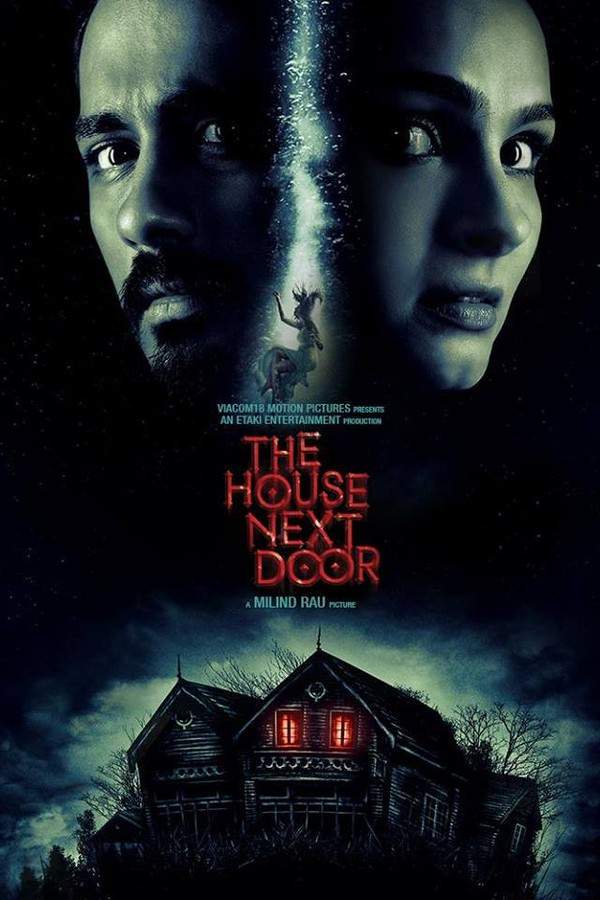
The House Next Door (2024) movie poster

Characters & Themes

The House Next Door (2024) Characters, Setting & Themes Explained

Release, runtime and language
2024 · 1 h 57 m · Tamil
Directed by
John Vourlis

Following the 2008 foreclosure crisis, this film explores the profound impact on Cleveland's Slavic Village community. It portrays the devastating consequences of shattered lives and abandoned homes, serving as a poignant reminder of the economic hardship endured.

On this page (7)
  1. 1 Where to watch
  2. 2 Characters explained (4)
  3. 3 Where & when it takes place
  4. 4 Themes & meaning (3)
  5. 5 Character & meaning questions
  6. 6 Movie threads
  7. 7 Every angle

Where to watch

Where to Watch The House Next Door (2024)

Where can you watch The House Next Door? Stream, rent or buy it in the US, including on Amazon Prime Video, Hoopla and Tubi TV: current JustWatch availability with up-to-date prices.

Streaming availability powered by JustWatch

4 main characters · contains spoilers

The House Next Door Characters Explained: Who Is Who

The main characters of The House Next Door (2024), heroes and villains: what drives them, how they change over the course of the story and what each of them reveals about the film's bigger ideas.

  • Ingrid

    Ingrid is a successful author who reconnects with Martha as she confronts Martha's plan for euthanasia. She grapples with conflicting emotions, balancing loyalty with fear, and ultimately offers her support in Martha's final moments. The character navigates the ethics of aiding mortality while maintaining her professional and personal boundaries.

    • 🧠 Intellectual
    • 💬 Witty
    • 🤝 Loyal
  • Martha

    Martha is Ingrid's friend with terminal cancer who recounts her life story. Her past includes a teenage pregnancy by Fred and the complex aftermath that followed, including her daughter's questions and the loss of family ties. She is resolute about ending her life and seeks a quiet, controlled finale with Ingrid's presence.

    • 💔 Terminal
    • 🕊️ Caring
    • 🧭 Determined
  • Damian

    Damian is a fellow writer and former lover who appears in Ingrid's life and knows about Martha's euthanasia plans. He assists with legal defense and offers a pragmatic, morally ambiguous perspective on the events. His presence adds tension and a practical counterpoint to Ingrid's emotions.

    • 🗣️ Charismatic
    • 🧠 Intellectual
    • 🧭 Pragmatic
  • Michelle

    Michelle is Martha's daughter, who grew up hearing about her father, Fred, and develops resentment toward her mother. In the present, she becomes involved again as the two women confront their shared history and the consequences of long-held secrets.

    • 👧 Daughter
    • 💔 Estranged
    • 🧭 Curious

Last updated: October 03, 2025 at 20:00

Was this helpful?

Setting

Where and When Does The House Next Door Take Place?

The setting of The House Next Door (2024): the year and time period, the places and locations, and how they shape the characters, the mood and the tension of the story.

Time period

1970s, Present day

The film shifts between Martha's life in the 1970s and the present day, where her health crisis and euthanasia plans unfold. The 1970s backstory reveals past relationships and the origins of the tensions among the characters. In the present, Ingrid and Martha navigate mortality, loyalty, and the possibility of saying goodbye.

Location

Manhattan, Woodstock, New York

The story moves between a Manhattan hospital and a rented country house in Woodstock, New York. The hospital setting provides a clinical, urgent atmosphere, while Woodstock offers a quiet, reflective backdrop for intimate conversations about life and death. The contrast between the city and the countryside underscores themes of mortality, memory, and farewell.

  • 🏙️ Urban
  • 🏞️ Rural retreat
  • ⏳ Timelines

Last updated: October 03, 2025 at 20:00

Was this helpful?

3 major themes

The House Next Door Meaning: Themes & Message Explained

What is The House Next Door (2024) really about? The emotional, social and philosophical themes the film keeps returning to, its symbolism and the message beneath the surface.

  • Death

    The central arc centers on dying with dignity, the planning of euthanasia, and the emotional ripple effects on Ingrid and those around Martha. The story probes how acceptance, fear, and love shape decisions at the end of life. It questions whether end-of-life choices are noble, selfish, or something more nuanced.

  • Caregiving

    Ingrid's commitment to staying with Martha reflects the burden and devotion of caregiving. The arrangement tests boundaries, loyalty, and personal safety as the two navigate fear, hope, and moral ambiguity. Support from friends like Damian and legal advisors also enters the caregiving dynamic.

  • Memory

    The story unfolds through memory and confession, revealing past loves, wars, and broken promises. Secrets from the 1970s life—like Fred's fate and the hidden pain of Martha's daughter—reappear, shaping present actions. Memory becomes a lens on truth, guilt, and reconciliation.

Last updated: October 03, 2025 at 20:00

Was this helpful?

Character & theme questions

The House Next Door Characters & Meaning: Your Questions Answered

The questions people ask about The House Next Door (2024): who the characters really are, their relationships, what the symbols mean, where it takes place and what the movie is really about. Each answer contains spoilers.

Q1

Where is the film set?

The story takes place between a Manhattan hospital and a rented country house in Woodstock, New York. The hospital provides a clinical, urgent atmosphere while Woodstock offers a quiet, reflective backdrop for intimate conversations about life and death.

  • setting
  • manhattan
  • hospital
  • woodstock
  • new york
  • locations
Q2

What time period does the film cover?

The film shifts between Martha's life in the 1970s and the present day. The 1970s backstory reveals past relationships and the origins of tensions among the characters, while the present day focuses on Martha's health crisis and euthanasia plans.

  • time period
  • 1970s
  • present day
  • timeline
  • dual timeline
Q3

What is the main theme about death in the film?

The central arc focuses on dying with dignity and the emotional ripple effects of euthanasia on those around Martha. The story explores how acceptance, fear, and love shape end-of-life decisions, questioning whether such choices are noble, selfish, or more nuanced.

  • death
  • dying with dignity
  • euthanasia
  • end of life
  • mortality
Q4

What role does caregiving play in the story?

Ingrid's commitment to staying with Martha reflects the burden and devotion of caregiving. The arrangement tests boundaries, loyalty, and personal safety as they navigate fear, hope, and moral ambiguity, with support from friends like Damian and legal advisors.

  • caregiving
  • loyalty
  • support
  • Ingrid
  • Martha
  • relationships
Q5

How does memory function in the narrative?

The story unfolds through memory and confession, revealing past loves, wars, and broken secrets from the 1970s, including Fred's fate and hidden pain. Memory serves as a lens on truth, guilt, and reconciliation, shaping present actions.

  • memory
  • past
  • secrets
  • 1970s
  • confession
  • flashback
Q6

Who is Ingrid in the film?

Ingrid is a successful author who reconnects with Martha as she faces her plan for euthanasia. She grapples with conflicting emotions, balancing loyalty with fear, and ultimately supports Martha in her final moments while navigating the ethics of aiding mortality.

  • Ingrid
  • author
  • caregiver
  • support
  • character role
Q7

Who is Martha and what is her story?

Martha is Ingrid's friend with terminal cancer who recounts her life story, including a teenage pregnancy by Fred and the complex aftermath. She is resolute about ending her life and seeks a quiet, controlled finale with Ingrid's presence.

  • Martha
  • terminal cancer
  • patient
  • death wish
  • character
Q8

Who is Damian in the story?

Damian is a fellow writer and former lover of Ingrid who knows about Martha's euthanasia plans. He assists with legal defense and offers a pragmatic, morally ambiguous perspective, adding tension and a practical counterpoint to Ingrid's emotions.

  • Damian
  • lawyer
  • former lover
  • legal advisor
  • support
Q9

Who is Michelle in the film?

Michelle is Martha's daughter who grew up hearing about her father Fred and developed resentment toward her mother. In the present, she reconciles with Martha as they confront their shared history and long-held family secrets.

  • Michelle
  • daughter
  • family
  • Fred
  • resentment
  • reconciliation
Q10

What does Martha's 1970s backstory reveal?

Martha's 1970s backstory reveals past relationships, including her teenage pregnancy by Fred and the complex aftermath that followed. These secrets shape present-day tensions and inform her daughter's questions about family history.

  • 1970s
  • past
  • Martha
  • Fred
  • teenage pregnancy
  • secrets
Q11

How do the settings contrast with each other?

The Manhattan hospital provides a clinical, urgent atmosphere while the Woodstock countryside offers a quiet, reflective backdrop. This contrast between city and country underscores themes of mortality, memory, and farewell.

  • setting contrast
  • urban
  • rural
  • hospital
  • woodstock
  • atmosphere
Q12

What is the emotional tone of the film?

The film has a predominantly melancholic tone defined by quiet sadness in both present-day hospital conversations and painful past memories. The ending is bittersweet, featuring peace and connection between Ingrid and Michelle, but earned through profound loss and unresolved pain.

  • tone
  • melancholic
  • bittersweet
  • ending
  • emotional weight
  • sadness

Movie threads

More Movies Like The House Next Door, by Mood & Story

Curated lists built around what makes The House Next Door tick: the same mood, the same kind of story or the same emotional payoff. Each list explains why these movies belong together.

Documentaries about scarred communities like The House Next Door

Films that examine the deep, lasting wounds inflicted on communities by systemic forces. For viewers who appreciated the community-focused lens of The House Next Door, this thread gathers movies that closely examine how neighborhoods and groups are deeply affected by economic hardship, social injustice, or systemic failure. Discover similar documentaries and dramas that tell intimate stories of collective resilience and loss.

  • documentary
  • melancholic
  • reflective
  • somber
  • community
  • economic crisis
  • Tone: melancholic, reflective, somber
  • Pacing: slow, observational
Why these movies?

The story pattern: Stories in this thread typically unfold through a mosaic of personal accounts, showing the ripple effects of a single catastrophic event or a slow-burning systemic issue on a defined community. The narrative is less about individual heroism and more about the shared experience of survival, adaptation, and the haunting presence of what was lost.

Why they belong together: These films are grouped by their shared focus on communal, rather than purely individual, trauma. They share a melancholic, reflective tone and a deliberate pace, allowing the viewer to absorb the scale of the impact. The emotional weight is heavy, stemming from a sense of helplessness against larger forces and the poignant observation of a way of life being erased.

Movies about quiet economic hardship like The House Next Door

Stories that explore the heavy, quiet weight of financial ruin and its human cost. If you were moved by the somber reflection on the foreclosure crisis in The House Next Door, this thread features films with a similar vibe. Find other slow-paced, heavy dramas and documentaries that explore the profound human impact of economic despair, focusing on the quiet moments of loss and resilience.

  • somber
  • melancholic
  • economic crisis
  • foreclosure
  • grief
  • quiet
  • Tone: somber, melancholic, intimate
  • Pacing: slow, deliberate
Why these movies?

The story pattern: Narratives in this thread often avoid sensationalism, instead unfolding through the accumulation of small, devastating details. The conflict is internal and external, as characters confront a loss of security and future prospects. The journey is typically one of endurance rather than triumph, marked by a bittersweet or bleak acceptance of a new, diminished reality.

Why they belong together: These movies are connected by their specific mood: a melancholic, intimate, and deeply sad exploration of financial devastation. They share a slow pacing that allows the weight of the subject matter to settle, and a medium-to-high emotional weight that comes from portraying relatable, real-world fears. The experience is reflective and somber.

Every angle

The House Next Door (2024) Explained: Plot, Ending, Timeline & Characters

Everything about The House Next Door in one place: what happens in the plot summary, the timeline in chronological order, the characters and meaning, the ending explained and a spoiler-free summary. What's After the Movie adds the cast, box office and post-credit scenes.

Coming soon on iOS and Android

The Plot Explained Movie Summary App

Plot summaries, endings explained and timelines on your phone. Catch up on any movie in minutes, save your favorites and never miss a twist again.

Be the first to know when we launch. Your email stays private, always.

Learn more about the app