Plot Explained Spoilers guaranteed!
Plot Explained

Browse by genre

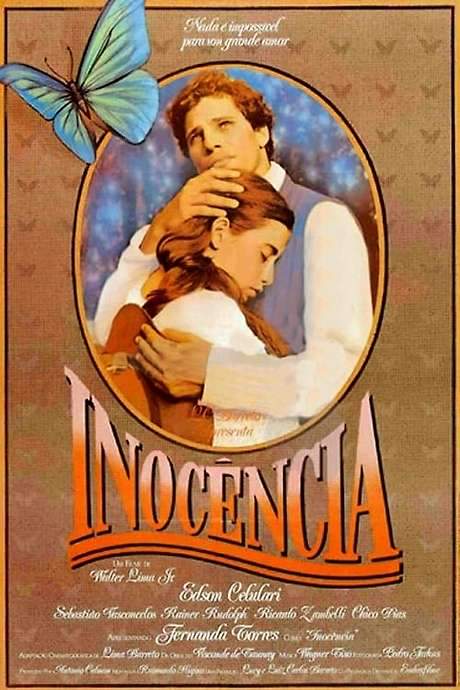
The Holy Innocents (1984) movie poster

Timeline

The Holy Innocents (1984) Timeline Explained – Every Event in Order

Release, runtime and language
1984 · 107 mins · Spanish
Directed by
Mario Camus
Starring
Juan Diego, Liberto Rabal, Alfredo Landa, Ágata Lys, Terele Pávez, Francisco Rabal

Set in rural Spain in the 1960s, the film follows tenant farmers Paco and Régula and their three children—one with a disability while the others must work instead of attending school because their landlord demands their labor. After Régula’s brother, dismissed after 61 years of service, moves in, story exposes feudalism and stagnation of era.

On this page (5)
  1. 1 Events in order (12)
  2. 2 Timeline questions answered
  3. 3 Movie threads
  4. 4 Movies like The Holy Innocents
  5. 5 Every angle

12 events in order · contains spoilers

The Holy Innocents Timeline: Events in Chronological Order

Every key event of The Holy Innocents (1984) in order, scene by scene, with when and where it takes place. Use it to untangle flashbacks, time jumps and parallel storylines, to refresh your memory before the sequel or to find the exact scene you are thinking of.

  1. Cortijo and the rigid class system

    The cortijo is introduced as a microcosm of a rigid social ladder. An absent marchioness symbolizes distant power, while aristocrats, the estate manager, and church officials keep the reins. Workers and dependents live at the bottom, subjected to the whims of those above them.

    Where
    Cortijo
  2. Daily life and subservience

    Daily routines unfold with meticulous detail and deference to superiors. Paco and Régula accept humiliations as dependents, while Nieves and Quirce dream of a different life. Charito's confinement and Azarías' love of birds highlight the family's vulnerability within the hierarchy.

    Where
    Cortijo
  3. Iván's visits: affair and fowling

    Iván begins frequent visits driven by his affair with Pura and his love of hunting. His presence disrupts routines and reinforces the power imbalance as he moves between the big house and the fields. The estate accommodates or ignores his caprices, underscoring who holds influence.

    Where
    Cortijo (Big House and grounds)
  4. Hunting party as a display of domination

    Hunting parties become a stage for control and humiliation. Iván forces Paco to act as a decoy for pigeons, making him climb a tree under Iván's gaze. The scene demonstrates how sport is used to demean those at the bottom of the social ladder.

    When
    During a hunting party
    Where
    Estate hunting grounds
  5. Paco's injury shifts attention

    As Paco's leg injury prevents his participation in the next hunt, Iván turns his gaze toward Azarías to restore his sense of control. The move reveals the cruelty tolerated within the hierarchy and the vulnerability of the estate's dependents. The incident signals a turning point in the dynamics of power.

    When
    After Paco's injury
    Where
    Hunting grounds
  6. Iván's jackdaw incident

    During an unsuccessful hunt, Iván shoots Azarías' pet jackdaw, escalating the tension and proving how volatile the environment has become. The act further destabilizes the already fragile balance between the classes. It foreshadows the consequences that follow.

    When
    During a hunting sequence
    Where
    Hunting grounds
  7. Azarías retaliates

    In a brutal turn, Azarías slips a noose around Iván's neck and hangs him. The act is swift and shocking, flipping the predator-prey dynamic on its head. The scene marks a violent retribution within the caste system.

    When
    Immediately after the jackdaw incident
    Where
    Hunting grounds
  8. Iván's death and asylum

    Iván's death spares him from criminal prosecution due to his infantile mental age, and he is instead committed to an asylum. The verdict underscores the era's limitations on punishment for disabilities. The estate's power structure remains unshaken by the tragedy.

    When
    Following Iván's death
    Where
    Asylum
  9. Nieves and Quirce seek a better life

    In the wake of the violence, Nieves and Quirce grow more determined to escape the cortijo and its confines. Their disillusionment with the estate's rigid order fuels their desire for a different future. The incident amplifies the chasm between aspiration and institutional power.

    When
    After Iván's death
    Where
    Cortijo
  10. The system's ongoing domination

    The tragedy exposes the precariousness of those at the bottom and the complicity of those at the top. The manager Pedro and his wife Pura remain entangled in a web of power and exploitation. The cycle of humiliation continues to define daily life at the cortijo.

    Where
    Cortijo
  11. Affairs and alliances persist

    Iván's affair with Pura and the dynamics it represents persist as a corrupting force within the estate's upper echelons. The relationships among the owners, managers, and workers remain defined by control and demeaning interactions. The environment continues to reproduce social inequities.

    Where
    Cortijo
  12. Franco-era microcosm of power

    Set against 1960s Spain, the cortijo operates as a microcosm of the broader political and social order. Aristocrats, politicians, and church officials regularly visit, reinforcing a system that privileges the few. The workers and dependents endure daily subjugation under this umbrella of authority.

    When
    1960s Spain
    Where
    Cortijo and surrounding regions

Last updated: October 09, 2025 at 14:48

Was this helpful?

Timeline questions answered

The Holy Innocents Timeline Explained: Your Questions Answered

When does it happen, and why in that order? The questions people ask about the chronology of The Holy Innocents (1984): time jumps, flashbacks, cause and effect between scenes and the correct order of events, each answered with spoilers.

Q1

Why does Azarías kill Iván?

Azarías kills Iván in retaliation after Iván shoots his pet jackdaw, the only thing that gives Azarías meaning in his confined life. Throughout the film, Azarías has been marginalized and used as a decoy for hunting because of his mental impairment. When Iván kills the jackdaw, a symbol of Azarías' fragile connection to purpose and beauty, he snaps and slips a noose around Iván's neck, hanging him. The act is both a desperate assertion of dignity and a reversal of the predator-prey dynamic that has defined the estate's power structure.

Foreshadowing: The hunting parties have consistently demonstrated Iván's cruelty and the humiliation inflicted on those at the bottom of the social ladder, building toward this violent breaking point.

  • azarías
  • iván
  • jackdaw
  • revenge
  • killing
  • class violence
Q2

Why is Iván sent to an asylum instead of prison?

Iván is committed to an asylum because he is described as having an infantile mental age, meaning he is not considered legally responsible for his actions. Despite being the heir to the estate and an adult, his mental condition spares him from criminal prosecution. The court instead orders his institutionalization, which underscores the era's limited understanding of and response to mental disability. This outcome also reflects how the justice system protects the upper class, even when they commit acts of cruelty, their privilege shields them from typical consequences.

Foreshadowing: Earlier scenes show Iván behaving in a petulant, childish manner, and the manager Pedro refers to him as having the mental capacity of a child.

  • iván
  • asylum
  • prison
  • mental disability
  • legal consequences
  • class justice
Q3

Why does Iván shoot Azarías' jackdaw?

Iván shoots Azarías' jackdaw during an unsuccessful hunt as an act of petty cruelty. The hunt has failed to produce results, and Iván takes his frustration out on the defenseless bird, a pet that represents Azarías' only source of joy and purpose on the estate. This act demonstrates how those in power exercise dominance not for any practical gain but simply to assert control over those weaker than them. It also reveals Iván's callous disregard for the dignity of the workers, treating their emotional attachments as insignificant.

Foreshadowing: Throughout the film, hunting parties are shown as displays of domination where Iván forces laborers to perform humiliating tasks for his entertainment.

  • iván
  • jackdaw
  • hunting
  • cruelty
  • azarías
  • birds
Q4

How does Paco get injured?

Paco breaks his leg while serving as a decoy during one of Iván's hunting parties. Iván forces Paco to climb a tree to attract pigeons so Iván can shoot them, a task that degrades Paco by treating him as a human decoy rather than a person. During this humiliating exercise, Paco falls from the tree and breaks his leg. The injury leaves him unable to participate in subsequent hunts, which leads Iván to turn his attention to Azarías as a replacement, setting in motion the events that culminate in tragedy.

Foreshadowing: The hunting sequences consistently show Iván demanding servile obedience from the workers, establishing a pattern of degradation that makes Paco's injury foreseeable.

  • paco
  • injury
  • leg
  • hunting
  • decoy
  • ivan
Q5

Why do Nieves and Quirce want to escape the cortijo?

Nieves and Quirce want to escape the cortijo because they see no future in the oppressive class system that traps their family in perpetual servitude. As children of tenant farmers, they are denied education and opportunity, Quirce must serve in the military and Nieves works as a maid in the big house. The daily humiliations, the rigid hierarchy, and the violence culminating in Iván's death open their eyes to the futility of remaining. Their desire represents a generational rejection of the feudal order that has defined rural Spanish life.

Foreshadowing: Early scenes show both Nieves and Quirce displaying restlessness and longing for something beyond the cortijo's boundaries, with Nieves quietly hoping for a different life and Quirce maintaining a cooler, more distant demeanor.

  • nieves
  • quirce
  • escape
  • leave
  • future
  • ambition
  • class mobility
Q6

What is the relationship between Pura and Iván?

Pura, the wife of estate manager Pedro, conducts an affair with Iván, the heir to the estate. This relationship is one of several corrupt dynamics that permeate the cortijo's upper echelons. The affair represents more than personal desire, it also reflects the power imbalance where Iván can pursue relationships with married women on the property without consequence. The relationship continues throughout the film as a corrupting force, demonstrating how the aristocracy exercises control not just over workers but also over the middle classes beneath them.

Foreshadowing: Iván's visits to the cortijo are noted as being driven both by his affair with Pura and his love of hunting, establishing early that his presence disrupts the household.

  • pura
  • ivan
  • affair
  • relationship
  • infidelity
  • power
Q7

Why is Charito confined to a crib?

Charito, the youngest child of Paco and Régula, is severely handicapped and confined to a crib throughout the film. Her confinement symbolizes the vulnerability of those at the bottom of the social hierarchy, she cannot speak, walk, or care for herself, and her disability renders her completely dependent on her family. In the rigid class system of the cortijo, a disabled child represents a burden rather than a person deserving of specialized care. Her presence in the household highlights the family's precarious position and the lack of support or compassion available to them.

Foreshadowing: Charito's condition is introduced early as part of the daily life description, showing how the family copes with her needs while also fulfilling their labor obligations to the estate.

  • charito
  • disabled
  • crib
  • handicap
  • disability
  • family
Q8

Why are Nieves and Quirce forced to work instead of attending school?

Nieves and Quirce are forced to work instead of attending school because the landlord, the absent marchioness, demands their labor as tenants. The estate operates under a feudal system where tenant farmers must provide their children as laborers in exchange for the right to live on and work the land. This arrangement keeps the next generation trapped in the same cycle of servitude their parents experienced. Education would offer a path to escape, but the system deliberately denies it to maintain the labor force and social order.

Foreshadowing: The film establishes from the beginning that the estate operates on a rigid hierarchy where workers have no choice but to comply with the landowners' demands.

  • children
  • work
  • school
  • labor
  • feudalism
  • exploitation
  • education
Q9

How does the class system operate on the cortijo?

The class system on the cortijo functions as a rigid hierarchy with the absent marchioness and aristocrats at the top, followed by the estate manager Pedro and his wife, then the servants and laborers at the bottom. Those at the top treat those below as subhuman, entitled to humiliate them at will. The system is maintained through fear, economic dependency, and the complicity of intermediate classes. Even the middle classes like Pedro and Pura are subject to the aristocrats' whims, as evidenced by Iván's affair with Pura and his ability to disrupt everyone's lives without consequence.

Foreshadowing: The opening scenes introduce the cortijo as a microcosm of social inequality, with the absent marchioness symbolizing distant, uninterested power while the manager and workers struggle under daily humiliations.

  • class system
  • hierarchy
  • aristocrats
  • workers
  • feudalism
  • oppression
  • power
Q10

Why does Iván force Paco to be a decoy for hunting?

Iván forces Paco to act as a human decoy during hunting parties because it amuses him to degrade the workers and assert his dominance. Rather than using traditional decoys, Iván makes Paco climb a tree and attract pigeons with noise so Iván can shoot them. This serves no practical hunting advantage, it exists purely as a demonstration of power, turning a human being into a disposable tool for the aristocrat's entertainment. The scene illustrates how the upper class treats the lower class as less than human, using humiliation as a means of control.

Foreshadowing: Hunting parties have been established as opportunities for Iván to display his authority and enforce the subservience of those around him.

  • hunting
  • decoy
  • paco
  • ivan
  • humiliation
  • domination
  • power play

Movie threads

More Movies Like The Holy Innocents, by Mood & Story

Curated lists built around what makes The Holy Innocents tick: the same mood, the same kind of story or the same emotional payoff. Each list explains why these movies belong together.

Slow burn systemic oppression stories like The Holy Innocents

Stories where crushing social systems slowly extinguish individual hope. For viewers of The Holy Innocents seeking similar films about systemic injustice. This thread collects movies with a bleak tone, slow pacing, and heavy emotional weight, focusing on characters crushed by unchangeable power structures in settings like rural poverty or industrial feudalism.

  • oppressive
  • claustrophobic
  • grim
  • somber
  • desperate
  • heavy
  • Tone: bleak, oppressive
  • Pacing: slow, methodical
Why these movies?

The story pattern: Stories in this thread typically unfold with a deliberate, observational pace, charting the gradual erosion of dignity for characters at the bottom of a social ladder. The narrative conflict is less about a single event and more about the cumulative effect of countless small injustices, often leading to a bleak conclusion that reinforces the system's absolute power.

Why they belong together: These movies are grouped by their shared commitment to portraying the psychological and emotional reality of living under oppression. They share a slow pacing that builds a claustrophobic atmosphere, a consistently bleak tone, and a high emotional intensity derived from the characters' desperate but hopeless struggles.
Bleak family survival dramas like The Holy Innocents

Intimate chronicles of families struggling against overwhelming hardship. If you liked the family dynamics in The Holy Innocents, this thread finds similar movies about families enduring harsh realities. These dramas are often slow-paced and heavy, exploring how familial bonds are tested by poverty, social injustice, and a fight for basic dignity.

  • somber
  • heavy
  • desperate
  • harsh
  • melancholic
  • grim
  • Tone: somber, desperate
  • Pacing: slow, character-driven
Why these movies?

The story pattern: The narrative pattern follows a family, often in a rural or impoverished setting, as they navigate daily survival. The plot is driven by the tension between their internal bonds and the external forces threatening to tear them apart. Character journeys are defined by sacrifice and endurance rather than triumph, culminating in endings that are bittersweet or outright tragic, highlighting the cost of their resilience.

Why they belong together: Movies here are connected by their core focus on the family as both a source of strength and a site of suffering under duress. They share a somber, heavy mood, a deliberate pacing that allows for deep character immersion, and a thematic emphasis on the dynamics of love, duty, and survival in the face of despair.

If you liked this

Movies Like The Holy Innocents

Similar movies to The Holy Innocents: the same genre, themes or kind of story. Each one comes with its own plot summary, timeline and ending explained.

Browse all movie summaries

Every angle

The Holy Innocents (1984) Explained: Plot, Timeline & Characters

Everything about The Holy Innocents in one place: what happens in the plot summary, the timeline in chronological order, the characters and meaning and a spoiler-free summary. What's After the Movie adds the cast, box office and post-credit scenes.

Coming soon on iOS and Android

The Plot Explained Movie Summary App

Plot summaries, endings explained and timelines on your phone. Catch up on any movie in minutes, save your favorites and never miss a twist again.

Be the first to know when we launch. Your email stays private, always.

Learn more about the app