Plot Explained Spoilers guaranteed!
Plot Explained

Browse by genre

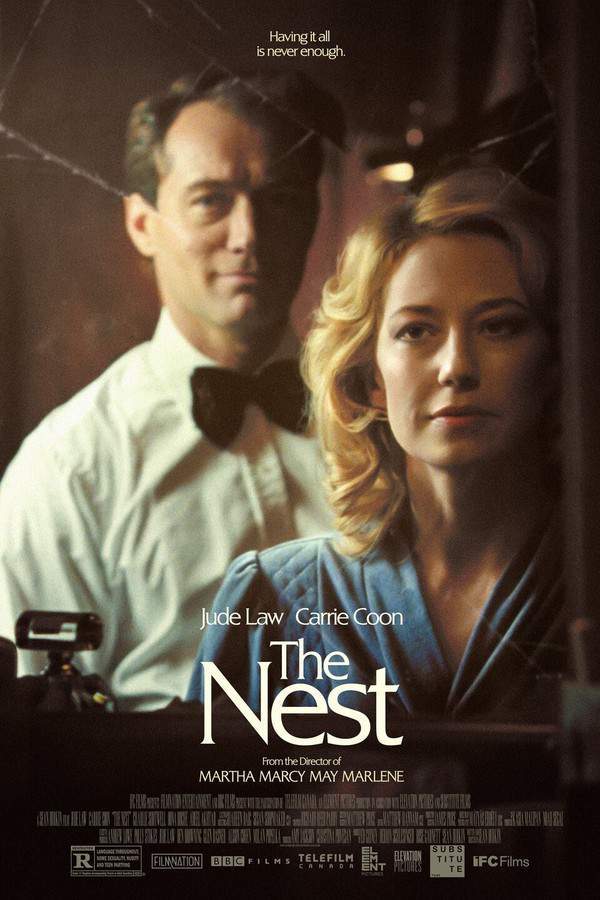
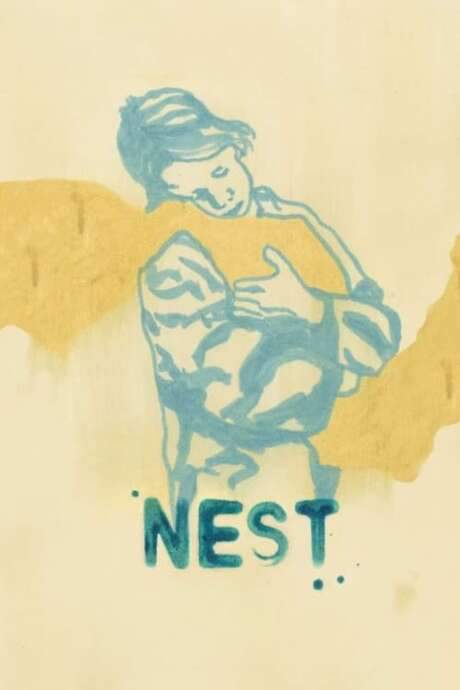
The Nest (1980) movie poster

Plot Summary

The Nest (1980) Plot Summary Explained

Release, runtime and language
1980 · 97 mins · Spanish
Directed by
Jaime de Armiñán
Starring
Ana Torrent, Héctor Alterio, Amparo Baró, Agustín González, Ovidi Montllor, María Luisa Ponte

In a small town near Salamanca, 60‑year‑old Alejandro, a wealthy widower who spends his days playing music, chess and tending his shotgun, becomes fascinated by Gregoria – “Goyita” – a precocious 13‑year‑old budding naturalist, the daughter of a timid policeman and his domineering wife. Despite village gossip, Alejandro takes Goyita on walks, horseback rides and dinners, feeling revived for the first time. As Goyita’s expectations grow, he must confront his own morals and the intensely charged yet platonic bond forming between them.

On this page (5)
  1. 1 What happens: full plot
  2. 2 Plot questions answered
  3. 3 Movie threads
  4. 4 Movies like The Nest
  5. 5 Every angle

Full plot summary · contains spoilers

What Happens in The Nest: Full Plot Summary

The whole story of The Nest (1980) explained, from the opening scene to the final frame: every key event, every twist and what it all adds up to. Read it as a quick recap before the sequel, to check a scene you missed, or to finally understand what really happened.

In the small island town of North Port, the morning begins with an unsettling disruption for Sheriff Richard Tarbell: his home is invaded by a swarm of cockroaches. The day quickly takes a personal turn when he heads to the airport to reunite with Elizabeth Johnson, the daughter of town mayor Elias Johnson and his former flame, returning after a four-year absence to celebrate the mayor’s birthday. As Richard wrestles with unresolved history and professional duty, the town confronts a series of eerie disturbances that hint at something far more dangerous than ordinary pests. Books in the local library emerge with their bindings damaged, and the town’s dogs are found dead in gruesome, bloody carcasses, setting a grim tone for what lies ahead.

Dr. Morgan Hubbard arrives to study the dog fatalities, bringing a measured scientific curiosity to a situation that already feels beyond comprehension. She sets a trap involving a live cat to gauge the roaches’ predatory instincts, and the insects respond with brutal efficiency by devouring the trapped animal. While Hubbard observes the cockroaches’ behavior, Elizabeth spends time at a diner owned by Richard’s current girlfriend, Lillian, watching the town’s ordinary rhythms clash with an extraordinary threat. Homer, the local pest-control technician, struggles to quell the infestation within the restaurant, highlighting how pervasive and stubborn the outbreak has become.

As Hubbard examines the cockroaches, she notes their ability to reproduce asexually, and a bite from the insects wounds her hand, underscoring the danger she faces in her pursuit of the truth. She attempts to suppress the outbreak with rotenone, but the insects persist, and the pharmacological solution she relies on would only be lethal to humans if pushed to a fatal threshold. Elias, wary of panic, urges evacuation, yet Hubbard argues against retreat, trusting in a measured approach to contain the threat. Richard, meanwhile, presents a troubling clue to Homer: a handful of small objects recovered from a dog carcass, later identified as droppings from Periplaneta cockroaches, a startling hint about the insects’ intimate, unsettling biology. Richard’s secretary, Millie, also reveals a hidden layer to Hubbard’s past, noting that she once worked in genetics at MIT and may have engaged in illegal experiments, adding ethical complexities to the scientific inquiry.

Elizabeth, driven by a need to uncover the roots of the crisis, ventures into a cave where she discovers equipment belonging to INTEC, a corporation that Elias has brokered deals with to develop the island. Her adventure turns perilous when she is chased by flesh-eating cockroaches and must rely on Richard and Hubbard to confront Elias and the truth behind their alliances. After these discoveries, Elias demands that Richard abandon the investigation, and Richard ultimately resigns as sheriff. The crisis intensifies as several townspeople are killed by the advancing roaches, including a diner employee named Church, Homer’s friend Jake, and the librarian Mrs. Pennington, each death escalating the sense of an unstoppable catastrophe.

In a tense moment, Elias calls INTEC’s representative Mr. Hauser, threatening to reveal sensitive information to national media unless action is taken against the roaches. Hauser agrees to deploy a deadly insecticide at 5 a.m., but Elias adds a chilling stipulation: if residents cannot evacuate, they must signal not to spray by turning on the lighthouse beam. Hubbard’s research reveals a new hurdle: the surviving cockroach eggs, which had escaped rotenone, have hatched and become immune to the poison, foreshadowing a harder fight ahead.

Richard’s investigation takes a personal turn when he discovers Millie and Lillian dead. The situation spirals further when Homer accidentally blows up his own house while attempting to eradicate the infestation. Richard and Homer confront Hubbard, who explains a shocking truth: INTEC engineered a species of cockroaches designed to prey on other roaches and die off after a generation. Yet those engineered roaches survived and multiplied, bypassing the intended ecological check. To prevent INTEC from spraying the island and to stop the eggs from becoming immune, Richard and Homer decide to turn the lighthouse beam on, aiming to disrupt the company’s plan by cutting off their timing.

The confrontation reaches a dramatic peak as Elias and Elizabeth are attacked by cockroaches in Elias’s home, including a bizarre cat-cockroach hybrid that Homer destroys with a decisive strike. The revelation deepens: cockroaches can genetically mutate into hybrids based on the prey they consume, a terrifying capability that explains the bizarre mutations plaguing the island. Elias is killed by the roaches and reappears as a human-cockroach hybrid, a grotesque return that Elizabeth ends with a shotgun blast. With Elias dead, Elizabeth, Hubbard, and Richard race toward the cave to locate the nest, while Homer heads for the lighthouse to implement the crucial signal.

Inside the cave, Hubbard is ultimately slain by a queen cockroach-human hybrid, and Elizabeth and Richard detonate an explosive device, incinerating the roaches that throng the nest. Homer succeeds in activating the lighthouse beam, a timing-based gambit that prevents INTEC from spraying the island and amplifying the roaches’ immunity. The plan seems to have worked, at least temporarily, as the immediate threat is curtailed and the island’s people begin to breathe a cautious relief.

Yet the end remains unsettled: a single cockroach survives the inferno, a stark reminder that the cycle of terror could begin anew. The narrative closes on this ominous note, emphasizing the fragility of human attempts to exert control over a nature that has proven itself capable of rapid, ruthless adaptation.

In the balance of science, corporate ambition, and human resilience, the story leaves viewers with a lingering question about whether ingenuity can outpace the uncanny adaptability of a creature that can mutate, reproduce, and endure in the most unlikely of circumstances. The island’s fate—once again shaped by the choices of a few—serves as a cautionary tale about the cost of unchecked experimentation and the thin line between oversight and catastrophe.

Last updated: October 09, 2025 at 14:59

Was this helpful?

Plot questions answered

The Nest Plot Explained: Your Questions Answered

The questions people ask most about The Nest (1980): what happens in the confusing scenes, why the characters do what they do, the twists, hidden details and what the ending means. Each answer contains spoilers.

Q1

Why did INTEC create the mutant cockroaches?

INTEC engineered a species of cockroaches designed to prey on other roaches and die off after a single generation. The company intended this as a biological pest control solution, but the engineered roaches survived and multiplied beyond their intended lifespan, bypassing the ecological check that was supposed to limit their population.

  • INTEC
  • cockroaches
  • genetic engineering
  • experiments
  • pest control
Q2

How did the cockroaches become hybrid creatures?

The cockroaches developed the ability to genetically mutate into hybrids based on the prey they consumed. When they fed on animals and humans, they absorbed genetic material that allowed them to transform into bizarre combinations, including a cat-cockroach hybrid and eventually human-cockroach hybrids like the queen and Elias himself.

  • hybrids
  • mutation
  • genetics
  • cockroaches
  • prey
  • evolution
Q3

Why did Mayor Elias Johnson collaborate with INTEC?

Elias Johnson had brokered deals with INTEC to develop the island, likely for financial gain and economic development. His partnership with the corporation was secretive, and he attempted to cover up the connection even as the crisis unfolded, eventually using his leverage to demand INTEC take action against the outbreak.

  • Elias Johnson
  • INTEC
  • mayor
  • corporation
  • development
  • cover-up
Q4

What was Dr. Morgan Hubbard's connection to INTEC?

Dr. Morgan Hubbard previously worked in genetics at MIT and may have engaged in illegal experiments. She was hired to study the outbreak, but her hidden past with INTEC's genetic research created an ethical conflict during her investigation.

Foreshadowing: Millie reveals Hubbard's MIT genetics background early in the investigation.

  • Morgan Hubbard
  • MIT
  • genetics
  • INTEC
  • experiments
  • secret past
Q5

Why didn't rotenone eliminate the cockroach infestation?

Hubbard discovered that the rotenone could only kill the cockroaches at a dosage that would also be lethal to humans. Additionally, the cockroach eggs survived the rotenone treatment and hatched into offspring that were immune to the poison, rendering the chemical solution ineffective.

  • rotenone
  • poison
  • eggs
  • immunity
  • cockroaches
  • hubbard
Q6

Why did Richard Tarbell resign as sheriff?

Richard resigned after confronting Elias and Hubbard about the INTEC connection and discovering the mayor's complicity in the crisis. His resignation was driven by frustration and inability to continue working within a system that concealed dangerous corporate experiments.

  • Richard Tarbell
  • resign
  • sheriff
  • investigation
  • elias
Q7

What was the lighthouse beacon signal for?

INTEC planned to spray a deadly insecticide at 5 a.m. to eradicate the roaches. If residents couldn't evacuate, they were supposed to turn on the lighthouse beam to signal that spraying should be halted. Richard and Homer used this signal to prevent INTEC from spraying, as the insecticide would have killed surviving humans and potentially accelerated the roaches' immunity evolution.

  • lighthouse
  • spray
  • insecticide
  • signal
  • evacuation
  • INTEC
Q8

How did Elias Johnson become a cockroach hybrid?

During a confrontation in his home, Elias was attacked and killed by the cockroaches. He then reappeared as a human-cockroach hybrid, a result of the roaches' ability to mutate by absorbing genetic material from their prey. Elizabeth ultimately killed him with a shotgun blast.

  • Elias Johnson
  • hybrid
  • death
  • cockroach
  • transformation
Q9

Why did a single cockroach survive the cave explosion?

Despite Elizabeth and Richard detonating an explosive device that incinerated the main nest, one cockroach survived the inferno. This underscores the film's theme that nature's adaptability makes complete eradication nearly impossible, and the cycle of terror could begin anew.

Foreshadowing: Hubbard warned that the eggs had become immune to rotenone, establishing the roaches' resilience.

  • survival
  • nest
  • explosion
  • cockroach
  • ending
  • cycle
Q10

Who killed Dr. Morgan Hubbard?

Dr. Morgan Hubbard was killed by a queen cockroach-human hybrid inside the cave while Elizabeth and Richard attempted to destroy the nest. Her death occurred during the final assault when the trio divided their efforts to stop the infestation.

  • Morgan Hubbard
  • death
  • queen hybrid
  • cave
  • nest
Q11

Why did Elias threaten to expose INTEC to the media?

When INTEC's response to the crisis seemed inadequate, Elias called Mr. Hauser and threatened to reveal sensitive information to national media unless they took decisive action against the roaches. This was a calculated move to protect his own political future and shift blame onto the corporation.

  • Elias
  • INTEC
  • media
  • threat
  • exposure
  • corporate
Q12

What caused the dogs to die in North Port?

The dogs were killed and found in gruesome, bloody carcasses by the mutated cockroaches. Richard discovered droppings from Periplaneta cockroaches on the dog remains, indicating the insects had developed predatory behavior and were attacking larger prey.

Foreshadowing: Hubbard's trap with a live cat revealed the roaches' predatory nature when they devoured the animal.

  • dogs
  • deaths
  • cockroaches
  • predatory
  • North Port
  • carcasses

Movie threads

More Movies Like The Nest, by Mood & Story

Curated lists built around what makes The Nest tick: the same mood, the same kind of story or the same emotional payoff. Each list explains why these movies belong together.

Movies with unconventional friendships like The Nest

Intense, morally complex relationships that defy social expectations and age gaps. If you were captivated by the complex relationship in The Nest, explore other movies like it that feature intense, platonic bonds across generations. These similar drama stories delve into morally ambiguous connections that challenge small-town conventions and explore deep emotional needs.

  • tense
  • melancholic
  • character-driven
  • thought-provoking
  • morally complex
  • claustrophobic
  • Tone: dark, emotionally charged
  • Pacing: steady, character driven
Why these movies?

The story pattern: These narratives typically unfold as an isolated, often older individual forms a profound connection with a younger person, offering them guidance or escape. The relationship becomes a source of renewal for one and a catalyst for premature growth in the other, inevitably drawing outside scrutiny. The central conflict arises from the collision of this private bond with public morality, leading to a crisis that tests the characters' integrity and the sustainability of their unique world.

Why they belong together: Movies are grouped here for their shared focus on the emotional dynamics of non-romantic, cross-generational relationships. They share a tone of profound melancholy and tension, a steady, character-driven pacing, and a heavy emotional weight stemming from the exploration of loneliness, societal pressure, and the bittersweet nature of connection.

Claustrophobic small-town dramas like The Nest

Stories where a tight-knit community breeds tension, suspicion, and dark revelations. Discover more movies like The Nest that capture the tense, oppressive atmosphere of small-town life. These similar drama stories explore how close-knit communities breed gossip, judgment, and a sense of inescapable dread when characters defy social norms.

  • claustrophobic
  • anxious
  • ominous
  • gloomy
  • paranoid
  • oppressive
  • Tone: dark, tense, ominous
  • Pacing: steady, building dread
Why these movies?

The story pattern: The narrative pattern involves an outsider or a transgressive act within a seemingly peaceful community. The setting itself acts as an antagonist, with social pressure and watchful eyes creating a cage for the characters. The story builds as a secret is nurtured, leading to an escalation of tension that culminates in a public crisis or a private moral collapse, often leaving a stain on the community's facade.

Why they belong together: These movies are united by their use of a small-town setting to generate a specific mood of claustrophobia and anxiety. They share a dark or tense tone, a deliberate pacing that allows unease to build, and a moderate to high intensity derived from the psychological pressure of social judgment and the threat of exposure.

If you liked this

Movies Like The Nest

Similar movies to The Nest: the same genre, themes or kind of story. Each one comes with its own plot summary, timeline and ending explained.

Browse all movie summaries

Every angle

The Nest (1980) Explained: Plot, Timeline & Characters

Everything about The Nest in one place: what happens in the plot summary, the timeline in chronological order, the characters and meaning and a spoiler-free summary. What's After the Movie adds the cast, box office and post-credit scenes.

Coming soon on iOS and Android

The Plot Explained Movie Summary App

Plot summaries, endings explained and timelines on your phone. Catch up on any movie in minutes, save your favorites and never miss a twist again.

Be the first to know when we launch. Your email stays private, always.

Learn more about the app