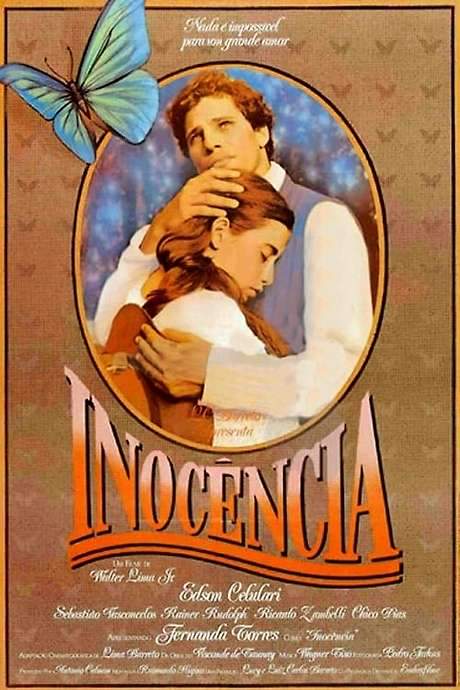
The Holy Innocents

The Holy Innocents

Year: 1984

Runtime: 107 mins

Language: Spanish

Director: Mario Camus

Drama

Set in rural Spain in the 1960s, the film follows tenant farmers Paco and Régula and their three children—one with a disability while the others must work instead of attending school because their landlord demands their labor. After Régula’s brother, dismissed after 61 years of service, moves in, story exposes feudalism and stagnation of era.

Warning: spoilers below!

Haven’t seen The Holy Innocents yet? This summary contains major spoilers. Bookmark the page, watch the movie, and come back for the full breakdown. If you're ready, scroll on and relive the story!

Timeline & Setting – The Holy Innocents (1984)

Explore the full timeline and setting of The Holy Innocents (1984). Follow every major event in chronological order and see how the environment shapes the story, characters, and dramatic tension.

Time period

1960s, Francoist Spain

The story unfolds in mid-20th-century rural Spain under Francoist rule, where aristocratic privilege and church-state authority shape behavior. The estate's visitors—aristocrats, politicians and clergy—keep the system in place. Laborers and servants live under a rigid, sanctioned hierarchy.

Location

cortijo (rural estate) in Spain

Set on a large rural estate, the cortijo is the center of life for a hierarchy that divides owners, managers and workers. An absent marchioness and visiting elites symbolize entrenched privilege. Daily routines enforce subservience and humiliations as the social order rules every relation.

🏰 Aristocracy 🏡 Rural estate 👥 Power dynamics

Last Updated: October 04, 2025 at 13:03

Main Characters – The Holy Innocents (1984)

Meet the key characters of The Holy Innocents (1984), with detailed profiles, motivations, and roles in the plot. Understand their emotional journeys and what they reveal about the film’s deeper themes.

Señorito Iván (Juan Diego)

Aristocratic son who returns to the estate to pursue an affair with Doña Pura and to wield power through hunting and intimidation. He treats laborers as subordinates and provokes others. Azarías hangs him; Iván dies, and the case avoids legal punishment due to Azarías's mental condition; he is committed to an asylum.

👔 Privilege 🗝️ Abuse of power

Paco, El Bajo

A laborer and husband of Régula who endures the estate's humiliations. He is forced onto a decoy tree during a hunting exercise, breaks his leg, and bears the vulnerability of the caste system. He and Régula accept their dependent status as the others humiliate them.

🛠️ Laborer 🏷️ Humiliation

Régula

Régula is Paco's wife; she shares the family’s vulnerability and resentment. She senses the possibility of a better life alongside Nieves and Quirce, while enduring the estate’s cruelty and expectations.

👩 Resilience 🪶 Hope

Doña Pura

Wife of the estate manager Don Pedro; a bored middle-class figure who engages in an affair with Iván and participates in the estate's social circle. She embodies the moral compromises and privileges of the cortijo system.

💍 Infidelity 👑 Privilege

Azarías

Régula's mentally handicapped brother, recently sacked from another estate; he loves birds. He drops a noose around Iván's neck in a moment of retribution, leading to Iván's death; his infantile mental age spares him from legal punishment and he is committed to an asylum.

🕊️ Difference ⚖️ Retribution

Quirce

Doing his military service, Quirce briefly replaces Paco; his aloof demeanor vexes Iván, who is used to the servitude of the estate. He represents a younger generation's potential for detachment from the system.

🎖️ Duty 🧭 Dissent

Don Pedro

Estate manager who enforces the hierarchy and maintains the system that keeps the cortijo in balance. He embodies practical authority and the role of the ruling bureaucracy on the ground.

🏢 Authority 🗝️ Control

Nieves

A maid who serves in the big house; she is aware of the injustice around her and harbors hope for a better life. She and Quirce symbolize the possibility of change from within the lower ranks.

👩‍🍳 Hope 🧭 Aspiration

Last Updated: October 04, 2025 at 13:03

Major Themes – The Holy Innocents (1984)

Explore the central themes of The Holy Innocents (1984), from psychological, social, and emotional dimensions to philosophical messages. Understand what the film is really saying beneath the surface.

🏛️ Power & Hierarchy

An oppressive social ladder runs through the cortijo, separating owners, managers and laborers. Privilege justifies subordination, public humiliation and control over people's lives. The film shows how power, backed by law and the Church, sustains cruelty and dehumanization. Protagonists like Nieves and Quirce resist, though change is difficult.

💔 Oppression

Laborers and women bear daily humiliations under a ruling class that valorizes owners. Paco and Régula endure subservience while Iván's cruelty exposes how privilege becomes brutality. Azarías's violent act reveals the fragile margins of resistance in a marginalized community.

🌅 Hope & Resistance

Nieves and Quirce symbolize the possibility of a life beyond the cortijo and its rules. They imagine dignity and a different future, challenging the social order even as threats loom. The film suggests that small acts of aspiration and defiance can spark change, though outcomes remain uncertain.

Last Updated: October 04, 2025 at 13:03

Mobile App Preview

Coming soon on iOS and Android

The Plot Explained Mobile App

From blockbusters to hidden gems — dive into movie stories anytime, anywhere. Save your favorites, discover plots faster, and never miss a twist again.

Sign up to be the first to know when we launch. Your email stays private — always.

Explore Movie Threads

Discover curated groups of movies connected by mood, themes, and story style. Browse collections built around emotion, atmosphere, and narrative focus to easily find films that match what you feel like watching right now.

Slow burn systemic oppression stories like The Holy Innocents

Stories where crushing social systems slowly extinguish individual hope.For viewers of The Holy Innocents seeking similar films about systemic injustice. This thread collects movies with a bleak tone, slow pacing, and heavy emotional weight, focusing on characters crushed by unchangeable power structures in settings like rural poverty or industrial feudalism.

oppressiveclaustrophobicgrimsomberdesperateheavymelancholic

Narrative Summary

Stories in this thread typically unfold with a deliberate, observational pace, charting the gradual erosion of dignity for characters at the bottom of a social ladder. The narrative conflict is less about a single event and more about the cumulative effect of countless small injustices, often leading to a bleak conclusion that reinforces the system's absolute power.

Why These Movies?

These movies are grouped by their shared commitment to portraying the psychological and emotional reality of living under oppression. They share a slow pacing that builds a claustrophobic atmosphere, a consistently bleak tone, and a high emotional intensity derived from the characters' desperate but hopeless struggles.

Bleak family survival dramas like The Holy Innocents

Intimate chronicles of families struggling against overwhelming hardship.If you liked the family dynamics in The Holy Innocents, this thread finds similar movies about families enduring harsh realities. These dramas are often slow-paced and heavy, exploring how familial bonds are tested by poverty, social injustice, and a fight for basic dignity.

somberheavydesperateharshmelancholicgrimfamily bonds

Narrative Summary

The narrative pattern follows a family, often in a rural or impoverished setting, as they navigate daily survival. The plot is driven by the tension between their internal bonds and the external forces threatening to tear them apart. Character journeys are defined by sacrifice and endurance rather than triumph, culminating in endings that are bittersweet or outright tragic, highlighting the cost of their resilience.

Why These Movies?

Movies here are connected by their core focus on the family as both a source of strength and a site of suffering under duress. They share a somber, heavy mood, a deliberate pacing that allows for deep character immersion, and a thematic emphasis on the dynamics of love, duty, and survival in the face of despair.

Unlock the Full Story of The Holy Innocents

Don't stop at just watching — explore The Holy Innocents in full detail. From the complete plot summary and scene-by-scene timeline to character breakdowns, thematic analysis, and a deep dive into the ending — every page helps you truly understand what The Holy Innocents is all about. Plus, discover what's next after the movie.

The Holy Innocents Summary

Read a complete plot summary of The Holy Innocents, including all key story points, character arcs, and turning points. This in-depth recap is ideal for understanding the narrative structure or reviewing what happened in the movie.

The Holy Innocents Summary

The Holy Innocents Timeline

Track the full timeline of The Holy Innocents with every major event arranged chronologically. Perfect for decoding non-linear storytelling, flashbacks, or parallel narratives with a clear scene-by-scene breakdown.

The Holy Innocents Timeline

The Holy Innocents Spoiler-Free Summary

Get a quick, spoiler-free overview of The Holy Innocents that covers the main plot points and key details without revealing any major twists or spoilers. Perfect for those who want to know what to expect before diving in.

The Holy Innocents Spoiler-Free Summary

More About The Holy Innocents

Visit What's After the Movie to explore more about The Holy Innocents: box office results, cast and crew info, production details, post-credit scenes, and external links — all in one place for movie fans and researchers.

More About The Holy Innocents

Similar Movies to The Holy Innocents

Discover movies like The Holy Innocents that share similar genres, themes, and storytelling elements. Whether you’re drawn to the atmosphere, character arcs, or plot structure, these curated recommendations will help you explore more films you’ll love.