






Plot Explained Spoilers guaranteed!
Plot Explained

Browse by genre

The Glass House (1972) movie poster

Timeline

The Glass House (1972) Timeline Explained – Every Event in Order

Release, runtime and language
1972 · 90 mins · English
JustWatch #6,107 86
Directed by
Tom Gries
Starring
Billy Dee Williams, Clu Gulager, Luke Askew, Alan Alda, Alan Vint, Roy Jenson

Adapted from Truman Capote’s story that inspired In Cold Blood, the film opens a view into prison life, a micro‑cosm mirroring the outside world. As the narrative unfolds, a system appears, with accommodation, honesty, cynicism, violence and societal forces. It follows three new inmates, documenting grim, terrifying and fascinating events they face.

On this page (6)
  1. 1 Where to watch
  2. 2 Events in order (12)
  3. 3 Timeline questions answered
  4. 4 Movie threads
  5. 5 Movies like The Glass House
  6. 6 Every angle

Where to watch

Where to Watch The Glass House (1972)

Where can you watch The Glass House? Stream, rent or buy it in the US, including on Tubi TV, Amazon Video and Apple TV Store: current JustWatch availability with up-to-date prices.

Streaming availability powered by JustWatch

12 events in order · contains spoilers

The Glass House Timeline: Events in Chronological Order

Every key event of The Glass House (1972) in order, scene by scene, with when and where it takes place. Use it to untangle flashbacks, time jumps and parallel storylines, to refresh your memory before the sequel or to find the exact scene you are thinking of.

  1. Paige's conviction and imprisonment

    During an argument, Professor Jonathon Paige accidentally kills a man. He is convicted of manslaughter and sentenced to prison, beginning his time behind bars.

    Where
    Courtroom and prison
  2. Paige and Allan enter prison; Courtland begins as guard

    Paige and young marijuana dealer Allan Campbell are processed and enter the prison on the same day. On that same day, veteran Brian Courtland begins his new role as a prison guard, unaware of the corruption that will unfold.

    Where
    Prison
  3. Prison gangs control the facility; corruption exposed

    The new inmates quickly realize the prison is controlled by powerful gangs. At the same time, the new guard uncovers deep corruption among the guards and the warden. The atmosphere grows tense as power and fear spread through the facility.

    Where
    Prison
  4. Courtland notices guard and warden corruption

    Courtland becomes aware of corruption among the guards and the warden. He begins to question the integrity of the prison's leadership. The seed of resistance starts to grow within him.

    Where
    Prison
  5. Paige works in the prison pharmacy; Slocum pressures him

    Paige is hired to work in the prison pharmacy, placing him at the center of the illicit drug trade. Hugo Slocum pressures Paige to run drugs for his gang, threatening consequences if he refuses. Paige weighs the risk of crossing powerful inmates.

    Where
    Prison
  6. Paige resists; Lennox gains respect

    Paige refuses Slocum's demands and stands up to the gang’s pressure. Lennox, a prisoner with a reformist outlook, notices Paige's stance and begins to respect his resolve. Their exchange hints at a potential alliance within the system.

    Where
    Prison
  7. Allan Campbell is raped and commits suicide

    Allan Campbell is subjected to a gang-rape after refusing Slocum’s advances, illustrating the brutal power of the gang. In the aftermath, Allan takes his own life by jumping from a high tier. The incident underscores the collapse of safety within the prison.

    Where
    Prison
  8. Sinclair provides a book of corruption records

    Sinclair, pressured by Slocum to help run drugs, hands Paige a book detailing corrupt transactions between Slocum and the guards. The publication of these records would expose systemic corruption. Paige considers using the information to challenge the system.

    Where
    Prison
  9. Sinclair is attacked; book goes missing; chase ensues

    Sinclair is shanked on the yard, and the crucial book disappears from his cell. Slocum and his gang begin to chase Paige as chaos erupts during the riot alarm. Paige fights to survive as the prison descends into turmoil.

    Where
    Prison yard
  10. Paige shoots Slocum; escapes via guard booth

    During the riot, Paige uses a homemade weapon provided by Lennox to shoot Slocum. He then makes a frantic escape through an empty guard booth, slipping into the outside world as alarms blare. The power dynamics inside the prison shift in an instant.

    Where
    Prison
  11. Paige encounters Courtland outside; Courtland shoots him

    Outside the prison, Paige is confronted by Courtland, who shoots him by surprise. The confrontation ends with Paige gravely wounded and fate hanging in the balance. Courtland's actions send ripples through both the prison system and the exposure of corruption.

    Where
    Outside prison
  12. Courtland confronts the warden with the book; resigns

    Courtland finds the book on Paige’s body and refuses to surrender it to a corrupt guard. He informs the warden of his findings and submits the book as evidence, but the warden denies knowledge and urges him to sign an official version that the incident was a race riot. Courtland refuses to bow to the cover-up and quits his job.

    Where
    Outside prison

Last updated: October 09, 2025 at 09:32

Was this helpful?

Timeline questions answered

The Glass House Timeline Explained: Your Questions Answered

When does it happen, and why in that order? The questions people ask about the chronology of The Glass House (1972): time jumps, flashbacks, cause and effect between scenes and the correct order of events, each answered with spoilers.

Q1

Why does Courtland shoot Paige outside the prison?

Courtland encounters Paige immediately after his escape from the prison. In a sudden, shocking confrontation, Courtland shoots Paige. The exact motivation is ambiguous, Courtland may have believed Paige was a threat escaping custody, or he may have been acting to prevent Paige from further disrupting the corrupt system. Regardless, the shooting appears impulsive rather than pre-meditated, adding to the film's brutal randomness.

  • courtland
  • paige
  • shooting
  • escape
  • confrontation
Q2

Why does Allan Campbell kill himself in The Glass House?

Allan Campbell is brutally gang-raped after refusing Hugo Slocum's sexual advances. The trauma of this assault proves overwhelming for the young inmate. Unable to cope with the violence and humiliation, he chooses to end his life by leaping from a high tier of the prison. His suicide underscores the brutal power dynamics and complete absence of safety within the facility.

  • allan campbell
  • suicide
  • rape
  • trauma
  • slocum
Q3

Why does Paige refuse to run drugs for Hugo Slocum?

When Hugo Slocum pressures Paige to use his position in the prison pharmacy to run drugs for the gang, Paige refuses. This decision is risky because Slocum wields significant power within the prison. However, Paige's refusal earns the respect of Lennox, a reformist prisoner who believes change is possible from within the system. The refusal sets Paige on a collision course with Slocum and ultimately leads to the violent events that follow.

Foreshadowing: Paige's earlier assignment to the pharmacy positions him as a target for gang coercion.

  • paige
  • slocum
  • drugs
  • pharmacy
  • refusal
  • lennox
Q4

What is the book that Sinclair gives to Paige?

Sinclair gives Paige a ledger that documents corrupt transactions between Hugo Slocum's gang and the prison guards. The book contains evidence of the entire network of bribery and misconduct operating within the facility. If published, it would expose the systemic corruption linking inmates, guards, and the warden. This makes the book incredibly valuable, and dangerous, for everyone involved.

  • book
  • corruption
  • ledger
  • sinclair
  • exposure
  • evidence
Q5

Why does Lennox help Paige during the riot?

Lennox is a prisoner with a reformist mindset who believes real change can happen from within the corrupt system. He respects Paige for refusing to cooperate with Slocum's drug operation. During the chaos of the riot, Lennox secretly provides Paige with a homemade weapon to defend himself. This weapon allows Paige to shoot Slocum and escape through the guard booth. Lennox's help is rooted in his belief that Paige represents a potential ally in exposing the corruption.

Foreshadowing: Lennox's respect for Paige is established when Paige stands up to Slocum earlier in the film.

  • lennox
  • weapon
  • escape
  • riot
  • help
  • alliance
Q6

Why does Courtland quit his job at the end?

After finding the corruption book on Paige's body, Courtland refuses to surrender it to a corrupt guard demanding its return. He reports his findings to the warden and submits the book as evidence. However, the warden denies any knowledge of the document and pressures Courtland to sign an official report calling the incident a race riot, essentially a cover-up. Faced with a choice between complicity and truth, Courtland refuses to participate in the cover-up and walks away from his position, quitting his job.

Foreshadowing: Courtland's awareness of corruption earlier in the film builds toward this moral breaking point.

  • courtland
  • quit
  • resign
  • warden
  • cover-up
  • corruption
  • evidence
Q7

How does Paige escape from the prison?

During the riot alarm, most inmates retreat to their cells. Slocum remains and hunts Paige through the corridors. Paige defends himself with a homemade weapon that Lennox secretly provided. After shooting Slocum, Paige escapes by slipping through the now-empty guard booth, exiting into the outside world while alarms blare. His escape is frantic and desperate, representing a brief break from the system's grip.

  • paige
  • escape
  • riot
  • weapon
  • slocum
  • guard booth
Q8

What happens to Sinclair after he gives Paige the book?

Sinclair is shanked on the prison yard shortly after handing the book to Paige. The attack is ordered by Slocum, who wants to eliminate anyone connected to the corruption records. After Sinclair is killed, the book disappears from his cell, presumably taken by Slocum's gang. This eliminates one of the key characters who knew about the evidence and leaves Paige as the sole person possession of the dangerous information.

Foreshadowing: Sinclair's pressure from Slocum to help run drugs sets up his fate.

  • sinclair
  • shanked
  • killed
  • book
  • yard
  • slocum
Q9

Why does the warden deny the corruption book?

The warden operates within a web of corruption that pervades every corner of the facility. When Courtland presents the book as evidence of corrupt transactions between Slocum and the guards, the warden denies any knowledge of the document. This is calculated self-protection, acknowledging the book would expose the warden's own involvement in the corruption network. Instead, he pressures Courtland to sign an official version labeling the incident as a race riot, attempting to bury the truth and maintain the system.

  • warden
  • corruption
  • cover-up
  • deny
  • book
  • race riot
Q10

Why is Paige killed at the end of The Glass House?

Paige is shot by Courtland immediately after escaping the prison. The film offers no clear explanation for why Courtland chooses to shoot rather than help or arrest Paige. This random act of violence fits the film's bleak tone, where the outside world offers no salvation, only more brutality. Paige's death underscores the film's central theme that the corrupt system destroys anyone who attempts to challenge it, whether from inside or outside the walls.

  • paige
  • death
  • killed
  • courtland
  • ending
  • bleak

Movie threads

More Movies Like The Glass House, by Mood & Story

Curated lists built around what makes The Glass House tick: the same mood, the same kind of story or the same emotional payoff. Each list explains why these movies belong together.

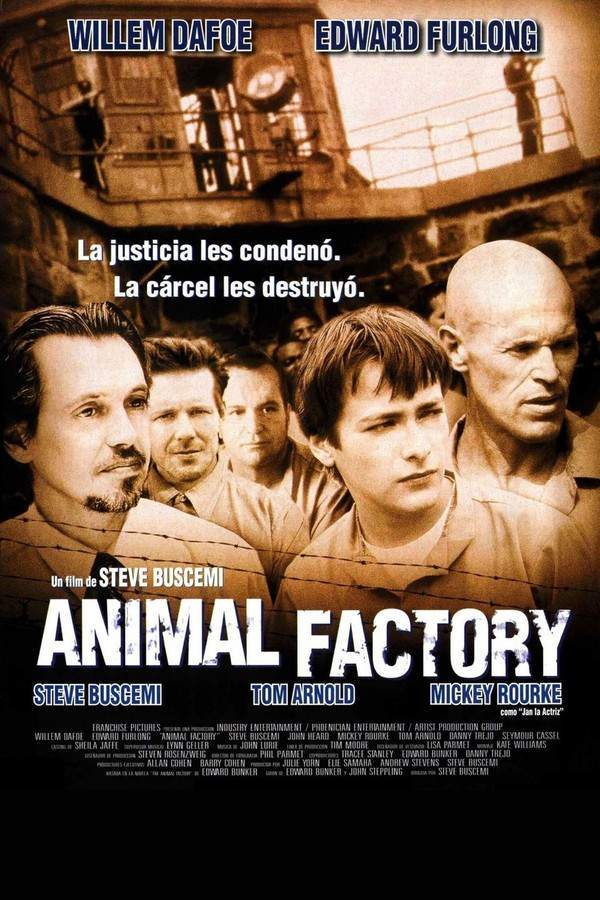
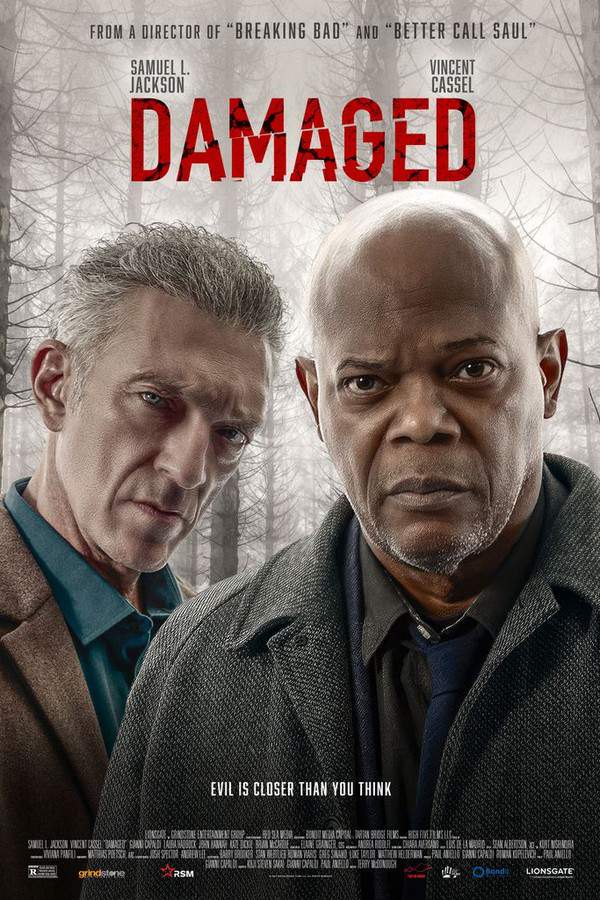
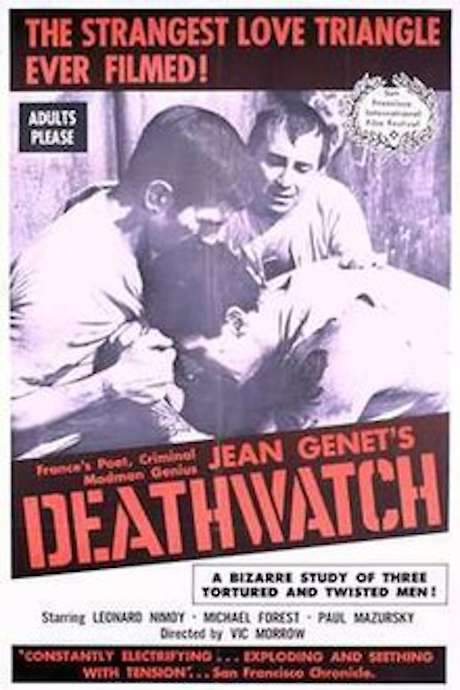
Gritty Prison Dramas like The Glass House

Intense, unflinching looks at life within brutal correctional institutions. If you were captivated by the raw portrayal of prison life in The Glass House, explore these films that offer similar deep dives into the brutal realities and moral complexities of the correctional system. Find movies with the same oppressive atmosphere and intense focus on survival and institutional failure.

  • oppressive
  • grim
  • claustrophobic
  • violent
  • desperate
  • hopeless
  • Tone: dark, bleak, cynical
  • Pacing: steady, deliberate
Why these movies?

The story pattern: Stories in this thread typically follow new inmates or outsiders as they are plunged into the rigid, violent hierarchy of a prison. The narrative charts their struggle to adapt, the loss of innocence, and the constant threat of violence, often culminating in a tragic or cynical outcome that reaffirms the system's power.

Why they belong together: These films are grouped by their shared setting and thematic focus on institutional corruption, survival, and the psychological toll of incarceration. They deliver a consistent experience of high tension, dark tone, and heavy emotional weight, making them compelling for viewers interested in stark social realism.


Bleak Stories of Systemic Failure like The Glass House

Stories where individuals are destroyed by the corrupt institutions they inhabit. If the theme of a corrupt, inescapable system crushing its inhabitants in The Glass House resonated with you, this collection highlights similar movies. Discover films where ideals are shattered by institutional power, leading to bleak endings and a profound sense of hopelessness.

  • cynical
  • hopeless
  • corrupt
  • grim
  • desperate
  • oppressive
  • Tone: dark, hopeless, cynical
  • Pacing: steady, methodical
Why these movies?

The story pattern: The narrative pattern involves a protagonist, often naive or idealistic, entering a flawed system with hopes of change or simple survival. The system itself is the main antagonist, methodically breaking down the character through violence, coercion, or bureaucracy, resulting in their moral compromise, destruction, or assimilation, with the system remaining unchallenged.

Why they belong together: These movies are united by their central theme of institutional failure as an overwhelming force. They share a dark, cynical tone, a steady pace that builds dread, and a bleak emotional conclusion. The experience is defined by a heavy mood of futility and the crushing weight of systemic power.

If you liked this

Movies Like The Glass House

Similar movies to The Glass House: the same genre, themes or kind of story. Each one comes with its own plot summary, timeline and ending explained.

Browse all movie summaries

Every angle

The Glass House (1972) Explained: Plot, Timeline & Characters

Everything about The Glass House in one place: what happens in the plot summary, the timeline in chronological order, the characters and meaning and a spoiler-free summary. What's After the Movie adds the cast, box office and post-credit scenes.

Coming soon on iOS and Android

The Plot Explained Movie Summary App

Plot summaries, endings explained and timelines on your phone. Catch up on any movie in minutes, save your favorites and never miss a twist again.

Be the first to know when we launch. Your email stays private, always.

Learn more about the app