
The Forest of Love: Deep Cut
Year: 1000
Runtime: 278 mins
Language: Japanese
Director: Sion Sono
Fate is harsh. Nothing’s as it seems when a charismatic conman and an aspiring film crew delve into the lives of two emotionally scarred women.
Warning: spoilers below!
Haven’t seen The Forest of Love: Deep Cut yet? This summary contains major spoilers. Bookmark the page, watch the movie, and come back for the full breakdown. If you're ready, scroll on and relive the story!
Timeline – The Forest of Love: Deep Cut (1000)
Trace every key event in The Forest of Love: Deep Cut (1000) with our detailed, chronological timeline. Perfect for unpacking nonlinear stories, spotting hidden connections, and understanding how each scene builds toward the film’s climax. Whether you're revisiting or decoding for the first time, this timeline gives you the full picture.
Last updated: November 29, 2025 at 00:47
The Forest of Love: Deep Cut (1000) Timeline Questions Answered – Chronology FAQ
Find frequently asked questions about the The Forest of Love: Deep Cut (1000) timeline, including chronological order, nonlinear jumps, cause-and-effect links, and scene sequence clarifications. This timeline FAQ helps explain when key events happen, how moments connect, and why the story unfolds in that specific order.
Why does Mitsuko agree to be killed in the forest?
Mitsuko agrees to die because she reveals she deliberately didn't take the sleep medication on the roof years earlier, she had hoped Taeko would die. She knew Murata was a con artist and Shin was a serial killer, but she wanted them to eliminate her sister Ami, her parents, and Taeko. Having witnessed the brutal murder of her parents and the dismemberment of the relative, she sees death as her only escape from guilt and trauma.
Earlier, Mitsuko chose not to jump from the roof after seeing a vision of Eiko, showing her complicated relationship with survival.
Who is the real serial killer in The Forest of Love?
Shin is revealed as the serial killer. Throughout the film, he is portrayed as a quiet, seemingly inexperienced young man who is a virgin. During the climax in the forest, after shooting Ami and Mitsuko, Shin hands the gun to Murata and orders him to kill Ami. When Murata hesitates, Shin shoots Ami himself and openly admits he is the serial killer whose crimes were reported on the news at the beginning of the film.
The film opens with a TV reporting on a serial killer while Murata sits in the restaurant, and Shin is introduced as a virgin who struggles with women, details that gain new meaning in hindsight.
Why does Shin actually kill Jay during the filming scene?
Shin kills Jay because Murata coaches Mitsuko in a scene where she is supposed to strangle Jay. During the take, the stranglehold becomes real, and Jay dies. It's unclear whether Shin planned this or if the lines between acting and reality completely blurred, but the murder happens on camera, and Murata persuades the others to dispose of Jay's body by dumping it in a lake.
Jay's stated goal of making films about criminal behavior within legal bounds foreshadows how his project becomes a vehicle for real crime.
Why didn't Mitsuko take the sleep medication on the school roof?
Mitsuko didn't take the sleep medication because she saw a vision of Eiko, her dead classmate who played Romeo in their high school production. While the other five girls took the pills and stood on the roof edge, Mitsuko chose not to join them. This decision haunts her throughout the film, she admits in the forest that she had hoped Taeko would die, revealing deep survivor's guilt and resentment.
The flashback shows Mitsuko as Juliet and Eiko as Romeo, establishing their emotional connection that enables the vision.
What happens to Taeko after she tries to escape from the boat?
Taeko attempts to escape from a boat but is killed by an unseen gunman while in transit. Her death occurs abruptly, cutting short her thread of the plan. This happens after Jay's murder and the disposal of his body, and before the group returns to Mitsuko's home for the final violent escalation.
Taeko's vow to become a "slut" if she survived the roof incident and her scar tattoo represent her survival philosophy, making her death even more tragic.
What is the meaning of Taeko's Romeo tattoo?
After surviving the roof incident where five girls died, Taeko landed on a parked car and was left with a limp and a scar. She later tattooed the word "Romeo" over her scar as a permanent reminder of that traumatic night. The tattoo connects directly to the high school production of Romeo and Juliet, where Eiko played Romeo and died in a car accident before the play could be completed, it symbolizes Taeko's vow to embrace her sexuality and survival.
The flashback shows Taeko in the Romeo and Juliet production, establishing the significance of the Romeo character to her identity.
Does Murata actually have any money?
Murata has no real money. Despite claiming wealth and arriving in a sports car, he manipulates everyone through the pretense of funding their film project. The film company is a sham, and when a relative finally discovers the truth and demands repayment, the financial illusion collapses. Murata's promises of wealth never materialize, and he uses the fictional funding as leverage to control his victims.
Murata's opening scene establishes him as a conman who manipulates through charm and false promises.
Why does Mitsuko cut herself with a yen note?
Mitsuko cuts herself with a yen note in response to Murata's psychological manipulation. After Murata seduces her, her sister Ami, and Taeko, driving Mitsuko toward self-harm, she uses a yen note to cut herself. This act represents her attempt to regain some sense of control over her body and trauma, as Murata has left her with burns and scars, physical manifestations of his abuse.
Murata's phone call about the fifty yen debt he supposedly owes her establishes the recurring monetary motif in their relationship.
Why does Ami enjoy watching Mitsuko's parents being tortured?
Ami appears to enjoy the torture of Mitsuko's parents because she has become complicit in Murata's manipulations and has been sexually involved with him. Her enjoyment suggests a complete moral break, she has been corrupted by the toxic environment and may resent her sister or feel empowered by witnessing someone else's suffering. This disturbing behavior foreshadows her later actions, including sabotaging Mitsuko's escape attempt.
Murata seduces Ami along with Mitsuko and Taeko, pulling her deeper into his web of control.
What happens to Mitsuko and Ami after the dress shopping scene?
After Mitsuko and Ami go dress shopping for the final scene, Ami sabotages Mitsuko's escape attempt. In the process, Ami is electrocuted, and Mitsuko suffers a miscarriage and is hospitalized. This event occurs as the relative discovers the film company is a sham and arrives demanding money, marking a turning point where the group's situation becomes irreparably violent.
Murata, Shin, and Ami had declared "tomorrow will be Mitsuko's death scene," establishing their intent to kill her.
What happens to Mitsuko's parents in the film?
Mitsuko's father hangs himself in the house, while her mother and the relative lie on the floor with a bloody knife nearby when Murata and Shin return. Later, Ami returns home to find Murata and Shin have dismembered the relative. At her mother's request, Ami decapitates her father and ends her mother's life, making Ami directly complicit in her parents' deaths.
Murata uses Mitsuko's involvement in Jay's death to blackmail her parents, torturing them on camera to force them to fund the film.
Why does Shin run into the forest after Eiko at the end?
Shin pursues a woman who resembles Eiko into the forest at the very end. Since Shin is revealed as the serial killer, this pursuit suggests he is hunting her, continuing his pattern of targeting women. The woman resembles Eiko, the classmate who died in the car accident during high school, adding a symbolic layer to the final scene.
Eiko appeared to Mitsuko as a vision on the roof, and Murata escapes with a woman who looks like Eiko, making her a recurring symbol.
Why does Fukami quit the film project?
Fukami quits after it becomes clear Murata has no real money and the film company's funding is entirely fraudulent. Despite Murata's promises of wealth, the sham funding collapses, and Fukami is the first to leave. The remaining members, Jay, Shin, Taeko, and Mitsuko, continue under Murata's orchestration, leading to the film's violent climax.
Earlier, Jay articulates his dream of making movies about criminal behavior legally, which becomes impossible as reality intrudes.
What happens to Murata at the end of the film?
Murata escapes during the struggle in the forest after Shin reveals himself as the serial killer. He hails a car driven by a woman who resembles Eiko, his former victim from high school. When he asks where she's going, she answers "I'm going to hell," suggesting she may be another victim or accomplice. Murata's fate remains ambiguous, he escapes while Shin continues his killing spree.
The film opens with Murata in a restaurant, and Eiko died in the car accident during high school, connecting past to present.

Explore Movie Threads
Discover curated groups of movies connected by mood, themes, and story style. Browse collections built around emotion, atmosphere, and narrative focus to easily find films that match what you feel like watching right now.
Movies about deceptive filmmaking like The Forest of Love: Deep Cut
Stories where the process of creating art becomes a brutal tool for manipulation. If you were fascinated by the manipulative film-within-a-film structure of The Forest of Love: Deep Cut, explore these movies where the act of creation is a con. These films often feature cynical directors, unreliable narrators, and stories where art imitates life in the most destructive ways.
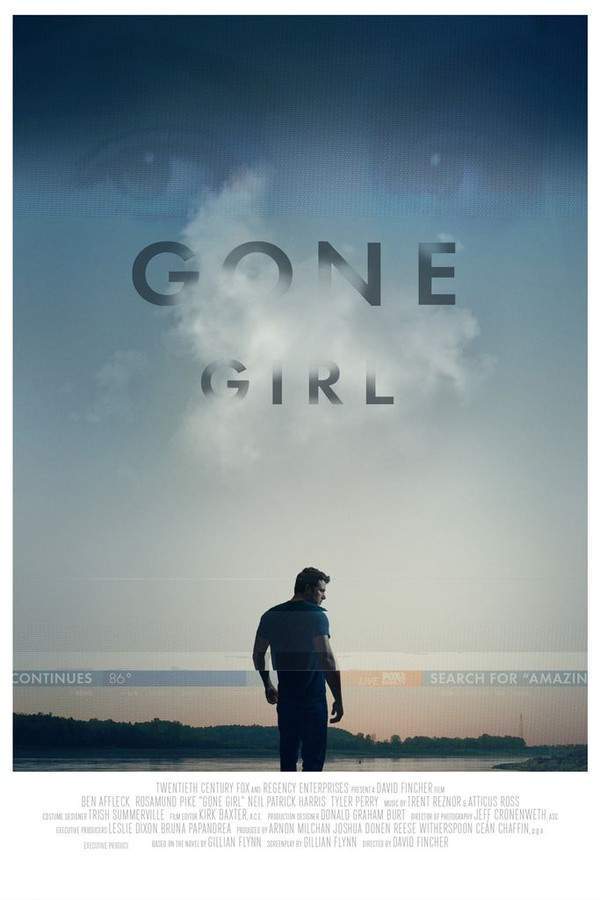
Gone Girl
2014

The Motive
2018
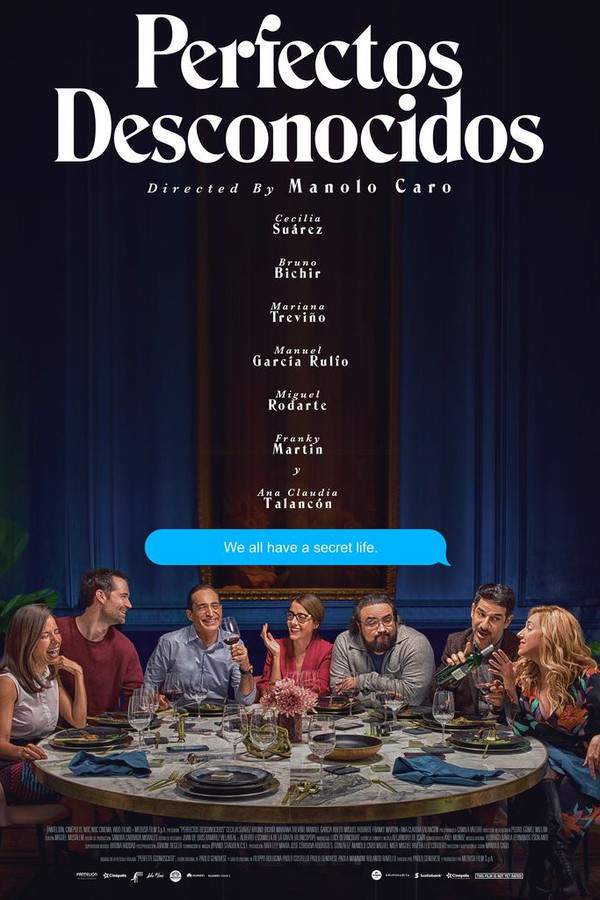
Perfect Strangers (Perfectos Desconocidos)
2019
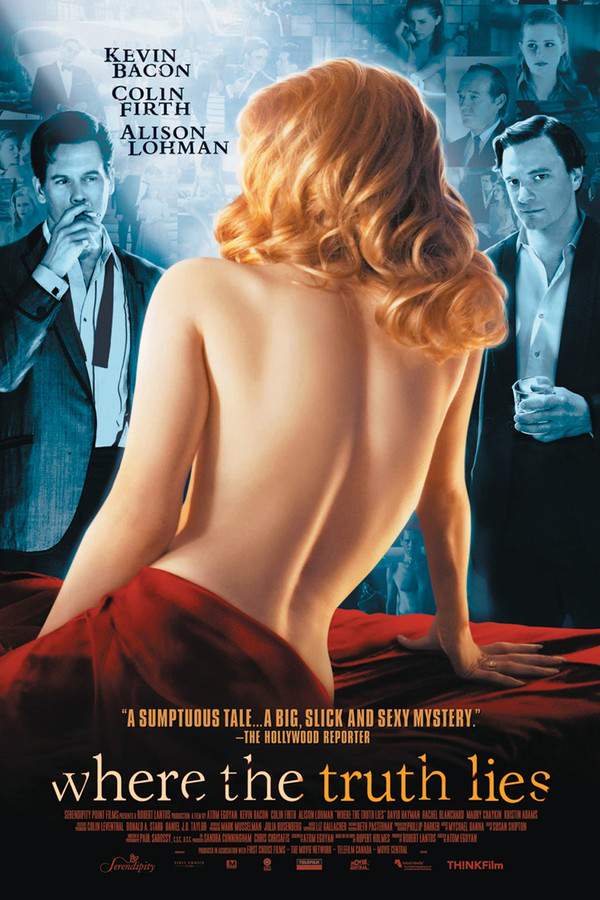
Where the Truth Lies
2005
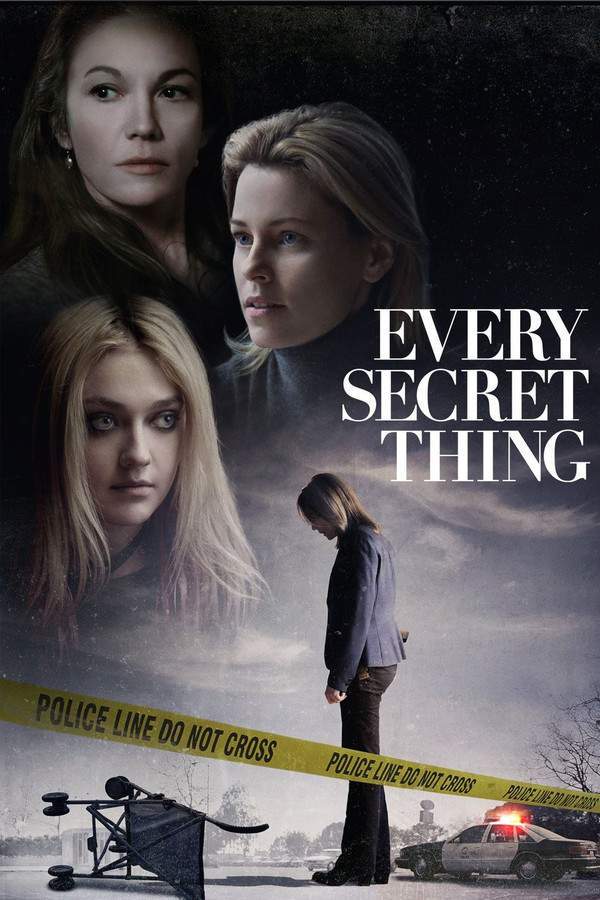
Every Secret Thing
2015
The Good Liar
2019
Dot the I
2005
Wild Things
1998
Perfect Stranger
2007
Deathtrap
1982

Missing 2
2017

The Forest of Love
2019
Entangled
1993

False Face
1977

Genealogies of a Crime
1997
Narrative Summary
Narratives often revolve around a charismatic but malevolent creator figure who draws others into a project. The story unfolds through a layered structure, revealing that the 'art' being made is either a cover for darker intentions or an engine that accelerates the characters' self-destruction. The climax typically reveals the horrifying truth behind the fabrication.
Why These Movies?
These films are grouped by their shared thematic focus on the corruption of artistic expression. They share a cynical view of creation, use meta-narrative techniques, and deliver a profound sense of unease about who controls the story and to what end.
Movies about charismatic manipulators like The Forest of Love: Deep Cut
A chilling look at how a charming individual systematically destroys a group. If you were captivated and horrified by the conman Joe in The Forest of Love: Deep Cut, discover other films about charismatic predators. These stories explore the dynamics of toxic relationships, psychological exploitation, and the devastating impact one person can have on a vulnerable group.
Passion
2013
Eye of the Beholder
2000
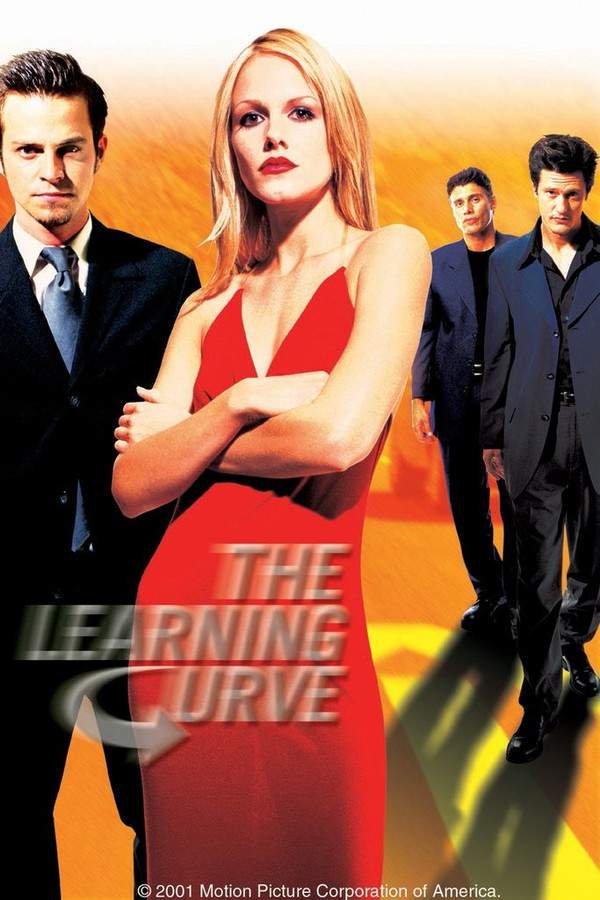
The Learning Curve
2001
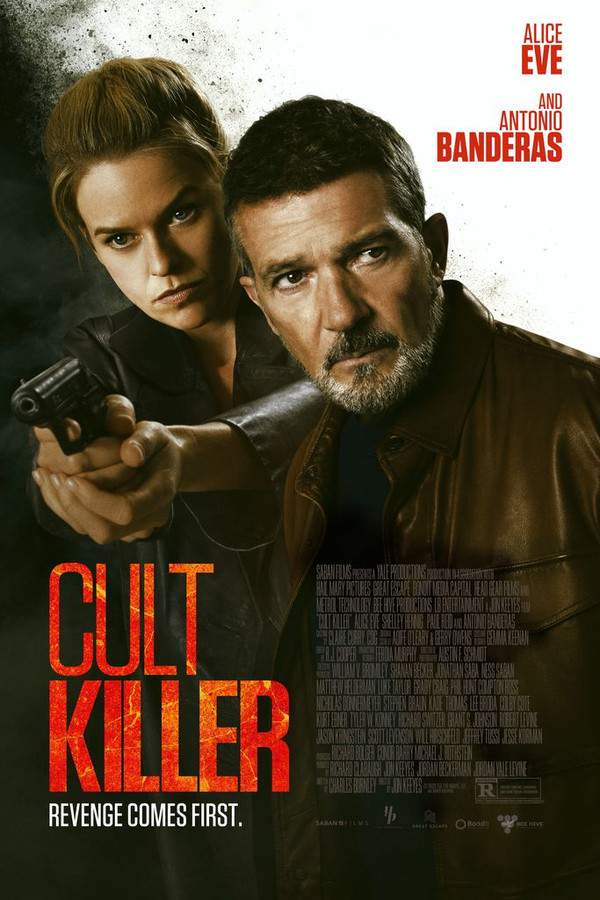
Cult Killer
2024

Sexy Evil Genius
2013

The Devil You Know
2013

Cruel Intentions
2016

Palm Trees and Power Lines
2018

Dangerous to Know
2020

Cast a Dark Shadow
1955

Guilty as Sin
1993

Charisma
1999

Dark Harbor
1998

Poison Ivy: The New Seduction
1997
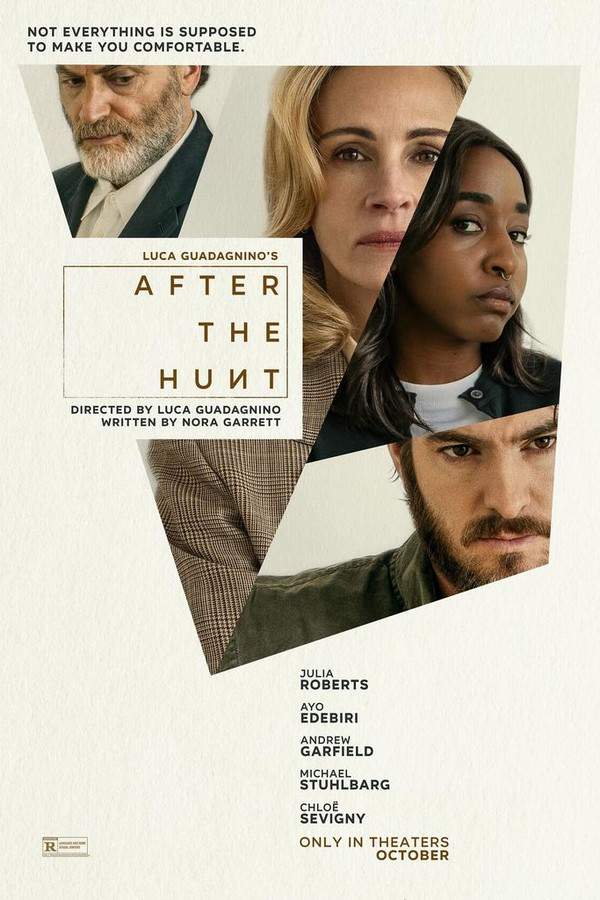
After the Hunt
2025
Narrative Summary
The narrative follows a predator who identifies and isolates their targets, often exploiting past trauma. The story builds as the manipulator gains control, pitting characters against each other and bending their realities. The journey is one of escalating control and cruelty, typically ending in tragedy for the victims.
Why These Movies?
These films are united by their central character archetype—the charming predator—and the intense, heavy emotional journey of their victims. They share a high-intensity, oppressive mood and explore themes of trauma, trust, and the darkness lurking behind a friendly facade.
Unlock the Full Story of The Forest of Love: Deep Cut
Don't stop at just watching - explore The Forest of Love: Deep Cut in full detail. From the complete plot summary and scene-by-scene timeline to character breakdowns, thematic analysis, and a deep dive into the ending - every page helps you truly understand what The Forest of Love: Deep Cut is all about. Plus, discover what's next after the movie.
The Forest of Love: Deep Cut Summary
Read a complete plot summary of The Forest of Love: Deep Cut, including all key story points, character arcs, and turning points. This in-depth recap is ideal for understanding the narrative structure or reviewing what happened in the movie.

Characters, Settings & Themes in The Forest of Love: Deep Cut
Discover the characters, locations, and core themes that shape The Forest of Love: Deep Cut. Get insights into symbolic elements, setting significance, and deeper narrative meaning - ideal for thematic analysis and movie breakdowns.


Similar Movies to The Forest of Love: Deep Cut
Discover movies like The Forest of Love: Deep Cut that share similar genres, themes, and storytelling elements. Whether you’re drawn to the atmosphere, character arcs, or plot structure, these curated recommendations will help you explore more films you’ll love.
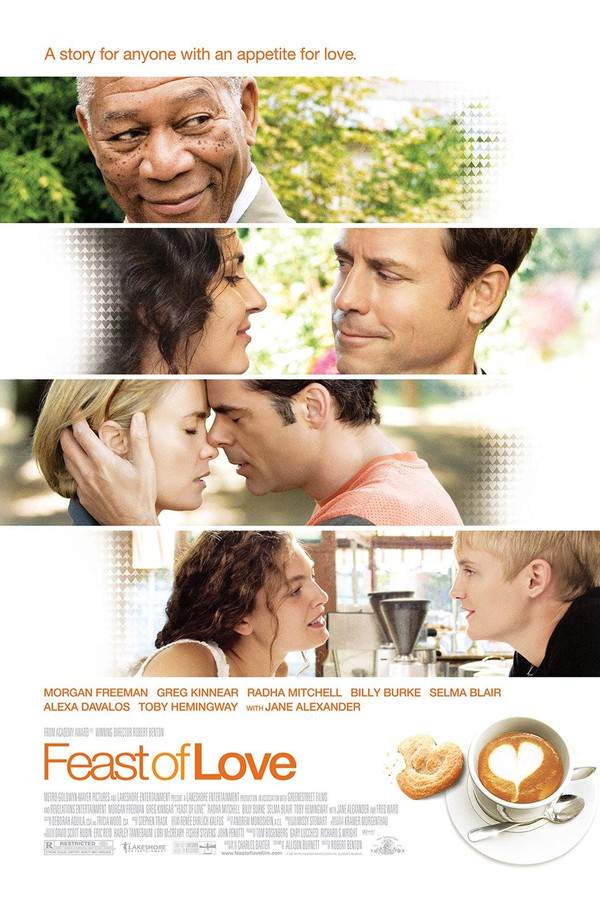
Feast of Love
2007
The Forest of Love
2019

Forest of the Damned
2005

Hidden Love
2007

No Love
1991
Lovecut
2020

The Woods
1000

Dark Heart of the Forest
2021

Virgin Forest
2022

Free Love
1974

Naked Temptation
1966

The Heart Is a Dark Forest
2007

Lovers Are Wet
1973

Love Camp
1977

True Love and Chaos
1997
Explore More About Movie The Forest of Love: Deep Cut
The Forest of Love: Deep Cut (1000) Plot Summary & Movie Recap
The Forest of Love: Deep Cut (1000) Scene-by-Scene Movie Timeline
The Forest of Love: Deep Cut (1000) Spoiler-Free Summary & Key Flow
Movies Like The Forest of Love: Deep Cut – Similar Titles You’ll Enjoy
Feast of Love (2007) Movie Recap & Themes
The Forest of Love (2019) Full Summary & Key Details
Forest of the Damned (2005) Full Summary & Key Details
Hidden Love (2007) Ending Explained & Film Insights
No Love (1991) Spoiler-Packed Plot Recap
Lovecut (2020) Full Movie Breakdown
The Woods (1000) Ending Explained & Film Insights
Dark Heart of the Forest (2021) Plot Summary & Ending Explained
Virgin Forest (2022) Full Movie Breakdown
Free Love (1974) Ending Explained & Film Insights
Naked Temptation (1966) Film Overview & Timeline
The Heart Is a Dark Forest (2007) Movie Recap & Themes
Lovers Are Wet (1973) Spoiler-Packed Plot Recap
Love Camp (1977) Ending Explained & Film Insights
True Love and Chaos (1997) Story Summary & Characters