
The Forest of Love: Deep Cut
Year: 1000
Runtime: 278 mins
Language: Japanese
Director: Sion Sono
Fate is harsh. Nothing’s as it seems when a charismatic conman and an aspiring film crew delve into the lives of two emotionally scarred women.
Warning: spoilers below!
Haven’t seen The Forest of Love: Deep Cut yet? This summary contains major spoilers. Bookmark the page, watch the movie, and come back for the full breakdown. If you're ready, scroll on and relive the story!
Timeline & Setting – The Forest of Love: Deep Cut (1000)
Explore the full timeline and setting of The Forest of Love: Deep Cut (1000). Follow every major event in chronological order and see how the environment shapes the story, characters, and dramatic tension.
Last updated: November 29, 2025 at 00:43
Main Characters – The Forest of Love: Deep Cut (1000)
Meet the key characters of The Forest of Love: Deep Cut (1000), with detailed profiles, motivations, and roles in the plot. Understand their emotional journeys and what they reveal about the film’s deeper themes.
Last updated: November 29, 2025 at 00:43
Major Themes – The Forest of Love: Deep Cut (1000)
Explore the central themes of The Forest of Love: Deep Cut (1000), from psychological, social, and emotional dimensions to philosophical messages. Understand what the film is really saying beneath the surface.
Last updated: November 29, 2025 at 00:43
The Forest of Love: Deep Cut (1000) Character & Theme Questions Answered – Info FAQ
Browse frequently asked questions about The Forest of Love: Deep Cut (1000) focused on characters, relationships, themes, symbols, setting, and story context. This movie info FAQ gives spoiler-aware explanations for character arcs, world details, and thematic interpretation so readers can better understand what the film is really about.
Where is the movie set?
The story unfolds across several locations in contemporary Japan, including a smoky restaurant, a vacant warehouse used for staging film scenes, a park where manipulations occur, a lakeside country house for confrontations, and a forest where the final act reveals the true toll of the crimes. These varied settings reflect the shift from performance to real violence.
What time period does the movie cover?
The present-day events take place in early 2000s Japan, with flashbacks to the late 1990s high school years. The epilogue references real-life criminal cases, noting that those responsible were caught in 2002.
What are the main themes explored in the movie?
The film explores three interconnected themes: Cruelty & Voyeurism, examining how cruelty is manufactured, performed, and observed; Power & Control, showing how manipulation and wealth corrupt relationships; and Performance vs Reality, a meta-commentary on cinema where the filmmaking process bleeds into real violence until fiction and fact become indistinguishable.
Who is Shigeru Ozawa in the movie?
Shigeru Ozawa, played by Denden, is a charismatic yet calculating con artist who orchestrates elaborate schemes and toys with people's lives. He uses charm, wealth, and manipulation to draw victims into staged scenarios that fuel his perverse amusement, driving the film's descent into violence and moral corruption.
Who is Joe Murata in the movie?
Joe Murata, played by Kippei Shiina, is a wealthy con artist who preys on emotionally vulnerable people like Mitsuko. He creates fabricated crimes for his own pleasure, watching as his schemes unfold while using others as pawns to satisfy his revelry in cruelty.
Who is Shin in the movie?
Shin, played by Shin'nosuke Mitsushima, appears as a quiet and ominous figure who manipulates events throughout the story. He ultimately reveals himself as the serial killer, embodying cold calculation and driving the fatal turn of the narrative.
Who is Mitsuko Ozawa?
Mitsuko Ozawa, played by Eri Kamataki, is a traumatized young woman who becomes drawn deeper into Murata's web of manipulation. She becomes pregnant and witnesses escalating cruelty, wrestling with guilt, fear, and survival throughout the story.
What does the cruelty and voyeurism theme mean in the movie?
The film examines how cruelty is manufactured, performed, and observed. Murata's manipulations reveal the seductive pull of watching others suffer, while the film crew's recording becomes a commentary on society's appetite for sensational crime. Characters blur the lines between actor and audience as violence becomes commodified.
What does the power and control theme explore?
Power is exercised through wealth, deception, and manipulation in this story. Murata uses others as pawns to sustain his control, while the film crew seeks fame or money through the project. The narrative probes how power corrupts relationships and erodes moral boundaries.
Who is Jay in the movie?
Jay, played by Young Dais, is an aspiring filmmaker with a fascination for criminal psychology who wants to make a movie about lawbreaking. He blurs ethics and ambition as he becomes part of the project and its dangerous real-world consequences, exemplifying the Performance vs Reality theme.
What does the performance vs reality theme mean?
The story operates as a meta-commentary on cinema and crime, where the filmmaking process bleeds into real violence. Characters shift between roles, filmmaker, victim, and killer, until fiction and fact become indistinguishable. The film critiques sensational storytelling and the ethics of documenting crime.
Who are the main victims in the story?
The main victims include Mitsuko Ozawa, who is preyed upon by Murata and becomes pregnant during the ordeal; her mother Azumi Ozawa, subjected to Murata's coercive tactics; and Taeko, a classmate marked by scars from a brutal high school tragedy who becomes a victim later in the narrative.
What kind of movie is it - genre and tone?
The Forest of Love: Deep Cut is a dark crime drama with psychological horror elements. The tone is unambiguously bleak, exploring the darkest aspects of human nature with relentless psychological manipulation, graphic violence including dismemberment, murder, and suicide. There is virtually no humor or redemption, with tension and sadness dominating the experience.

Explore Movie Threads
Discover curated groups of movies connected by mood, themes, and story style. Browse collections built around emotion, atmosphere, and narrative focus to easily find films that match what you feel like watching right now.
Movies about deceptive filmmaking like The Forest of Love: Deep Cut
Stories where the process of creating art becomes a brutal tool for manipulation. If you were fascinated by the manipulative film-within-a-film structure of The Forest of Love: Deep Cut, explore these movies where the act of creation is a con. These films often feature cynical directors, unreliable narrators, and stories where art imitates life in the most destructive ways.
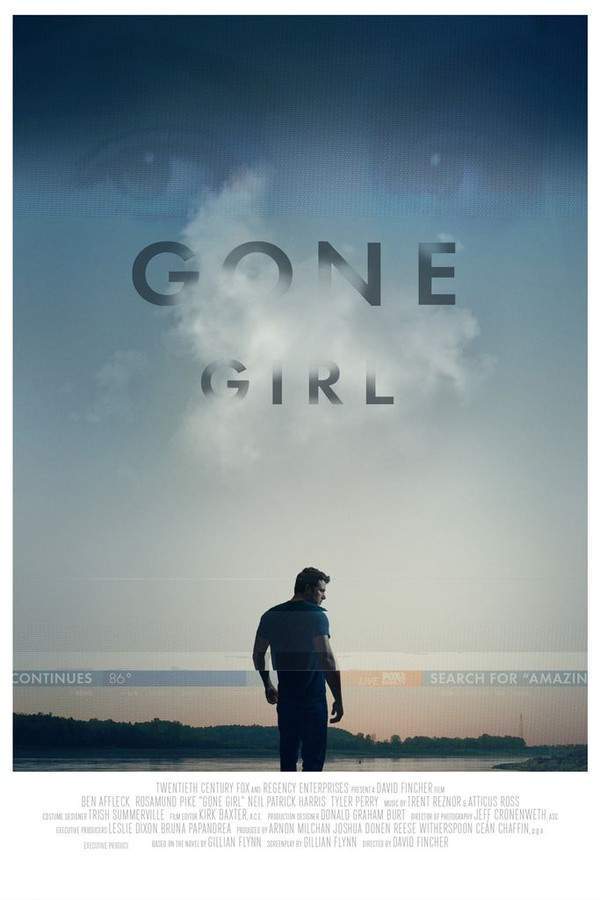
Gone Girl
2014

The Motive
2018
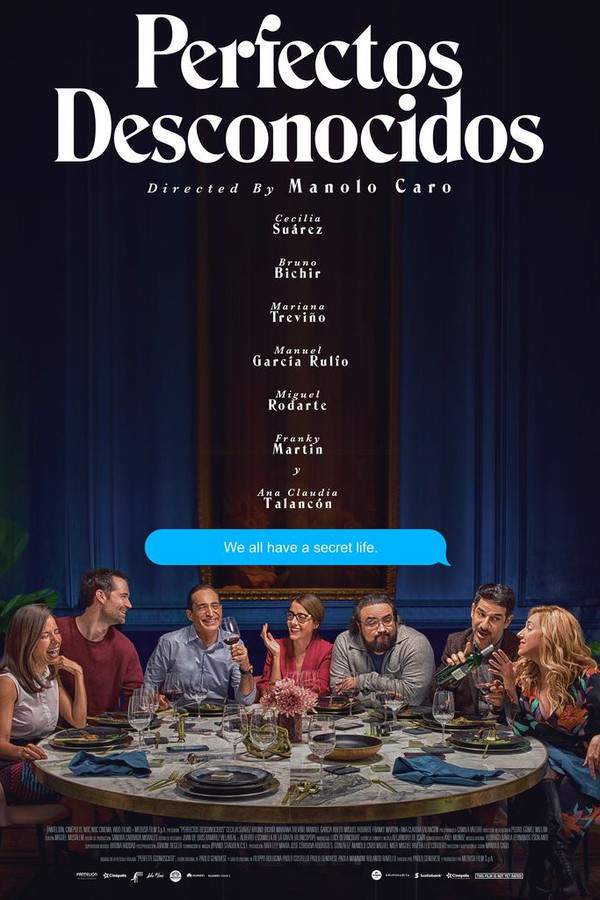
Perfect Strangers (Perfectos Desconocidos)
2019
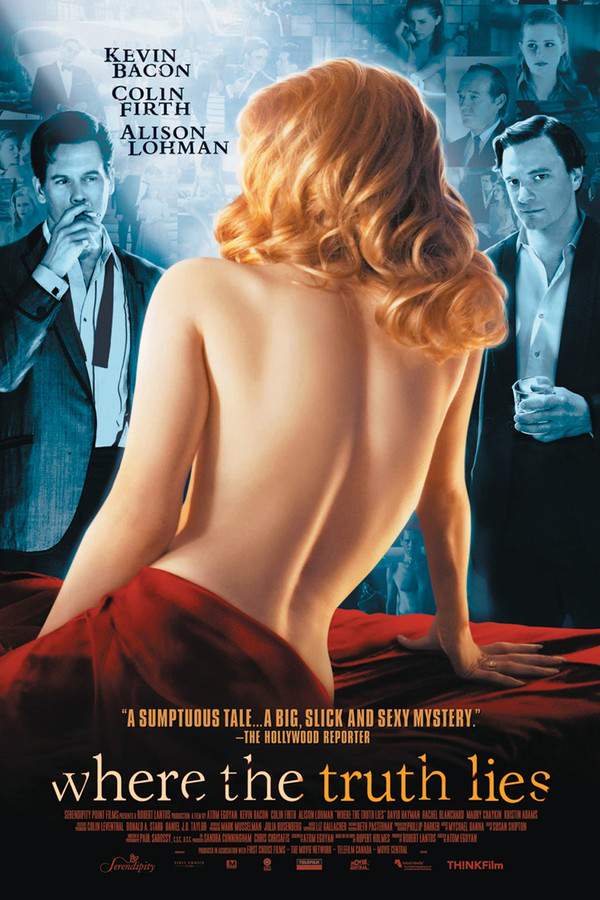
Where the Truth Lies
2005
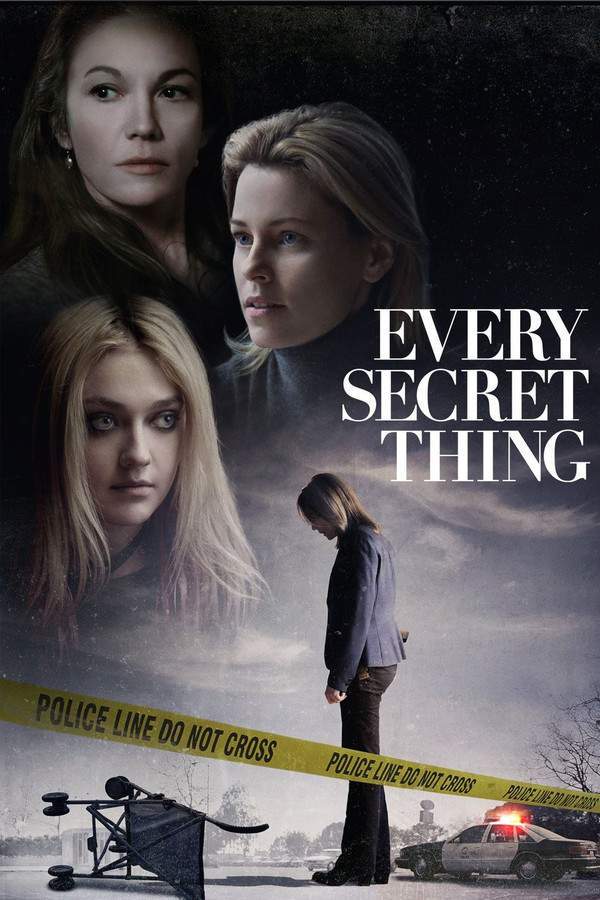
Every Secret Thing
2015
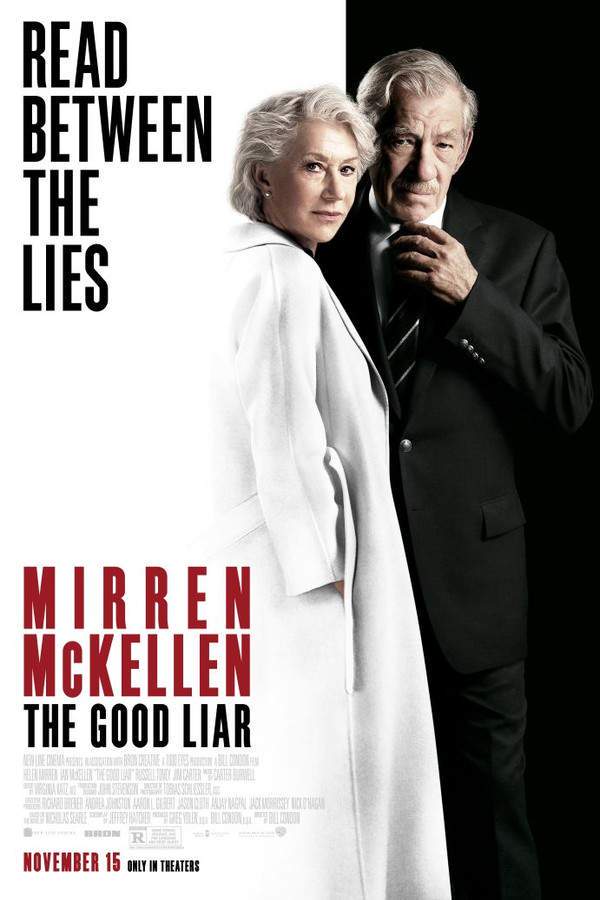
The Good Liar
2019
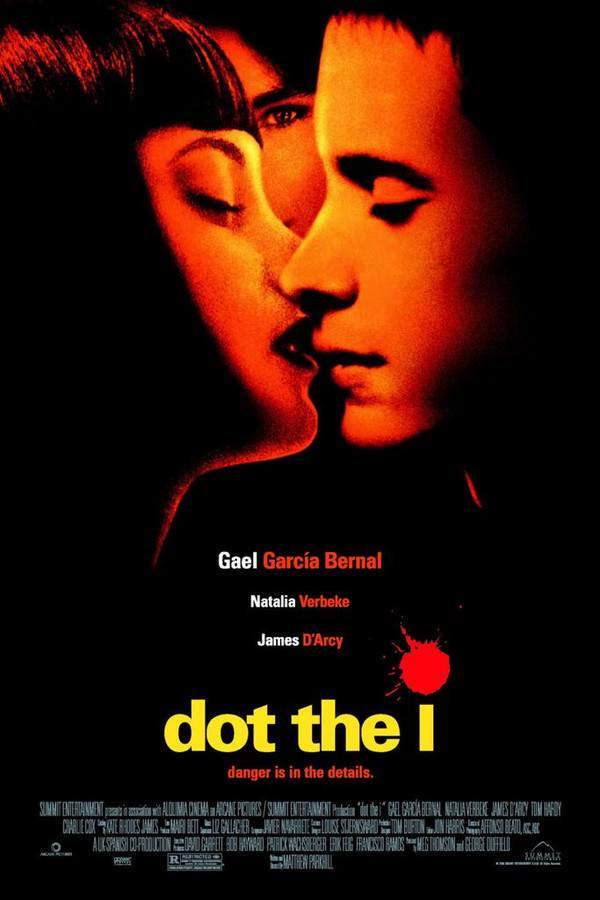
Dot the I
2005
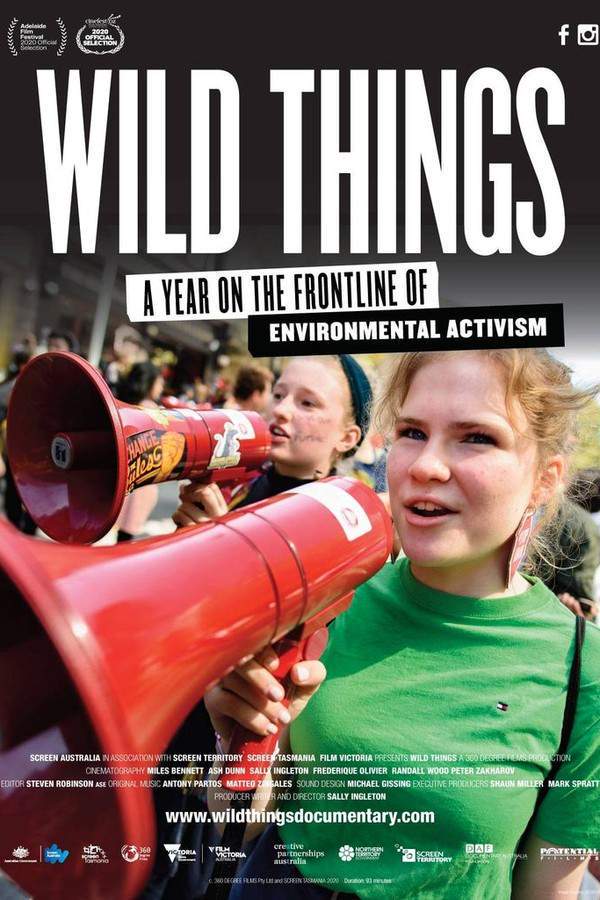
Wild Things
1998
Perfect Stranger
2007
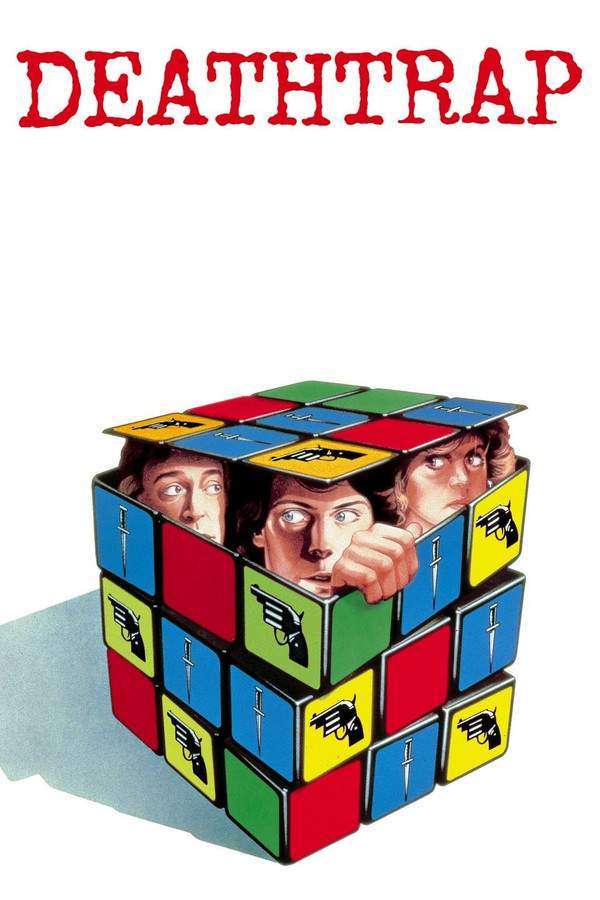
Deathtrap
1982

Missing 2
2017

The Forest of Love
2019
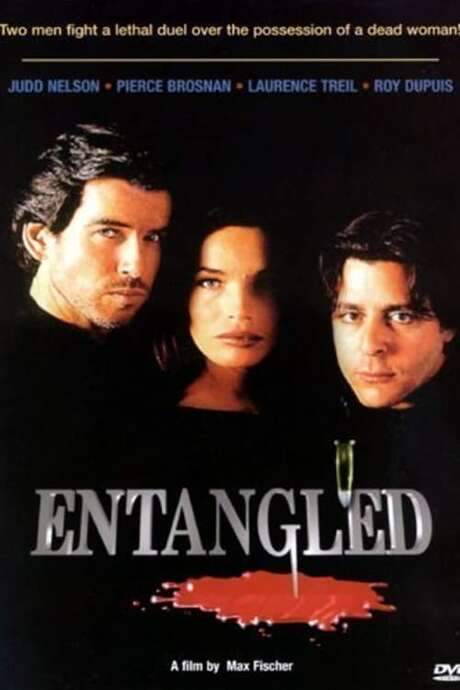
Entangled
1993

False Face
1977

Genealogies of a Crime
1997
Narrative Summary
Narratives often revolve around a charismatic but malevolent creator figure who draws others into a project. The story unfolds through a layered structure, revealing that the 'art' being made is either a cover for darker intentions or an engine that accelerates the characters' self-destruction. The climax typically reveals the horrifying truth behind the fabrication.
Why These Movies?
These films are grouped by their shared thematic focus on the corruption of artistic expression. They share a cynical view of creation, use meta-narrative techniques, and deliver a profound sense of unease about who controls the story and to what end.
Movies about charismatic manipulators like The Forest of Love: Deep Cut
A chilling look at how a charming individual systematically destroys a group. If you were captivated and horrified by the conman Joe in The Forest of Love: Deep Cut, discover other films about charismatic predators. These stories explore the dynamics of toxic relationships, psychological exploitation, and the devastating impact one person can have on a vulnerable group.
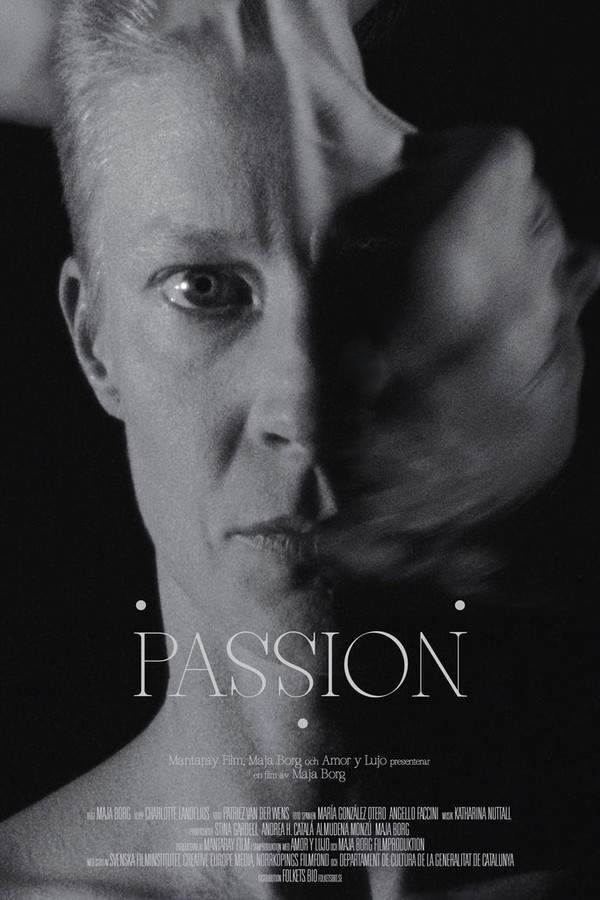
Passion
2013
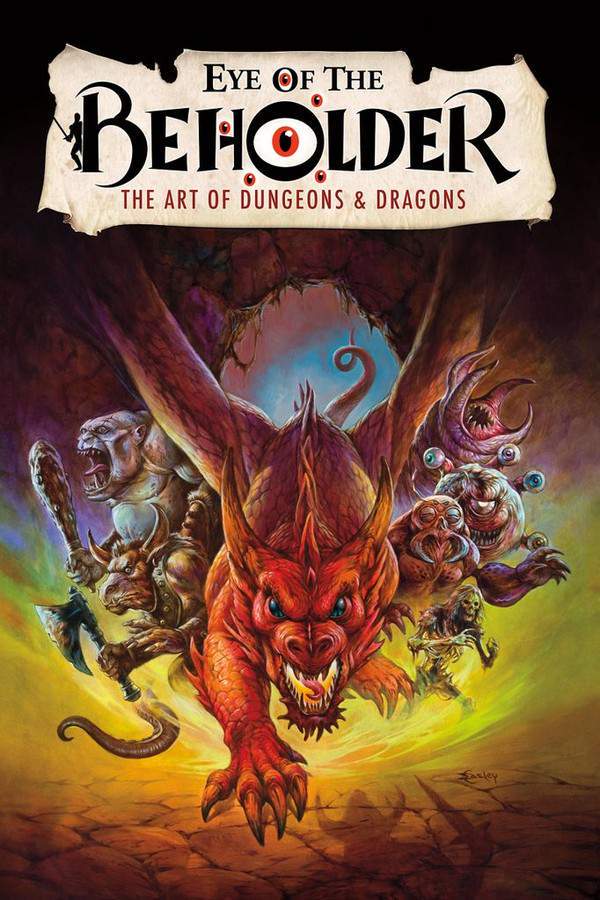
Eye of the Beholder
2000
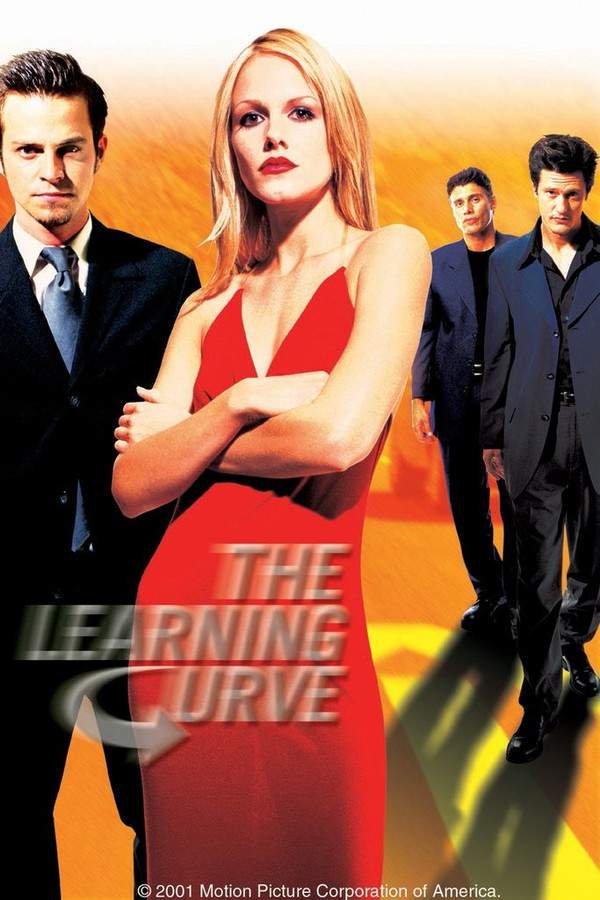
The Learning Curve
2001
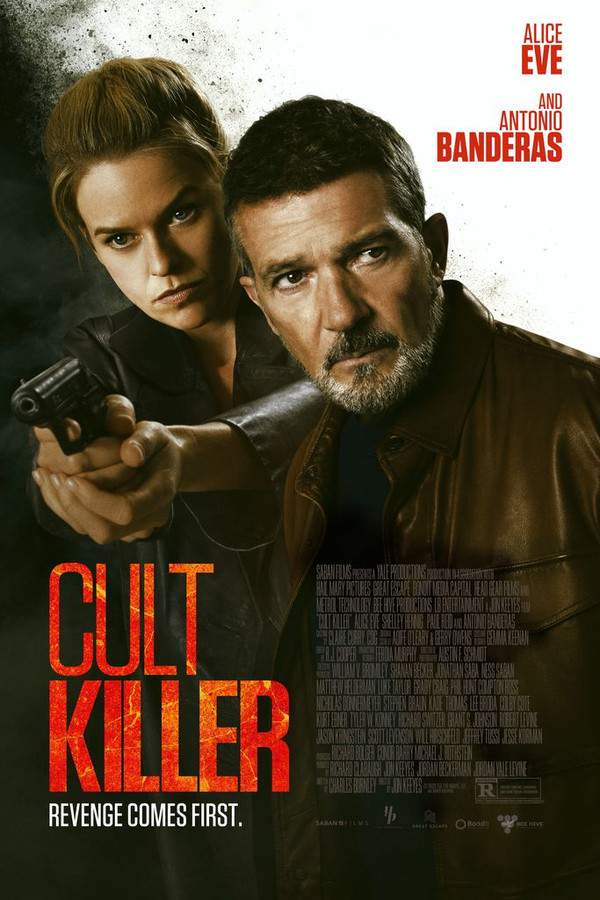
Cult Killer
2024

Sexy Evil Genius
2013

The Devil You Know
2013

Cruel Intentions
2016

Palm Trees and Power Lines
2018

Dangerous to Know
2020

Cast a Dark Shadow
1955

Guilty as Sin
1993

Charisma
1999

Dark Harbor
1998

Poison Ivy: The New Seduction
1997
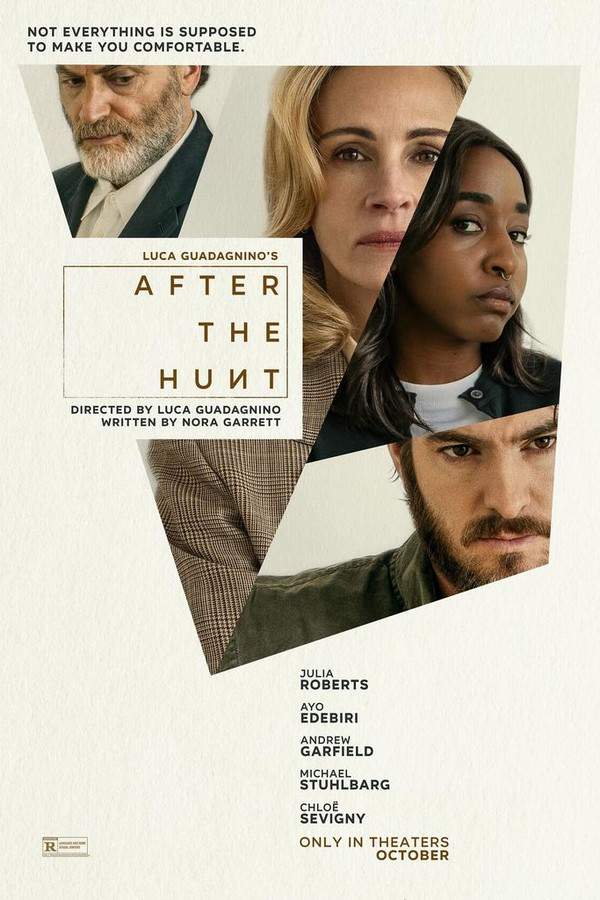
After the Hunt
2025
Narrative Summary
The narrative follows a predator who identifies and isolates their targets, often exploiting past trauma. The story builds as the manipulator gains control, pitting characters against each other and bending their realities. The journey is one of escalating control and cruelty, typically ending in tragedy for the victims.
Why These Movies?
These films are united by their central character archetype—the charming predator—and the intense, heavy emotional journey of their victims. They share a high-intensity, oppressive mood and explore themes of trauma, trust, and the darkness lurking behind a friendly facade.
Unlock the Full Story of The Forest of Love: Deep Cut
Don't stop at just watching - explore The Forest of Love: Deep Cut in full detail. From the complete plot summary and scene-by-scene timeline to character breakdowns, thematic analysis, and a deep dive into the ending - every page helps you truly understand what The Forest of Love: Deep Cut is all about. Plus, discover what's next after the movie.
The Forest of Love: Deep Cut Summary
Read a complete plot summary of The Forest of Love: Deep Cut, including all key story points, character arcs, and turning points. This in-depth recap is ideal for understanding the narrative structure or reviewing what happened in the movie.

The Forest of Love: Deep Cut Timeline
Track the full timeline of The Forest of Love: Deep Cut with every major event arranged chronologically. Perfect for decoding non-linear storytelling, flashbacks, or parallel narratives with a clear scene-by-scene breakdown.


Similar Movies to The Forest of Love: Deep Cut
Discover movies like The Forest of Love: Deep Cut that share similar genres, themes, and storytelling elements. Whether you’re drawn to the atmosphere, character arcs, or plot structure, these curated recommendations will help you explore more films you’ll love.
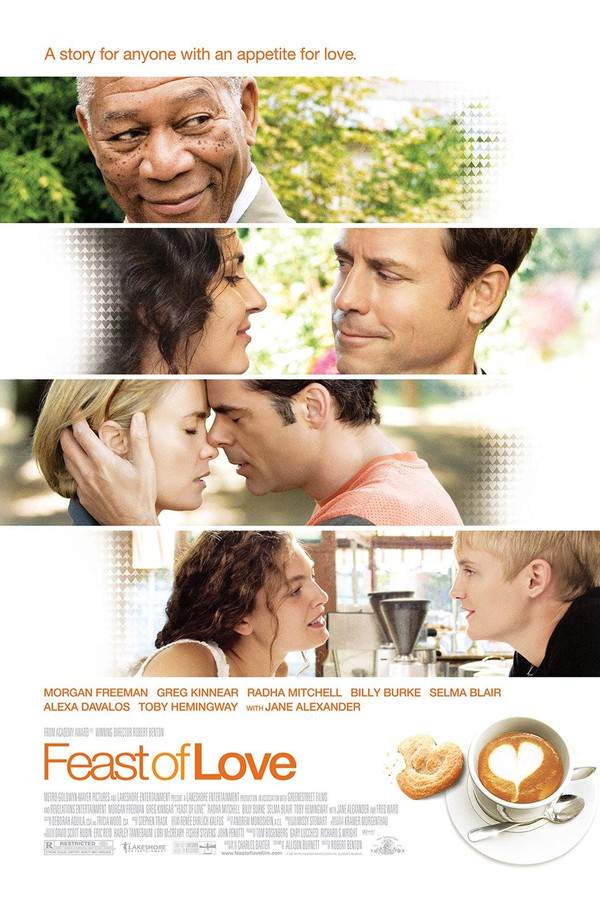
Feast of Love
2007
The Forest of Love
2019

Forest of the Damned
2005

Hidden Love
2007

No Love
1991

Lovecut
2020

The Woods
1000

Dark Heart of the Forest
2021

Virgin Forest
2022

Free Love
1974

Naked Temptation
1966

The Heart Is a Dark Forest
2007

Lovers Are Wet
1973

Love Camp
1977

True Love and Chaos
1997
Explore More About Movie The Forest of Love: Deep Cut
The Forest of Love: Deep Cut (1000) Plot Summary & Movie Recap
The Forest of Love: Deep Cut (1000) Scene-by-Scene Movie Timeline
The Forest of Love: Deep Cut (1000) Spoiler-Free Summary & Key Flow
Movies Like The Forest of Love: Deep Cut – Similar Titles You’ll Enjoy
Feast of Love (2007) Complete Plot Breakdown
The Forest of Love (2019) Full Summary & Key Details
Forest of the Damned (2005) Spoiler-Packed Plot Recap
Hidden Love (2007) Full Movie Breakdown
No Love (1991) Film Overview & Timeline
Lovecut (2020) Full Summary & Key Details
The Woods (1000) Complete Plot Breakdown
Dark Heart of the Forest (2021) Movie Recap & Themes
Virgin Forest (2022) Full Summary & Key Details
Free Love (1974) Movie Recap & Themes
Naked Temptation (1966) Spoiler-Packed Plot Recap
The Heart Is a Dark Forest (2007) Full Summary & Key Details
Lovers Are Wet (1973) Complete Plot Breakdown
Love Camp (1977) Film Overview & Timeline
True Love and Chaos (1997) Full Summary & Key Details