Plot Explained Spoilers guaranteed!
Plot Explained

Browse by genre

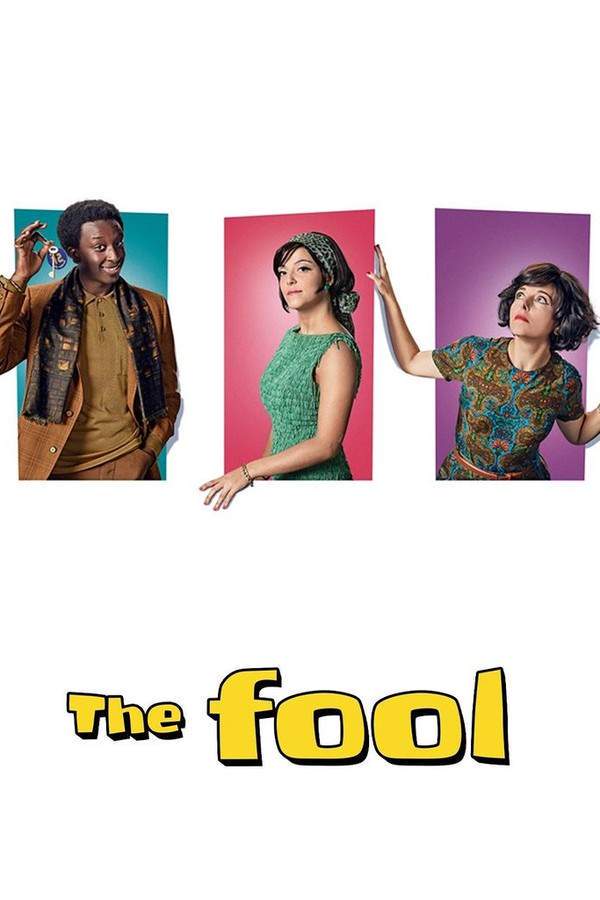
The Fool (2015) movie poster

Characters & Themes

The Fool (2015) Characters, Setting & Themes Explained

Release, runtime and language
2015 · 116 min · French
Loading streaming availability…
Directed by
Yuriy Bykov

An unassuming foreman, Dima Nikitin, unexpectedly finds himself a hero when a burst pipe at a dilapidated dorm reveals a dangerous ticking time bomb. Faced with bureaucratic hurdles, he fights to evacuate the residents while confronting a system that seems determined to obstruct him. Through this ordeal, Nikitin’s honesty and integrity are tested, leading him on a transformative journey and revealing an extraordinary courage within an ordinary man.

On this page (7)
  1. 1 Where to watch
  2. 2 Characters explained (6)
  3. 3 Where & when it takes place
  4. 4 Themes & meaning (3)
  5. 5 Character & meaning questions
  6. 6 Movie threads
  7. 7 Every angle
Loading streaming availability…

6 main characters · contains spoilers

The Fool Characters Explained: Who Is Who

The main characters of The Fool (2015), heroes and villains: what drives them, how they change over the course of the story and what each of them reveals about the film's bigger ideas.

  • Dima Nikitin

    Dima is a plumber and municipal repair-crew chief who dreams of better finances by entering engineering school. He is compassionate and principled, willing to risk his safety to warn others. His persistence clashes with a cynical town where officials prefer denial over action.

    • 💡 Courage
    • 🧰 Practical
    • 🕯️ Idealism
  • Nina Galaganova

    Nina Galaganova is the town's mayor, a cynical politician who prioritizes political survival and the city’s image over residents’ safety. She uses manipulation and fear of scandal to keep the situation under control and avoid accountability.

    • 🏛️ Politics
    • 💼 Self-interest
    • 🗺️ Manipulation
  • Fedotov

    Fedotov is a Public Housing Inspector torn between his duty and the coercive maneuvering of the mayor’s circle. He validates the risk of collapse and becomes a pawn in the cover-up, facing danger as the system turns against him.

    • ⚖️ Bureaucracy
    • 🏢 Public service
    • 🗡️ Tragedy
  • Matyugin

    Matyugin is a government official who participates in evacuation planning and the cover-up. He becomes a target of the mayor’s plot and is eventually executed along with Fedotov, highlighting the deadly stakes of political intrigue.

    • 🏛️ Bureaucracy
    • 💼 Realism
    • 🗡️ Tragedy
  • Sayapin

    Police Chief Sayapin informs that evacuation arrangements are in progress, signaling the state’s willingness to manage the crisis through control and expediency. He reveals the complicity of law enforcement in the political maneuvering surrounding the building’s fate.

    • 👮 Authority
    • 🧭 Loyalty
    • 🔒 Power-play
  • Masha

    Masha is Nikitin’s wife, who embodies practicality and skepticism. She challenges Nikitin’s altruism and embodies the household perspective that questions the costs and risks of risking everything for strangers.

    • 👩 Wife
    • 💬 Skepticism
    • 🧭 Realism

Last updated: October 03, 2025 at 19:41

Was this helpful?

Setting

Where and When Does The Fool Take Place?

The setting of The Fool (2015): the year and time period, the places and locations, and how they shape the characters, the mood and the tension of the story.

Time period

Present day

Set in contemporary Russia, the film mirrors real-world urban governance and housing challenges. Officials obsess over appearances, budgets, and political damage control more than people’s lives. The events reflect a modern, bureaucratic environment where accountability is scarce and consequences are personal.

Location

Unnamed Russian town

The story unfolds in an unnamed Russian town where aging infrastructure and a failing public housing system anchor the drama. A single dilapidated building and a bureaucratic machine illustrate the gap between surface normalcy and underlying corruption. The town serves as a microcosm of power, neglect, and cynical politics that shape the crisis.

  • 🏙️ Post-Soviet
  • 🧱 Urban decay
  • 🗂️ Bureaucracy

Last updated: October 03, 2025 at 19:41

Was this helpful?

3 major themes

The Fool Meaning: Themes & Message Explained

What is The Fool (2015) really about? The emotional, social and philosophical themes the film keeps returning to, its symbolism and the message beneath the surface.

  • Civic Duty

    An ordinary man, Dima Nikitin, embodies civic duty by voicing danger and trying to evacuate residents. The film shows how individual courage can clash with collective apathy and bureaucratic self-interest. It highlights the moral imperative to act even when systems fail, and the peril of choosing inaction.

  • Corruption

    Political leaders manipulate events to shield themselves from blame. Evacuation becomes a tool for political theater rather than a humanitarian act. Officials spin narratives to avoid financial and legal scrutiny, revealing a culture of impunity. The tragedy exposes how power protects itself while people suffer.

  • Indifference

    Residents treat warnings as noise and resist disruption, illustrating how social numbness enables catastrophe. The film captures the moment when fear of personal inconvenience outweighs the risk to hundreds of lives. Through Nikitin's relentless plea, it exposes a society that ignores danger until it is almost too late.

Last updated: October 03, 2025 at 19:41

Was this helpful?

Character & theme questions

The Fool Characters & Meaning: Your Questions Answered

The questions people ask about The Fool (2015): who the characters really are, their relationships, what the symbols mean, where it takes place and what the movie is really about. Each answer contains spoilers.

Q1

Where is the story set?

The story takes place in an unnamed Russian town characterized by post-Soviet urban decay and crumbling infrastructure. The single dilapidated building at the center of the crisis serves as a microcosm of broader societal neglect. This setting reflects the gap between surface normalcy and underlying systemic corruption.

  • russian town
  • setting
  • post-soviet
  • urban decay
  • housing
Q2

When does the film take place?

The film is set in present-day contemporary Russia, reflecting real-world urban governance and housing challenges. The narrative captures a modern bureaucratic environment where officials prioritize appearances and political damage control over people's safety. This timing grounds the story in recognizable, relatable societal issues.

  • present day
  • contemporary
  • modern russia
  • time period
Q3

What are the main themes of the film?

The film explores three interconnected themes: civic duty, corruption, and indifference. Civic duty appears through one man's struggle to warn others despite systemic failure. Corruption manifests in how officials manipulate the crisis for political survival. Indifference shows how society ignores danger until catastrophe becomes unavoidable.

  • themes
  • civic duty
  • corruption
  • indifference
  • meaning
Q4

Who is Dima Nikitin?

Dima Nikitin is a plumber and municipal repair-crew chief who dreams of attending engineering school for better financial prospects. He is compassionate and principled, willing to risk his own safety to warn residents about the building's danger. His character represents ordinary people caught in systems that reward cynicism over integrity.

  • dima nikitin
  • protagonist
  • plumber
  • hero
Q5

Who is the mayor in the film?

Nina Galaganova is the town's mayor, a cynical politician who prioritizes political survival and the city's image above residents' safety. She uses manipulation and fear of scandal to maintain control and avoid accountability. Her actions demonstrate how power protects itself while ordinary people bear the consequences.

  • nina galaganova
  • mayor
  • politician
  • corruption
Q6

What roles do the government officials play?

Several officials are involved in the crisis response: Fedotov as the Public Housing Inspector who validates the collapse risk, Matyugin in evacuation planning who becomes a target, and Police Chief Sayapin who manages the state's control over the situation. These characters illustrate how bureaucratic systems can become instruments of cover-up rather than protection.

  • fedotov
  • matyugin
  • sayapin
  • officials
  • housing inspector
Q7

What does the film say about civic duty?

The film portrays civic duty as a moral imperative that clashes with collective apathy and bureaucratic self-interest. Dima's persistence in warning residents demonstrates how individual courage can emerge even in a cynical environment. However, the story also shows the peril of choosing action when systems are designed to punish it.

  • civic duty
  • responsibility
  • moral imperative
  • action
Q8

How does the film depict corruption?

Corruption is depicted through political leaders who manipulate events to shield themselves from blame. evacuation becomes political theater rather than humanitarian action, with officials spinning narratives to avoid financial and legal scrutiny. The tragedy exposes a culture of impunity where power protects itself while people suffer.

  • corruption
  • political cover-up
  • accountability
  • power abuse
Q9

What does the film say about societal indifference?

The film illustrates how social numbness enables catastrophe, with residents treating warnings as noise and resisting disruption. Fear of personal inconvenience outweighs the risk to hundreds of lives. Through Dima's relentless efforts, the film exposes a society that ignores danger until it becomes nearly too late to act.

  • indifference
  • apathy
  • society
  • warnings
  • social numbness
Q10

What is the tone of the film?

The film has an overwhelmingly bleak and grim tone, reflecting systemic indifference and the ultimate failure of individual courage against entrenched corruption. There are no moments of levity or romance to offset the pervasive sadness. The emotional weight is heavy, focusing on the cost of integrity in a corrupt world.

  • tone
  • bleak
  • grim
  • emotional
  • atmosphere
Q11

What social issues does the film address?

The film addresses failing public housing systems, bureaucratic obstruction, and the neglect of aging infrastructure in post-Soviet Russia. It critiques a system where accountability is scarce and consequences are personal rather than systemic. The story serves as commentary on power, neglect, and cynical politics in modern Russian governance.

  • housing crisis
  • bureaucracy
  • infrastructure
  • social issues
  • governance
Q12

Who is Masha and what is her role?

Masha is Dima Nikitin's wife, representing the practical household perspective in the story. She challenges her husband's altruism, questioning the costs and risks of risking everything for strangers. Her character embodies the tension between personal safety and moral obligation that ordinary people face.

  • masha
  • wife
  • family
  • perspective
  • practicality

Movie threads

More Movies Like The Fool, by Mood & Story

Curated lists built around what makes The Fool tick: the same mood, the same kind of story or the same emotional payoff. Each list explains why these movies belong together.

Movies about fighting a corrupt system like in The Fool

Ordinary people risking everything to expose a rotten and indifferent system. If you admired the relentless struggle in The Fool, explore these other movies about ordinary people confronting vast, corrupt systems. These films share a tense, high-stakes feel with heavy emotional weight and often bleak outcomes.

  • urgent
  • tense
  • grim
  • anxious
  • cynical
  • oppressive
  • Tone: bleak, tense
  • Pacing: urgent, steady
Why these movies?

The story pattern: The narrative typically follows a straightforward but intense path: an inciting incident reveals systemic failure, the protagonist attempts to raise the alarm or fix the problem, and they face escalating bureaucratic hurdles and personal danger, testing their integrity and resolve.

Why they belong together: These films are grouped by their shared focus on the individual-versus-institution conflict, a tense and urgent pacing, and a tone of grim realism. They appeal to viewers interested in political or social dramas about moral courage in the face of overwhelming opposition.

Grim social realism thrillers similar to The Fool

Gritty, high-tension dramas set in decaying worlds of social neglect. Fans of the grim, tense atmosphere and urgent social stakes of The Fool will find similar experiences here. Discover other heavy dramas that explore themes of urban decay, class struggle, and bureaucratic apathy with a similar bleak tone.

  • grim
  • oppressive
  • somber
  • tense
  • anxious
  • urgent
  • Tone: bleak, oppressive, cynical
  • Pacing: steady, urgent
Why these movies?

The story pattern: Narratives are often driven by a ticking clock or an immediate danger that highlights broader social problems. The focus is less on a triumphant resolution and more on exposing the grim reality, often ending on a note of somber resignation or defeat.

Why they belong together: Movies in this thread share a specific, cohesive vibe: a combination of a bleak tone, steady but urgent pacing, high emotional intensity, and a focus on disturbing social themes. They create a psychologically demanding and immersive viewing experience.

Every angle

The Fool (2015) Explained: Plot, Timeline & Characters

Everything about The Fool in one place: what happens in the plot summary, the timeline in chronological order, the characters and meaning and a spoiler-free summary. What's After the Movie adds the cast, box office and post-credit scenes.

Coming soon on iOS and Android

The Plot Explained Movie Summary App

Plot summaries, endings explained and timelines on your phone. Catch up on any movie in minutes, save your favorites and never miss a twist again.

Be the first to know when we launch. Your email stays private, always.

Learn more about the app