Plot Explained Spoilers guaranteed!
Plot Explained

Browse by genre

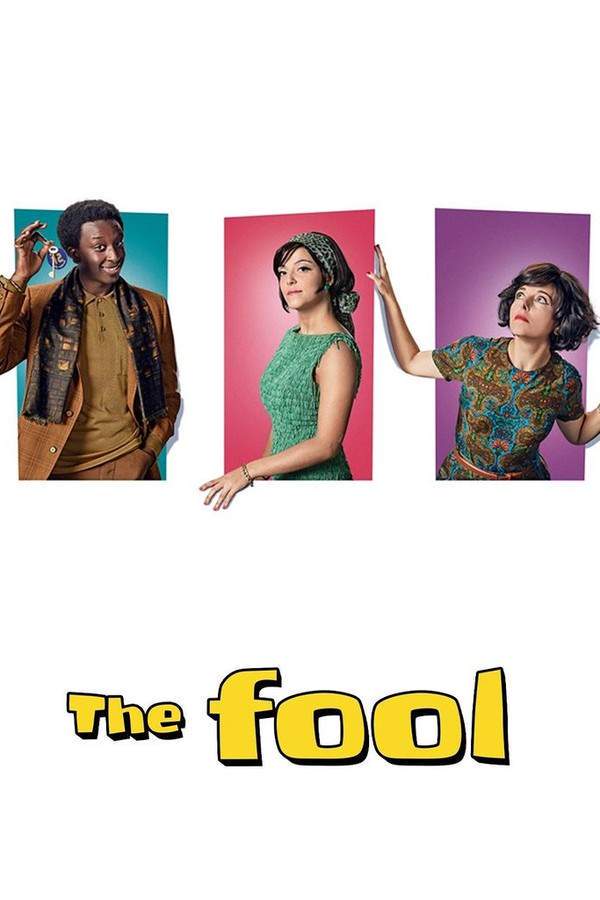
The Fool (2015) movie poster

Plot Summary

The Fool (2015) Plot Summary Explained

Release, runtime and language
2015 · 116 min · French
Loading streaming availability…
Directed by
Yuriy Bykov

An unassuming foreman, Dima Nikitin, unexpectedly finds himself a hero when a burst pipe at a dilapidated dorm reveals a dangerous ticking time bomb. Faced with bureaucratic hurdles, he fights to evacuate the residents while confronting a system that seems determined to obstruct him. Through this ordeal, Nikitin’s honesty and integrity are tested, leading him on a transformative journey and revealing an extraordinary courage within an ordinary man.

On this page (5)
  1. 1 Where to watch
  2. 2 What happens: full plot
  3. 3 Plot questions answered
  4. 4 Movie threads
  5. 5 Every angle
Loading streaming availability…

Full plot summary · contains spoilers

What Happens in The Fool: Full Plot Summary

The whole story of The Fool (2015) explained, from the opening scene to the final frame: every key event, every twist and what it all adds up to. Read it as a quick recap before the sequel, to check a scene you missed, or to finally understand what really happened.

Dima Nikitin, a diligent plumber and the head of a municipal repair crew, holds a steady job in an unnamed Russian town and dreams of improving his family’s finances by going back to engineering school. He navigates a community that wears cynicism like a shield, where his efforts to do right by his wife, son, and aging parents often clash with the harsh realities of local life. When he discovers a leaky pipe in a building and notices a related crack in the wall, he steps outside to inspect—and realizes the entire structure is tilting, a danger that could obliterate the lives inside within 24 hours.

Determined to warn others, Nikitin heads to a birthday party for Mayor Nina Galaganova, but the party atmosphere—filled with alcohol and carefree chatter—prevents anyone from taking his warning seriously. The more he speaks, the more the crowd hides behind cynical jokes, stubborn denial, and the fear of public ruin. It isn’t until they grasp the scale of the tragedy and the public scrutiny that would follow that they finally start to consider action, even as they scramble to protect their own skins and reputations. The conversation shifts from casual jokes to heated debates about the widening scandal of years of administrative corruption, all while they confront the practical nightmare of relocating 820 residents on short notice.

Galaganova enlists Public Housing Inspector Fedotov and another official, Matyugin, to assess the danger, and Nikitin demonstrates the risk by tipping a bottle from the roof to show the building’s tilt. The officials acknowledge the looming collapse but the political circle surrounding the mayor sees evacuation as a gateway to a devastating financial audit that could expose pervasive corruption. The realization triggers a dangerous game of political blame, as Galaganova and Bogachyov attempt to pin the catastrophe on Fedotov and Matyugin, removing any threat to themselves.

Nikitin, Fedotov, and Matyugin are told by Police Chief Sayapin that evacuation plans are underway, but the reality is far more sinister. The trio is secretly whisked away in a police van under the pretense of meeting Galaganova, only to be driven to a remote location on the city’s outskirts. Here, Fedotov and Matyugin quickly recognize the setup: they are to be sacrificed as scapegoats for the building’s collapse. Fedotov pleads for Nikitin’s release, and although the police reluctantly agree, they instruct Nikitin to leave the city with his family immediately. In a cruel turn, Matyugin and Fedotov are executed, removed from the scene before they can defend themselves.

As Nikitin tries to flee with his family, he discovers that evacuation plans have stalled and that nothing is being done to move the residents to safety. His wife, Masha, chastises him for trying to help the “nobodies” who populate the building, and the moment he tries to insist on the importance of saving lives, he speaks a piercing truth:

> We live like animals and we die like animals because we are nobodies to each other.

With those words echoing in the air, he urges his wife to go and takes it upon himself to knock on doors, urging neighbors to prioritize their lives over stubborn pride or bureaucratic indifference. He moves from door to door, a one-man mission to evacuate the building, while some residents grow irritated by the disruption and others remain skeptical, dismissing his warnings as another lie in a long line of political theatrics. The mood of the town tightens into fear, and the clock ticks mercilessly toward disaster.

As the crowd outside grows louder and more hostile, the tension erupts into violence. The final moments pull back to a grim, intimate portrait of a man who refused to surrender to apathy, only to be overwhelmed by the sheer inertia of a city that has learned to look away. The film closes on Nikitin’s vulnerable, defeated posture, a stark image of the human cost when communities choose silence over responsibility.

This story braids personal sacrifice with systemic corruption, showing how even those who want to do good are caught in a web of political calculations, public perception, and the slow, stubborn resistance of a community that would rather watch a warning collapse than face accountability. It’s a somber meditation on dignity, obligation, and the peril of treating “nobodies” as expendable.
Last updated: October 09, 2025 at 16:24

Was this helpful?

Plot questions answered

The Fool Plot Explained: Your Questions Answered

The questions people ask most about The Fool (2015): what happens in the confusing scenes, why the characters do what they do, the twists, hidden details and what the ending means. Each answer contains spoilers.

Q1

Why does the mayor's party ignore Nikitin's warning about the building?

The party guests dismiss Nikitin's warning because they are intoxicated and deeply cynical about any government-related news, treating his urgent message as a joke. Additionally, they fear that acknowledging a real danger would lead to public scrutiny and expose years of administrative corruption, so denial feels safer than action.

Foreshadowing: The town's pervasive cynicism is established early when Nikitin navigates a community that 'wears cynicism like a shield.'

  • mayor party warning
  • cynicism
  • building collapse
Q2

Why do officials resist evacuating the building despite the danger?

The officials realize that evacuating 820 residents would trigger a mandatory financial audit of the city's housing management, which would expose years of embezzlement and neglect. Mayor Galaganova and her circle prioritize protecting themselves from criminal liability over saving lives.

Foreshadowing: The political stakes are revealed when Galaganova's circle weighs the safety information against 'political protection.'

  • evacuation
  • corruption
  • audit
  • mayor galaganova
Q3

Why are Fedotov and Matyugin executed by the police?

Fedotov and Matyugin are executed because the political establishment needs scapegoats for the impending disaster. By framing them as the officials who failed to act, Mayor Galaganova and Bogachyov can deflect blame from themselves. They are killed at a remote location after being lured there under false pretenses.

Foreshadowing: Earlier, Galaganova and Bogachyov explicitly decide to 'pin the catastrophe on Fedotov and Matyugin.'

  • fedotov
  • matyugin
  • executed
  • scapegoat
Q4

Why does Nikitin go back to warn residents after being told to flee?

After his family urges him to escape, Nikitin chooses to return because he cannot accept that 820 people will die while he saves himself. His confrontation with Masha about being 'nobodies' crystallizes his belief that people must take responsibility for each other, driving him to attempt a door-to-door evacuation despite knowing the odds are against him.

Foreshadowing: Nikitin's character is established as someone who 'dreams of improving his family's finances' but also someone who 'fights to evacuate the residents' despite personal cost.

  • nikitin evacuate
  • residents
  • personal sacrifice
Q5

Why do the residents beat Nikitin when he tries to evacuate them?

The residents attack Nikitin because they have become so conditioned to distrust any authority or warning that they view his urgent pleas as another political performance or manipulation. His disruption of their daily lives confirms for them that he is just another nuisance, and their anger erupts into violence as they reject his message.

Foreshadowing: The town's cynicism is shown earlier when 'the crowd hides behind cynical jokes, stubborn denial' at the mayor's party.

  • residents attack
  • beaten
  • cynicism
  • distrust
Q6

What does Nikitin mean when he says 'we live like animals and we die like animals because we are nobodies to each other'?

Nikitin's statement captures the film's central theme: the residents have internalized their worthlessness in the eyes of the system and consequently treat each other with the same indifference. By refusing to see their own value, they fail to act collectively to save themselves, becoming complicit in their vulnerability.

Foreshadowing: This quote directly explains why the political class treats 820 residents as expendable, they are 'nobodies' in a system that devalues ordinary people.

  • nobodies
  • dignity
  • worth
  • systemic failure
Q7

Why does Nikitin roll a bottle off the roof to demonstrate the danger?

Nikitin uses the bottle demonstration because the officials need tangible, visual proof that cannot be dismissed as speculation or exaggeration. When the bottle rolls across the tilted roof surface, it provides undeniable physical evidence of the building's dangerous slant, forcing Fedotov and Matyugin to acknowledge the reality of the collapse threat.

Foreshadowing: This moment directly follows the assessment where officials 'begin a formal evaluation of the tilt and threat.'

  • bottle
  • tilt
  • proof
  • assessment
Q8

Why does Police Chief Sayapin help orchestrate the cover-up?

Police Chief Sayapin participates in the cover-up because he is part of the same corrupt system that protects the mayor and her circle. By transporting Nikitin and the inspectors to the outskirts under false pretenses, he enables the elimination of potential witnesses and scapegoats, acting as enforcement muscle for the political establishment.

Foreshadowing: Sayapin tells the trio that 'evacuation plans are underway' while simultaneously orchestrating their betrayal.

  • police sayapin
  • cover-up
  • corruption
Q9

Why does Masha want Nikitin to flee the city instead of helping others?

Masha urges Nikitin to leave because she fears for their family's safety and believes helping 'nobodies' will only bring trouble without reward. Her pragmatic response reflects the same cynicism that permeates the town, she has learned that risking oneself for others in this system only leads to destruction.

Foreshadowing: Masha's perspective mirrors the town's learned helplessness: 'She scolds him for trying to help the "nobodies" who populate the building.'

  • masha
  • family
  • escape
  • self-preservation
Q10

What does the title 'The Fool' refer to in the film?

The title refers to Nikitin, who acts as a moral fool, a man who pursues righteous action despite knowing it will likely destroy him. While everyone else calculates personal survival, he insists on warning others, making him a tragic figure whose integrity is crushed by a system and community that punish goodness.

Foreshadowing: The film's description notes that Nikitin 'unexpectedly finds himself a hero' but ultimately fails, embodying the futile purity of a fool.

  • fool
  • title
  • moral
  • integrity
Q11

What is the message of the film's bleak ending?

The ending delivers a stark message about the cost of integrity in a corrupt society: even those who try to do right are defeated when systems are designed to protect themselves rather than people. Nikitin's physical defeat represents the crushing of idealism by systemic indifference, showing that individual courage alone cannot overcome entrenched corruption.

Foreshadowing: The meta notes explicitly describe the ending as depicting 'the protagonist's physical and moral defeat' in 'a corrupt world.'

  • ending
  • defeat
  • corruption
  • systemic failure

Movie threads

More Movies Like The Fool, by Mood & Story

Curated lists built around what makes The Fool tick: the same mood, the same kind of story or the same emotional payoff. Each list explains why these movies belong together.

Movies about fighting a corrupt system like in The Fool

Ordinary people risking everything to expose a rotten and indifferent system. If you admired the relentless struggle in The Fool, explore these other movies about ordinary people confronting vast, corrupt systems. These films share a tense, high-stakes feel with heavy emotional weight and often bleak outcomes.

  • urgent
  • tense
  • grim
  • anxious
  • cynical
  • oppressive
  • Tone: bleak, tense
  • Pacing: urgent, steady
Why these movies?

The story pattern: The narrative typically follows a straightforward but intense path: an inciting incident reveals systemic failure, the protagonist attempts to raise the alarm or fix the problem, and they face escalating bureaucratic hurdles and personal danger, testing their integrity and resolve.

Why they belong together: These films are grouped by their shared focus on the individual-versus-institution conflict, a tense and urgent pacing, and a tone of grim realism. They appeal to viewers interested in political or social dramas about moral courage in the face of overwhelming opposition.

Grim social realism thrillers similar to The Fool

Gritty, high-tension dramas set in decaying worlds of social neglect. Fans of the grim, tense atmosphere and urgent social stakes of The Fool will find similar experiences here. Discover other heavy dramas that explore themes of urban decay, class struggle, and bureaucratic apathy with a similar bleak tone.

  • grim
  • oppressive
  • somber
  • tense
  • anxious
  • urgent
  • Tone: bleak, oppressive, cynical
  • Pacing: steady, urgent
Why these movies?

The story pattern: Narratives are often driven by a ticking clock or an immediate danger that highlights broader social problems. The focus is less on a triumphant resolution and more on exposing the grim reality, often ending on a note of somber resignation or defeat.

Why they belong together: Movies in this thread share a specific, cohesive vibe: a combination of a bleak tone, steady but urgent pacing, high emotional intensity, and a focus on disturbing social themes. They create a psychologically demanding and immersive viewing experience.

Every angle

The Fool (2015) Explained: Plot, Timeline & Characters

Everything about The Fool in one place: what happens in the plot summary, the timeline in chronological order, the characters and meaning and a spoiler-free summary. What's After the Movie adds the cast, box office and post-credit scenes.

Coming soon on iOS and Android

The Plot Explained Movie Summary App

Plot summaries, endings explained and timelines on your phone. Catch up on any movie in minutes, save your favorites and never miss a twist again.

Be the first to know when we launch. Your email stays private, always.

Learn more about the app