Plot Explained Spoilers guaranteed!
Plot Explained

Browse by genre

The Fall (2008) movie poster

Timeline

The Fall (2008) Timeline Explained – Every Event in Order

Release, runtime and language
2008 · 117 min · English
Loading streaming availability…
Directed by
Tarsem Singh
Starring
Lee Pace, Catinca Untaru

During the 1920s in Los Angeles, a young girl confined to a hospital bed finds solace in the stories told by a captivating patient. He weaves a fantastical tale of vibrant landscapes and daring adventures, blending the people she cherishes into his thrilling narrative. As she listens, the lines between her reality and the imaginative world he creates become increasingly blurred, offering her an escape from her circumstances.

On this page (6)
  1. 1 Where to watch
  2. 2 Events in order (15)
  3. 3 Timeline questions answered
  4. 4 Movie threads
  5. 5 Movies like The Fall
  6. 6 Every angle
Loading streaming availability…

15 events in order · contains spoilers

The Fall Timeline: Events in Chronological Order

Every key event of The Fall (2008) in order, scene by scene, with when and where it takes place. Use it to untangle flashbacks, time jumps and parallel storylines, to refresh your memory before the sequel or to find the exact scene you are thinking of.

  1. The Silent Movie Set

    The film opens with a chaotic depiction of a 1920s silent movie set, showcasing the aftermath of a dangerous stunt that has gone awry. The unsettling scene includes the grim sight of a dead horse being hoisted from the water, setting a tone of both humor and tragedy.

    Where
    1920s Silent Movie Set
  2. Introduction to Alexandria

    In a rehabilitation hospital near Los Angeles, we are introduced to Alexandria, a lively 5-year-old girl with a broken arm. She comes from an immigrant family working in the orange groves and embodies a spirit of creativity and resilience, despite her hardships.

    Where
    Rehabilitation Hospital, Los Angeles
  3. The Note Incident

    While exploring the hospital grounds, Alexandria writes a note on delicate paper and accidentally drops it. Instead of reaching her beloved Nurse Evelyn, it falls into the hands of Roy, a paralyzed stuntman, who finds humor in its content and decides to engage with Alexandria.

    Where
    Hospital Grounds
  4. Roy's Storytelling Begins

    With a desire to captivate Alexandria, Roy starts narrating an enchanting story about Alexander the Great. His storytelling ignites Alexandria's imagination, as she visualizes a centurion in desolate lands, but becomes concerned when the tale turns dire, wondering about Alexander’s fate.

  5. Developing Friendship

    As their relationship grows, Roy continues to weave intricate stories, trading them for morphine to ease his pain. Meanwhile, Alexandria’s bond with Nurse Evelyn deepens, providing her with comfort while Evelyn navigates her complex relationship with a physician.

    Where
    Rehabilitation Hospital
  6. Encountering Fears

    Alexandria’s visits to Roy are filled with wonder, but they also bring a sense of fear as she encounters intimidating figures dressed in lead uniforms. These apparitions represent her anxieties about the medical procedures surrounding her recovery, making her hospital experience daunting.

    Where
    Hospital
  7. Introduction of the Governor

    Roy introduces the story of a Hindi man warning four prisoners about the impending threat posed by the ruthless Governor Odious. This narrative begins to unfold, reflecting Alexandria’s personal life and the challenges her own family faces, further linking her to the characters in Roy's stories.

  8. Character Backgrounds

    Roy continues to deepen the tale by introducing characters that resonate with Alexandria's life. She identifies with Otta Benga, a friendly ice delivery man, and is touched by the backstory of an Indian man whose heartbreak and vengeance stem from losing his beloved to the Governor’s cruelty.

  9. The Quest Begins

    The story escalates as Roy's characters, including the peg-legged Luigi and the real Charles Darwin, embark on a quest to overthrow Governor Odious. Alexandria gets absorbed into the narrative, symbolizing her desire for adventure and a break from her hospital confines.

  10. Alexandria's Participation

    Dressed as the Black Bandit, Alexandria becomes an active participant in Roy's unfolding tale, navigating through victories and losses alike. The blending of reality and fantasy allows her to escape her hospital life while nurturing her bond with Roy.

  11. The Critical Injury

    Tensions rise as Alexandria, driven by emotion during a climactic moment in the story, slips and sustains a critical injury. This event forces Roy to confront the fragility of their shared escapism and the serious nature of their respective realities.

    Where
    Hospital
  12. Struggling for Hope

    In the aftermath of Alexandria's injury, Roy grapples with his own despair, struggling to maintain the potency of their narrative. Through their crises, the two characters must rely on each other to find strength and solace as they face their respective challenges.

  13. Resolution and Climax

    As the climax unfolds, Roy's storytelling leads the characters toward a resolution, emphasizing themes of hope and rebirth. The entwined fates of Alexandria and Roy are showcased, illustrating the power of their journey through pain and loss.

  14. Alexandria's Reflection

    In the final moments of the film, Alexandria reflects on her adventure as she returns home to the orange groves. Her bittersweet memories of Roy are tinged with assurance of his wellbeing, highlighting the enduring impact of their shared stories and dreams.

    Where
    Orange Groves
  15. The Legacy of their Connection

    The film concludes with Alexandria recalling the powerful bond she shared with Roy, magnified by striking visual montages reminiscent of silent films. Their connection illustrates the lasting legacies of dreams and stories, reminding viewers of the transformative power of cinema.

Last updated: November 03, 2024 at 14:58

Was this helpful?

Timeline questions answered

The Fall Timeline Explained: Your Questions Answered

When does it happen, and why in that order? The questions people ask about the chronology of The Fall (2008): time jumps, flashbacks, cause and effect between scenes and the correct order of events, each answered with spoilers.

Q1

Why does Roy tell stories to Alexandria?

Roy uses storytelling as a way to connect with Alexandria and escape his own painful reality. As a paralyzed stuntman confined to a hospital bed, he trades stories for morphine to manage his pain. He is drawn to Alexandria because she reminds him of his own youth and zest for life, and through his elaborate tales, he creates a shared world where they both can escape their circumstances.

Foreshadowing: From their first meeting, Roy deliberately engages Alexandria after finding her dropped note, showing his initial motivation to capture her attention.

  • roy
  • alexandria
  • storytelling
  • morphine
  • hospital
  • connection
Q2

How did Roy become paralyzed?

Roy is a Hollywood stuntman who became paralyzed from the waist down after a stunt went wrong. The opening sequence of the film depicts a chaotic 1920s silent movie set with the aftermath of a dangerous stunt, including a dead horse being pulled from the water, which visually represents the perilous nature of stunt work that led to Roy's condition.

Foreshadowing: The film opens with the silent movie set depicting a stunt gone wrong, establishing the danger inherent in Roy's profession.

  • roy
  • paralysis
  • stuntman
  • hollywood
  • injury
Q3

What happens to Roy at the end?

The film ends with Roy still alive in the hospital. Alexandria returns home to the orange groves with bittersweet memories of their time together. The ending suggests Roy will continue working in the film industry, as Alexandria imagines him in the world of cinema. Their connection leaves a lasting impact on both of them, with Alexandria carrying the stories and memories of Roy into her future.

Foreshadowing: Throughout the film, Roy's despair and thoughts of suicide are present but counterbalanced by his growing attachment to Alexandria.

  • roy
  • ending
  • fate
  • alexandria
  • resolution
  • hope
Q4

Why does Alexandria reveal her father's death?

Alexandria shares that her father was killed by marauders when she reveals her own loss during the story. This tragic real-life event mirrors the emotional depth of Roy's narrative, where the Black Bandit is also searching to rescue his brother. Her disclosure creates a deeper bond between them, as both characters have experienced significant loss.

Foreshadowing: The Black Bandit's quest to rescue his brother in Roy's story directly parallels Alexandria's emotional revelation about her father.

  • father
  • death
  • marauders
  • alexandria
  • loss
  • trauma
Q5

What is the significance of the opening scene with the dead horse?

The opening scene depicts a 1920s silent movie set where a stunt has gone terribly wrong, resulting in a dead horse being hoisted from the water. This sequence establishes the film's theme of the dangerous reality behind cinematic magic, foreshadows Roy's own career-ending injury, and sets a tone that blends comedy with tragedy, mirroring the film's overall bittersweet tone.

Foreshadowing: This opening visually establishes the danger and sacrifice inherent in stunt work that Roy would later experience firsthand.

  • opening scene
  • dead horse
  • silent movie
  • stunt
  • foreshadowing
  • theme
Q6

Why does Alexandria get injured during the story?

Alexandria becomes so emotionally invested in Roy's story during a climactic moment that she slips and sustains a critical injury. Her intense emotional participation, dressed as the Black Bandit and deeply connected to the narrative's triumphs and tragedies, overwhelms her, causing her to fall. This incident forces Roy to confront the real-world consequences of their shared escapism.

Foreshadowing: Throughout the story, Alexandria's emotional investment grows increasingly intense, building to this critical moment of physical harm.

  • alexandria
  • injury
  • fall
  • emotional investment
  • climax
Q7

Why does Roy trade stories for morphine?

Roy trades storytelling for morphine because he is in constant physical pain from his paralysis. As a stuntman who can no longer work or live independently, he uses both the morphine and the storytelling as mechanisms to cope with his circumstances, the morphine dulls his physical pain while the stories provide mental escape and purpose.

Foreshadowing: From early in their relationship, Roy's need for morphine is established as he offers stories in exchange for the drug.

  • roy
  • morphine
  • pain
  • addiction
  • coping
  • paralysis
Q8

How do Roy and Alexandria meet?

Alexandria drops a note she wrote on delicate paper while exploring the hospital grounds. Instead of reaching Nurse Evelyn, whom she loves, the note lands in Roy's hands. Curious about the girl who wrote it, Roy teases her about the note's content. Alexandria quickly retrieves it and runs away, but this incident sparks Roy's determination to win her attention by telling her stories.

Foreshadowing: The note incident is the pivotal moment that initiates their entire relationship and the storytelling that follows.

  • note
  • meeting
  • hospital
  • first encounter
  • roy
  • alexandria
Q9

Why does Roy include Alexandria in his stories?

Roy incorporates elements of Alexandria's real life into his fantasy narratives, from the ice delivery man she imagines as Otta Benga, to the peg-legged stunt double she visualizes as Luigi. He does this to deepen her emotional investment and create a shared world where they can both escape. By weaving her experiences and the people she cares about into the tale, he makes her an active participant rather than just a listener.

Foreshadowing: From the earliest stories, Roy begins adapting his narrative to include details from Alexandria's life, such as her name and family circumstances.

  • imagination
  • fantasy
  • reality
  • blending
  • character substitution
  • participation
Q10

What does the hospital represent in the film?

The hospital represents both confinement and possibility. For Alexandria, it is a place of physical restriction away from her family, filled with intimidating medical procedures and frightening figures in lead uniforms that symbolize her fears. For Roy, it is a prison of his broken body. Yet it also becomes the magical space where their connection flourishes and storytelling transforms their reality into something beautiful.

Foreshadowing: The lead-uniformed figures that frighten Alexandria appear early in the film, establishing the hospital as both a place of fear and transformation.

  • hospital
  • setting
  • confinement
  • fear
  • transformation
  • symbolism
Q11

Why does the film constantly switch between fantasy and reality?

The constant switching between the hospital's stark reality and Roy's elaborate fantasy sequences is the film's core structural choice. This technique reflects how storytelling can be both an escape and a form of healing. The blending allows the film to explore themes of loss, hope, and human connection through two parallel narratives, Alexandria's quiet hospital days and the epic adventure unfolding in her imagination.

Foreshadowing: The very first story Roy tells (about Alexander the Great) immediately launches Alexandria into vivid visual imagination, establishing this dual narrative structure.

  • fantasy
  • reality
  • storytelling
  • narrative structure
  • blending
  • imagination
Q12

What is the meaning of the bittersweet ending?

The bittersweet ending reinforces the film's central theme that stories and connections endure beyond physical presence. Alexandria returns home to the orange groves but carries Roy's stories and memory with her. The ending suggests healing is possible through the transformative power of shared imagination, while also acknowledging that both characters will face life separately. The final montage of silent film imagery celebrates cinema's legacy of dream-making that brought them together.

Foreshadowing: The film's title and structure foreshadow this ending, stories, like fall and rise, are cyclical and leave lasting imprints.

  • ending
  • bittersweet
  • healing
  • memory
  • legacy
  • cinema
  • stories

Movie threads

More Movies Like The Fall, by Mood & Story

Curated lists built around what makes The Fall tick: the same mood, the same kind of story or the same emotional payoff. Each list explains why these movies belong together.

Movies with Narrative Layering like The Fall

Films where a story being told dramatically reshapes the reality of the listener. Discover a curated list of films like The Fall that master the art of storytelling within a story. If you enjoyed the way Roy's epic fantasy influenced Alexandria's reality, you'll find similar movies where fictional worlds collide with personal journeys, offering emotional escapes and profound character transformations.

  • metafictional
  • dreamlike
  • imaginative
  • reflective
  • compassionate
  • bittersweet
  • Tone: bittersweet, imaginative, melancholic
  • Pacing: variable, shifting between intimate and epic
Why these movies?

The story pattern: These narratives feature a dual structure: a grounded reality and a secondary, character-driven story (often a tale being told, written, or imagined). The plots intertwine, with events and characters from the inner story mirroring or directly impacting the outer narrative, leading to catharsis or a new perspective for the protagonists.

Why they belong together: Movies are grouped here for their shared structural complexity and thematic focus on how stories heal and transform. They share a bittersweet, reflective tone and use imaginative sequences to explore heavy themes like grief and recovery from a compassionate, often dreamlike, vantage point.
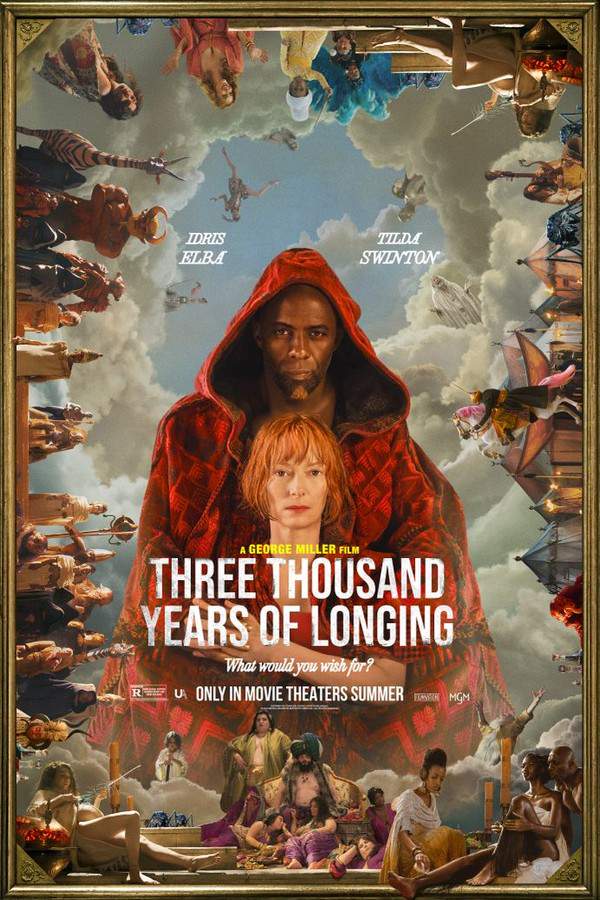
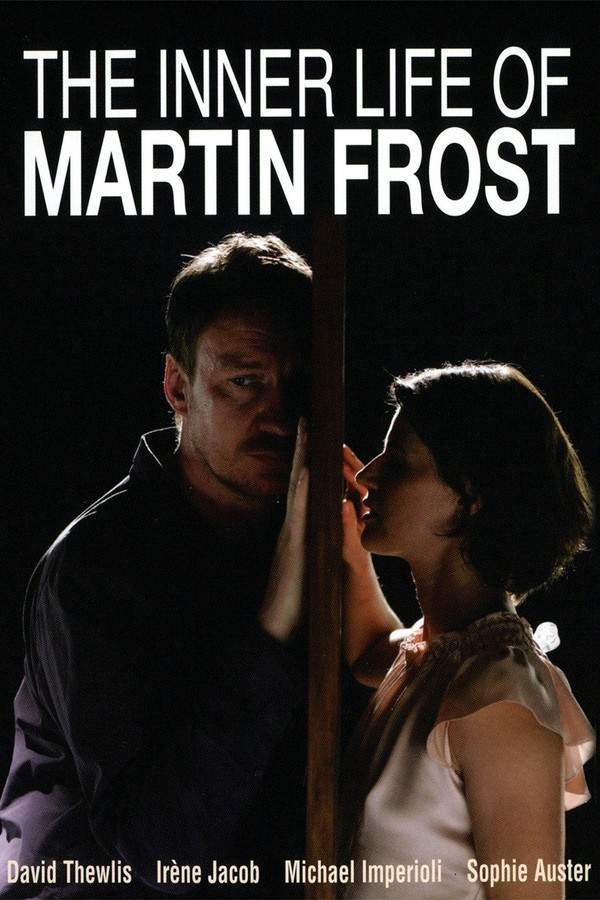
Movies with Whimsical Melancholy like The Fall

Visually stunning journeys that find beauty and hope within profound sadness. Explore films similar to The Fall that master a tone of whimsical melancholy. If you were moved by the film's blend of stunning fantasy and heartfelt sadness, this list features visually poetic movies where beauty and grief intertwine, creating deeply compassionate and reflective stories about healing and human connection.

  • whimsical
  • melancholic
  • bittersweet
  • dreamlike
  • visually stunning
  • compassionate
  • Tone: bittersweet, melancholic, whimsical
  • Pacing: variable, contemplative
Why these movies?

The story pattern: The emotional journey in these films is defined by a central melancholy—often stemming from loss, isolation, or trauma—that is processed through a lens of imagination and visual splendor. The narrative allows characters (and viewers) to sit with sadness while simultaneously being uplifted by moments of whimsy, beauty, and human connection, leading to a nuanced, bittersweet resolution.

Why they belong together: These films are grouped by their unique tonal blend, combining a melancholic emotional core with a whimsical, often visually spectacular, presentation. They share a medium emotional weight, avoiding utter despair by finding light and hope through imaginative expression and compassionate character bonds.

If you liked this

Movies Like The Fall

Similar movies to The Fall: the same genre, themes or kind of story. Each one comes with its own plot summary, timeline and ending explained.

Browse all movie summaries

Every angle

The Fall (2008) Explained: Plot, Timeline & Characters

Everything about The Fall in one place: what happens in the plot summary, the timeline in chronological order, the characters and meaning and a spoiler-free summary. What's After the Movie adds the cast, box office and post-credit scenes.

Coming soon on iOS and Android

The Plot Explained Movie Summary App

Plot summaries, endings explained and timelines on your phone. Catch up on any movie in minutes, save your favorites and never miss a twist again.

Be the first to know when we launch. Your email stays private, always.

Learn more about the app