Plot Explained Spoilers guaranteed!
Plot Explained

Browse by genre

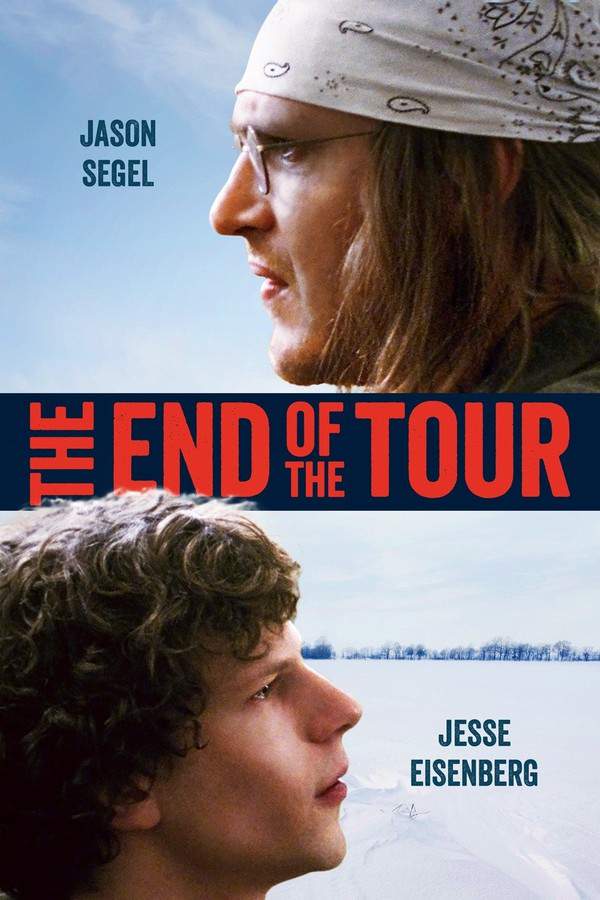
The End of the Tour (2015) movie poster

Characters & Themes

The End of the Tour (2015) Characters, Setting & Themes Explained

Release, runtime and language
2015 · 106 min · English
Loading streaming availability…
Directed by
James Ponsoldt
Starring
Ron Livingston, Jesse Eisenberg, Joan Cusack, Mickey Sumner, Anna Chlumsky, Jason Segel

Following the immense success of Infinite Jest, Rolling Stone journalist David Lipsky spends five days with reclusive author David Foster Wallace. The encounter becomes a revealing exploration of Wallace’s complex personality and creative process. Through candid conversations, Lipsky attempts to understand the man behind the literary sensation, while also grappling with his own ambitions. The experience becomes a poignant and unforgettable moment, forever preserved in a collection of interview tapes.

On this page (11)
  1. 1 Where to watch
  2. 2 Characters explained (3)
  3. 3 Character relationship map
  4. 4 Where & when it takes place
  5. 5 Themes & meaning (3)
  6. 6 Character & meaning questions
  7. 7 The book behind the movie
  8. 8 Movie threads
  9. 9 Movies like The End of the Tour
  10. 10 Categories
  11. 11 Every angle
Loading streaming availability…

3 main characters · contains spoilers

The End of the Tour Characters Explained: Who Is Who

The main characters of The End of the Tour (2015), heroes and villains: what drives them, how they change over the course of the story and what each of them reveals about the film's bigger ideas.

  • David Lipsky (Jesse Eisenberg)

    David Lipsky is an ambitious journalist grappling with his own writing success. His fascination with Wallace's brilliance leads him on a journey of introspection and emotional growth. Throughout the film, Lipsky's character undergoes a transformation as he reflects on his life's purpose and the burdens of fame.

    • 📝 Journalist
    • 🎤 Interviewer
    • 🤔 Introspective
  • David Foster Wallace (Jason Segel)

    David Foster Wallace is portrayed as a brilliant yet troubled author whose insight captivates Lipsky. Known for his unique perspectives on life, Wallace's character embodies the struggles of creativity and the heavy toll of mental illness. His depth and vulnerability become central to the conversations, leaving a lasting impact on Lipsky.

    • 📖 Author
    • 🌌 Enigmatic
    • 😞 Complex
  • Bob Levin (Ron Livingston)

    Bob Levin serves as Lipsky's editor and a voice of reason throughout the film. His pragmatic approach contrasts with Lipsky's emotional journey, representing the pressures of the journalism world. Levin's character provides a grounded perspective on the need for a compelling narrative amidst the chaos of literary fame.

    • 📚 Editor
    • 💼 Pragmatic
    • 📞 Supportive

Last updated: October 28, 2026 at 19:22

Was this helpful?

2 characters · 1 connections · contains spoilers

The End of the Tour Character Relationship Map

Who is connected to whom in The End of the Tour: family, love, friendships, rivalries and hidden ties, colour-coded. Pick a character to see their side of the story, or a connection to see what brings two characters together.

DLDavid LipskyJesse EisenbergDFDavid FosterWallaceJason Segel

Last updated: October 28, 2026 at 19:22

Was this helpful?

Setting

Where and When Does The End of the Tour Take Place?

The setting of The End of the Tour (2015): the year and time period, the places and locations, and how they shape the characters, the mood and the tension of the story.

Time period

2008

The movie is set in 2008, shortly after the tragic news of David Foster Wallace's death. This period highlights a growing awareness and conversation around mental health and the complexities of fame in the literary world. The nostalgia of the early 2000s is palpable as Lipsky reflects on his past interview with Wallace, intertwining themes of success and loss.

Location

Illinois

Illinois serves as the backdrop for the intimate conversations between David Lipsky and David Foster Wallace. Known for its diverse culture and as a hub for literature, this state provides a fitting context for their deep discussions on life, fame, and the human experience. Wallace's home, where much of the interaction takes place, reflects both his creative world and personal struggles.

  • 📍 Location
  • 📚 Literature

Last updated: October 28, 2026 at 19:22

Was this helpful?

3 major themes

The End of the Tour Meaning: Themes & Message Explained

What is The End of the Tour (2015) really about? The emotional, social and philosophical themes the film keeps returning to, its symbolism and the message beneath the surface.

  • Mental Health

    The theme of mental health is central to the narrative, exploring Wallace's struggles with depression and its impact on his life and work. The conversations between Lipsky and Wallace delve into the stigma surrounding mental illness and the genuine challenges faced by individuals in the creative industry. It draws attention to the need for understanding and support in the face of such challenges.

  • Artistic Expression

    Artistic expression is a significant theme as Lipsky and Wallace navigate the complexities of creativity and authenticity in their work. Their discussions reveal the insecurities and pressures that often accompany literary success. The dialogue emphasizes the importance of vulnerability in art, illustrating how personal experiences shape the creative process.

  • Connection

    The theme of connection runs deep in the film, highlighting the relationship between Lipsky and Wallace. Their dialogues cover loneliness and the desire for authentic connections, revealing how conversations can bridge gaps of isolation. As Lipsky reflects on his time with Wallace, it becomes clear that their shared moments provided solace and understanding for both men.

Last updated: October 28, 2026 at 19:22

Was this helpful?

Character & theme questions

The End of the Tour Characters & Meaning: Your Questions Answered

The questions people ask about The End of the Tour (2015): who the characters really are, their relationships, what the symbols mean, where it takes place and what the movie is really about. Each answer contains spoilers.

Q1

Where does The End of the Tour take place?

The film is set primarily in Illinois, specifically at David Foster Wallace's home. Illinois serves as the backdrop for the intimate conversations between Lipsky and Wallace, providing a fitting context for their discussions on life, literature, and the human experience.

  • illinois
  • setting
  • location
  • david foster wallace home
Q2

When is The End of the Tour set?

The movie is set in 2008, shortly after David Foster Wallace's death. While the actual interview occurred in 1996, the film uses the 2008 framing to add nostalgic weight, highlighting the early 2000s and the context of Wallace's passing.

  • 2008
  • time period
  • 1996
  • timeline
  • setting
Q3

Is The End of the Tour based on a true story?

Yes, The End of the Tour is based on actual events. The film adapts David Lipsky's memoir 'Although of Course You End Up Becoming Yourself' about his real five-day interview with David Foster Wallace in 1996 following the publication of 'Infinite Jest.'

  • true story
  • based on
  • memoir
  • david lipsky
  • interview
Q4

What are the main themes in The End of the Tour?

The film explores three major themes: mental health, focusing on Wallace's struggles with depression; artistic expression, examining the pressures of literary success; and connection, highlighting the deep bond formed between Lipsky and Wallace during their conversations.

  • themes
  • mental health
  • depression
  • artistic expression
  • connection
Q5

Who is David Lipsky in The End of the Tour?

David Lipsky is an ambitious Rolling Stone journalist portrayed by Jesse Eisenberg. He interviews Wallace after the success of 'Infinite Jest' and experiences his own emotional growth, reflecting on his life's purpose and the burdens of fame throughout the film.

  • david lipsky
  • journalist
  • character
  • jesse eisenberg
Q6

Who is David Foster Wallace in the movie?

David Foster Wallace is portrayed by Jason Segel as a brilliant yet troubled author known for 'Infinite Jest.' His character embodies the struggles of creativity and the toll of mental illness, becoming the central figure whose depth and vulnerability impact Lipsky profoundly.

  • david foster wallace
  • author
  • jason segel
  • infinite jest
Q7

What role does Bob Levin play in The End of the Tour?

Bob Levin, played by Ron Livingston, serves as Lipsky's editor and represents the practical side of journalism. His pragmatic approach contrasts with Lipsky's emotional journey, grounded in the pressures of producing compelling narratives amid literary fame.

  • bob levin
  • editor
  • ron livingston
  • supporting character
Q8

How does The End of the Tour handle the topic of mental health?

Mental health is central to the narrative, exploring Wallace's struggles with depression and its impact on his work and life. The film addresses the stigma surrounding mental illness and the challenges faced by creative individuals, drawing attention to the need for understanding and support.

  • depression
  • mental health
  • stigma
  • mental illness
  • struggles
Q9

What does The End of the Tour say about artistic expression?

The film explores how artistic expression involves vulnerability and authenticity. Lipsky and Wallace discuss the insecurities and pressures that accompany literary success, showing how personal experiences shape the creative process and the cost of creative genius.

  • artistic expression
  • creativity
  • authenticity
  • vulnerability
  • literary success
Q10

What is the relationship between David Lipsky and David Foster Wallace?

The relationship evolves from interviewer and subject to a profound human connection. Their conversations bridge isolation and loneliness, providing both men with solace and understanding. Lipsky reflects on this bond as a transformative experience that stays with him after Wallace's death.

  • relationship
  • connection
  • interview
  • bond
  • loneliness
Q11

What is the tone and mood of The End of the Tour?

The film has a predominantly melancholic tone, rooted in the framing of Wallace's suicide. While conversations have moments of warmth and humor, the overall mood is reflective and sad, creating an impactful emotional experience centered on themes of depression and genius.

  • tone
  • mood
  • melancholic
  • emotional
  • sad
Q12

How does the dual-timeline structure work in The End of the Tour?

The film uses a dual-timeline structure, moving between the 1996 interview and the 2008 framing device following Wallace's death. This narrative approach adds depth to the character observations, creating a bittersweet reflection on their meeting with the knowledge of what would happen.

  • dual timeline
  • structure
  • 1996
  • 2008
  • narrative

Movie threads

More Movies Like The End of the Tour, by Mood & Story

Curated lists built around what makes The End of the Tour tick: the same mood, the same kind of story or the same emotional payoff. Each list explains why these movies belong together.

Profiles of Troubled Genius like in The End of the Tour

Intimate character studies of brilliant minds grappling with fame and inner demons. Movies like The End of the Tour that delve into the personal lives of brilliant but troubled figures. If you enjoyed the intimate, reflective look at David Foster Wallace, you'll find similar character-driven dramas exploring the cost of creativity and the weight of genius.

  • introspective
  • melancholic
  • somber
  • thoughtful
  • lonely
  • candid
  • Tone: melancholic, introspective, somber
  • Pacing: slow, deliberate, conversational
Why these movies?

The story pattern: Narratives in this thread are typically structured around an observer's perspective—a journalist, a friend, or a colleague—who gets close to a gifted but fragile subject. The story unfolds through conversation and quiet observation, revealing the deep-seated loneliness, depression, or existential angst that often accompanies extraordinary talent.

Why they belong together: These movies are grouped together because they share a deep focus on character over plot, a melancholic and introspective tone, and a heavy emotional weight centered on themes of genius, mental health, and the isolating nature of success.

Conversational Slow Burn Movies like The End of the Tour

Films where the plot is the dialogue, revealing characters through extended, candid talks. If you liked The End of the Tour for its deep, meandering conversations, these similar films prioritize dialogue over action. Find other slow-paced dramas where character revelation happens through extended, intimate talks, capturing a specific mood of thoughtful reflection.

  • conversational
  • intimate
  • reflective
  • thoughtful
  • candid
  • slow burn
  • Tone: reflective, intimate, candid
  • Pacing: slow, deliberate, real-time feel
Why these movies?

The story pattern: The narrative pattern is defined by a confined setting and a limited timeframe—a road trip, a long interview, a shared waiting period—that forces characters into prolonged dialogue. The arc is emotional and psychological, charting the ebbs and flows of a relationship built entirely on words, often with a bittersweet or poignant conclusion.

Why they belong together: These films share a specific structural and tonal DNA: a deliberate SLOW pacing that allows conversations to breathe, a MEDIUM intensity derived from interpersonal dynamics rather than action, and a focus on creating an intimate, often melancholic, vibe through dialogue.

If you liked this

Movies Like The End of the Tour

Similar movies to The End of the Tour: the same genre, themes or kind of story. Each one comes with its own plot summary, timeline and ending explained.

Browse all movie summaries

Categories

Movie Lists Featuring The End of the Tour

The End of the Tour appears in these hand-built movie categories. Each one groups movies by a specific mood, theme or story type, with their plot summaries and endings explained.

View all movie categories

Every angle

The End of the Tour (2015) Explained: Plot, Timeline & Characters

Everything about The End of the Tour in one place: what happens in the plot summary, the timeline in chronological order, the characters and meaning and a spoiler-free summary. What's After the Movie adds the cast, box office and post-credit scenes.

Coming soon on iOS and Android

The Plot Explained Movie Summary App

Plot summaries, endings explained and timelines on your phone. Catch up on any movie in minutes, save your favorites and never miss a twist again.

Be the first to know when we launch. Your email stays private, always.

Learn more about the app