











Plot Explained Spoilers guaranteed!
Plot Explained

Browse by genre

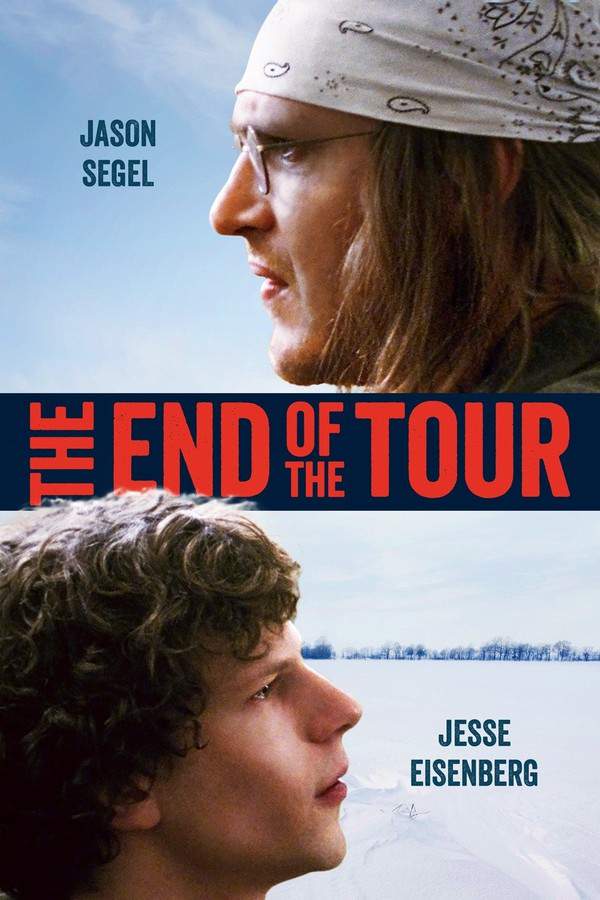
The End of the Tour (2015) movie poster

Timeline

The End of the Tour (2015) Timeline Explained – Every Event in Order

Release, runtime and language
2015 · 106 min · English
JustWatch #240 34
Directed by
James Ponsoldt
Starring
Ron Livingston, Jesse Eisenberg, Joan Cusack, Mickey Sumner, Anna Chlumsky, Jason Segel

Following the immense success of Infinite Jest, Rolling Stone journalist David Lipsky spends five days with reclusive author David Foster Wallace. The encounter becomes a revealing exploration of Wallace’s complex personality and creative process. Through candid conversations, Lipsky attempts to understand the man behind the literary sensation, while also grappling with his own ambitions. The experience becomes a poignant and unforgettable moment, forever preserved in a collection of interview tapes.

On this page (8)
  1. 1 Where to watch
  2. 2 Events in order (12)
  3. 3 Timeline questions answered
  4. 4 The book behind the movie
  5. 5 Movie threads
  6. 6 Movies like The End of the Tour
  7. 7 Categories
  8. 8 Every angle

Where to watch

Where to Watch The End of the Tour (2015)

Where can you watch The End of the Tour? Stream, rent or buy it in the US, including on IndieFlix, Netflix and Netflix Standard: current JustWatch availability with up-to-date prices.

Streaming availability powered by JustWatch

12 events in order · contains spoilers

The End of the Tour Timeline: Events in Chronological Order

Every key event of The End of the Tour (2015) in order, scene by scene, with when and where it takes place. Use it to untangle flashbacks, time jumps and parallel storylines, to refresh your memory before the sequel or to find the exact scene you are thinking of.

  1. David Lipsky Receives News

    In 2008, David Lipsky receives a call from Bob Levin about the unconfirmed suicide of David Foster Wallace, a renowned author. Initially skeptical, Lipsky turns to the internet and is devastated to realize the news is true, leading to an overwhelming sense of disbelief.

    When
    2008
  2. Tributes Pour In

    As news of Wallace's passing circulates, tributes and remembrances begin to pour in from across the literary community. Lipsky, grappling with his feelings, is asked to read a eulogy on his local radio station, an experience that forces him to confront the loss of a literary giant.

  3. Reflection on Past Interview

    While searching through old cassette tapes, Lipsky is transported back twelve years to his time with Wallace when he conducted an in-depth interview for Rolling Stone. This retrospective finds Lipsky remembering his excitement and admiration for Wallace during their initial encounters.

  4. Proposal for Exclusive Interview

    At that earlier time, Dave Lipsky proposes an exclusive interview with Wallace to his boss, Bob Levin, believing the author’s literary genius deserves wider recognition. Levin agrees, albeit with caution, advising Lipsky to find a compelling story that resonates.

  5. Arrival in Illinois

    On Day One of the interview, Lipsky flies to Illinois but finds himself lost and awkwardly calls Wallace, highlighting the author's discomfort with direct contact. This sets a tense tone for their first meeting at Wallace's home, where Lipsky is greeted by the author and his two dogs.

    When
    Day One
    Where
    Illinois
  6. Teaching Class

    During their first day together, Lipsky accompanies Wallace to teach a class, observing the unique rapport Wallace has with his students. This observation reveals a glimpse into the author's charisma and teaching style, creating a connection between the two men.

    When
    Day One
  7. Dinner Discussion

    Later that evening, Lipsky and Wallace share a dinner, which turns into deep conversation about fame, relationships, and the pressures of success. Wallace opens up about his struggles with loneliness, addiction, and the transient nature of happiness, leading to a profound exchange.

    When
    Day One
  8. Casual Morning Together

    On Day Two, Lipsky enjoys a casual morning with Wallace, where they bond over food and casual conversation. They discuss their thoughts on authenticity and the nature of their audience, revealing both men's desires to connect meaningfully with readers.

    When
    Day Two
  9. Wallace Closes Off

    However, as Lipsky gently probes into Wallace's battles with depression and his mental health past, the conversation takes a somber turn. Wallace becomes emotionally distant, showing the struggles he faced beneath his literary success.

    When
    Day Two
  10. Day Five at McDonald's

    On Day Five, Lipsky shares a cheerful moment with Wallace at a McDonald's, marking a high point in their conversations. They discuss life and connection, with Lipsky feeling a mix of admiration and sadness as he reflects on their last exchanges.

    When
    Day Five
  11. Reflection After the Loss

    As Lipsky listens to the old tapes in 2008, he is emotionally overwhelmed by the depth of their discussions and Wallace’s profound impact on him. This period of reflection leads Lipsky to document their conversations in a memoir, attempting to navigate his grief.

    When
    2008
  12. Finding Solace in Conversations

    In writing his memoir, Lipsky seeks solace in the moments he cherished with Wallace. He articulates the importance of their discussions, signifying how their interactions provided him comfort and helped alleviate his own feelings of isolation.

Last updated: November 15, 2024 at 19:43

Was this helpful?

Timeline questions answered

The End of the Tour Timeline Explained: Your Questions Answered

When does it happen, and why in that order? The questions people ask about the chronology of The End of the Tour (2015): time jumps, flashbacks, cause and effect between scenes and the correct order of events, each answered with spoilers.

Q1

Why was David Lipsky so devastated by Wallace's suicide?

Lipsky was devastated because the interview in 1996 had a profound impact on him that he only fully understood after Wallace's death. Listening to the tapes in 2008, he realized their conversations had helped ease his own feelings of isolation and loneliness. The sudden loss of someone who had made him feel 'less alone' created a deep emotional void that he struggled to process.

Foreshadowing: Earlier scenes show Lipsky reflecting on how meaningful his time with Wallace was, hinting at the weight his death would carry.

  • david lipsky
  • david foster wallace
  • suicide
  • grief
  • emotional impact
Q2

Why did Wallace become emotionally distant when asked about depression?

Wallace closed off because he struggled deeply with depression and mental health issues throughout his life. When Lipsky probed into his experience with depression and a brief stay in a mental hospital, Wallace became emotionally guarded. This reaction revealed the vulnerability beneath his public persona as a literary genius, showing that discussing his mental health struggles was too painful for him to share openly.

Foreshadowing: Wallace's earlier dinner discussion about loneliness and the transient nature of happiness hints at his internal battles.

  • depression
  • mental health
  • emotional guard
  • david foster wallace
Q3

Why did David Foster Wallace agree to the Rolling Stone interview?

Despite being notoriously reclusive, Wallace agreed to the interview because he felt a genuine connection with Lipsky during their initial phone calls and meetings. He also wanted to promote his work and engage with readers directly. However, he insisted on strict off-the-record rules to protect his privacy, showing his ongoing struggle between wanting connection and maintaining boundaries.

Foreshadowing: Wallace's discomfort with direct contact from fans is established early when Lipsky calls him lost in Illinois.

  • interview
  • agreement
  • reclusive
  • david foster wallace
  • rolling stone
Q4

What was the purpose of the 2008 timeline in the movie?

The 2008 timeline serves as a framing device that adds emotional weight to the entire narrative. By showing Lipsky learning about Wallace's suicide and listening to the old interview tapes, the film establishes the tragic context of their relationship. This structure allows viewers to understand the profound impact Wallace had on Lipsky, making their 1996 conversations carry deeper meaning knowing how their story would end.

Foreshadowing: The film opens with Lipsky receiving news of Wallace's death, immediately setting the melancholic tone.

  • 2008 timeline
  • framing device
  • suicide
  • emotional weight
Q5

Why did David Lipsky write a memoir about the interview?

Lipsky wrote the memoir as a way to process his grief and preserve the meaningful conversations he shared with Wallace. After listening to the tapes in 2008, he was emotionally overwhelmed by how profoundly the interview had affected him. By documenting their discussions, he sought solace and a way to articulate the importance of their interactions, hoping to convey to Wallace how much their time together had helped ease his loneliness.

Foreshadowing: The 2008 scenes show Lipsky listening to tapes with clear emotional intensity, setting up his decision to write.

  • memoir
  • grief
  • documentation
  • david lipsky
Q6

What did Wallace mean about his struggles with fame and loneliness?

During their dinner conversation, Wallace opened up about the isolation that came with literary fame. He discussed how success brought unexpected loneliness, the pressure of being perceived as a genius, and the difficulty of maintaining genuine relationships. Wallace reflected on addiction and the ephemeral nature of happiness, revealing the gap between his public success and private struggles.

Foreshadowing: Wallace's teaching style shows his genuine desire to connect with students, contrasting with his admitted loneliness.

  • fame
  • loneliness
  • success
  • addiction
  • david foster wallace
Q7

Why was the McDonald's scene significant?

The McDonald's scene on Day Five represents a turning point where both men let their guards down in a casual, unpretentious setting. It marked a high point in their relationship, with Wallace appearing more cheerful and open. This humble setting symbolized authenticity for Wallace, who valued simplicity. For Lipsky, this moment became a cherished memory that he reflected on heavily after Wallace's death.

Foreshadowing: Their earlier discussions about authenticity and connecting with audiences build toward this more relaxed exchange.

  • mcdonalds
  • day five
  • connection
  • authenticity
Q8

How did meeting Wallace change David Lipsky?

Meeting Wallace fundamentally changed Lipsky by showing him what genuine intellectual connection felt like. Through their conversations about art, fame, and personal demons, Lipsky gained perspective on his own ambitions and loneliness. The experience stayed with him for twelve years, ultimately leading him to realize that being with Wallace made him feel less alone, a realization that became more profound after Wallace's death.

Foreshadowing: Lipsky's initial excitement about meeting a 'literary giant' hints at the transformative impact he hoped for.

  • transformation
  • personal growth
  • connection
  • david lipsky
Q9

What was the tension between Lipsky and Wallace?

The tension stemmed from the inherent conflict between a journalist seeking a compelling story and a reclusive author protecting his privacy. Lipsky constantly navigated the line between getting Wallace to open up and respecting his boundaries. This was especially evident when Wallace set strict off-the-record rules and when he withdrew emotionally after sensitive questions about depression. Their dynamic balanced admiration with professional scrutiny.

Foreshadowing: Day One establishes this tension through Wallace's discomfort with direct contact and his insistence on privacy rules.

  • interviewer
  • tension
  • privacy
  • boundaries
  • dynamic
Q10

Why did Lipsky say being with Wallace made him feel less alone?

Lipsky felt less alone because Wallace's candid conversations about loneliness, fame, and personal struggles created a genuine connection that transcended the typical journalist-subject relationship. Despite Wallace's reputation as an intimidating genius, he was open about his own vulnerabilities. This authenticity made Lipsky feel understood and less isolated in his own life, a feeling that stayed with him long after the interview ended.

Foreshadowing: Their discussions about authenticity and connecting with audiences foreshadow this deeper emotional connection.

  • loneliness
  • connection
  • understanding
  • authenticity

Movie threads

More Movies Like The End of the Tour, by Mood & Story

Curated lists built around what makes The End of the Tour tick: the same mood, the same kind of story or the same emotional payoff. Each list explains why these movies belong together.

Profiles of Troubled Genius like in The End of the Tour

Intimate character studies of brilliant minds grappling with fame and inner demons. Movies like The End of the Tour that delve into the personal lives of brilliant but troubled figures. If you enjoyed the intimate, reflective look at David Foster Wallace, you'll find similar character-driven dramas exploring the cost of creativity and the weight of genius.

  • introspective
  • melancholic
  • somber
  • thoughtful
  • lonely
  • candid
  • Tone: melancholic, introspective, somber
  • Pacing: slow, deliberate, conversational
Why these movies?

The story pattern: Narratives in this thread are typically structured around an observer's perspective—a journalist, a friend, or a colleague—who gets close to a gifted but fragile subject. The story unfolds through conversation and quiet observation, revealing the deep-seated loneliness, depression, or existential angst that often accompanies extraordinary talent.

Why they belong together: These movies are grouped together because they share a deep focus on character over plot, a melancholic and introspective tone, and a heavy emotional weight centered on themes of genius, mental health, and the isolating nature of success.

Conversational Slow Burn Movies like The End of the Tour

Films where the plot is the dialogue, revealing characters through extended, candid talks. If you liked The End of the Tour for its deep, meandering conversations, these similar films prioritize dialogue over action. Find other slow-paced dramas where character revelation happens through extended, intimate talks, capturing a specific mood of thoughtful reflection.

  • conversational
  • intimate
  • reflective
  • thoughtful
  • candid
  • slow burn
  • Tone: reflective, intimate, candid
  • Pacing: slow, deliberate, real-time feel
Why these movies?

The story pattern: The narrative pattern is defined by a confined setting and a limited timeframe—a road trip, a long interview, a shared waiting period—that forces characters into prolonged dialogue. The arc is emotional and psychological, charting the ebbs and flows of a relationship built entirely on words, often with a bittersweet or poignant conclusion.

Why they belong together: These films share a specific structural and tonal DNA: a deliberate SLOW pacing that allows conversations to breathe, a MEDIUM intensity derived from interpersonal dynamics rather than action, and a focus on creating an intimate, often melancholic, vibe through dialogue.

If you liked this

Movies Like The End of the Tour

Similar movies to The End of the Tour: the same genre, themes or kind of story. Each one comes with its own plot summary, timeline and ending explained.

Browse all movie summaries

Categories

Movie Lists Featuring The End of the Tour

The End of the Tour appears in these hand-built movie categories. Each one groups movies by a specific mood, theme or story type, with their plot summaries and endings explained.

View all movie categories

Every angle

The End of the Tour (2015) Explained: Plot, Timeline & Characters

Everything about The End of the Tour in one place: what happens in the plot summary, the timeline in chronological order, the characters and meaning and a spoiler-free summary. What's After the Movie adds the cast, box office and post-credit scenes.

Coming soon on iOS and Android

The Plot Explained Movie Summary App

Plot summaries, endings explained and timelines on your phone. Catch up on any movie in minutes, save your favorites and never miss a twist again.

Be the first to know when we launch. Your email stays private, always.

Learn more about the app