











Plot Explained Spoilers guaranteed!
Plot Explained

Browse by genre

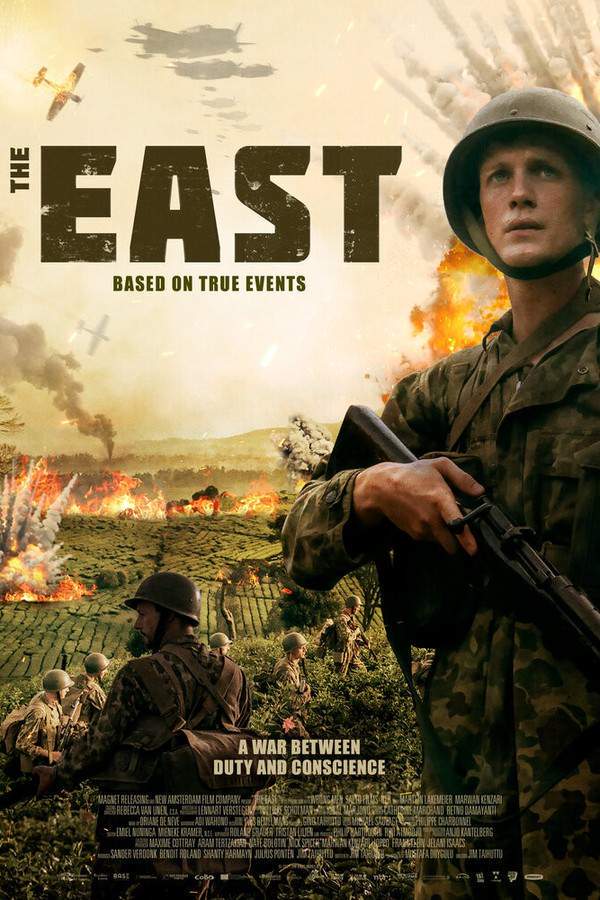
The East (2021) movie poster

Timeline

The East (2021) Timeline Explained – Every Event in Order

Release, runtime and language
2021 · 137 min · Dutch
Echo score 66
JustWatch #3,697 34
Directed by
Jim Taihuttu
Starring
Marwan Kenzari, Coen Bril, Jonas Smulders, Jeroen Perceval, Abel van Gijlswijk, Jim Deddes

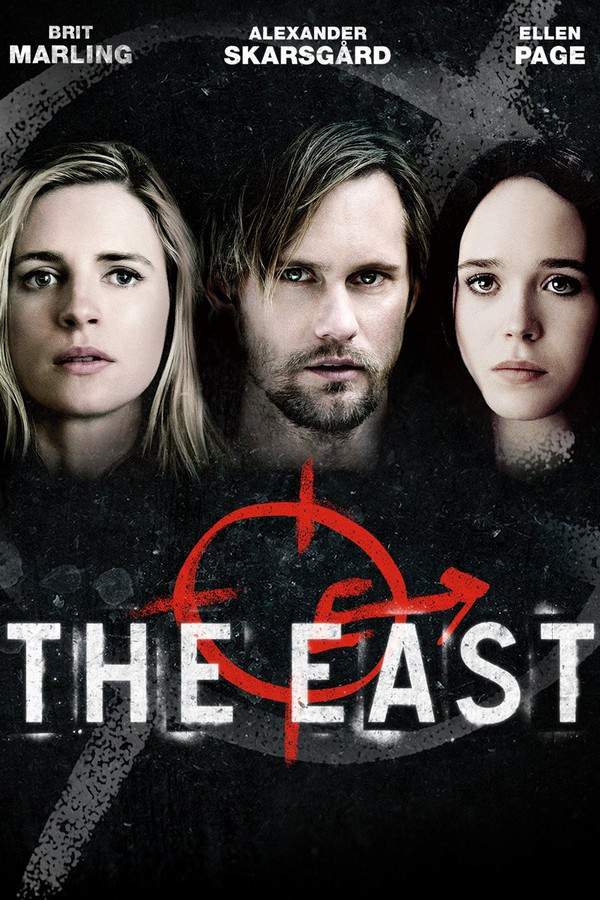
Sarah, an operative for a security firm, goes undercover to infiltrate a group called the East, which is dedicated to disrupting environmentally damaging corporations. Initially met with suspicion by one of the group’s core members, she gradually earns the trust of Benji, the East’s charismatic leader. As Sarah works to maintain her cover, she finds herself increasingly sympathetic to their cause and develops a complex connection with Benji, blurring the lines of her mission.

On this page (6)
  1. 1 Where to watch
  2. 2 Events in order (12)
  3. 3 Timeline questions answered
  4. 4 Movie threads
  5. 5 Movies like The East
  6. 6 Every angle

Where to watch

Where to Watch The East (2021)

Where can you watch The East? Stream, rent or buy it in the US, including on Amazon Prime Video, Philo and Hoopla: current JustWatch availability with up-to-date prices.

Streaming availability powered by JustWatch

12 events in order · contains spoilers

The East Timeline: Events in Chronological Order

Every key event of The East (2021) in order, scene by scene, with when and where it takes place. Use it to untangle flashbacks, time jumps and parallel storylines, to refresh your memory before the sequel or to find the exact scene you are thinking of.

  1. Arrival in Semarang and initial optimism

    Johan de Vries arrives in Semarang as a twenty-year-old Dutch soldier, beginning a mission the army says will liberate the Indonesian people. He believes he can help the local population and make a positive difference. From the start, he senses a growing disconnect between rhetoric and reality as hostility rises and abuses go unchallenged.

    When
    1946
    Where
    Semarang, Dutch East Indies
  2. Hostility toward the Dutch and war-crime complacency

    In Semarang, Johan witnesses a population that resents the Dutch presence. He also sees his fellow soldiers shrug off war crimes and treat civilians with contempt, often visiting brothels and calling locals 'monkeys'. The moral line blurs as expectation clashes with the soldiers' behavior.

    When
    1946
    Where
    Semarang region
  3. Guerrilla attack; Werner killed

    During a routine patrol, Indonesian guerrillas ambush the unit, killing Werner. The attack marks the shift from idealism to the brutal reality of counter-insurgency. Johan begins to glimpse the violence his role may demand.

    When
    1946
    Where
    On patrol near Semarang
  4. Westerling arrives and pressures Johan

    Captain Raymond Westerling arrives and takes charge of counter-guerrilla actions. He pushes Johan into a secret line of questioning and coercive methods, involving Johan in torturing the man who shot Werner. The mission tightens the grip of the purges and raises questions about justice.

    When
    1946
    Where
    Field, Dutch East Indies
  5. Deep into enemy territory; first killing

    Westerling leads Johan on a perilous trek deep into Indonesian territory to hunt guerrilla fighters. Johan commits his first killing in this brutal new environment. The violence hardens him and drives a wedge between him and his remaining humanity.

    When
    1946-1947
    Where
    Deep into South Sulawesi, Indonesia
  6. Promotion and increasing alienation

    Johan is promoted to corporal as the operation continues. He becomes more emotionally detached, and his comrades notice his distance as he shoots a guerrilla in cold blood. The boundary between soldier and killer fades.

    When
    1946-1947
    Where
    On mission, field operations
  7. Family rumors and the truth about his father

    Rumors spread within the camp about Johan's family. He has told others his family died, but in reality his father is imprisoned for his National Socialist past. The revelation adds personal guilt to the toll of the war.

    When
    1946-1947
    Where
    Camp, Dutch East Indies
  8. South Sulawesi purge mission; civilians die

    Leading a purge in South Sulawesi, the unit kills suspected guerrillas and also innocent civilians. Johan is troubled by the lack of due process and the bloodlust under Westerling's command. The moral cost of the campaign weighs heavily on him.

    When
    1946-1947
    Where
    South Sulawesi, Indonesia
  9. Innocent suspect; insubordination declared; outlaw

    In a settlement, a suspect pleads innocence and asks for a fair examination before conviction. Johan urges due process, but Westerling interprets this as treason and orders him to be shot alongside the other suspects. Johan flees into the jungle, and the pursuit culminates in Eddy Coolen's death while Mattias Cohen turns against him.

    When
    1946-1947
    Where
    Settlement in Sulawesi
  10. Confrontation and escape

    During the ensuing chase, Johan fights his way through the jungle, sustaining a gunshot wound and losing contact with his former comrades. Mattias's allegiance with Westerling deepens the fracture within the unit. The escape leaves Johan morally exhausted and increasingly isolated.

    When
    1946-1947
    Where
    Jungle, Sulawesi
  11. Return to the Netherlands and struggle to adapt

    Back in the Netherlands, Johan cannot readjust to civilian life. He struggles to find work and harbors growing hatred toward his father and the past. The war's traumas haunt him as he attempts to rebuild a sense of self.

    When
    late 1940s
    Where
    Netherlands
  12. Final confrontation and tragedy

    Years after returning home, Johan visits Westerling in the theater where he works as an actor. He shoots Westerling in the stomach and then commits suicide, ending a life defined by guilt and violence. The film closes on a stark note about the personal costs of the war.

    When
    years later
    Where
    Theater, Netherlands

Last updated: February 03, 2026 at 07:42

Was this helpful?

Timeline questions answered

The East Timeline Explained: Your Questions Answered

When does it happen, and why in that order? The questions people ask about the chronology of The East (2021): time jumps, flashbacks, cause and effect between scenes and the correct order of events, each answered with spoilers.

Q1

Why does Johan kill Westerling at the end?

Years after returning from the war, Johan seeks out Westerling, who is now working as an actor in a theater. The encounter represents the culmination of Johan's psychological trauma and moral reckoning. Westerling was the architect of Johan's moral destruction, pulling him into illegal missions, exposing him to war crimes, and ultimately declaring him an outlaw when Johan tried to object. Johan shoots Westerling in the stomach and then commits suicide, ending a life haunted by guilt, violence, and the inability to reconcile what he became.

Foreshadowing: Westerling's influence over Johan began early, pulling him into secretive counter-guerrilla operations that crossed moral lines.

  • johan
  • westerling
  • killing
  • suicide
  • revenge
  • moral reckoning
Q2

Why does Johan flee after Westerling declares him an outlaw?

When Johan argues for due process for a suspect who pleads innocence, Westerling interprets this as insubordination and treason. Westerling orders Johan to be shot alongside the other suspects. Rather than accept execution, Johan flees into the jungle. During this escape, he kills Eddy Coolen, his fellow soldier, in a desperate confrontation. This act permanently fractures his relationship with Mattias Cohen and the rest of his unit.

Foreshadowing: Johan's growing discomfort with Westerling's methods had been building throughout the South Sulawesi campaign.

  • johan
  • westerling
  • outlaw
  • flee
  • jungle
  • killing eddy
Q3

What is the truth about Johan's father and why does it matter?

Throughout the war, Johan tells his comrades that his family died. However, rumors circulate in the camp revealing the truth: his father is imprisoned for involvement with the National Socialist Movement during World War II. This revelation adds a layer of personal guilt and shame to Johan's psychological burden. When Johan returns to the Netherlands, his anger toward his father intensifies, contributing to his inability to adjust to civilian life.

Foreshadowing: The rumors about Johan's family background began circulating while he was still deployed.

  • johan
  • father
  • nazi
  • imprisoned
  • guilt
  • family secret
Q4

Why does Johan continue participating in Westerling's missions despite his moral objections?

Johan is initially pulled into Westerling's operations through pressure and curiosity. After Werner de Val is killed in an ambush, Westerling involves Johan directly in tracking down the shooter and conducting interrogations. The escalating violence creates a rapid, disorienting education in power. Johan is also rewarded with a promotion to corporal, which alienates him from his comrades but also entangles him deeper in the system. His participation represents a combination of coercion, gradual desensitization, and the loss of clear moral boundaries.

Foreshadowing: Westerling's arrival immediately shifted the unit's operations toward more aggressive counter-guerrilla tactics.

  • johan
  • westerling
  • missions
  • torture
  • participation
  • moral compromise
Q5

What triggers Johan's moral crisis during the South Sulawesi purge?

During the South Sulawesi purge, Johan witnesses the unit killing suspected guerrillas alongside innocent civilians without any due process. The violence becomes indiscriminate and brutal. When a suspect pleads his innocence and asks for a fair examination, Johan attempts to argue for due process, only to have Westerling interpret this as treason. This moment crystallizes Johan's realization that he has been complicit in atrocities and that speaking out results in being marked for death.

Foreshadowing: Earlier scenes showed Johan witnessing beheaded villagers and soldiers treating civilians with contempt, foreshadowing his breaking point.

  • south sulawesi
  • purge
  • civilians
  • killing
  • moral crisis
  • due process
Q6

Why does Johan kill Eddy Coolen while fleeing?

When Westerling declares Johan an outlaw and orders him executed alongside the suspects, Johan flees into the jungle. During the pursuit, he encounters Eddy Coolen, his fellow soldier. In the brutal chaos of the escape, Johan kills Coolen, either in self-defense or as a desperate act to avoid capture. This killing haunts Johan significantly and represents the point of no return in his moral disintegration, permanently destroying his remaining connections to his former life.

Foreshadowing: The unit had already become fractured by rumors and shifting allegiances before this confrontation.

  • johan
  • eddy coolen
  • killing
  • escape
  • jungle
  • outlaw
Q7

Why does Johan struggle to readjust after returning to the Netherlands?

After the war, Johan returns to a Netherlands that offers him no path to normalcy. Jobs are scarce, and he is haunted by the traumas of what he witnessed and did in Indonesia. His anger extends to his father, whose Nazi past Johan discovers was concealed during the war. The combination of combat trauma, moral guilt from his actions, and unresolved family shame creates a psychological wound that never heals, ultimately leading to his final confrontation with Westerling.

Foreshadowing: The camp rumors about his father's imprisonment set the stage for the post-war conflict.

  • johan
  • netherlands
  • return
  • civilian life
  • trauma
  • father anger
Q8

How does Werner de Val's death affect Johan?

During a routine patrol near Semarang, Indonesian guerrillas ambush the Dutch unit and kill Werner de Val. This event marks a turning point in the film, shifting Johan from idealistic soldier to someone who begins glimpse the violence his role may demand. The attack also leads to Westerling's arrival and the escalation of counter-guerrilla operations, which pulls Johan deeper into the moral abyss of the conflict.

Foreshadowing: Before this attack, Johan still held onto hopeful narratives about liberating the Indonesian people.

  • werner de val
  • death
  • ambush
  • johan
  • turning point
  • guerrilla attack
Q9

Why does Westerling have such control over Johan?

Westerling is portrayed as a charismatic yet ruthless leader who operates beyond the bounds of ordinary military rules. After Werner's death, Westerling takes charge of counter-guerrilla actions and specifically targets Johan for involvement in his secret operations. Westerling's influence grows as he pulls Johan deeper into interrogations, torture, and extralegal killings. This combination of charisma, authority, and shared trauma creates a powerful psychological hold over the young soldier.

Foreshadowing: Westerling's arrival immediately raised questions about justice and proper military conduct.

  • westerling
  • johan
  • influence
  • charisma
  • ruthless
  • control
Q10

What does Johan's promotion to corporal represent in his transformation?

Johan's promotion to corporal comes as a reward for his participation in Westerling's brutal operations. Howeverates him further from his fellow, the promotion alien soldiers. He becomes more emotionally detached, and his comrades notice his growing distance. The rank symbolizes his transition from idealistic soldier to a complicit participant in war crimes. He shoots a guerrilla in cold blood, marking the blurring of boundaries between soldier and killer.

Foreshadowing: The promotion occurs during the same period when Johan commits his first killing in enemy territory.

  • johan
  • promotion
  • corporal
  • alienation
  • killing
  • moral deterioration
Q11

What is Chaplain Janssen's significance in the story?

Chaplain Janssen represents the moral counterpoint to the brutality of the campaign. His presence in the camp serves as a reminder that faith and mercy once had a place even amid the fog of war. While most soldiers either participate in or turn away from the violence, Janssen embodies the conscience that Johan is losing. His quiet presence highlights the moral vacuum that consumes Johan and his comrades.

Foreshadowing: Janssen's contrasting morality makes Johan's descent more poignant.

  • chaplain janssen
  • faith
  • moral counterpoint
  • conscience
  • war
Q12

Why are the Dutch soldiers so indifferent to war crimes against Indonesian civilians?

The summary depicts Dutch soldiers who are frequently indifferent to the consequences of their actions. They visit local brothels, call locals dehumanizing epithets like 'monkeys,' and shrug off war crimes. This behavior reflects the broader moral decay of the occupying force. The violence escalates after the guerrilla ambush, but the foundation for cruelty existed from the start. Johan observes this disconnect between the army's stated mission of liberation and the reality of colonial oppression.

Foreshadowing: The hostility toward the Dutch was evident from Johan's arrival in Semarang.

  • dutch soldiers
  • civilians
  • war crimes
  • contempt
  • indifference
  • colonial

Movie threads

More Movies Like The East, by Mood & Story

Curated lists built around what makes The East tick: the same mood, the same kind of story or the same emotional payoff. Each list explains why these movies belong together.

Movies about undercover operatives like The East

Agents go deep undercover, only to find their own convictions crumbling. If you liked the psychological tension of The East, explore more movies about undercover agents whose loyalties become dangerously blurred. These films feature high-stakes deception, moral ambiguity, and a deep dive into identity crises, perfect for fans of complex, character-driven thrillers.

  • undercover
  • psychological tension
  • moral ambiguity
  • identity crisis
  • ideological conflict
  • deception
  • Tone: tense, morally gray, bleak
  • Pacing: steady, deliberate
Why these movies?

The story pattern: The narrative follows an operative as they embed themselves within a hostile or ideologically opposed group. The initial mission clarity gradually erodes as the protagonist forms bonds and understands the group's perspective, leading to a crisis of conscience where the line between their cover identity and true self vanishes.

Why they belong together: These films are grouped by their shared focus on the psychological toll of undercover work. They prioritize the internal conflict of the protagonist over pure action, creating a tense, morally complex experience centred on themes of loyalty, ideology, and identity.

Grim war dramas about moral collapse like The East

Stories of individuals broken by the brutal systems they serve. Fans of The East's bleak portrayal of a soldier's moral disintegration will find similar powerful stories here. These movies explore the psychological toll of war, colonial violence, and institutional cruelty, often ending on a note of hopelessness and trauma.

  • grim
  • war crimes
  • despair
  • psychological turmoil
  • brutal
  • soldier
  • Tone: bleak, oppressive, brutal
  • Pacing: steady, methodical
Why these movies?

The story pattern: A linear, straightforward narrative charts a character's downfall. Beginning with a degree of idealism or duty, the character is exposed to extreme violence and ethical compromises. They are gradually desensitized, becoming active in the brutality, leading to a tragic endpoint that confirms the cyclical, inescapable nature of the trauma.

Why they belong together: These movies share an unflinching, bleak tone and a heavy emotional weight. They are united by the central theme of moral corruption within oppressive systems, a steady pacing that builds dread, and a high intensity derived from psychological turmoil and graphic violence.

If you liked this

Movies Like The East

Similar movies to The East: the same genre, themes or kind of story. Each one comes with its own plot summary, timeline and ending explained.

Browse all movie summaries

Every angle

The East (2021) Explained: Plot, Timeline & Characters

Everything about The East in one place: what happens in the plot summary, the timeline in chronological order, the characters and meaning and a spoiler-free summary. What's After the Movie adds the cast, box office and post-credit scenes.

Coming soon on iOS and Android

The Plot Explained Movie Summary App

Plot summaries, endings explained and timelines on your phone. Catch up on any movie in minutes, save your favorites and never miss a twist again.

Be the first to know when we launch. Your email stays private, always.

Learn more about the app