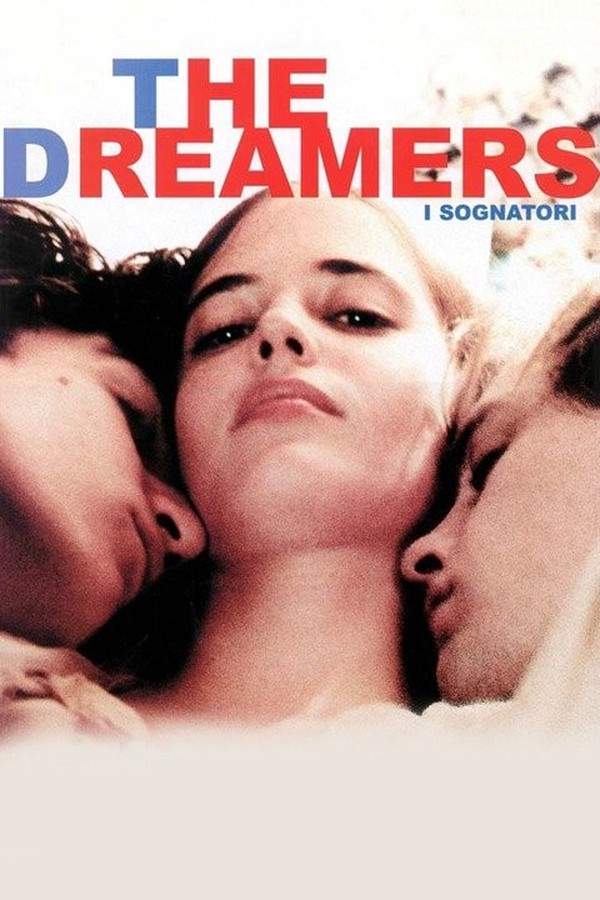
In the late 1960s, we follow 20-year-old Matthew (Michael Pitt), an American exchange student who has traveled to Paris to immerse himself in the study of the French language and culture. Matthew quickly becomes captivated by the artistic depth he finds in French cinema, prompting him to attend numerous film screenings in his quest to experience a wide array of film styles and stories.
Matthew finds himself amid a significant cultural movement, particularly when he joins a protest at the Cinematheque Francaise—a prominent film institution celebrated for its extensive collection of film artifacts and daily showings. The protest centers on the controversial firing of Henri Langlois, a visionary figure who championed the exhibition of classic and contemporary films alike. Langlois's dismissal, due to government pressure, is seen as a direct threat to artistic freedom and film preservation.
During this tumultuous period, Matthew encounters the spirited twin siblings—Théo (Louis Garrel) and Isabelle (Eva Green), both children of a celebrated French poet and an English woman. The trio forms a close bond, united by their shared passion for cinema. Their camaraderie is tested when the protest is violently broken up by police, forcing the three friends to flee through the captivating streets of Paris during the night.
Afterward, Théo invites Matthew to join his family for dinner, where the dynamics between siblings become apparent as they bicker like children despite their adulthood. Matthew impressively demonstrates his keen observational skills with a comment about the cosmic connections evident in the objects on the dinner table, sparking an intriguing conversation. The dinner also reveals the stark contrast between Théo's political views and those of his father, who refrains from supporting anti-Vietnam War petitions, prompting discussions about the responsibilities of artists and their societal roles.
Feeling a budding sense of belonging, Matthew writes to his mother about his newly forged friendships. As the parents (played by Anna Chancellor and Robin Renucci) go on a trip, Théo and Isabelle extend an invitation to Matthew to stay with them, giving him his own room in their home. However, while exploring the house late at night in search of the bathroom, he stumbles upon the twins sleeping together, raising questions about their unconventional views on nudity and sexuality.
Throughout their time together, the trio engages in playful yet provocative games, leading to scenarios where boundaries blur. In one of these games, Isabelle challenges Théo, and later, Matthew is drawn into a complicated relationship with her, igniting a romance steeped in confusion and desire. Matthew and Isabelle's relationship grows as he strives to take her out on traditional dates. The playful arguments they share cover various topics, from cinematic legends like Charlie Chaplin to political ideologies such as Maoism, showcasing their spirited debates.
However, tension arises as Théo responds to Matthew's pursuit of Isabelle by inviting another companion, causing discord amongst the three. In a surprising twist, an argument between the boys escalates to a point of unwarranted attraction, leading to a spontaneous moment where the three of them snuggle together, intertwining their fates further.
One fateful night, their idyllic arrangement is disrupted when their parents stumble upon them in a compromising position, leading to a dramatic turn of events that leaves Isabelle distressed. Determined to escape their predicament, she contemplates a drastic decision that would alter all of their lives. Yet, before any irreversible actions can take place, the world outside erupts with student riots, drawing the trio back into the chaos of societal upheaval.
As the atmosphere becomes electric with rebellion, Matthew grapples with his feelings of helplessness. Théo, fueled by the fervor of the protests, fully embraces the tumultuous energy, embodying the spirit of resistance as he and Isabelle join the fray. The film culminates in a powerful climax, capturing the struggle between individual desires and collective movements, leaving viewers with a sense of reflection on the complexities of youth, love, and the fervent fight for artistic and personal freedom amidst societal unrest.