Plot Explained Spoilers guaranteed!
Plot Explained

Browse by genre

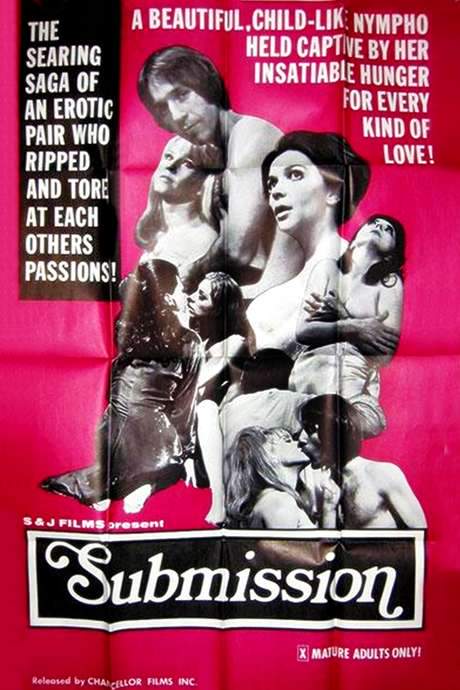
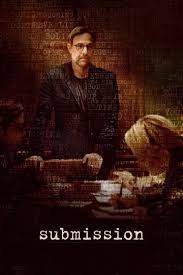
Submission (2018) movie poster

Plot Summary

Submission (2018) Plot Summary Explained

Release, runtime and language
2018 · 106 min
Echo score 55
Directed by
Richard Levine
Starring
Stanley Tucci, Janeane Garofalo, Colby Minifie, Ritchie Coster, Kyra Sedgwick, Addison Timlin

A struggling writer finds purpose and connection when he begins mentoring a gifted young student. Their shared love of writing fosters a close bond, but as their relationship deepens, it becomes increasingly complex. The mentor finds himself grappling with questions of influence, obligation, and the potential dangers of blurring professional boundaries in the pursuit of artistic inspiration.

On this page (7)
  1. 1 Where to watch
  2. 2 What happens: full plot
  3. 3 Plot questions answered
  4. 4 The book behind the movie
  5. 5 Movie threads
  6. 6 Movies like Submission
  7. 7 Every angle

Where to watch

Where to Watch Submission (2018)

Where can you watch Submission? Stream, rent or buy it in the US, including on Amazon Video, Apple TV Store and Fandango At Home: current JustWatch availability with up-to-date prices.

Streaming availability powered by JustWatch

Full plot summary · contains spoilers

What Happens in Submission: Full Plot Summary

The whole story of Submission (2018) explained, from the opening scene to the final frame: every key event, every twist and what it all adds up to. Read it as a quick recap before the sequel, to check a scene you missed, or to finally understand what really happened.

Ted Swenson is a once-prominent author who, after the modest success of his first novel, settles into a long run as a creative writing professor at Euston College in Vermont. He hopes the next book will finally let him leave the campus behind, but roughly a decade passes and he remains a tenured instructor, shaping the minds (and ambitions) of a new generation of writers. When a standout student, Angela Argo, asks him to read the first chapter of Eggs, he recognizes a rare combination of confidence and polish in her prose that hints at real potential. The moment becomes a catalyst for a larger, more complicated set of events.

Magda Moynahan, a colleague and voice of campus politics, warns him about Angela’s earlier, more vulgar poems and reveals that she insisted on donating them to the college library as a kind of performance art or protest. Librarians wrestle with the ethics of the donation, finding the poems obscene yet deciding to keep them as an example of candid expression within the school’s walls. Ted’s curiosity leads him to the poetry book, which largely collects erotic exchanges between a phone sex worker, Angela 911, and her clients. The discovery is jarring, not for its salacious content alone but for how it intersects with questions about free speech, taste, and the boundaries of artistic expression on a university campus.

A turning point comes at a dinner hosted by a colleague, where Ted and his wife, Sherrie Swenson, weigh the impact of new campus sexual harassment rules and the growing emphasis on political correctness in the classroom. The climate feels tense, and conversations drift toward how teachers should respond when sensitive material collides with student safety and institutional reputation. Ted is impressed by Angela’s writing and continues to encourage her, while she responds by supplying him with increasingly explicit late chapters. He reads her work and imagines himself within the narrative as the science teacher figure at its center, even as he tries to maintain professional boundaries and avoid letting personal attraction blur those lines.

The relationship intensifies when Angela asks for a ride to Burlington to pick up a new laptop. After a brief trip together, she invites him into her dorm to help set up the computer, and, despite his reluctance, he agrees to stay. What follows is an affair that begins with awkward humor—Ted’s tooth accidentally loosening during a tense moment—and slowly becomes more complex and uneasy. Back in the classroom, Angela loudly denounces the perceived weakness of her own plot and characters in front of the class, a moment that places Ted in an awkward position as the group expects him to intervene. Later, Angela asks him to pass her manuscript to his literary agent, a gesture that inadvertently foreshadows the professional consequences looming on the horizon.

The agent’s disinterest is swift, leaving Angela feeling exposed and betrayed, and Ted is left to explain the increasingly fragile dynamic before it spirals. He is blindsided when Angela later files a sexual harassment suit, presenting a recording of their conversation as proof. The campus community looks to him for accountability, and the weigh-in is harsh: his job, his marriage, and his reputation unravel under the scrutiny of the board, colleagues, and students. In a twist of publicity that the film treats with grim neutrality, Angela suddenly draws renewed attention from the literary world as a result of the controversy, a development that adds a bitter note to the fallout.

Fifteen months pass, and Ted finds himself writing his memoirs in a cafeteria, trying to reckon with what happened. A quiet moment arrives when he spots a woman at a table reading Eggs and, in a subdued, reflective mood, wonders how she feels about the book. The ending leaves a lingering sense of ambiguity and consequence: ambition, desire, and the price of crossing professional boundaries in an environment that increasingly polices speech and power.

Last updated: October 09, 2025 at 16:19

Was this helpful?

Plot questions answered

Submission Plot Explained: Your Questions Answered

The questions people ask most about Submission (2018): what happens in the confusing scenes, why the characters do what they do, the twists, hidden details and what the ending means. Each answer contains spoilers.

Q1

Why does Ted start a relationship with Angela despite being her professor?

Ted is drawn to Angela's exceptional writing talent and sees her as a rare promising student. After years of stagnation in his own career, Angela's confidence and potential rekindle his creative enthusiasm. Her increasingly explicit chapters blur the lines between professional mentorship and personal attraction, leading him to cross boundaries he initially intended to maintain.

Foreshadowing: Earlier, Ted reads Angela's erotic poetry, which shocks him but also piques his curiosity about her inner world.

  • ted swenson
  • angela argo
  • mentor student relationship
  • boundary crossing
  • professional ethics
Q2

Why does Angela file a sexual harassment suit against Ted?

After Ted presents her manuscript to his agent with seemingly little enthusiasm, Angela feels betrayed and exposed. She records their conversation about the agent rejection and uses it as evidence. The suit appears motivated by her feeling that Ted used their relationship professionally while dismissing her work, though the film leaves the exact motivation ambiguous.

Foreshadowing: Angela's earlier demand to donate her explicit poems to the library foreshadows her willingness to use provocative actions for attention.

  • sexual harassment suit
  • angela argo
  • recording evidence
  • lawsuit
  • betrayal
Q3

What evidence does Angela present in the harassment suit?

Angela presents a recording of her conversation with Ted after his agent rejects her manuscript. In the recording, Ted attempts to explain the agent's lack of interest, but Angela interprets this as him using their personal relationship for professional gain. The tape becomes the primary evidence that leads to Ted's termination.

Foreshadowing: The tension at the dinner about campus sexual harassment rules and political correctness establishes the climate that makes such accusations serious.

  • recording
  • taped conversation
  • evidence
  • termination
  • campus hearing
Q4

Why does Angela gain literary attention after the scandal?

The controversy surrounding the harassment suit paradoxically generates publicity for Angela's novel Eggs. Ted's agent suddenly becomes interested in her work because of the media attention, turning the scandal into a marketing opportunity. This bitter irony underscores the film's commentary on how scandal can fuel literary success regardless of merit.

Foreshadowing: Earlier, Ted's agent shows little interest in Angela's manuscript, contrasting sharply with the sudden attention after the lawsuit.

  • eggs novel
  • literary attention
  • media coverage
  • agent interest
  • irony
Q5

What happens to Ted after the harassment suit?

Ted loses his job at Euston College, his wife Sherrie leaves him, and his reputation among students and colleagues is severely damaged. The university board holds him accountable, and he faces professional ruin. Fifteen months later, he is working as a memoirist in a cafeteria, indicating a complete fall from his former academic position.

Foreshadowing: The campus dinner discussion about sexual harassment policies and political correctness foreshadows the severity of consequences Ted will face.

  • job loss
  • marriage end
  • reputation damage
  • consequences
  • firing
Q6

What is Angela's poetry collection about and why does it matter?

Angela's poetry collection consists of erotic conversations between a phone sex worker named Angela 911 and her clients. Ted discovers this collection at the library after his colleague warns him about her vulgar poems. The collection raises questions about free speech, artistic expression, and the boundaries of what belongs in an academic setting, foreshadowing the larger theme of blurred professional boundaries.

Foreshadowing: The librarians' debate about whether to keep the poems reflects the same institutional uncertainty that surrounds Ted and Angela's relationship.

  • angela 911
  • poetry collection
  • phone sex
  • erotic writing
  • artistic expression
Q7

Why does Ted agree to pass Angela's manuscript to his agent?

Despite the personal complexity of their relationship, Ted believes in Angela's talent and wants to help her succeed professionally. He sees facilitating the agent meeting as a way to support her career without directly benefiting himself. However, the agent shows little interest, and Ted's attempt to explain this to Angela backfires, contributing to her feeling of betrayal.

Foreshadowing: Ted's earlier encouragement of Angela's writing establishes his genuine investment in her talent, making this gesture feel authentic despite the inappropriate relationship.

  • manuscript
  • literary agent
  • career help
  • betrayal
  • eggs novel
Q8

What is the significance of Ted's tooth falling out during the encounter?

During their first sexual encounter in Angela's dorm, Ted's tooth accidentally loosens and falls out, forcing them to pause. This awkward, almost comic moment highlights the clumsy reality behind the romantic tension. The tooth incident also serves as a symbolic moment of vulnerability and decay, foreshadowing the eventual collapse of Ted's professional and personal life.

Foreshadowing: The incident occurs shortly after Angela invites Ted into her dorm after the Burlington trip, marking the escalation from mentorship to affair.

  • tooth accident
  • awkward moment
  • dorm encounter
  • vulnerability
  • comic relief
Q9

How does the campus political climate affect the story?

The dinner scene with Ted and his wife Sherrie establishes the changing atmosphere at Euston College regarding sexual harassment and political correctness. The new rule-book and emphasis on student safety create an environment where accusations are taken seriously. This context makes Ted's eventual downfall inevitable, as the institution must respond decisively to harassment allegations.

Foreshadowing: The dinner conversation directly foreshadows the seriousness with which the university board treats Angela's suit.

  • political correctness
  • sexual harassment rules
  • campus climate
  • university policy
  • academic setting
Q10

What does the ending mean when Ted asks a stranger about Eggs?

Fifteen months after the scandal, Ted notices a woman reading Eggs in a cafeteria and asks how she likes the book. This quiet moment shows Ted still processing the experience and its consequences. The ambiguous exchange suggests he remains haunted by the affair, uncertain about Angela's true motives, and unable to fully move on from what happened.

Foreshadowing: The ending echoes the earlier moment when Angela's novel generates controversy, now returning in a subdued, reflective form.

  • ending
  • eggs novel
  • reflection
  • ambiguity
  • aftermath

Movie threads

More Movies Like Submission, by Mood & Story

Curated lists built around what makes Submission tick: the same mood, the same kind of story or the same emotional payoff. Each list explains why these movies belong together.

Moral Unraveling in Academia like in Submission

Stories where intellectual worlds collapse under the weight of personal transgression. Movies like Submission that explore the downfall of academics and artists due to ethical breaches. If you liked the tense atmosphere and high-stakes consequences of blurred boundaries in Submission, you'll find similar stories of intellectual ruin here.

  • uncomfortable
  • morally ambiguous
  • claustrophobic
  • anxious
  • reflective
  • career downfall
  • Tone: tense, morally ambiguous
  • Pacing: steady, methodical
Why these movies?

The story pattern: These narratives typically follow a respected professional who enters a relationship or makes a decision that blurs ethical lines. The story methodically chronicles the resulting psychological tension, social exposure, and ultimate professional and personal collapse, often leaving characters in a state of reflective ruin.

Why they belong together: Movies in this thread share a focus on power dynamics within institutional settings, a steady pacing that builds inevitable dread, a heavy emotional weight, and a tone of intense psychological tension leading to a consequential, often bittersweet or bleak, ending.

Slow Burn Psychological Unease like in Submission

Films where quiet tension methodically suffocates the characters and the viewer. If you liked the slow-building, uncomfortable tension in Submission, this thread features similar movies that rely on psychological dread over overt action. Discover other tense dramas where the atmosphere is thick with unease and the pacing is a steady, deliberate burn.

  • slow burn
  • anxious
  • uncomfortable
  • psychologically tense
  • claustrophobic
  • melancholic
  • Tone: anxious, tense, reflective
  • Pacing: slow burn, steady
Why these movies?

The story pattern: The narrative pattern involves a seemingly stable situation that gradually becomes fraught with unspoken tension. The plot unfolds at a deliberate pace, prioritizing character psychology and atmospheric pressure over rapid plot twists, leading to an emotionally resonant and often unsettling conclusion.

Why they belong together: These films are grouped by their shared approach to pacing and tone. They prioritize a steady, patient build-up of psychological tension, creating a consistently anxious and reflective mood that gets under the viewer's skin, making the emotional payoff deeply impactful.

If you liked this

Movies Like Submission

Similar movies to Submission: the same genre, themes or kind of story. Each one comes with its own plot summary, timeline and ending explained.

Browse all movie summaries

Every angle

Submission (2018) Explained: Plot, Timeline & Characters

Everything about Submission in one place: what happens in the plot summary, the timeline in chronological order, the characters and meaning and a spoiler-free summary. What's After the Movie adds the cast, box office and post-credit scenes.

Coming soon on iOS and Android

The Plot Explained Movie Summary App

Plot summaries, endings explained and timelines on your phone. Catch up on any movie in minutes, save your favorites and never miss a twist again.

Be the first to know when we launch. Your email stays private, always.

Learn more about the app